


Keeping your vehicle in top condition is crucial for its longevity and performance. Regular basic car care can prevent costly repairs and ensure a smooth ride.
By following simple car maintenance tips, you can become a car care expert. This article will explore the top 10 essential tips that every driver should know to keep their vehicle running efficiently.
Key Takeaways
- Regular oil checks are crucial for engine health.
- Proper tire pressure can improve fuel efficiency.
- Battery maintenance is key to avoiding breakdowns.
- Regular washing and waxing protect the vehicle’s exterior.
- Checking brake pads can prevent accidents.
- Replacing air filters improves engine performance.
Understanding the Importance of Regular Maintenance
The backbone of car care lies in regular maintenance, which helps in identifying potential issues before they become major problems. Regular car upkeep is not just about keeping your vehicle clean; it’s about ensuring it remains in good working condition.
Regular maintenance involves a series of checks and services designed to keep your car running smoothly. It’s a proactive approach to car care that can save you from costly repairs down the line.
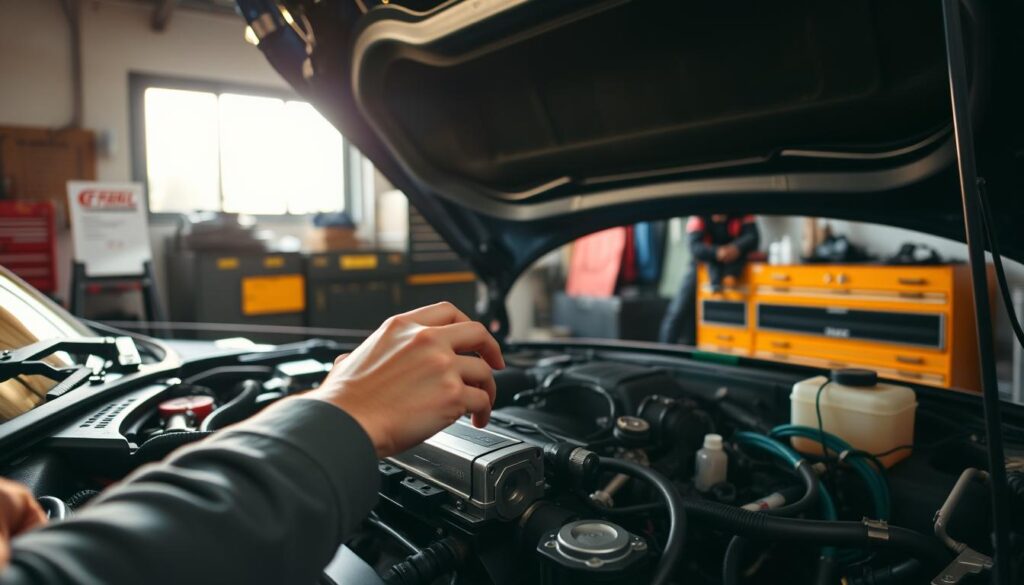
Benefits of Routine Check-Ups
Routine check-ups offer numerous benefits, including improved vehicle performance, enhanced safety, and better fuel efficiency. By regularly checking your vehicle’s vital systems, you can identify issues early on, reducing the risk of breakdowns and expensive repairs.
“Regular maintenance is key to extending the life of your vehicle and ensuring it runs efficiently.”
Some of the key benefits of routine check-ups include:
- Early detection of potential problems
- Improved safety on the road
- Better fuel efficiency
- Enhanced overall performance
How Maintenance Affects Vehicle Longevity
Regular maintenance plays a significant role in extending the life of your vehicle. By keeping your car’s systems in good condition, you can prevent premature wear and tear, reducing the need for costly repairs or replacements.
| Maintenance Activity | Impact on Vehicle Longevity |
|---|---|
| Regular Oil Changes | Extends engine life |
| Tire Rotation | Prevents uneven wear |
| Brake Pad Replacement | Ensures safe stopping |
By understanding the importance of regular maintenance and incorporating it into your car care routine, you can enjoy a longer vehicle lifespan, improved performance, and enhanced safety on the road.
Checking Your Oil Levels
One of the simplest yet most effective ways to keep your car running smoothly is by checking its oil levels regularly. Engine oil plays a vital role in lubricating the moving parts of your engine, reducing friction, and preventing overheating.
Types of Oil and Their Importance
There are several types of engine oil available, including conventional, synthetic, and synthetic blend. Each type has its unique benefits and is suited for different driving conditions.
| Type of Oil | Benefits | Best For |
|---|---|---|
| Conventional | Cost-effective, good for average driving conditions | Most passenger vehicles |
| Synthetic | Excellent performance in extreme temperatures, better engine protection | High-performance vehicles, extreme climates |
| Synthetic Blend | Offers a balance between conventional and synthetic oil benefits | Drivers who want better performance than conventional oil but don’t need full synthetic |
Signs You Need an Oil Change
Knowing when to change your oil is crucial for maintaining your engine’s health. Some key signs include dark or dirty oil, low oil levels, and unusual engine noises. If you notice any of these signs, it’s time to check your oil levels and consider an oil change.
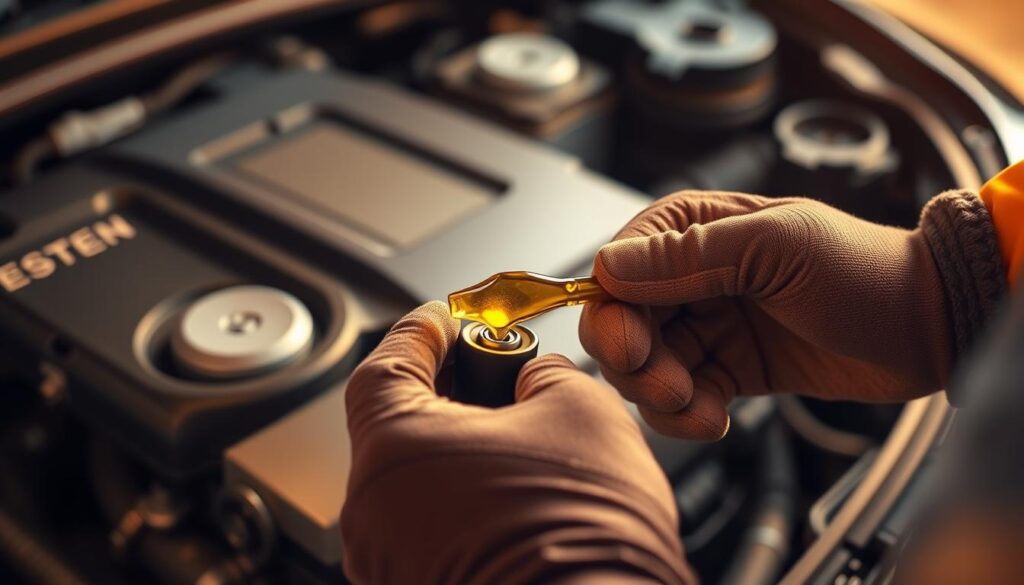
By staying on top of your oil levels and understanding the type of oil your car needs, you can significantly improve your engine’s performance and longevity. Regular DIY car maintenance tasks like checking oil levels can save you money and help prevent major engine repairs down the road.
Tire Care and Maintenance
Tire maintenance is a critical aspect of car care that every driver should prioritize. Properly maintained tires can significantly enhance your vehicle’s performance, safety, and fuel efficiency.
How to Check Tire Pressure
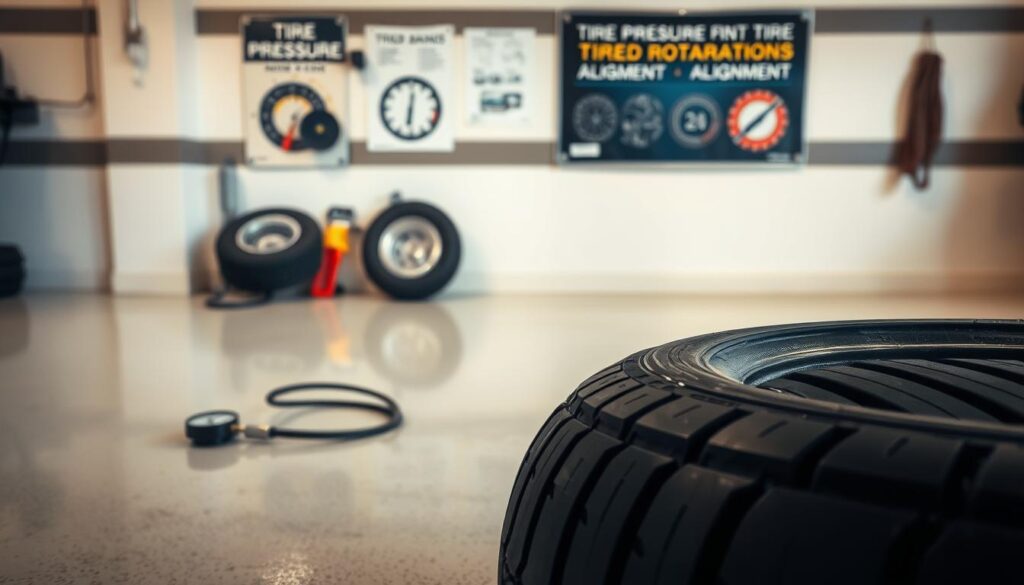
Checking tire pressure is a simple yet crucial task. Underinflated tires can lead to reduced fuel efficiency, uneven tire wear, and increased risk of tire failure. To check tire pressure, you’ll need a tire pressure gauge. Remove the valve cap, press the gauge onto the valve stem, and take a reading. Compare it to the recommended pressure listed on the tire’s sidewall or in your vehicle’s owner’s manual.
It’s essential to check tire pressure regularly, as it can vary with temperature changes. Typically, tire pressure should be checked at least once a month and before long trips.
Understanding Tread Depth
Tread depth is a critical factor in tire safety. Worn-out tires with insufficient tread depth can be hazardous, especially on wet roads. You can check tread depth using a penny. Insert the penny into the tire groove with Lincoln’s head facing down. If you can see the top of Lincoln’s head, the tread is worn out, and it’s time to replace your tires.
Regularly inspecting tread depth can help prevent accidents and ensure your vehicle remains safe to drive.
When to Rotate Your Tires
Rotating your tires is an essential part of tire maintenance. It ensures even wear and extends the lifespan of your tires. The frequency of tire rotation depends on your vehicle’s make and model, as well as your driving habits. Typically, tires should be rotated every 5,000 to 8,000 miles.
Consult your owner’s manual for the recommended tire rotation schedule. Proper tire rotation can improve your vehicle’s handling and safety, making it a vital part of your essential car maintenance checklist.
Keeping Your Brakes in Top Shape
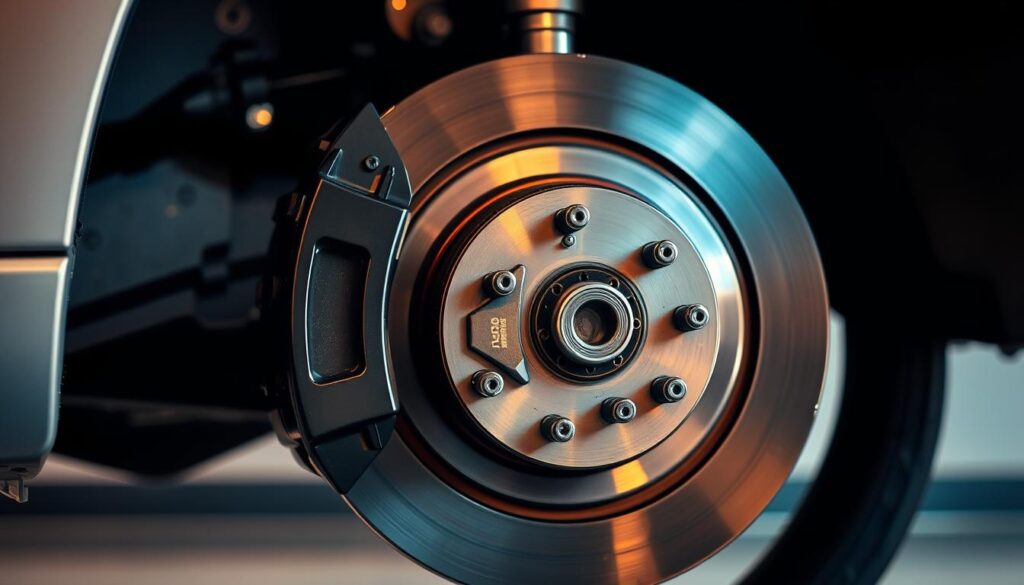
Brake maintenance is a critical aspect of basic car care that every driver should prioritize. A well-functioning braking system is essential for safety on the road, preventing accidents, and ensuring the vehicle performs as expected.
Signs of Worn Brake Pads
Worn-out brake pads can significantly reduce your vehicle’s stopping power, leading to increased stopping distances and a higher risk of accidents. There are several signs that indicate your brake pads may need replacement:
- Squealing or grinding noises when applying the brakes
- Vibration or pulsation when braking
- A decrease in braking performance
Regular inspection of your brake pads can help identify wear early, allowing for timely replacement and maintaining your vehicle’s safety features.
Importance of Brake Fluid Levels
Brake fluid plays a crucial role in your vehicle’s braking system, acting as a hydraulic fluid that transfers pressure to the brake calipers. Maintaining the correct brake fluid levels is vital for optimal brake performance.
Low brake fluid levels can lead to:
- Soft or spongy brake pedals
- Increased stopping distances
- Brake failure in extreme cases
| Brake Fluid Level | Brake Performance | Recommended Action |
|---|---|---|
| At or above minimum level | Optimal braking performance | Regular checks recommended |
| Below minimum level | Reduced braking performance | Top up brake fluid to recommended level |
| Significantly low | Potential brake failure | Inspect for leaks, top up, and consider professional inspection |
By keeping your brakes in top shape, you not only ensure your safety but also the safety of others on the road. Regular checks and maintenance of your vehicle’s braking system are indispensable aspects of responsible car ownership.
Maintaining Your Battery
Maintaining your car’s battery is essential for avoiding unexpected breakdowns. A well-functioning battery ensures that your vehicle starts reliably and operates smoothly. Regular battery maintenance is a critical aspect of car upkeep that is often overlooked.
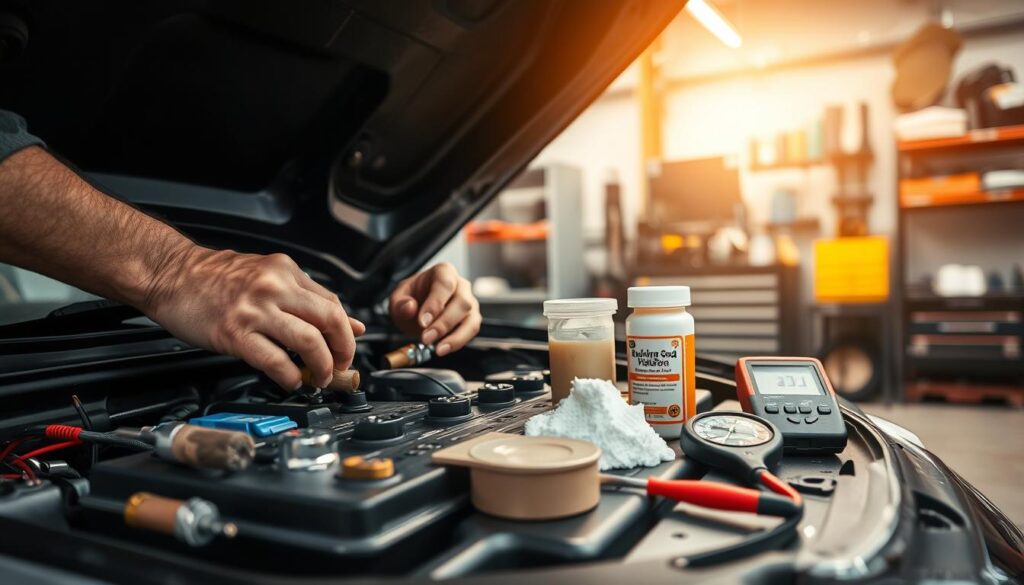
To extend the life of your car’s battery, several simple practices can be adopted. Here are some tips:
- Keep the battery terminals clean and free of corrosion.
- Avoid deep discharges by starting your car regularly and avoiding leaving headlights or other accessories on when the engine is off.
- Ensure the battery is securely fastened to prevent damage from vibrations.
Tips for a Longer Battery Life
Following the manufacturer’s recommendations for battery maintenance is crucial. Regular checks can help identify potential issues before they become major problems. Some key practices include:
- Checking the battery’s age and planning for a replacement when it’s nearing the end of its lifespan.
- Monitoring the battery’s charge level, especially during extreme weather conditions.
Identifying Battery Problems
Being able to identify signs of battery problems can save you from being stranded. Common indicators include:
- A slow engine crank when starting the car.
- Dim or flickering headlights.
- Swollen or bloated battery case due to overheating.
By staying vigilant and addressing these issues promptly, you can ensure your car’s battery remains in good condition, supporting overall battery maintenance and vehicle reliability.
Regularly Inspecting Your Lights
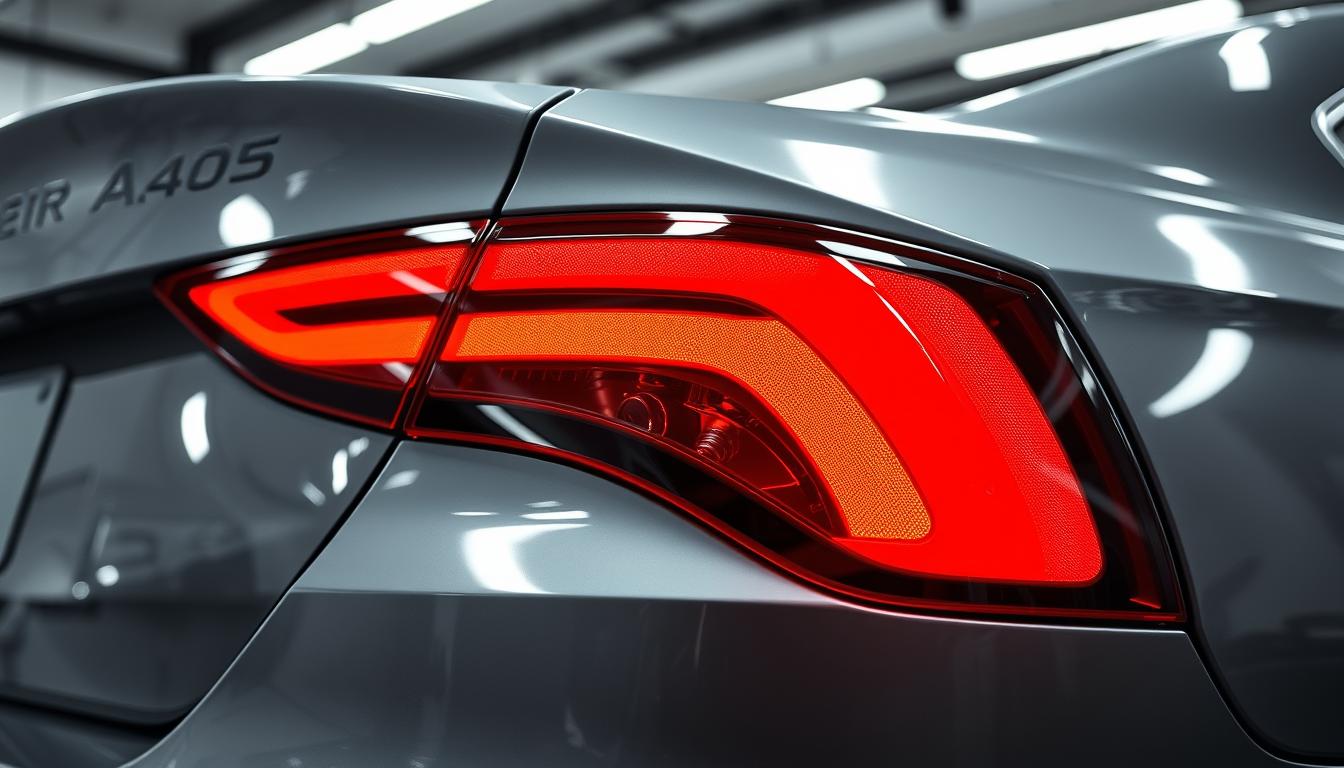
Functional headlights and taillights play a significant role in maintaining road safety, especially at night. Ensuring that your vehicle’s lighting system is in good working condition is a crucial aspect of DIY car maintenance. Properly functioning lights not only help you see the road ahead but also make your vehicle more visible to other drivers, pedestrians, and cyclists.
Importance of Functional Headlights and Taillights
Headlights illuminate the road ahead, allowing you to drive safely at night or in low-visibility conditions. Taillights, on the other hand, signal your presence to drivers behind you, reducing the risk of rear-end collisions. It’s essential to check both regularly to ensure they are clean, intact, and functioning correctly.
- Check for burnt-out bulbs and replace them promptly.
- Ensure that headlight and taillight lenses are clean and free of damage.
- Verify that all lights, including brake lights and turn signals, are working properly.
How Often to Check Your Vehicle’s Lights
It’s recommended to inspect your vehicle’s lights during every routine maintenance check, or at least once every few months. Additionally, if you notice any issues with your lights, such as dimming or flickering, address them immediately.
By regularly inspecting and maintaining your vehicle’s lighting system, you can enhance your safety on the road and contribute to a safer driving environment for everyone.
Cooling System Checks
Maintaining the cooling system is a critical aspect of car maintenance that every driver should prioritize. Your vehicle’s cooling system is vital for preventing engine overheating, which can lead to costly repairs.
The cooling system is responsible for regulating your engine’s temperature, ensuring it operates within a safe range. A failure in this system can cause significant damage, making regular checks essential.
Signs of Overheating
Recognizing the signs of overheating is crucial for taking prompt action. Common indicators include:
- A high temperature gauge reading on your dashboard
- Coolant leaks under your vehicle
- Steam emanating from under the hood
If you notice any of these signs, it’s essential to address the issue immediately to prevent engine damage.
How to Maintain Coolant Levels
Maintaining the correct coolant levels is a straightforward process that can significantly impact your vehicle’s health. Here’s how to do it:
- Locate the coolant reservoir, usually a transparent plastic tank.
- Check the coolant level against the minimum and maximum marks on the reservoir.
- If the level is low, top it up with the recommended type of coolant.
Coolant Types and Their Uses
| Coolant Type | Description | Usage |
|---|---|---|
| Conventional Green Coolant | Traditional ethylene glycol-based coolant | Suitable for most vehicles, unless specified otherwise by the manufacturer |
| Organic Acid Technology (OAT) Coolant | Long-life coolant with organic acids | Used in many modern vehicles for its extended life |
| Hybrid Organic Acid Technology (HOAT) Coolant | Combines conventional and OAT coolants | Offers a balance between longevity and compatibility |
It’s also important to inspect the cooling system for leaks and ensure that all components are in good condition.
The Role of Filters in Vehicle Performance
Filters play a pivotal role in ensuring your vehicle runs efficiently and effectively. They are crucial for maintaining the overall health of your vehicle, impacting everything from engine performance to the air quality inside the cabin.
There are several types of filters in your vehicle, each serving a unique purpose. Understanding these filters and their functions is essential for proper car upkeep.
Types of Filters to Monitor
Your vehicle contains multiple filters that need regular monitoring. The primary filters include:
- The engine air filter, which prevents dust and debris from entering the engine.
- The cabin air filter, responsible for purifying the air inside your vehicle.
- The fuel filter, which ensures clean fuel is delivered to the engine.
Monitoring these filters and replacing them at the recommended intervals can significantly improve your vehicle’s performance and longevity.
When to Change Your Air and Cabin Filters
Knowing when to replace your air and cabin filters is vital for maintaining your vehicle’s performance and air quality. Typically, the engine air filter should be replaced every 15,000 to 30,000 miles, while the cabin air filter should be changed every 12,000 to 18,000 miles.
| Filter Type | Replacement Interval | Impact on Vehicle |
|---|---|---|
| Engine Air Filter | 15,000 – 30,000 miles | Improves engine efficiency and performance |
| Cabin Air Filter | 12,000 – 18,000 miles | Enhances cabin air quality and reduces allergens |
| Fuel Filter | Varies by manufacturer | Ensures clean fuel delivery to the engine |
Regularly checking and replacing your vehicle’s filters can lead to better fuel efficiency, reduced emissions, and a healthier driving environment.
Seasonal Maintenance Considerations
As the seasons change, your vehicle’s needs change too. Adapting your car maintenance routine to the season ensures your vehicle remains reliable and performs well throughout the year. By following an essential car maintenance checklist, you can stay on top of necessary tasks.
Preparing for Winter Driving
Before winter arrives, check your vehicle’s battery, antifreeze, and tire condition to ensure it can handle cold temperatures and potentially hazardous road conditions. Consider using winter tires for improved traction. This is a crucial part of DIY car maintenance.
Summer Heat Care
In the summer, focus on your vehicle’s cooling system, tire pressure, and air conditioning. Ensure your coolant levels are adequate, and your air conditioning is working correctly to keep you comfortable on the road.
By being proactive with seasonal maintenance, you can prevent breakdowns and ensure your vehicle runs smoothly all year round. Regular checks and maintenance tasks are key to extending the life of your vehicle.