





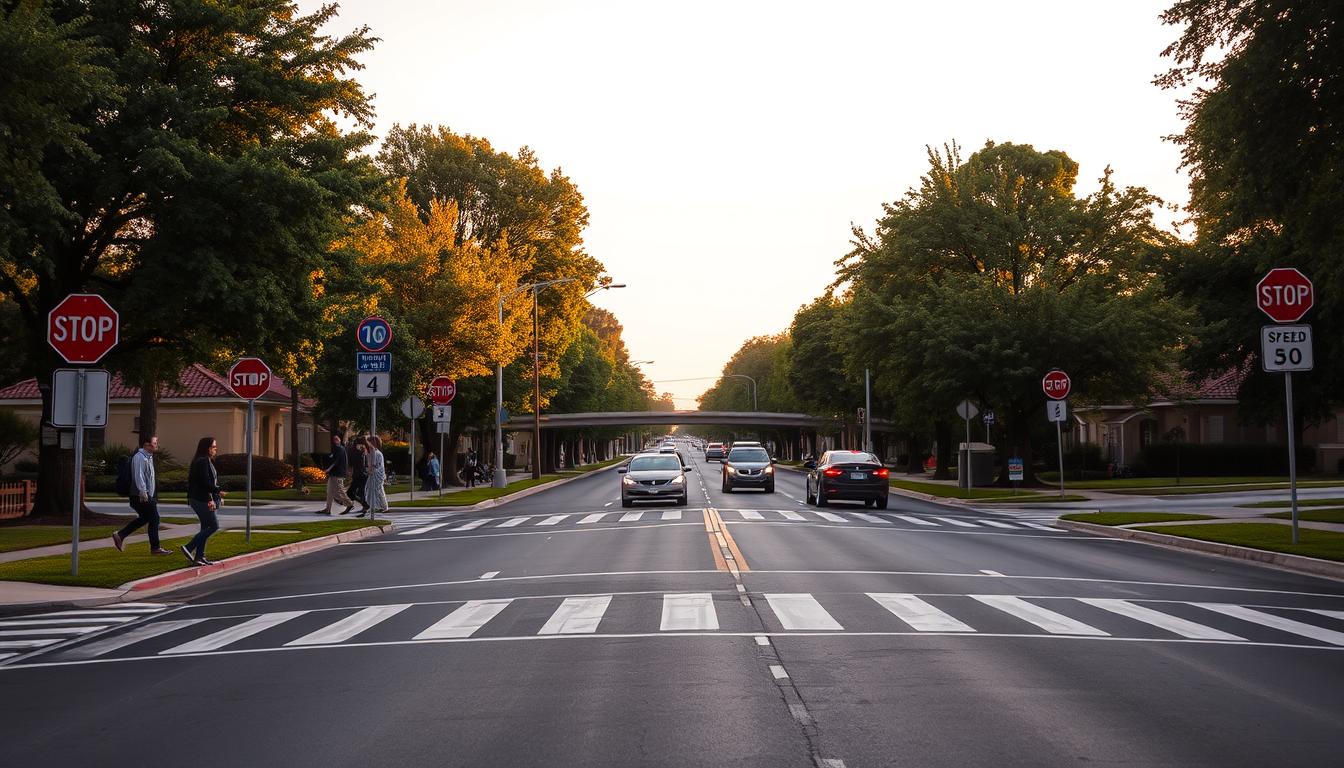
Everyday driving can be hazardous if not done with caution. The National Highway Traffic Safety Administration (NHTSA) reports that in 2008, there were almost 6 million car accidents in the U.S., resulting in more than 37,000 deaths. These alarming statistics highlight the need for defensive driving practices to reduce the risk of accidents.
Adopting safe driving habits is crucial for all drivers. By being aware of the surroundings and following road safety guidelines, drivers can significantly minimize the risk of being involved in an accident. This article aims to provide valuable driving tips to help everyday drivers stay safe on the roads.
Key Takeaways
- Understanding the importance of defensive driving
- Adopting safe driving habits to reduce accident risk
- Being aware of surroundings to enhance road safety
- Following guidelines to minimize driving hazards
- Staying safe on the roads with valuable driving tips
1. Understand the Importance of Safe Driving
The significance of safe driving cannot be overstated, as it directly influences road safety and the lives of drivers and pedestrians alike. Safe driving is not just about following rules; it’s about being aware of your surroundings and taking proactive measures to prevent accidents.
Why Safety Matters
Safe driving matters because it reduces the risk of accidents, thereby protecting lives and preventing injuries. It’s about being responsible not just for yourself, but for your passengers and other road users.
The Statistics Behind Safe Driving
The statistics on road safety are compelling. According to the National Highway Traffic Safety Administration (NHTSA), thousands of lives are lost annually due to driving accidents. However, by adopting safe driving practices, we can significantly reduce these numbers.
| Year | Accidents | Fatalities |
|---|---|---|
| 2018 | 6.4 million | 36,560 |
| 2019 | 6.7 million | 36,355 |
| 2020 | 6.3 million | 38,824 |
The Impact on Other Road Users
Safe driving practices not only protect the driver but also have a significant impact on other road users, including pedestrians, cyclists, and passengers in other vehicles. By being vigilant and defensive, drivers can avoid accidents that could harm these individuals.
Defensive driving is a key strategy in enhancing road safety. It involves anticipating the actions of other drivers and being prepared to react to unexpected situations. This approach can significantly reduce the risk of accidents.
2. Stay Focused and Avoid Distractions
Staying focused on the road is crucial for safe driving tips, and avoiding distractions is key to preventing accidents. Distracted driving is a leading cause of collisions and fatalities, making it essential to understand its causes and consequences.
Limit Your Use of Mobile Devices
Using mobile devices while driving is particularly hazardous. It’s not just texting; even talking on the phone can significantly divert your attention from the road. To avoid this, consider putting your phone on silent mode or using an app that blocks notifications while you’re driving.
Moreover, if you need to make a call or send a message, pull over to a safe location first. This simple precaution can greatly reduce the risk of being involved in a distracted driving incident.
The Role of Passengers in Distraction
Passengers can also be a significant source of distraction. While having friends or family in the car can be enjoyable, conversations or actions by passengers can divert the driver’s attention. It’s crucial to set ground rules for behavior in the vehicle to minimize distractions.
For instance, asking passengers to keep conversations light or to help with tasks like navigating can make driving safer. Additionally, if you’re driving with children, ensuring they are entertained or occupied can help you stay focused on the road.
Managing In-Car Technologies
Modern vehicles come equipped with advanced technologies, including navigation systems and entertainment options. While these features can enhance the driving experience, they can also be distracting if not managed properly.
To stay safe, familiarize yourself with your vehicle’s systems before driving. Adjust settings or input information before you start driving, and consider using voice commands to control these systems while on the road.
By following these safe driving tips and being mindful of potential distractions, you can significantly reduce your risk of being involved in an accident. Staying focused and avoiding distractions is a critical aspect of defensive driving, contributing to a safer driving environment for everyone on the road.
3. Always Wear Your Seatbelt
The importance of wearing a seatbelt cannot be overstated, as it significantly reduces the risk of fatal injury in the event of an accident. This simple yet crucial act is a cornerstone of road safety and a fundamental aspect of safe driving tips. By buckling up, drivers and passengers can greatly enhance their chances of surviving a collision.

The Benefits of Buckling Up
Wearing a seatbelt provides numerous benefits, including reducing the risk of fatal injury by up to 45% and the risk of moderate to serious injuries by up to 50%. It also helps to prevent ejection from the vehicle, which is a major cause of fatalities in car accidents. Furthermore, buckling up sets a good example for other road users, particularly children, who often mimic the behavior of adults.
Common Misconceptions About Seatbelts
Despite the proven effectiveness of seatbelts, there are several misconceptions surrounding their use. Some people believe that they are unnecessary for short trips or that they can be replaced by airbags. However, the reality is that most accidents occur within a short distance from home, and airbags are designed to work in conjunction with seatbelts, not as a replacement for them.
How to Properly Adjust Your Seatbelt
To get the most out of your seatbelt, it’s essential to adjust it correctly. The lap belt should be positioned low across the hips, not on the stomach, and the shoulder belt should cross the chest, avoiding the neck. The buckle should be securely fastened, and the belt should not be twisted. By following these simple steps, you can ensure that your seatbelt is working effectively to keep you safe on the road.
By making seatbelt use a habit, drivers and passengers can significantly enhance their road safety. It’s a simple act that can have a profound impact on reducing the number of injuries and fatalities on our roads. As part of a broader set of safe driving tips, wearing a seatbelt is an indispensable practice for anyone who gets behind the wheel or rides in a vehicle.
4. Follow Speed Limits and Traffic Laws
Following speed limits is a fundamental aspect of defensive driving. It’s not just about avoiding tickets; it’s about ensuring road safety for everyone on the road. Speed limits are carefully determined based on the road conditions, traffic volume, and other factors to minimize the risk of accidents.
Understanding Speed Limit Signage
Speed limit signs are designed to be clear and visible. They come in different shapes and colors to convey different types of information. For instance, a circular sign with a red ring typically indicates a maximum speed limit. Understanding these signs is crucial for complying with traffic laws.
- Pay attention to the type of speed limit sign.
- Be aware of variable speed limits that change based on time of day or traffic conditions.
- Recognize that some areas have advisory speed limits, especially around curves or construction zones.
The Dangers of Speeding
Speeding is a significant factor in traffic crashes. According to the NHTSA, speeding-related crashes result in a substantial economic cost of $40.4 billion annually. The dangers of speeding include reduced reaction time, increased stopping distance, and a higher risk of fatality in the event of a crash.
- Speeding reduces the time you have to react to unexpected situations.
- It increases the distance required to stop your vehicle.
- The impact of a crash at higher speeds is more severe, often leading to more severe injuries or fatalities.
How to Stay Aware of Traffic Regulations
Staying informed about traffic laws and regulations is part of being a responsible driver. This includes being aware of any changes to speed limits, new traffic signals, or other road rules.
- Regularly check for updates on local traffic laws.
- Use GPS or mapping apps that provide real-time traffic information.
- Be observant of road signs and markings.
By following speed limits and adhering to traffic laws, you contribute to a safer driving environment for everyone. It’s a simple yet effective way to practice defensive driving and enhance road safety.
5. Use Your Turn Signals and Indicators
Effective signaling is key to preventing accidents and ensuring a smooth flow of traffic. Using turn signals is a fundamental aspect of safe driving tips that every driver should master.
The Importance of Signaling
Signaling your intentions while driving is not just a courtesy; it’s a crucial safety measure that communicates your actions to other road users. This is particularly important in defensive driving, where anticipating the actions of other drivers can prevent potential collisions.
By signaling correctly, you help other drivers anticipate your next move, reducing the risk of accidents. It’s a simple act that can significantly enhance road safety.
Common Mistakes Drivers Make
One of the most common mistakes drivers make is failing to signal or signaling too late. This can lead to confusion among other drivers and potentially result in accidents.
Another mistake is not checking your mirrors and blind spots before changing lanes, even if you have signaled your intention.
When to Signal for Turns and Lane Changes
You should signal your intention to turn or change lanes well in advance. The general rule is to signal at least 3 seconds before making your move. This gives other drivers enough time to react to your signal.
Remember, signaling is not just about your safety; it’s also about being courteous to other road users. By following these safe driving tips, you contribute to a safer and more considerate driving environment.
6. Keep a Safe Distance from Other Vehicles
The key to avoiding collisions lies in understanding and applying the concept of safe following distance. Maintaining a safe distance from the vehicle in front gives you enough time to react to unexpected situations, thereby reducing the risk of accidents.
The 3-Second Rule Explained
The “3-second rule” is a simple yet effective guideline for maintaining a safe following distance. To apply this rule, choose a fixed point on the road ahead, such as a sign or a marking, and count “one-thousand-one, one-thousand-two, one-thousand-three” as the vehicle in front passes it. If you reach the chosen point before you finish counting, you are following too closely.
Applying the 3-second rule helps in ensuring that you have enough time to stop or react to the actions of the vehicle in front. This rule is particularly useful in normal driving conditions and serves as a baseline that can be adjusted based on various factors.
Factors That Affect Following Distance
Several factors can affect the safe following distance, including road conditions, vehicle speed, and the driver’s reaction time. For instance, on wet or slippery roads, it’s advisable to increase the following distance to account for the longer stopping time required.
- Road conditions: Adjust your following distance according to the road surface, whether it’s dry, wet, or icy.
- Vehicle speed: Higher speeds require longer stopping distances, so increase your following distance as you drive faster.
- Driver reaction time: Consider your reaction time and that of the driver in front when determining your following distance.
How Weather Conditions Impact Safe Distancing
Weather conditions significantly impact safe distancing. In rain, snow, or fog, visibility is reduced, and roads become slippery, necessitating a longer stopping distance. Adjusting your speed and following distance according to the weather is crucial for safe driving.

For example, during heavy rain or snow, it’s recommended to double or triple the standard 3-second following distance. This adjustment gives you more time to react and stop, significantly reducing the risk of being involved in a rear-end collision.
7. Be Aware of Weather Conditions
Driving in adverse weather conditions demands extra caution and a proactive approach to road safety. Weather conditions can significantly impact the safety of drivers, passengers, and other road users. Being aware of and adapting to these conditions is crucial for preventing accidents and ensuring a smooth journey.
Adjusting Driving for Rain and Snow
Rain and snow are two of the most common adverse weather conditions that drivers face. Reducing speed is essential in these conditions, as they can significantly reduce visibility and make roads slippery. When driving in rain or snow, it’s advisable to increase the following distance to at least 8 seconds. This allows for sufficient time to react to unexpected situations.
- Use low gear when driving uphill in snowy or icy conditions to maintain control.
- Avoid hard braking and sharp turns, as they can lead to skidding.
- Keep windows and mirrors clean to maintain visibility.
The Dangers of Fog and Ice
Fog and ice are particularly hazardous weather conditions. Fog reduces visibility, making it difficult to see other vehicles, pedestrians, or road hazards. Ice, on the other hand, can make roads extremely slippery, leading to loss of vehicle control. When driving in fog, use low-beam headlights to reduce glare from fog. In icy conditions, avoid sudden movements and use gentle inputs on the steering wheel and brakes.
Using Headlights in Adverse Weather
Headlights play a crucial role in improving visibility during adverse weather conditions. Using headlights in rain, snow, or fog can help other drivers see your vehicle. It’s also important to ensure that your headlights are clean and properly adjusted to maximize their effectiveness.
By being aware of weather conditions and adjusting driving habits accordingly, drivers can significantly enhance road safety. This includes using headlights appropriately, reducing speed, and increasing following distances. Practicing defensive driving techniques is key to navigating through adverse weather conditions safely.
8. Regular Vehicle Maintenance Is Key
One of the most effective ways to enhance road safety is through regular vehicle maintenance. By keeping your vehicle in good condition, you can significantly reduce the risk of accidents caused by mechanical failures.
Importance of Routine Inspections
Routine inspections are vital for identifying potential issues before they become major problems. During an inspection, a mechanic checks various components such as brakes, tires, and suspension to ensure they are functioning properly.
- Check brake pads and rotors for wear
- Inspect tire tread depth and look for signs of uneven wear
- Examine suspension and steering components for damage
Essential Maintenance Tasks
Regular maintenance tasks are crucial for the longevity and safety of your vehicle. Some essential tasks include:
- Oil changes: Regular oil changes help keep your engine lubricated and running smoothly.
- Tire rotations: Rotating your tires ensures even wear and extends their lifespan.
- Brake pad replacements: Worn-out brake pads can lead to reduced stopping power and increased risk of accidents.
Proper maintenance not only enhances safety but also improves your vehicle’s overall performance.
When to Consult a Professional Mechanic
If you notice any unusual noises, vibrations, or warning lights on your dashboard, it’s essential to consult a professional mechanic. They can diagnose the issue and perform necessary repairs to keep your vehicle safe and reliable.
Regular vehicle maintenance is a critical aspect of safe driving. By staying on top of maintenance tasks and addressing issues promptly, you can ensure your vehicle remains in good condition and reduce the risk of accidents.
By following these safe driving tips and prioritizing vehicle maintenance, you can contribute to a safer driving environment for everyone on the road.
9. Always Be Prepared for the Unexpected
Being prepared for the unexpected is crucial for safe driving. Anticipating the actions of other drivers and practicing defensive driving can significantly reduce the risk of accidents.
Anticipating Other Drivers’ Actions
Anticipating what other drivers might do is a key aspect of defensive driving. This involves being aware of your surroundings, recognizing potential hazards, and taking steps to avoid them. By staying alert and focused, you can react to unexpected situations more effectively.
The Importance of Defensive Driving
Defensive driving is a driving technique that emphasizes caution and awareness. It involves being prepared for the unexpected actions of other drivers, pedestrians, and road conditions. By adopting defensive driving habits, you can significantly enhance your safety on the road.
Building Confidence on the Road
Building confidence behind the wheel comes from practice, patience, and persistence. By following safe driving tips and practicing defensive driving, you can become a more confident and capable driver. Staying calm and focused, even in challenging situations, is key to safe and confident driving.
By incorporating these strategies into your daily driving routine, you can significantly enhance your safety on the road and contribute to a safer driving environment for everyone.
FAQ
What are some common distractions while driving?
Why is wearing a seatbelt important?
How can I stay aware of speed limits and traffic laws?
What is the purpose of using turn signals and indicators?
What is the 3-second rule, and why is it important?
How should I adjust my driving for different weather conditions?
Why is regular vehicle maintenance necessary for safe driving?
How can I be prepared for unexpected situations on the road?
What is defensive driving, and why is it important?