


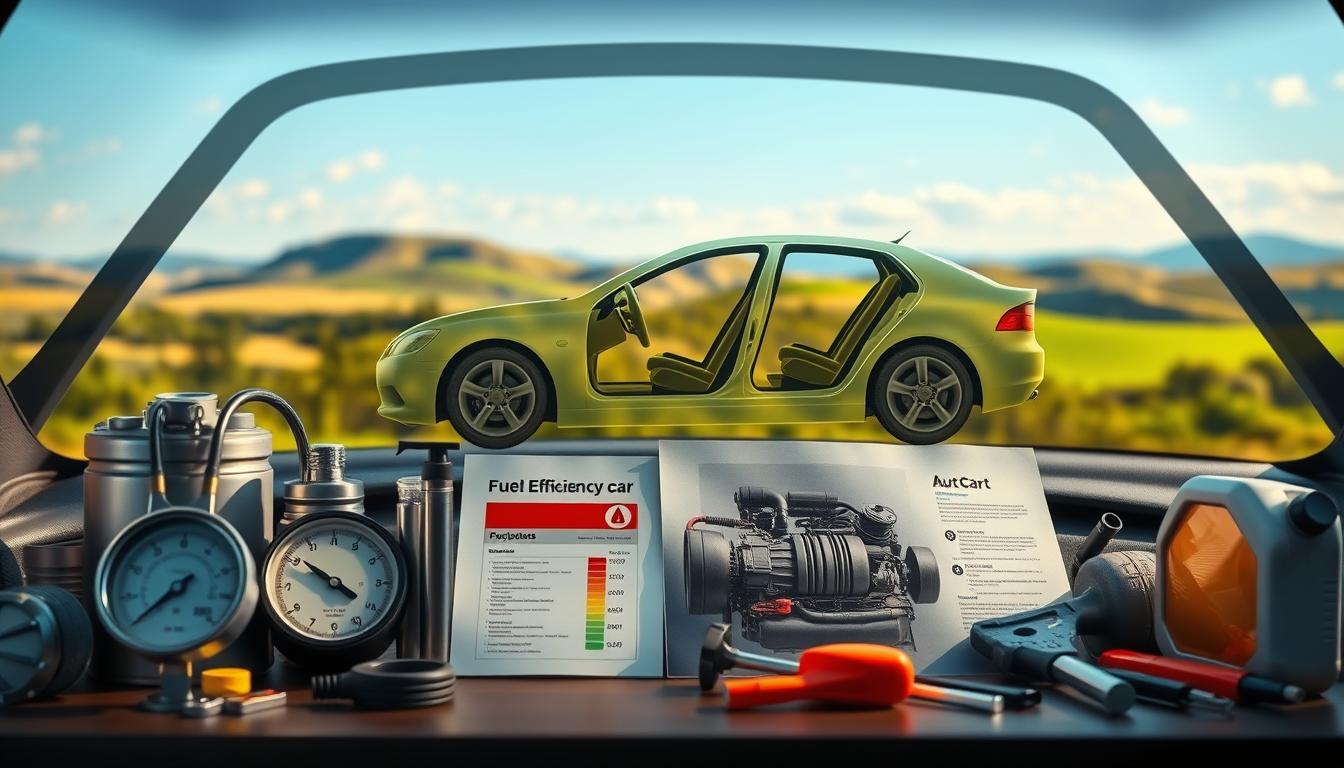
Improving your car’s fuel efficiency is a cost-effective and environmentally friendly decision. With rising fuel prices, adopting habits that save money at the pump is essential.
According to the U.S. Department of Energy, proper vehicle maintenance and sensible driving can improve fuel economy by up to 40 percent in some cases. By implementing simple changes, you can significantly reduce your fuel consumption and lower your emissions.
Key Takeaways
- Regular vehicle maintenance can significantly improve fuel economy.
- Sensible driving habits can reduce fuel consumption.
- Proper tire pressure can enhance fuel efficiency.
- Removing extra weight from your car can improve fuel economy.
- Using the correct type of motor oil can help save fuel.
Understand Your Vehicle’s Fuel Consumption
The journey to better mileage begins with comprehending your vehicle’s fuel consumption patterns. To achieve better fuel economy, it’s essential to grasp how your vehicle uses fuel. This understanding will help you identify areas where improvements can be made.
Read Your Owner’s Manual for Insights
Your car’s owner’s manual is a treasure trove of information that can provide valuable insights into your vehicle’s fuel consumption. It contains details on the recommended fuel type, tire pressure, and other maintenance-related information that can impact fuel efficiency. By familiarizing yourself with the manual, you can gain a deeper understanding of your vehicle’s specifications and maintenance needs.
Track and Monitor Your Mileage
Tracking and monitoring your mileage is another effective way to understand your vehicle’s fuel consumption. By keeping a record of your fuel usage over time, you can identify trends and patterns that may indicate areas for improvement. This practice can help you make informed decisions to enhance your vehicle’s fuel economy.
Regularly checking your fuel consumption can also help you detect any issues with your vehicle that may be affecting its fuel efficiency. For instance, a sudden drop in fuel economy could indicate a problem that needs to be addressed. By staying on top of your fuel consumption, you can take proactive steps to maintain your vehicle’s performance and achieve better mileage.
Maintain Regular Oil Changes
One of the simplest ways to improve your car’s fuel efficiency is by ensuring regular oil changes. Regular oil changes are vital for maintaining your vehicle’s health and improving its fuel economy.
Using the right oil for your engine can significantly impact your fuel efficiency. It can improve your fuel efficiency by up to 2 percent. Look for motor oil labeled “Energy Conserving” on the API performance symbol, as it is designed to reduce friction and improve fuel economy.
Use the Right Oil for Your Engine
Choosing the correct oil for your engine is crucial. Different engines require different types of oil, so it’s essential to consult your owner’s manual for the recommended oil type. Using the wrong oil can lead to decreased fuel efficiency and potentially damage your engine.
| Oil Type | Benefits | API Symbol |
|---|---|---|
| Conventional Oil | Standard protection for most engines | |
| Synthetic Oil | Better performance in extreme temperatures | |
| Synthetic Blend Oil | A mix of conventional and synthetic oil for added protection |
Check Oil Levels Frequently
Regularly checking your oil levels is just as important as changing your oil. Low oil levels can cause significant engine damage and decrease fuel efficiency. Make it a habit to check your oil levels at least once a month and before long trips.
“Regular maintenance, including oil changes, is key to maintaining your vehicle’s performance and fuel efficiency.”
By maintaining regular oil changes and using the right oil for your engine, you can enjoy better fuel economy and a healthier vehicle. Remember, a well-maintained engine is more fuel-efficient and lasts longer.
Check and Maintain Tire Pressure
To optimize your vehicle’s fuel efficiency, it’s essential to regularly check and maintain the recommended tire pressure. Proper tire inflation is crucial because under-inflated tires can lower fuel efficiency by up to 3.3%, while over-inflated tires can drop fuel efficiency by as much as 4%. This simple maintenance task can significantly impact your vehicle’s overall performance and fuel economy.
Why Proper Inflation Matters
Maintaining the correct tire pressure is vital for your vehicle’s fuel efficiency and safety. Under-inflated tires increase rolling resistance, which forces your engine to work harder and burn more fuel. On the other hand, over-inflated tires can lead to reduced traction and uneven tire wear. By keeping your tires properly inflated, you can enjoy better fuel economy, improved handling, and enhanced safety on the road.
How to Check Tire Pressure
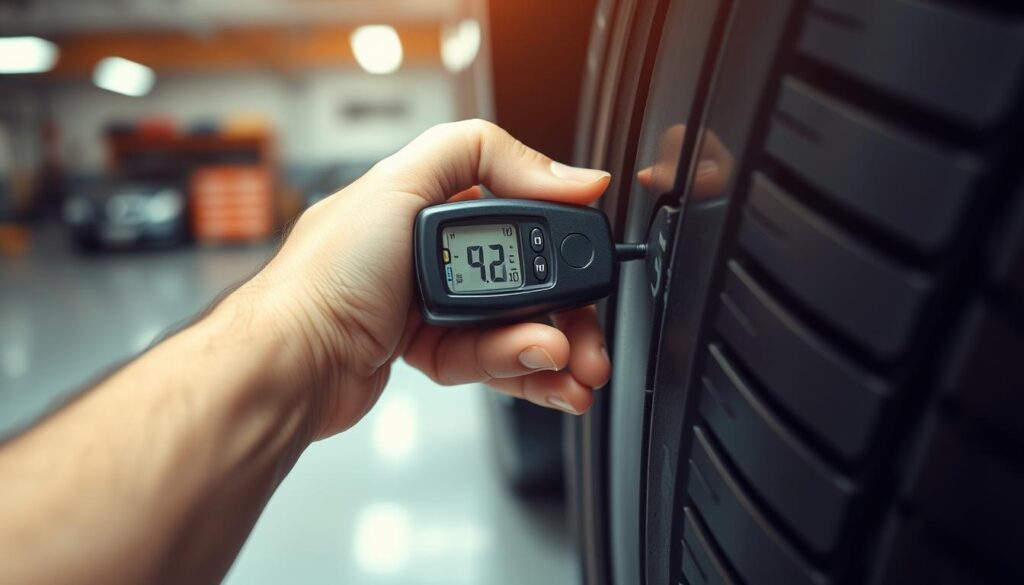
Checking your tire pressure is a straightforward process that you can do at home. First, you’ll need a tire pressure gauge. It’s recommended to check tire pressure when the tires are cold, meaning the vehicle has not been driven for at least three hours. Remove the valve cap, press the tire pressure gauge onto the valve stem, and take a reading. Compare the reading to the recommended pressure, which can be found on the tire’s information placard on the driver’s side doorjamb or in your owner’s manual. If the pressure is too low, add air; if it’s too high, release air until you reach the recommended pressure.
By incorporating regular tire pressure checks into your vehicle maintenance routine, you can improve your car’s fuel efficiency and overall performance. This simple habit can lead to significant savings on fuel costs over time and contribute to a more environmentally friendly driving practice.
Drive Smoothly and Responsibly
Smooth driving is key to achieving better mileage and reducing fuel consumption. By adopting responsible driving habits, you can significantly improve your car’s fuel efficiency.
Avoid Rapid Acceleration
Aggressive driving, including rapid acceleration and hard braking, can lower your gas mileage by 15 to 30 percent at highway speeds and by 10 to 40 percent in stop-and-go traffic. Avoiding sudden acceleration not only saves fuel but also reduces wear on your vehicle.
To drive more smoothly, anticipate stops and slow down gradually. This approach will help you maintain a consistent speed and reduce the need for frequent acceleration.
Use Cruise Control on Highways
Using cruise control on highways can help you maintain a consistent speed, which is essential for achieving better fuel economy. By keeping your speed steady, you can reduce fuel consumption and lower your emissions.
Cruise control is particularly useful during long highway drives, where it can help you avoid the fuel-wasting effects of frequent acceleration and braking. However, it’s essential to use it wisely and adjust your speed according to road conditions.
By driving smoothly and responsibly, you can enjoy better mileage and contribute to a more environmentally friendly driving practice. Implementing these fuel saving tips will make a significant difference in your car’s overall fuel efficiency.
Reduce Unnecessary Weight in Your Vehicle
One often overlooked aspect of improving fuel efficiency is reducing unnecessary weight in your vehicle. Every additional 100 pounds in your vehicle can reduce fuel economy by around 1 percent, according to the EPA. This means that carrying extra weight not only affects your vehicle’s performance but also your wallet.
Clean Out Your Trunk and Interior
Start by cleaning out your trunk and interior. Remove any unnecessary items that have accumulated over time. An empty trunk and clean interior can significantly improve your fuel efficiency. Check under the seats, in the glove compartment, and in the trunk for items you no longer need.
Regularly cleaning out your vehicle also helps in maintaining its overall condition. It’s a simple step that can make a big difference in how your vehicle performs on the road.
Know What to Leave at Home
Being mindful of what you carry in your vehicle is crucial. Avoid overloading your car with heavy or unnecessary items. If you don’t need it for your journey, consider leaving it at home. This not only improves fuel efficiency but also reduces wear and tear on your vehicle.
For instance, if you’re going on a short trip, pack lightly. Leaving heavy tools, sports equipment, or other unnecessary items at home can help reduce the overall weight of your vehicle, thereby improving your fuel economy.
By implementing these simple tips, you can enjoy a more efficient and cost-effective driving experience. Remember, every little bit counts when it comes to improving your vehicle’s fuel efficiency.
Utilize Air Conditioning Wisely
The air conditioning system in your vehicle can impact fuel efficiency, but there are ways to minimize this effect. Understanding how air conditioning affects your car’s fuel economy can help you make informed decisions about its use.
Understand the Impact on Fuel Economy
Running the air conditioning system can reduce fuel economy by up to 25 percent on short trips, according to the Society of Automotive Engineers (SAE). This significant impact is due to the additional load the air conditioning places on the engine. To put this into perspective, consider the following table that illustrates the potential fuel economy reduction due to air conditioning use at different temperatures.
| Temperature (°F) | Fuel Economy Reduction (%) |
|---|---|
| 75 | 5-10 |
| 85 | 10-15 |
| 95 | 15-25 |
As shown, the hotter the outside temperature, the more the air conditioning affects your fuel economy. Being aware of this can help you plan your air conditioning use more effectively.
Use Ventilation When Possible
One effective way to reduce your reliance on air conditioning is to use your vehicle’s ventilation system. By rolling down your windows or using the vents to circulate air, you can stay cool without the significant fuel penalty associated with air conditioning. However, it’s worth noting that driving with windows down can create drag, which can also affect fuel efficiency, especially at higher speeds.
A practical approach is to use ventilation at lower speeds and reserve air conditioning for when you’re driving at higher speeds on the highway. This balanced approach can help you stay cool while minimizing the impact on your fuel economy.
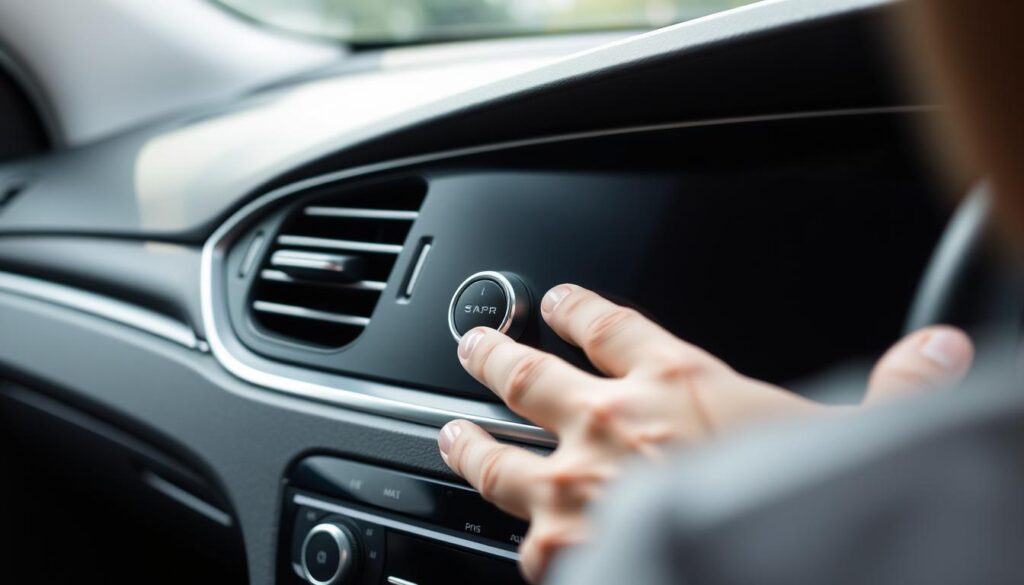
As the SAE suggests, being mindful of your air conditioning use and exploring alternatives like ventilation can contribute to better fuel efficiency. By implementing these strategies, you can enjoy a cooler ride while saving on fuel costs.
“Using your car’s air conditioning system effectively can make a significant difference in your fuel efficiency. By understanding its impact and using ventilation when possible, you can drive more economically.”
Plan Your Routes Efficiently
One of the simplest ways to boost fuel economy is by planning your routes efficiently. By doing so, you can avoid traffic congestion, reduce the distance you travel, and lower your fuel consumption.
Use GPS for Optimal Navigation
Using a GPS device or a mapping app on your smartphone can help you navigate through unfamiliar areas more efficiently. These tools provide real-time traffic updates, allowing you to avoid congested roads and take the most fuel-efficient route to your destination.
Benefits of Using GPS:
- Real-time traffic updates to avoid congestion
- Alternative routes to reduce travel distance
- Voice-guided directions to minimize distractions while driving
Combine Errands to Save Fuel
Combining multiple errands into a single trip can significantly reduce your fuel consumption. By planning your outings and grouping tasks together, you minimize the number of trips you make, thereby saving fuel and lowering emissions.
Tips for Combining Errands:
- Plan your shopping and other tasks in advance to group them together.
- Use a mapping app to optimize the order of your stops.
- Avoid making separate trips for small tasks.
By implementing these strategies, you can improve your car’s fuel efficiency, reduce your environmental impact, and save money on fuel costs.
Limit Idle Time When Parked
One of the simplest ways to improve your car’s fuel efficiency is by limiting idle time when parked. Idling can consume a significant amount of fuel, depending on your engine size and the use of accessories like air conditioning.
Idling for extended periods not only wastes fuel but also has other negative consequences. Understanding these can help you make better decisions about when to keep your engine running and when to turn it off.
Consequences of Idling
Idling can waste up to half a gallon of fuel per hour, depending on the engine size and whether accessories like the air conditioning are in use. This not only increases your fuel costs but also contributes to unnecessary emissions, harming the environment.
Moreover, excessive idling can lead to increased wear and tear on your engine, potentially shortening its lifespan. By limiting idle time, you can help maintain your vehicle’s health and reduce your carbon footprint.
Alternatives to Waiting in Your Car
If you find yourself waiting in your car for someone or something, consider alternatives to idling. Take a short walk or wait in a nearby café. These simple actions can significantly reduce your fuel consumption and lower emissions.
Additionally, if you’re waiting for a family member or friend, you might suggest a designated meeting spot outside of your vehicle. This not only saves fuel but also makes the waiting process more pleasant for everyone involved.
By being mindful of your idle time and exploring alternatives, you can contribute to a more fuel-efficient driving habit and a cleaner environment.
Consider Fuel-Efficient Driving Habits
Fuel-efficient driving habits can significantly reduce your fuel consumption and lower emissions. By making a few simple changes to your driving routine, you can improve your vehicle’s fuel economy and contribute to a more sustainable environment.
Avoid Frequent Short Trips
Frequent short trips can be detrimental to your fuel economy because they don’t allow your engine to reach its optimal operating temperature. To minimize this effect, try to combine your errands into a single trip. This not only saves fuel but also reduces wear on your vehicle.
For instance, instead of making multiple short trips throughout the day, plan your outings in advance. You can also consider grouping your tasks or using alternative modes of transportation for shorter journeys.
Keep Speed within Recommended Limits
Maintaining a consistent speed within the recommended limits is crucial for fuel efficiency. Rapid acceleration and braking can lower your fuel economy, so it’s essential to drive smoothly. Using cruise control on highways can help you maintain a steady speed and reduce fuel consumption.
- Observe speed limits to avoid unnecessary acceleration.
- Use cruise control on highways to maintain a consistent speed.
- Avoid hard braking by anticipating traffic conditions.
By adopting these fuel-efficient driving habits, you can enjoy cost savings on fuel and contribute to a cleaner environment. Remember, every small change counts, and making these habits a part of your daily driving routine can have a significant impact over time.
Explore Upgrades for Better Efficiency
To further enhance your car’s fuel efficiency, consider exploring upgrades that can make a significant difference. By investing in the right technologies and modifications, you can enjoy better mileage and reduced emissions.
Invest in Fuel-Saving Technologies
Technologies such as aerodynamic enhancements and low-rolling-resistance tires can significantly improve your car’s fuel economy. Brands like Michelin offer a range of fuel-efficient tire options. These upgrades not only save on fuel costs but also contribute to a more environmentally friendly drive.
Consider Vehicle Modifications
Modifying your vehicle with parts like a cold air intake or a performance chip can also enhance fuel efficiency. Companies such as K&N Engineering specialize in performance-enhancing products that can help improve your car’s overall performance while maintaining better mileage. When done correctly, these modifications can lead to noticeable improvements in fuel saving tips and overall driving experience.
FAQ
How can I improve my car’s fuel efficiency?
What is the importance of reading my owner’s manual?
How does proper tire inflation affect fuel efficiency?
Can using cruise control on highways improve fuel economy?
How can I reduce unnecessary weight in my vehicle?
What are the benefits of using ventilation instead of air conditioning?
How can I plan my routes efficiently to save fuel?
What are the consequences of idling, and how can I avoid it?
Can upgrading to fuel-saving technology improve my fuel efficiency?
How can I achieve better mileage and improve my fuel economy?

Get your own Automatic Fuel Nozzle . CLICK HERE