




Purchasing a pre-owned vehicle can be a financially savvy decision, offering significant savings compared to buying new. According to recent data from Auto Trader, the average cost of a pre-owned vehicle in Canada was $35,754 as of June 2024, making it an attractive option for many buyers.
When considering the purchase of a previously owned vehicle, it’s crucial to be well-informed about the process. This article will guide you through eight essential checks to make before finalizing your purchase, ensuring you make a smart and cost-effective decision. By following these used car tips, you can avoid potential pitfalls and drive away in a reliable vehicle.
Key Takeaways
- Research the market value of the vehicle
- Check the vehicle’s history report
- Inspect the vehicle for any signs of damage
- Test drive the vehicle to identify any issues
- Review the seller’s documentation and warranty
- Consider getting a mechanic’s inspection
Understand Your Budget
Understanding your budget is the cornerstone of making a smart used car purchase. It’s not just about the sticker price; there are several other costs to consider to avoid financial strain.
Calculate Total Costs
When buying a used car, the total cost involves more than just the purchase price. You need to calculate the total costs, including any additional fees, taxes, and potential repairs. For instance, luxury vehicles like BMWs and Range Rovers might have lower purchase prices but come with higher maintenance costs.
Here’s a breakdown of the costs to consider:
| Cost Type | Description | Average Cost |
|---|---|---|
| Purchase Price | The price of the vehicle | $10,000 – $20,000 |
| Taxes and Fees | Sales tax, registration, and other fees | $500 – $1,500 |
| Insurance | Annual insurance premiums | $800 – $2,000 |
| Maintenance | Routine maintenance and repairs | $500 – $1,000 per year |
Consider Financing Options
Financing a used car can be a bit complex. You’ll need to consider financing options carefully, comparing rates from different lenders to find the best deal. It’s also crucial to understand the terms of your loan, including the interest rate and repayment period.
Factor in Insurance and Maintenance
Insurance and maintenance are significant ongoing costs. Researching insurance rates for the vehicle you’re interested in can give you a better understanding of what to expect. Additionally, factoring in maintenance costs, including potential repairs, will help you budget more effectively. For example, a used car with a good maintenance history might be more cost-effective in the long run.
Research the Car’s History
Before finalizing the purchase of a used car, it’s crucial to delve into its history. A car’s past can significantly influence its current condition and future reliability. By researching the car’s history, you can uncover potential issues that may not be immediately apparent during a casual inspection.
Use a Vehicle History Report
One of the most effective ways to research a car’s history is by obtaining a vehicle history report. Services like CARFAX or AutoCheck provide detailed insights into the car’s past, including previous accidents, service records, and the number of previous owners. This information is invaluable in determining whether the car has been well-maintained or if it has been involved in any major incidents.
For instance, a vehicle history report can reveal if a car has been in a flood or fire, or if it has been salvaged or rebuilt. Such information can be critical in making an informed decision about the purchase.
Check Previous Ownership and Accidents
Understanding the car’s ownership history and any accidents it has been involved in is crucial. A car that has had multiple owners in a short period may indicate potential issues or dissatisfaction with the vehicle. Similarly, a history of accidents can signal potential mechanical problems or hidden damage.
“A vehicle history report can be a game-changer in the car buying process. It provides buyers with the information they need to avoid purchasing a car with hidden problems.”
Look for Service Records
Service records provide a history of the maintenance and repairs performed on the vehicle. Regular servicing is a good indicator that the car has been well cared for. Look for records of routine maintenance such as oil changes, tire rotations, and brake pad replacements.
| Service Type | Date | Mileage |
|---|---|---|
| Oil Change | 01/2022 | 30,000 |
| Tire Rotation | 06/2022 | 35,000 |
| Brake Pad Replacement | 12/2022 | 40,000 |
By thoroughly researching the car’s history, you can make a more informed decision and potentially avoid costly surprises down the road.
Inspect the Exterior and Interior
A meticulous inspection of both the exterior and interior can reveal a lot about the car’s condition. This step is crucial in making an informed decision when buying a used car.
Look for Rust and Paint Issues
Start by examining the car’s exterior for any signs of rust or paint issues. Check for mismatched paint, uneven gaps between panels, or rust spots, particularly in areas prone to moisture. These signs can indicate previous repairs or potential future problems.
Check Tires for Wear
Inspect the tires for wear and tear. Uneven wear can indicate issues with the car’s alignment, while worn-out tires may need to be replaced soon. Check the tread depth and look for any signs of damage.
Evaluate Interior Condition
Inside the car, check that all electronics work properly, including the infotainment system, lights, and wipers. Look for water stains or musty smells, which can be signs of water damage or leaks. Ensure all seats are in good condition and that there are no signs of excessive wear on the carpets and dashboard.
| Inspection Area | What to Look For |
|---|---|
| Exterior Paint | Mismatched paint, uneven gaps, rust spots |
| Tires | Wear and tear, tread depth, damage |
| Interior Electronics | Functionality of infotainment system, lights, wipers |
| Interior Condition | Water stains, musty smells, seat condition, carpet and dashboard wear |
Test Drive the Vehicle
A test drive can reveal a lot about a used car’s condition, from how it handles to any unusual noises. This step is crucial in making an informed decision when buying a used car.
Listen for Unusual Sounds
During the test drive, listen carefully for any unusual sounds that could indicate potential issues. Pay attention to how the brakes respond; if they make a grinding or screeching noise, it might be a sign of worn-out brake pads. Also, listen for any unusual engine noises or vibrations that could suggest underlying mechanical problems.
Evaluate Handling and Comfort
Assess how the car handles on the road. Does it pull to one side? Is the steering smooth, or does it feel loose? Take note of how the transmission shifts; smooth transitions are a good sign. Additionally, evaluate the comfort level of the ride. Is it smooth, or does it feel bumpy? Check the ergonomics of the driver’s seat and the visibility from the driver’s perspective.
Test All Features and Controls
Make sure to test all the car’s features and controls during the test drive. This includes the air conditioning, heating, radio, and other electronic features. Check that all lights, including headlights, taillights, and interior lights, are functioning properly. Also, test the car’s infotainment system and ensure that all buttons and controls are responsive.
As
“The test drive is where you can really get a feel for whether the car is right for you,”
says a seasoned car buyer. It’s a critical step that should not be skipped.
By carefully evaluating the vehicle during the test drive, you can gain valuable insights into its condition and make a more informed purchasing decision. Remember, used car tips like these can help you navigate the buying process with confidence.
Get a Professional Inspection
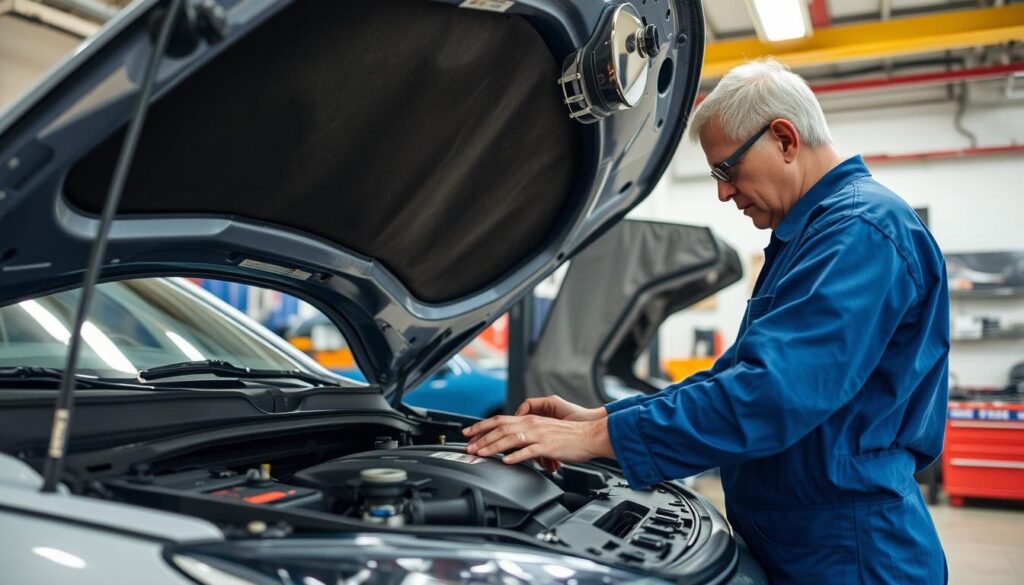
Even if a used car appears to be in great condition, a professional inspection is crucial. This step can help uncover hidden problems that might not be evident during a test drive or initial inspection. A certified mechanic can provide a detailed report on the car’s condition, giving you peace of mind or potentially saving you from a costly mistake.
Find a Trustworthy Mechanic
Finding a trustworthy mechanic is the first step in getting a professional inspection. Look for mechanics who specialize in your car’s make or have experience with similar models. You can ask for referrals from friends, family, or online reviews. Ensure that the mechanic is certified and has a good reputation.
What to Expect During the Inspection
During the inspection, the mechanic will check various aspects of the vehicle, including the engine, transmission, brakes, and suspension. They will also inspect for any signs of needed repairs or potential issues. You can expect a detailed report that may include recommendations for repairs or maintenance.
It’s also a good idea to be present during the inspection to ask questions and understand the mechanic’s findings. This can provide valuable insights into the car’s condition and help you make an informed decision.
A professional inspection can provide a comprehensive view of the car’s condition. Here’s a comparison of what a basic inspection versus a professional inspection might cover:
| Inspection Aspect | Basic Inspection | Professional Inspection |
|---|---|---|
| Engine Condition | Visual check for leaks or damage | Detailed analysis of engine performance and condition |
| Transmission | Basic check for smooth shifting | In-depth check for any signs of wear or needed repairs |
| Brakes | Check for proper function | Detailed inspection of brake pads, rotors, and overall braking system |
| Suspension | Visual inspection for damage | Comprehensive check for wear, alignment, and performance |
Review the Title and Registration
When buying a used car, one of the most critical steps is reviewing the title and registration. This process ensures that the vehicle is legally yours and free from any legal encumbrances. A clean title and proper registration are crucial for a smooth transaction.
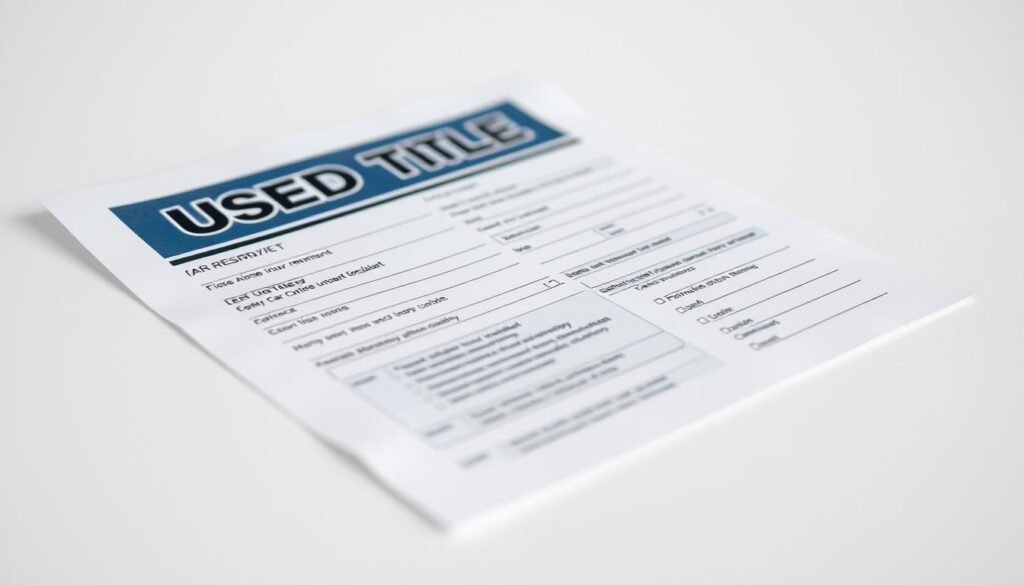
To start, it’s essential to verify the title status. The title is a document that proves ownership, and it should be free of any liens or other encumbrances. A lien on a vehicle means that a lender or other entity has a legal claim to the car until a debt is paid off.
Verify Title Status
Verifying the title status involves checking that the title is genuine and matches the details of the vehicle. You should check the Vehicle Identification Number (VIN) on the title against the VIN on the car to ensure they match. This step is crucial in preventing fraud and ensuring you’re buying a car with a clean history.
As Kiplinger suggests, “Make sure the VIN on the title matches the VIN on the car.” This simple check can save you from potential headaches down the road.
Check for Any Liens
Checking for any liens on the vehicle is another vital step. You can do this by using the VIN to run a lien check through the relevant state’s Department of Motor Vehicles (DMV) or by using a third-party service. If a lien is found, it must be resolved before the purchase can be completed.
A quote from
“The National Insurance Crime Bureau warns that a vehicle with a salvaged or rebuilt title may indicate significant past damage.”
This highlights the importance of thorough checks.
By carefully reviewing the title and registration, you can avoid potential legal issues and ensure that your used car purchase is a sound investment. Following these used car tips can help you navigate the process with confidence.
Negotiate the Price
When buying a second-hand car, negotiating the price is a crucial step that requires research and confidence. As Mark Cuban once said, “The best deals are made when you’re willing to walk away.” This mindset is key to successful negotiations.
Do Your Homework on Pricing
To negotiate effectively, you need to know the market value of the car you’re interested in. Resources like the Canadian Black Book or Kelley Blue Book provide valuable data on used car prices. By understanding the car’s worth, you can make an informed offer and counteroffer if necessary.
For instance, if the Kelley Blue Book value of the car is $15,000, but the seller is asking for $17,000, you can use this information to negotiate a price closer to the Blue Book value. It’s essential to be prepared with data to support your negotiation.
Be Prepared to Walk Away
One of the most powerful tools in your negotiation arsenal is the willingness to walk away. If the deal isn’t right, being prepared to walk away can give you leverage. Sellers often want to make a sale, and if you’re not willing to meet their price, they may be more willing to negotiate.
“You don’t have to be great to start, but you have to start to be great.” –
This quote emphasizes the importance of taking the first step and being proactive in negotiations. By being informed and confident, you can secure a better deal on your used car.
Consider Additional Costs
Used car buyers should be aware of the extra costs associated with ownership. While the purchase price is a significant upfront cost, other expenses can add up over time.
Factor in Taxes and Fees
When buying a used car, taxes and fees are a significant part of the additional costs. These can include sales tax, registration fees, and title transfer fees. The amount of sales tax you’ll pay varies by state, so it’s essential to check your local tax rates. Registration fees also differ by state and are typically based on the vehicle’s value or age.
Here’s a breakdown of potential taxes and fees:
| Fee Type | Description | Average Cost |
|---|---|---|
| Sales Tax | Tax on the purchase price of the vehicle | 5-8% of purchase price |
| Registration Fee | Annual fee to register the vehicle | $20-$200 |
| Title Transfer Fee | Fee to transfer the vehicle’s title | $10-$50 |
Plan for Future Repairs
Used cars may require more maintenance than new vehicles. Planning for future repairs can help you budget accordingly. Consider setting aside a portion of your budget each month for potential repairs.
Some common repairs to anticipate include:
- Replacement of worn-out tires
- Brake pad replacements
- Potential engine or transmission repairs
By understanding these additional costs, you can make a more informed decision when buying a used car. It’s also a good idea to research the car’s history and condition to estimate potential future expenses.
Understand Warranties and Guarantees
When purchasing a used car, understanding the warranties and guarantees available can be a crucial factor in making an informed decision. Warranties and guarantees provide a level of security and assurance, helping buyers avoid potential pitfalls.
Warranties and guarantees can vary significantly between different sellers and vehicles. Some used cars may still be under the manufacturer’s warranty, while certain dealers might offer their own guarantees.
Research Manufacturer Warranties
Manufacturer warranties can be a significant advantage when buying a used car. These warranties typically cover repairs and replacements for parts and labor for a specified period or number of miles.
To determine if a used car is still under warranty, you can:
- Check the owner’s manual or warranty documentation
- Contact the manufacturer directly with the vehicle’s VIN
- Review the vehicle’s history report
Look for Dealer Guarantees
Some dealers offer guarantees on used vehicles, which can provide additional peace of mind. These guarantees might cover certain repairs or maintenance for a limited time.
When evaluating dealer guarantees, consider the following:
| Guarantee Type | Coverage Duration | Parts Covered |
|---|---|---|
| Basic Guarantee | 30 days or 1,000 miles | Major engine components |
| Premium Guarantee | 6 months or 6,000 miles | Engine, transmission, and electrical systems |
It’s crucial to carefully review the terms and conditions of any guarantee to understand what is covered and for how long.
Finalize the Paperwork
To ensure a smooth transaction, it’s essential to have all the required documents in order when buying a used car. This step is crucial in the secondhand car buying process, as it confirms the sale and transfers ownership legally.
Essential Documents to Obtain
When finalizing the purchase, you’ll need to gather several key documents. These include the vehicle title, registration, and any service records available. The vehicle title is particularly important as it proves ownership; ensure it’s free of any liens.
- Vehicle Title: Verifies the seller’s ownership and ensures the title is clean.
- Registration: Confirms the vehicle is registered and any registration issues are resolved.
- Service Records: Provides a history of maintenance and repairs, giving insight into the vehicle’s condition.
Ensure Everything is in Order
Before signing off on the purchase, double-check that all documents are accurate and complete. Verify that the Vehicle Identification Number (VIN) on all documents matches the VIN on the vehicle. This step is vital to avoid any future legal or ownership issues.
Checking the VIN is a simple yet effective way to ensure all documents pertain to the vehicle you’re purchasing. Any discrepancy could indicate a problem with the paperwork or the vehicle’s history.
Drive Away Confidently
After completing the purchase of your used car, it’s essential to follow through on any commitments made during the buying process. This includes adhering to any agreements or warranties provided by the seller or dealer, ensuring that your new vehicle remains in good condition.
Post-Purchase Agreements
Following up on any post-purchase agreements is crucial. Review the terms of any warranties or guarantees, and understand the process for making claims. This helps in addressing any potential issues promptly, providing peace of mind as you drive away in your new used car.
Maintenance for Longevity
Staying informed about your vehicle’s maintenance needs is vital for its longevity. Regular checks and servicing can help prevent major repairs. By following the manufacturer’s recommended maintenance schedule, you can enjoy your used car for years to come, making the most of your investment with valuable used car tips.
FAQ
What are the key factors to consider when determining my budget for a used car?
How can I research a used car’s history?
What should I look for during a test drive?
Why is a professional inspection important when buying a used car?
What should I check when reviewing the title and registration?
How can I negotiate the price of a used car effectively?
What additional costs should I consider when buying a used car?
What should I know about warranties and guarantees when buying a used car?
What are the essential documents to obtain when finalizing the purchase of a used car?
How can I ensure my used car remains in good condition after purchase?