




Discover how Adaptive Cruise Control (ACC) is making driving safer and more comfortable. Learn how it works, its benefits, and why it’s a must-have feature in modern vehicles.
What is Adaptive Cruise Control?
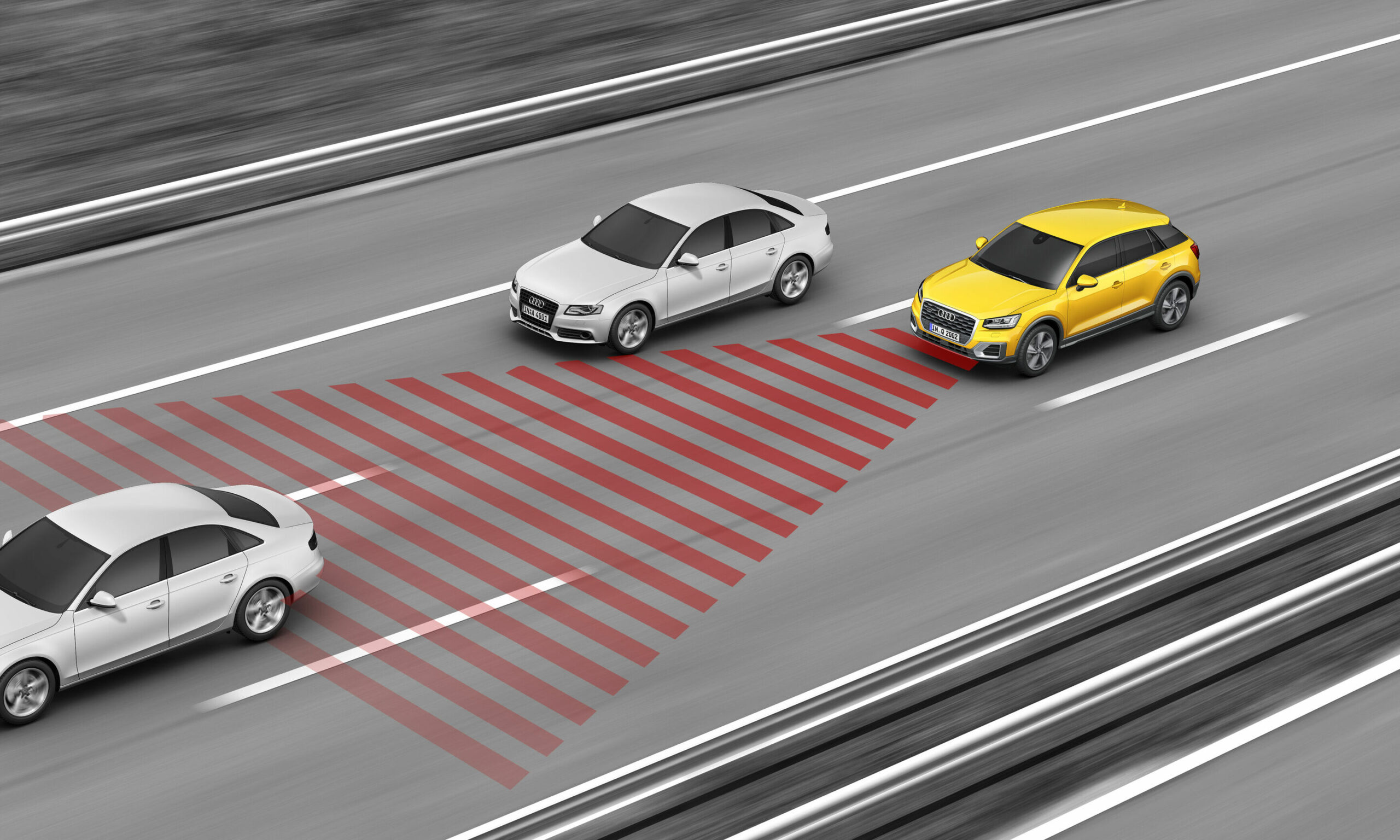
Adaptive Cruise Control (ACC) is an advanced driver assistance system that automatically adjusts your car’s speed to maintain a safe distance from the vehicle ahead. Unlike traditional cruise control, ACC uses radar and cameras to detect traffic conditions and slow down or speed up accordingly — making your drive smarter, safer, and more relaxing.
How Adaptive Cruise Control Works
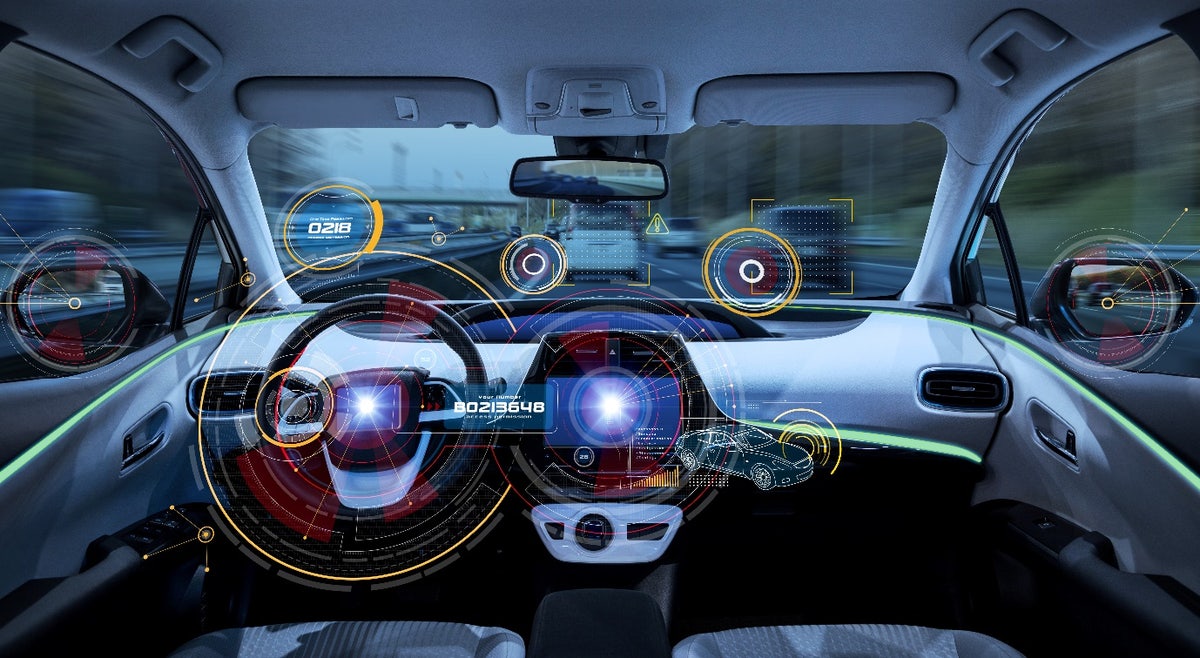
Adaptive Cruise Control combines radar sensors and forward-facing cameras to monitor the road ahead.
Here’s the process:
- Set Your Speed – The driver sets a desired cruising speed, just like standard cruise control.
- Detect Vehicles Ahead – The system scans the road for slower-moving vehicles.
- Automatic Adjustments – If a vehicle is detected, ACC automatically slows your car to maintain a safe following distance.
- Return to Set Speed – Once the lane clears, the system accelerates back to your chosen speed.
Some modern ACC systems also feature Stop & Go functionality, allowing them to bring the car to a complete stop and resume automatically in heavy traffic.

Key Benefits of Adaptive Cruise Control
1. Safer Driving
Maintains a safe gap between you and the vehicle ahead, reducing the risk of rear-end collisions.
2. Reduced Driver Fatigue
On long highway trips, ACC minimizes constant acceleration and braking, helping you stay more relaxed.
3. Improved Fuel Efficiency
Smooth speed adjustments can help improve fuel economy, saving you money on gas.
4. Better Traffic Management
In heavy traffic, adaptive systems prevent sudden stops and starts, improving traffic flow.
When to Use Adaptive Cruise Control
- Highway Driving – Ideal for long, straight stretches with consistent speeds.
- Heavy Traffic – ACC with Stop & Go can handle slow-moving congestion.
- Daily Commutes – Reduces stress during repetitive driving routes.
Limitations You Should Know
While Adaptive Cruise Control is a powerful safety feature, it’s not perfect.
- Weather Impact – Heavy rain, snow, or fog can affect sensor performance.
- Not a Substitute for Attention – Drivers must remain alert and ready to take control.
- Lane Detection Limitations – ACC is less effective on winding roads or poor lane markings.
Watch this video:
The Future of Driving
Adaptive Cruise Control is a stepping stone toward fully autonomous vehicles. As technology evolves, ACC will integrate with lane-keeping assistance, traffic sign recognition, and even vehicle-to-vehicle communication, making driving safer and more efficient for everyone.
If you’re buying a new car or upgrading your current one, Adaptive Cruise Control is one of the smartest investments you can make for safety, comfort, and convenience.