



Introduction
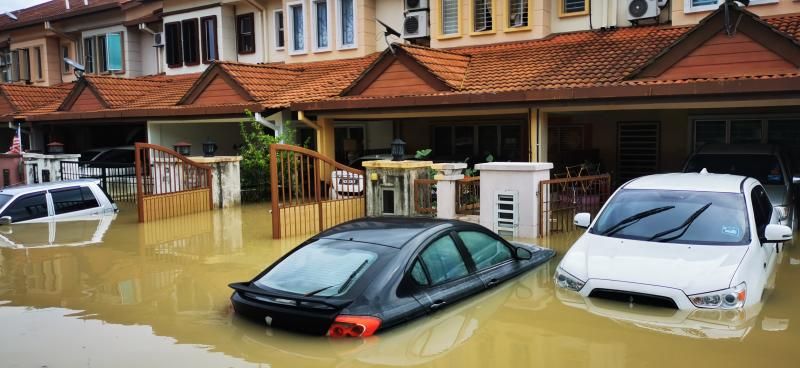
Buying a used car can save you money, but if you’re not careful, you might end up with a flood-damaged vehicle — and not even know it. After major floods, some damaged cars are cleaned up and sold without proper repair. These cars may look fine on the outside, but they often have hidden issues that can lead to serious problems later.
Here’s how expert mechanics check for signs of water damage — and how you can protect yourself before buying a car.
Why Flood-Damaged Cars Are Risky
Flood water can destroy a car’s electrical system, engine, brakes, and safety features. Even if the car runs now, damage can appear months later, especially with corrosion, mold, or short circuits.
Worse, some sellers try to hide the damage — making it even harder for buyers to notice.
Signs of Flood Damage You Can Check
1. Musty or Moldy Smell
A strong damp smell inside the car, especially in the seats or carpet, is a big red flag. Mold can grow in hidden areas even after cleaning.
2. Stained or Damp Carpet
Lift the edge of the carpet in the trunk or under the seats. If it feels wet, dirty, or has water lines, the car may have been submerged.
3. Rust in Unusual Areas
Check for rust on:
- Seat rails
- Under the dashboard
- Inside the engine bay
- Around bolts or door hinges
Rust in strange places usually means the car was underwater.
4. Foggy or Water-Stained Lights
Look closely at the headlights and taillights. Water inside these areas can cause foggy lenses or visible water lines.
5. Electrical Problems
Test all electronics:
- Power windows
- Radio
- Dashboard lights
- Air conditioning
- Wipers
If anything works strangely or not at all, it could be from water damage.
Check the Vehicle History
Always ask for a vehicle history report using the car’s VIN (Vehicle Identification Number). Services like Carfax or AutoCheck may show if the car has been listed as flood-damaged or salvaged.
Bring a Trusted Mechanic
If you’re unsure, take the car to a trusted mechanic. They can inspect hard-to-reach areas and use tools to detect moisture or corrosion inside the car’s systems.
Don’t Rely Only on Looks
A car can be cleaned and polished to look brand new — but water damage goes deeper than surface shine. Be cautious with deals that seem “too good to be true.”
Final Tip
Buying a used car is a big decision. Don’t rush. Knowing how to spot a flood-damaged car can save you from future headaches and expensive repairs. Use this checklist, ask questions, and always inspect carefully before making a deal.