




Protect your car’s automatic transmission and extend its lifespan. Discover 3 things you should never do to your automatic transmission, plus expert tips on maintenance and care.
Automatic transmissions have revolutionized the way we drive, offering comfort, convenience, and efficiency. Unlike manual gearboxes, automatic systems handle gear shifting seamlessly, making them ideal for city traffic and long highway drives. However, despite their durability, automatic transmissions are sensitive mechanical systems that require proper care. Even a small mistake can lead to costly repairs, sometimes exceeding USD $3,500–$5,000 (EUR €3,200–€4,600 / MYR 16,000–23,000 / GBP £2,800–£4,000).
To keep your car running smoothly, let’s look at the 3 things you should never do to your automatic transmission—and what you should do instead.
1. Never Shift Gears While the Car is Moving
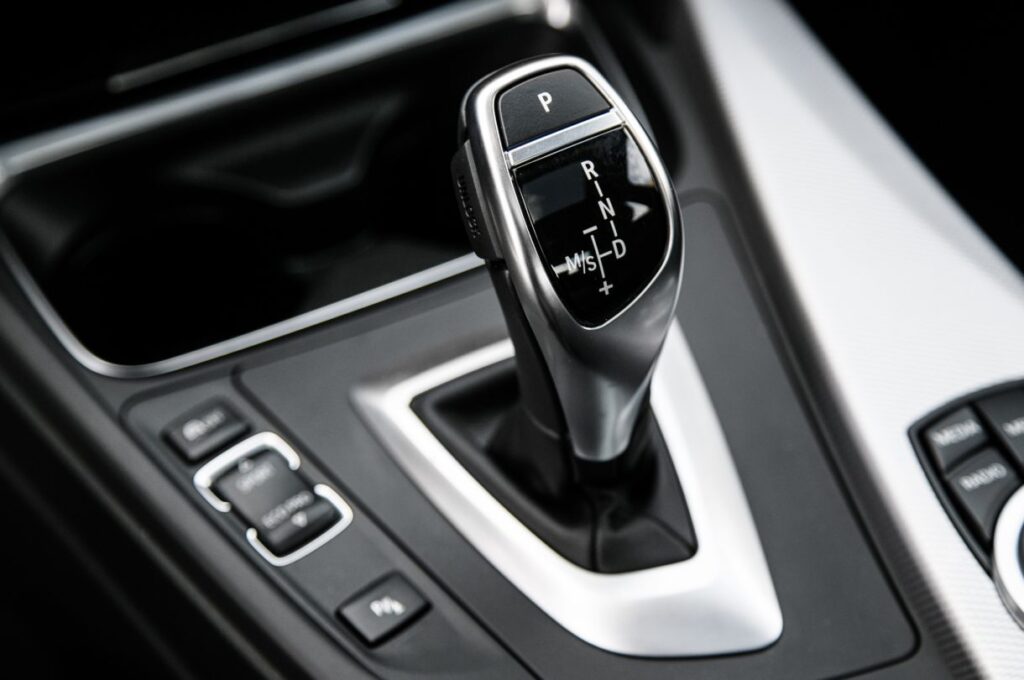
One of the most common mistakes drivers make is shifting directly from “Drive (D)” to “Reverse (R)” or “Park (P)” while the vehicle is still rolling.
Why it’s Harmful
- Automatic transmissions rely on synchronizers and planetary gears to engage smoothly.
- Shifting while moving puts instant stress on the transmission’s internal components, especially the parking pawl and clutches.
- Over time, this leads to premature wear, jerky movements, and in severe cases, total transmission failure.
Best Practice: Always bring your car to a complete stop before switching between Drive, Reverse, or Park.
2. Never Drive with Low or Old Transmission Fluid
Transmission fluid is the lifeblood of an automatic gearbox. It lubricates gears, cools components, and ensures smooth gear shifting.
Why it’s Harmful
- Low fluid levels cause overheating, slipping, or delayed gear shifts.
- Old or dirty fluid loses its protective properties, leading to increased friction and eventual gearbox damage.
Best Practice:
- Check your transmission fluid at least once every 5,000 miles (8,000 km).
- Change fluid and filters every 30,000–60,000 miles (48,000–96,000 km) (or as per manufacturer’s recommendation).
- Use only the OEM-specified transmission fluid for your car model.
3. Never Tow or Overload Beyond the Car’s Capacity
Many automatic cars, especially sedans and smaller SUVs, are not designed for heavy towing.
Why it’s Harmful
- Excessive weight forces the transmission to work harder, generating extreme heat.
- Overheating is the #1 killer of automatic transmissions.
- Continuous overloading may cause the torque converter to fail, resulting in expensive repairs.
Best Practice:
- Always check your car’s towing capacity in the owner’s manual.
- If towing often, consider installing a transmission cooler.
- Avoid carrying unnecessary heavy loads in your car.
Watch this video:
Bonus Tips for Automatic Transmission Care
- Warm up your car in cold weather: Allow transmission fluid to circulate before driving aggressively.
- Avoid “neutral coasting”: Shifting to Neutral while driving downhill can reduce lubrication and control.
- Service regularly: Follow your manufacturer’s schedule for fluid checks, filter changes, and software updates.
Conclusion
Automatic transmissions are built to last, but careless habits can shorten their lifespan dramatically. By avoiding gear shifts while moving, maintaining proper fluid levels, and respecting your car’s load capacity, you can ensure smooth performance for years to come.
Think of it this way: spending a little time on maintenance today saves thousands of dollars in repairs tomorrow.