





Replacing your vehicle’s air filter is a simple yet crucial maintenance task that can significantly improve your vehicle’s performance and fuel efficiency. A dirty or clogged air filter can lead to decreased engine performance, reduced fuel efficiency, and potentially cause damage to your engine over time.
By learning how to replace your car’s air filter, you can save money on mechanic fees and ensure your vehicle runs smoothly. This guide will walk you through the signs that indicate it’s time for a change and provide a step-by-step guide on how to do it yourself.
Key Takeaways
- Understand the importance of regular air filter replacement
- Learn to identify signs that indicate it’s time for a change
- Get a step-by-step guide on DIY air filter replacement
- Discover how a clean air filter improves vehicle performance
- Save money by doing it yourself
What Is a Car Air Filter?
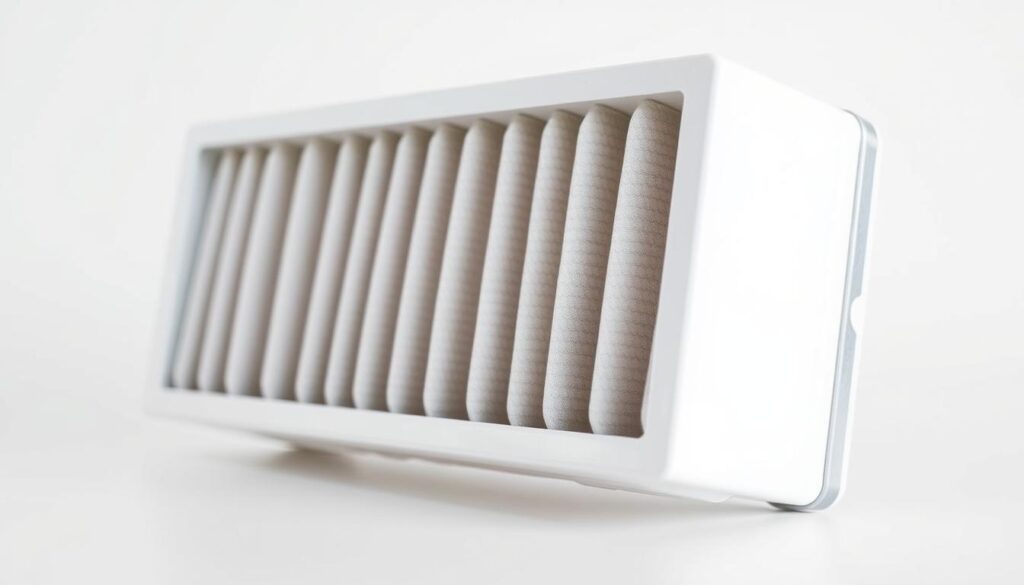
The air filter in your vehicle plays a vital role in ensuring the engine receives the clean air it needs to run efficiently. Essentially, it’s a barrier that prevents dust, dirt, and other contaminants from entering the engine, thus protecting it from potential damage and maintaining its performance.
Importance of the Air Filter
The air filter is crucial for several reasons:
- It prevents contaminants from entering the engine, thus reducing wear and tear.
- It helps in maintaining optimal engine performance by ensuring that the air-fuel mixture is not compromised by dirt or debris.
- A clean air filter can improve fuel efficiency, as a dirty filter can cause the engine to work harder, thus consuming more fuel.
How It Works
The air filter works by trapping dust, pollen, and other particles that could otherwise enter the engine. The filtered air then passes through to the engine, where it’s mixed with fuel for combustion. A clean air filter ensures that this process happens efficiently, supporting optimal engine performance.
Common Types of Air Filters
There are several types of air filters available, including:
- Paper Filters: These are the most common type and are known for their effectiveness in filtering out contaminants.
- Cotton Filters: These are reusable and can be cleaned and reinstalled, making them a cost-effective option for some car owners.
- Synthetic Filters: These offer high efficiency and can be more durable than paper filters, though they may be more expensive.
Understanding the type of air filter your car uses is essential for maintaining its health and performance. Regular checks and replacements are crucial, as a dirty air filter can lead to decreased engine performance and potentially cause long-term damage.
Signs You Need to Replace Your Air Filter
Knowing when to replace your air filter is key to ensuring your car runs smoothly and effectively. A well-maintained air filter is crucial for optimal engine performance, fuel efficiency, and overall vehicle health.
Decreased Engine Performance
One of the most common signs that your air filter needs replacement is a noticeable decrease in engine performance. If your car is not accelerating as it should or feels sluggish, it might be due to a dirty or clogged air filter. A clean air filter ensures that your engine receives the airflow it needs to perform optimally.
Symptoms of decreased engine performance include:
- Slow acceleration
- Rough idling
- Misfires or hesitation
Unpleasant Odors
Unpleasant odors emanating from your car’s vents can be another indicator that your air filter is due for a replacement. A dirty air filter can harbor mold, dust, and other contaminants that can cause bad smells. Replacing your air filter can help eliminate these odors and improve the overall air quality inside your vehicle.
To avoid unpleasant odors, consider the following:
- Regularly inspect your air filter
- Replace your air filter as recommended by your vehicle’s manufacturer
- Keep your car’s interior clean and dry
Reduced Fuel Economy
A dirty or clogged air filter can also lead to reduced fuel economy. When your engine is not getting the airflow it needs, it can cause your car to consume more fuel than usual. By replacing your air filter, you can help maintain your car’s fuel efficiency and save on gas.
Tips for improving fuel economy:
- Regularly check and replace your air filter
- Maintain proper tire pressure
- Drive smoothly and avoid hard acceleration
By being aware of these signs and taking proactive steps to replace your air filter, you can ensure your car continues to run efficiently and effectively. A DIY air filter change is a simple and cost-effective way to maintain your vehicle’s health.
How Often Should You Replace Your Air Filter?
The frequency of air filter replacement is a common query among car owners, and the answer depends on several factors. Understanding these factors is crucial for maintaining your vehicle’s performance and overall health.
Manufacturer Recommendations
Most car manufacturers suggest replacing the air filter every 15,000 to 30,000 miles. However, this is just a general guideline. It’s essential to consult your vehicle’s owner’s manual for the manufacturer’s specific recommendation. Some cars may require more frequent replacements based on their design and the materials used in their air filtration systems.
Driving Conditions Impact
Driving conditions play a significant role in determining how often you should replace your air filter. For instance:
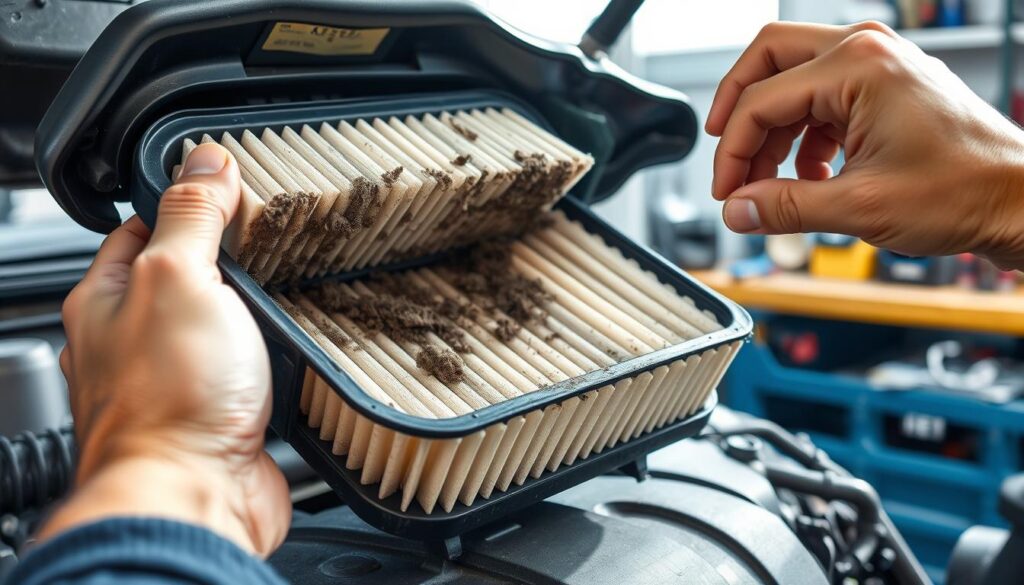
- If you drive in dusty or polluted areas, your air filter will get clogged faster, requiring more frequent replacements.
- Driving on dirt roads or in areas with high levels of air pollution can also necessitate more frequent air filter replacements.
- City driving, with its stop-and-go traffic, can be more stressful on your air filter compared to highway driving.
General Maintenance Guidelines
As part of your regular vehicle maintenance, it’s a good idea to check your air filter during oil changes or other routine services. Here are some general guidelines to follow:
| Driving Condition | Recommended Replacement Interval |
|---|---|
| Normal Driving | 15,000 to 30,000 miles |
| Dusty or Polluted Areas | 5,000 to 15,000 miles |
| Extreme Conditions | As recommended by the manufacturer or based on visible condition |
By following these guidelines and being mindful of your driving conditions, you can ensure your car’s air filter is replaced at the right time, maintaining your vehicle’s performance and fuel efficiency.
Tools You’ll Need for Air Filter Replacement
Before diving into the air filter replacement process, it’s crucial to gather the necessary tools. Having everything you need within reach will make the task more efficient and less frustrating.
Basic Tools Required
For most car air filter replacements, you’ll need a few basic tools. These typically include a screwdriver, usually a Phillips head, and pliers for handling any clips or fasteners. Ensuring these tools are readily available will streamline the process.
Specialty Tools for Specific Models
Some car models may require specialty tools for air filter replacement. It’s essential to consult your vehicle’s manual or manufacturer’s website to determine if any specific tools are needed. Using the correct tools will prevent damage to your car’s air filter housing.
Safety Equipment to Consider
Safety should always be a priority when working on your vehicle. Consider wearing gloves to protect your hands from dirt and potential cuts, and safety glasses to shield your eyes from debris. These simple precautions can make a significant difference in your safety and comfort during the replacement process.
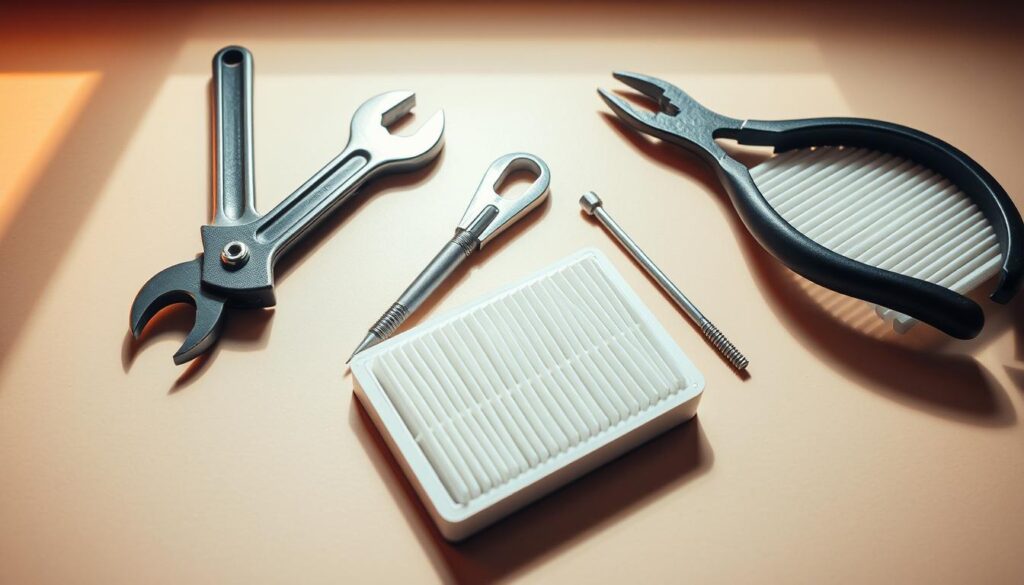
By being prepared with the right tools and safety equipment, you’ll be able to replace your car’s air filter with confidence. This not only ensures the job is done correctly but also helps maintain your vehicle’s performance and efficiency.
Step-by-Step Guide to Replacing Your Air Filter
Replacing your car’s air filter is a simple DIY task that can significantly improve your vehicle’s performance. This process involves a few straightforward steps that can be completed with basic tools.
Locate the Air Filter Housing
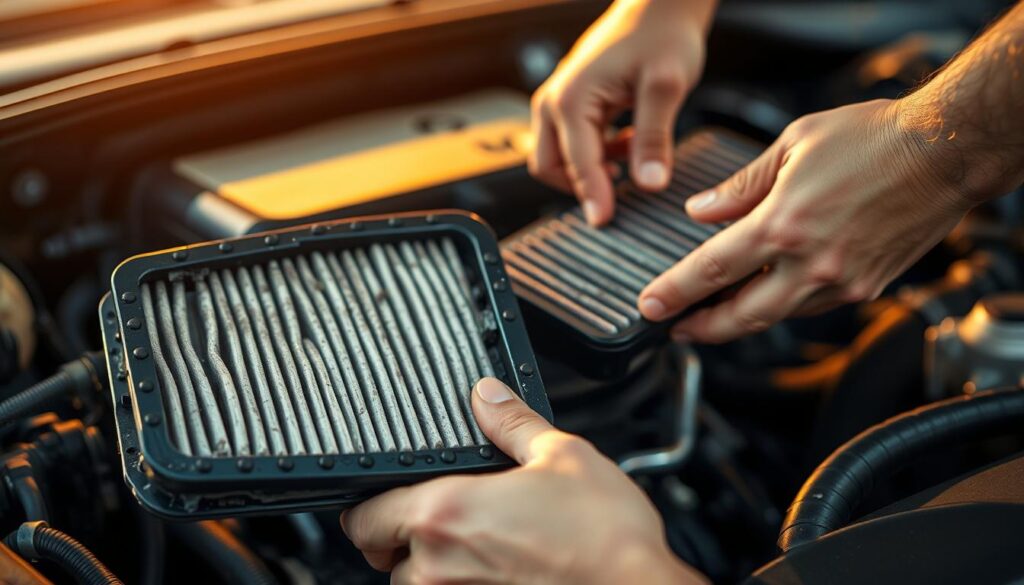
The first step is to locate the air filter housing, which is typically found in the engine compartment. It’s usually a plastic or metal box with a cover that can be opened or removed. Check your vehicle’s manual for the exact location, as it may vary depending on the make and model of your car.
Remove the Old Filter
Once you’ve located the air filter housing, open it and carefully remove the old air filter. Inspect the housing for any debris or dirt and clean it out if necessary. This ensures that your new filter works efficiently and effectively.
Tip: Be gentle when handling the old filter to avoid releasing any dust or debris into the air.
Install the New Filter
Take the new air filter and insert it into the housing, making sure it’s properly seated and the gaskets are in place. Close the housing cover, ensuring it’s securely fastened. Check that the new filter is not damaged and is the correct type for your vehicle.
Remember, a correctly installed air filter can improve your car’s fuel efficiency and overall performance.
Choosing the Right Replacement Air Filter
A high-quality air filter is vital for your car’s engine health, and there are several factors to consider when selecting one. The right air filter ensures optimal engine performance, fuel efficiency, and longevity.
OEM vs. Aftermarket Filters
When it comes to replacement air filters, you have two primary options: Original Equipment Manufacturer (OEM) filters and aftermarket filters. OEM filters are made by the vehicle’s manufacturer or to the manufacturer’s specifications, ensuring a precise fit and performance. Aftermarket filters, on the other hand, are produced by third-party companies and can offer similar or sometimes superior quality at varying price points.
Aftermarket filters can be a cost-effective alternative, but it’s crucial to choose a reputable brand to ensure quality and compatibility. Some aftermarket filters are designed to offer improved performance, such as increased airflow or enhanced filtration efficiency.
Factors to Consider
When choosing a replacement air filter, several factors come into play. Filter efficiency is paramount, as it directly affects the engine’s performance and longevity. Look for filters with a high dust-holding capacity and those that meet or exceed OEM standards.
Other factors include the filter’s durability, compatibility with your vehicle, and the manufacturer’s reputation. It’s also worth considering the environmental impact of the filter, including its recyclability and the materials used in its construction.

Recommended Brands
Several brands are known for producing high-quality air filters that meet or exceed OEM standards. These include well-known names in the automotive industry, such as Fram, Purolator, and K&N. When selecting a brand, consider factors such as filter performance, price, and warranty offered.
It’s also beneficial to read reviews and consult with mechanics or car enthusiasts to find the best air filter for your specific needs. By choosing a high-quality air filter from a reputable brand, you can ensure your engine remains well-protected and performs optimally.
Cost of Car Air Filter Replacement
Car air filter replacement costs can differ based on whether you opt for DIY or professional services. Understanding these costs is essential for budgeting and maintaining your vehicle’s health.
DIY vs. Professional Services
Choosing to replace your car’s air filter yourself is generally the more cost-effective option. The primary expense is the filter itself, which can range from $10 to $50, depending on the type and brand. On the other hand, opting for professional services can cost between $50 to $150, including labor.
DIY air filter change is straightforward and requires minimal tools, making it an attractive option for those looking to save money. However, if you’re not comfortable with DIY maintenance or if your vehicle requires a complex air filter system, professional services might be the better choice.
Average Price Range for Filters
The average price range for car air filters varies widely, from $10 for basic models to over $100 for high-performance filters. The type of filter you need depends on your vehicle’s make, model, and the driving conditions it’s subjected to.
- Basic air filters: $10-$20
- Premium air filters: $20-$50
- High-performance air filters: $50-$100+
Other Costs to Consider
Beyond the cost of the air filter itself, there are other expenses to consider. If you opt for professional installation, labor costs will be added to the total bill. Additionally, some vehicles may require special tools for air filter replacement, which could be an extra cost if you don’t already have them.
It’s also worth considering the potential savings from regular air filter maintenance. A clean air filter can improve your vehicle’s fuel efficiency and overall performance, potentially saving you money in the long run.
Environmental Impact of Air Filters
Car air filters play a significant role in not only ensuring the efficiency of our vehicles but also in mitigating their environmental impact. By filtering out contaminants, air filters help reduce the emissions produced by engines, thus contributing to cleaner air quality.
Role in Emissions Control
Air filters are crucial in controlling emissions by preventing dust, pollen, and other pollutants from entering the engine. This not only improves engine performance but also reduces the amount of harmful emissions released into the atmosphere. According to the Environmental Protection Agency (EPA), maintaining a clean air filter can significantly reduce a vehicle’s emissions.
- Reduces particulate matter emissions
- Improves fuel efficiency
- Enhances overall engine performance
Recycling Old Filters
When it’s time to replace your air filter, consider the environmental impact of disposing of the old one. Many manufacturers and auto parts stores offer filter recycling programs. For instance, some companies collect used filters and recycle the materials, reducing waste and the demand for new raw materials.
Benefits of Recycling Air Filters:
- Conserves natural resources
- Reduces landfill waste
- Decreases the carbon footprint associated with producing new filters
Sustainable Filter Options
In response to growing environmental concerns, some manufacturers are developing sustainable air filter options. These filters are made from eco-friendly materials and are designed to be recyclable or biodegradable. When selecting a replacement air filter, consider options that align with your environmental values.
As noted by
“The importance of reducing our ecological footprint extends to every aspect of our daily lives, including the maintenance of our vehicles.”
By choosing eco-friendly air filters and participating in recycling programs, vehicle owners can contribute to a more sustainable automotive practice.
Maintenance Tips for Your Air Filter
To keep your engine running smoothly, it’s crucial to maintain your air filter regularly. A well-maintained air filter ensures that your car’s engine receives the clean air it needs to operate efficiently.
Regular Checkup Frequency
Checking your air filter regularly is the first step in maintaining it. The frequency of these checkups can vary depending on your vehicle’s manufacturer recommendations and your driving conditions. Typically, you should check your air filter every 5,000 to 15,000 miles.
For drivers who frequently drive in dusty or polluted areas, more frequent checks may be necessary. Refer to your vehicle’s owner’s manual for specific guidance on checkup frequency.
Cleaning vs. Replacing
Not all air filters can be cleaned; some need to be replaced. If your air filter is designed to be cleaned, make sure to follow the manufacturer’s instructions to avoid damaging it. For filters that cannot be cleaned, replacement is the best option.
Replacing your air filter is a straightforward process that can significantly impact your car’s performance. Ensure you purchase a filter that matches your vehicle’s specifications.
Signs of Damage to Look For
When inspecting your air filter, look for signs of damage such as tears, holes, or excessive dirt buildup. If you notice any of these issues, it’s time to replace your air filter.
Regular maintenance of your air filter will help extend its lifespan and ensure your car runs efficiently. By following these tips, you can keep your engine breathing freely and maintain your car’s overall performance.
Conclusion: Keep Your Engine Breathing Freely
Replacing your car’s air filter is a simple yet vital task that can significantly impact your vehicle’s performance and longevity. By understanding the importance of air filter replacement and following the steps outlined in this guide, you can keep your engine running smoothly.
Maintaining Performance
A clean air filter ensures optimal engine performance, improves fuel efficiency, and reduces emissions. Regularly checking and replacing your air filter is crucial to maintaining your vehicle’s overall health.
Take Action
Now that you know how to replace your car air filter, it’s time to take action. Perform a DIY air filter change to save money and gain a better understanding of your vehicle’s maintenance needs. If you’re unsure about how to replace car filter or need further guidance, consult your owner’s manual or seek professional assistance.
Additional Resources
For more information on car maintenance and other DIY tasks, explore our additional resources. Learn how to keep your vehicle in top condition and discover new ways to save time and money on car repairs.