




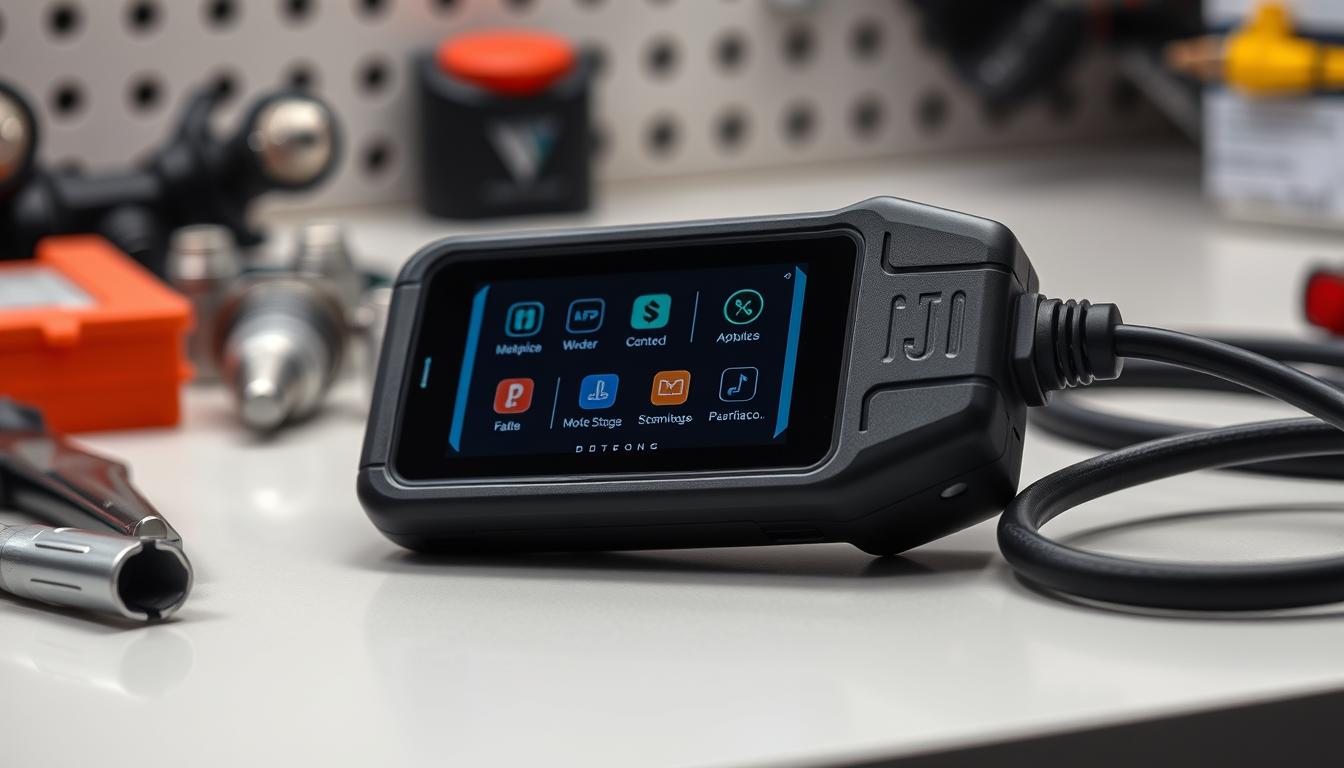
For DIY mechanics, having the right equipment is crucial to identify and fix vehicle issues efficiently. OBD2 scanners have revolutionized the way DIY enthusiasts approach car repairs, enabling them to diagnose problems quickly and accurately.
With the right car diagnostic tools, DIY mechanics can save time and money by performing repairs themselves. These tools also improve overall vehicle performance by allowing for precise diagnoses and targeted repairs.
Key Takeaways
- OBD2 scanners simplify the diagnosis process for DIY mechanics.
- Having the right tools can save time and money.
- DIY repairs improve overall vehicle performance.
- Car diagnostic tools enable precise diagnoses.
- Targeted repairs reduce the need for costly professional services.
Understanding Car Diagnostic Tools
For anyone looking to understand their vehicle’s issues, car diagnostic tools are indispensable. These tools have become essential for DIY mechanics who want to diagnose and fix problems without relying on professional mechanics.
What Are Car Diagnostic Tools?
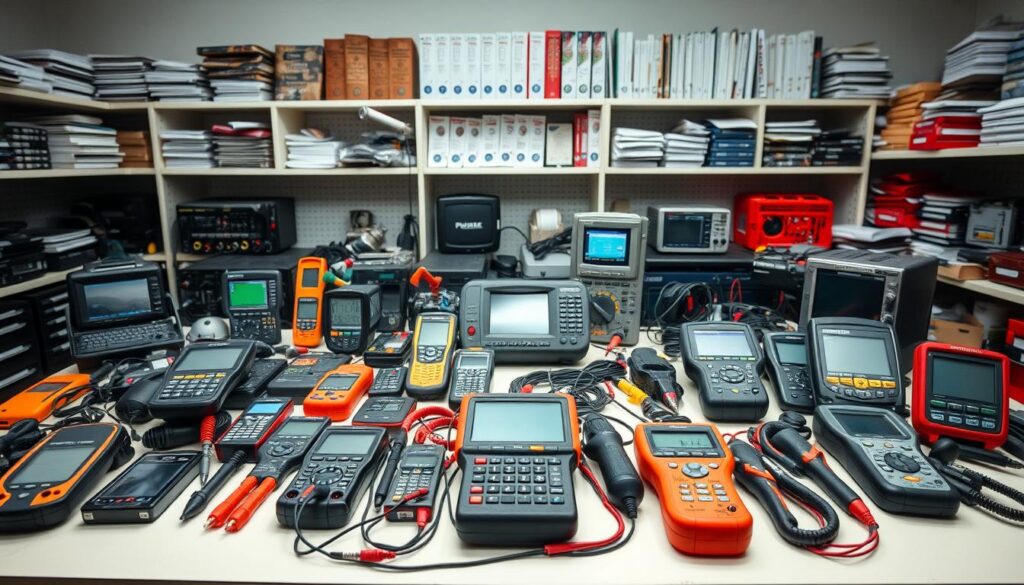
Car diagnostic tools are electronic devices that process electronic signals to provide data useful for diagnosing car problems. They range from simple multimeters that measure electrical voltage, current, and resistance, to complex OBD-II scanners that can read trouble codes and monitor engine performance.
How Do They Work?
Diagnostic tools work by connecting to your vehicle’s onboard computer system, typically through the OBD-II port. Once connected, they can retrieve diagnostic trouble codes (DTCs) stored in the system, which indicate specific issues with your vehicle. For instance, an engine code reader can help identify problems like faulty oxygen sensors or catalytic converter failures.
Some advanced diagnostic tools, like OBD2 scanners, can also provide real-time data on engine performance, allowing you to monitor parameters such as engine speed, fuel trim, and coolant temperature. This information is invaluable for diagnosing intermittent problems and understanding how different systems interact within your vehicle.
Importance of Diagnostic Tools for DIY Mechanics
Diagnostic tools empower DIY mechanics by providing them with the knowledge needed to make informed repair decisions. These tools are not just accessories; they are essential for anyone looking to take control of their car’s maintenance and repairs.
Benefits of Using Diagnostic Tools
Using diagnostic tools offers several benefits to DIY mechanics. Firstly, they enable early problem detection, which can prevent minor issues from becoming major repairs. Secondly, diagnostic tools provide detailed information about the car’s condition, allowing mechanics to make informed decisions about repairs.
- Accurate diagnosis of car issues
- Reduced guesswork in repairs
- Cost savings by avoiding unnecessary repairs
Moreover, diagnostic tools like OBD2 scanners can monitor various car parameters in real-time, giving DIY mechanics a comprehensive view of their vehicle’s health.
Common Issues Identified with Diagnostics
Diagnostic tools are versatile and can identify a wide range of issues, from engine misfires to transmission problems. Some common issues that can be diagnosed include:
| Issue | Description | Typical Diagnostic Tool Used |
|---|---|---|
| Engine Misfire | A condition where the engine’s cylinders do not fire properly | OBD2 Scanner |
| Transmission Slippage | When the transmission fails to engage or disengage gears properly | OBD2 Scanner, Multimeter |
| Faulty Oxygen Sensor | A sensor that measures the oxygen levels in the exhaust gases is malfunctioning | OBD2 Scanner |
By using diagnostic tools, DIY mechanics can quickly identify these issues and take corrective action, ensuring their car runs smoothly and efficiently.
Types of Car Diagnostic Tools
Understanding the different types of car diagnostic tools is crucial for effective vehicle diagnosis and repair. With various tools available, each serving a unique purpose, DIY mechanics can better equip themselves to handle a range of diagnostic tasks.
Code Readers and Scanners
Code readers and scanners are among the most commonly used diagnostic tools. A code reader is designed to read and display trouble codes stored in a vehicle’s onboard computer. These codes provide valuable insights into issues such as engine misfires, faulty sensors, or problems with the emissions system. Scanners, on the other hand, offer more advanced functionality, allowing users not only to read codes but also to clear them, perform system checks, and even reprogram certain vehicle settings.
OEM Diagnostic Tools
OEM (Original Equipment Manufacturer) diagnostic tools are designed by car manufacturers for their dealerships and service centers. These tools are highly specific to the manufacturer’s vehicles and offer deep insights into the vehicle’s systems. While they can be more expensive and sometimes limited to specific models, OEM diagnostic tools provide accurate and reliable diagnostics, making them invaluable for serious DIY mechanics.
Multimeters and Oscilloscopes
For more in-depth electrical system diagnostics, multimeters and oscilloscopes are essential. A multimeter measures voltage, current, and resistance, helping diagnose issues with electrical circuits. An oscilloscope takes this a step further by graphically displaying the waveform of electrical signals, allowing for the identification of complex problems that a simple multimeter might miss.
By understanding the functions and applications of these different types of car diagnostic tools, DIY mechanics can make informed decisions about which tools to use for their specific needs, enhancing their ability to diagnose and repair their vehicles effectively.
Features to Look for in a Car Diagnostic Tool
When selecting a car diagnostic tool, several key features can significantly impact your user experience and effectiveness. A good diagnostic tool can make a significant difference in diagnosing and repairing your vehicle.
User-Friendly Interface
A user-friendly interface is crucial for a car diagnostic tool. It ensures that you can navigate through the tool’s functions easily, understand the data it provides, and make informed decisions about your vehicle’s maintenance. Look for a tool with an intuitive design that doesn’t require extensive technical knowledge to operate.
An easy-to-use interface also means less time spent figuring out how to use the tool and more time on actual diagnostics and repairs. This is particularly important for DIY mechanics who may not have extensive experience with complex automotive systems.
Compatibility with Different Vehicles
Compatibility is another vital feature to consider. Your car diagnostic tool should be compatible with your vehicle’s make and model. Some tools are designed to work with specific vehicles, while others are more universal. Ensure that the tool you choose supports the protocols used by your vehicle’s onboard diagnostics (OBD) system, such as OBD-II.
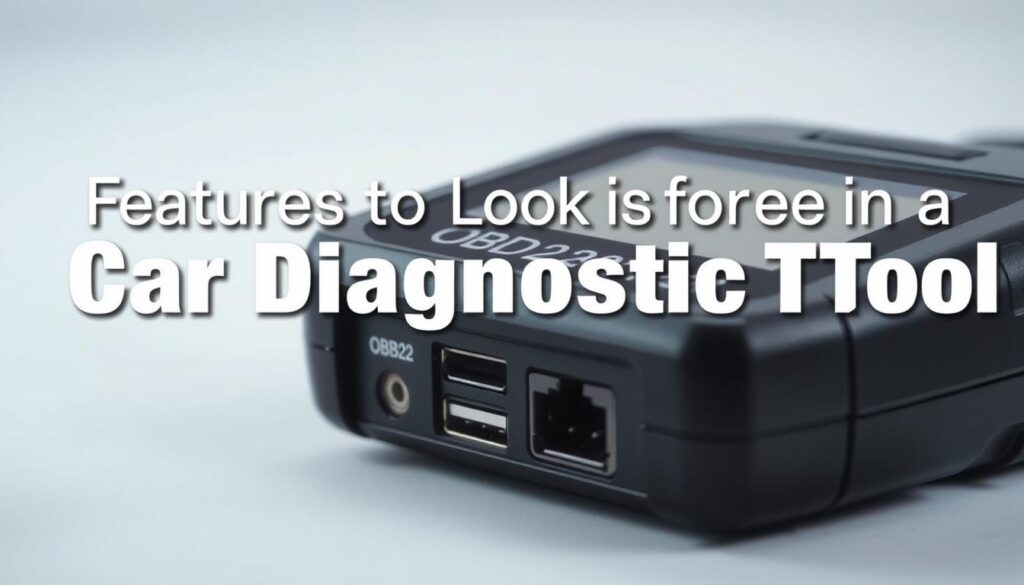
Checking compatibility is essential to avoid frustration and ensure that the tool works as expected. Some diagnostic tools may require additional adapters or cables for certain vehicles, so it’s worth considering these factors when making your selection.
Updateable Software
The ability to update the software of your diagnostic tool is a significant advantage. Automotive technology is constantly evolving, with new vehicle models and diagnostic protocols being introduced regularly. A tool that can be updated ensures that it remains relevant and capable of diagnosing newer vehicles and systems.
Updateable software also means that your tool can be fixed or improved if issues arise, extending its useful life. Look for tools that offer free or low-cost updates, as this can be a significant cost savings over time.
Top Car Diagnostic Tools for DIY Mechanics
The market is flooded with car diagnostic tools, but some stand out for their exceptional performance and features. For DIY mechanics, having the right tool can make a significant difference in diagnosing and repairing vehicle issues efficiently.
Launch X431 V+
The Launch X431 V+ is a highly-regarded diagnostic tool known for its comprehensive functionality and user-friendly interface. It supports a wide range of vehicles, making it a versatile choice for DIY mechanics. Key features include advanced diagnostics, ECU coding, and bi-directional control, allowing for thorough vehicle analysis and repair.
“The Launch X431 V+ has been a game-changer for my DIY projects,” says a seasoned mechanic. “Its ability to diagnose complex issues has saved me time and money.”
BlueDriver Bluetooth Pro OBDII Scan Tool
The BlueDriver Bluetooth Pro OBDII Scan Tool is another top-rated option that offers professional-level diagnostics through a smartphone app. It’s compact, easy to use, and provides detailed reports on vehicle performance.
- Real-time data monitoring
- Enhanced diagnostic capabilities
- User-friendly interface
Autel MaxiCOM MK808
The Autel MaxiCOM MK808 is a powerful diagnostic tool that rivals professional-grade equipment. It features a large touchscreen display and supports a broad spectrum of diagnostic functions, including advanced ECU diagnostics and coding.
With its robust capabilities and intuitive interface, the Autel MaxiCOM MK808 is an excellent choice for serious DIY mechanics looking to tackle complex repairs.
Budget-Friendly Diagnostic Tools
The good news for DIY mechanics is that effective diagnostic tools don’t have to be expensive. With a range of budget-friendly options available, you can keep your car in top condition without breaking the bank.
Top Picks Under $100
For those on a tight budget, there are several diagnostic tools available for under $100 that still offer a robust set of features. One such tool is the Autel AutoLink AL319, praised for its ease of use and comprehensive diagnostic capabilities. Another popular choice is the BlueDriver OBDII Scan Tool, known for its user-friendly interface and compatibility with a wide range of vehicles.
These tools can help you identify issues with your car’s engine, transmission, and other critical systems, allowing you to make informed decisions about repairs.
Best Free Mobile Apps for Diagnostics
In addition to dedicated diagnostic tools, there are several free mobile apps that can aid in car diagnostics. Apps like Torque Pro and OBD Auto Doctor offer a range of features, from reading OBD-II codes to providing real-time data monitoring.
“Using a free mobile app can be a great starting point for DIY mechanics, offering insights into their car’s performance without the initial investment in a dedicated diagnostic tool.”
While these apps can be incredibly useful, it’s essential to understand their limitations. They may not offer the same depth of diagnostic capability as a dedicated tool, but they can still provide valuable information and help you troubleshoot common issues.
Advanced Features for Serious DIYers
Advanced diagnostic tools are equipped with features like real-time data monitoring and customized diagnostics reports, catering specifically to serious DIY mechanics. These features significantly enhance the diagnostic process, allowing for more accurate and efficient repairs.
Real-Time Data Monitoring
One of the standout features of advanced OBD2 scanners is their ability to provide real-time data monitoring. This feature allows DIY mechanics to observe their vehicle’s performance in real-time, making it easier to diagnose issues. With real-time data, mechanics can see the actual values of various vehicle parameters, such as engine speed, coolant temperature, and fuel pressure, as they change.
Real-time data monitoring is particularly useful for diagnosing intermittent problems that can be challenging to identify. By observing the data in real-time, DIY mechanics can catch issues as they occur, rather than relying on stored data or symptoms alone.
Customized Diagnostics Reports
Another valuable feature of advanced diagnostic tools is their ability to generate customized diagnostics reports. These reports can be tailored to include specific data and parameters relevant to the diagnostic task at hand. This feature is particularly useful for DIY mechanics who need to document their findings or share them with others, such as when seeking a second opinion or consulting with a professional mechanic.
Customized diagnostics reports can also help in tracking the history of a vehicle’s maintenance and repairs. By keeping a record of past diagnostics, DIY mechanics can better understand their vehicle’s condition over time and make more informed decisions about future maintenance.
For serious DIYers, these advanced features represent a significant step forward in car diagnostics. By leveraging advanced OBD2 scanners with real-time data monitoring and customized diagnostics reports, mechanics can enhance their diagnostic capabilities and tackle complex repairs with confidence.
How to Choose the Right Diagnostic Tool
For DIY mechanics, selecting the right diagnostic tool is essential for identifying and resolving vehicle issues efficiently. Choosing the right diagnostic tool involves considering several factors that can significantly impact your ability to diagnose and repair your vehicle effectively.
Assessing Your Car’s Make and Model
The first step in choosing the right diagnostic tool is to consider your car’s make and model. Different vehicles may require specific diagnostic tools, so it’s crucial to select a tool that is compatible with your vehicle.
Compatibility is key when it comes to diagnostic tools. Some tools are designed to work with specific vehicle manufacturers, while others offer broader compatibility. For instance, a tool that works with both OBD-I and OBD-II systems can be more versatile.
| Vehicle Make | Recommended Diagnostic Tool | Key Features |
|---|---|---|
| Toyota | Launch X431 V+ | Advanced diagnostic capabilities, bi-directional control |
| Ford | BlueDriver Bluetooth Pro OBDII Scan Tool | User-friendly interface, real-time data monitoring |
| General Motors | Autel MaxiCOM MK808 | Comprehensive diagnostic functions, updateable software |
Considering Your Skill Level
Another critical factor is your skill level as a DIY mechanic. Beginners may prefer tools with a user-friendly interface and straightforward functionality, while more advanced users might look for tools with advanced features like real-time data streaming and customized diagnostics reports.
When assessing your skill level, consider the types of repairs you typically perform and the level of diagnostic detail you need. This will help you narrow down your options and choose a tool that matches your expertise.
DIY Diagnostic Tool Maintenance Tips
To get the most out of your car diagnostic tool, regular maintenance is key. A well-maintained tool not only lasts longer but also provides more accurate readings, which is crucial for effective car diagnostics.
Regular Software Updates
Keeping your diagnostic tool’s software up to date is vital. Manufacturers often release updates to improve performance, add new features, and enhance compatibility with various vehicles. Regularly check the manufacturer’s website for updates and follow their instructions to update your tool’s software.
Keeping Connections Clean
The connections between your diagnostic tool and the vehicle’s OBD-II port can become dirty or corroded over time, leading to poor connectivity and inaccurate readings. Use a soft cloth and appropriate cleaning solutions to keep these connections clean. Ensure that the OBD-II port on your vehicle is also free from debris.
By following these simple maintenance tips, you can ensure your OBD2 scanner or car diagnostic tool remains in good working condition, providing you with reliable diagnostic information for years to come.
Troubleshooting Common Diagnostic Tool Issues
Troubleshooting is a crucial skill for anyone using car diagnostic tools. Diagnostic tools can sometimes be tricky to use, and issues may arise that need to be addressed. In this section, we’ll explore common problems and their solutions.
Error Codes and What They Mean
One of the most common issues with diagnostic tools is understanding error codes. Error codes are generated by your car’s onboard diagnostics system (OBD-II) when it detects a problem. These codes can be retrieved using a diagnostic tool, but understanding what they mean is crucial for effective troubleshooting.
Common Error Codes:
| Code | Description | Possible Cause |
|---|---|---|
| P0128 | Coolant Thermostat (Coolant Temperature Below Thermostat Regulating Temperature) | Faulty thermostat or coolant temperature sensor |
| P0171 | System Too Lean (Bank 1) | Vacuum leak, faulty oxygen sensor, or fuel system issue |
| P0300 | Random/Multiple Cylinder Misfire Detected | Faulty spark plugs, ignition coil, or fuel injector issue |
Understanding these codes can help you identify the root cause of the problem. It’s also important to consult your car’s repair manual or online resources for specific guidance on the codes related to your vehicle.
Connectivity Problems
Another common issue is connectivity problems between the diagnostic tool and your car’s OBD-II port. This can be due to a faulty cable, incorrect settings on the diagnostic tool, or a problem with the OBD-II port itself.
Steps to Troubleshoot Connectivity Issues:
- Check the cable for damage and ensure it’s properly connected.
- Verify that the diagnostic tool is set to the correct protocol for your vehicle.
- Inspect the OBD-II port for debris or corrosion and clean it if necessary.
- Try using a different cable or diagnostic tool to isolate the problem.
By following these steps, you can often resolve connectivity issues and get back to diagnosing your car’s problems.
DIY Mechanics: Learning Resources
To improve their diagnostic skills, DIY mechanics can tap into a wealth of learning resources, including online forums and video tutorials. The key to becoming proficient in using car diagnostic tools lies in understanding how to apply them effectively, and this is where these resources come into play.
Online Forums and Communities
Online forums and communities are invaluable for DIY mechanics. They provide a platform to ask questions, share experiences, and learn from others who may have encountered similar issues. Websites like Reddit’s DIY community and specialized car forums are rich sources of information. Engaging with these communities not only helps in troubleshooting but also keeps you updated on the latest diagnostic techniques.
Tutorials and Video Guides
Tutorials and video guides offer step-by-step instructions on how to use car diagnostic tools. YouTube channels dedicated to DIY car repairs and diagnostic tutorials are particularly useful. They often cover a range of topics, from basic car maintenance to advanced diagnostic techniques. Watching these tutorials can significantly enhance your understanding and skills.
Moreover, many manufacturers of car diagnostic tools provide tutorials and guides on their websites. These resources can be very helpful in understanding the specific features and capabilities of different diagnostic tools.
By leveraging these learning resources, DIY mechanics can enhance their skills, stay updated with the latest diagnostic techniques, and become more proficient in using car diagnostic tools.
Conclusion: Making the Most of Your Diagnostic Tools
Effectively utilizing car diagnostic tools is crucial for DIY mechanics to ensure their vehicles remain in optimal condition. By leveraging these tools, individuals can identify issues promptly and perform necessary repairs, thereby avoiding costly fixes down the line.
Vehicle Maintenance
Regular maintenance is key to prolonging the lifespan of your vehicle. Using an OBD2 scanner, DIY mechanics can monitor their vehicle’s health, diagnose problems, and take corrective action. This proactive approach helps prevent minor issues from becoming major repairs.
Enhancing DIY Skills
Investing in DIY skills is equally important as having the right car diagnostic tools. By developing their skills, DIY mechanics can tackle a wide range of repairs and maintenance tasks, becoming more self-sufficient and confident in their abilities. This, in turn, fosters a deeper understanding of their vehicle’s mechanics and enhances overall maintenance efficiency.
By combining the right diagnostic tools with ongoing skill development, DIY mechanics can ensure their vehicles run smoothly, efficiently, and safely, making the most of their investment in car diagnostic tools.
FAQ
What is an OBD2 scanner, and how does it work?
What are the benefits of using a car diagnostic tool?
What types of diagnostic tools are available for DIY mechanics?
How do I choose the right diagnostic tool for my vehicle?
What are some common issues that can be identified using diagnostic tools?
How do I maintain my diagnostic tool to ensure optimal performance?
What are some advanced features available in diagnostic tools?
Can I use a diagnostic tool on multiple vehicles?
Are there any free diagnostic tools or apps available?