Cadillac F1 has announced its first-ever Formula 1 driver lineup for 2026: seasoned veterans Valtteri Bottas and Sergio Pérez. Here’s why Cadillac chose experience over youth, how it plans to compete, and what this means for the future of American F1 involvement.
The wait is over. After months of speculation, Cadillac Formula 1 has revealed its official driver lineup for the 2026 season—marking the American manufacturer’s long-awaited entry into the world’s most prestigious racing series. Confirming the expectations of many insiders, Cadillac has signed two highly experienced drivers: Valtteri Bottas, former Mercedes-AMG and Sauber driver, and Sergio “Checo” Pérez, a Red Bull Racing race winner.
Instead of placing bets on rising Formula 2 talent or younger former F1 drivers, Cadillac has prioritized experience, leadership, and technical expertise. The announcement also put to rest rumors of Christian Horner joining the team, as Cadillac emphasized its trust in team principal Graeme Lowdon and its leadership structure.
This decision signals Cadillac’s intent: build its F1 foundation with stability, knowledge, and proven racecraft before chasing future stars.
Why Bottas and Pérez?
Both Bottas and Pérez bring something invaluable to Cadillac F1: experience at the very highest level of the sport.
Valtteri Bottas: A proven qualifier and former wingman to Lewis Hamilton during Mercedes’ dominant era, Bottas has 10 race wins and years of experience developing competitive cars. His technical feedback was instrumental in helping Mercedes remain at the top.
Sergio Pérez: Known for tire management, racecraft, and his victory pedigree with Racing Point and Red Bull, Pérez has 6 wins to his name. While his Red Bull career ended in controversy, his experience alongside Max Verstappen in one of the toughest seats in motorsport adds immense value.
Together, the pair represents over 26 years of Formula 1 experience, 16 wins, and more than 500 race starts. For a brand-new team like Cadillac, that knowledge base may be more important than raw speed.
Cadillac Formula 1 Team logo.
Cadillac’s Strategy: Why Experience Matters
History shows that new F1 teams struggle in their opening years. Facing established outfits like Ferrari, Mercedes, and Red Bull—who have decades of data and expertise—rookies often find themselves at the back of the grid.
But 2026 is unique. With new F1 regulations on the horizon, including:
Smaller cars for closer racing,
Active aerodynamics for more efficient performance, and
More hybrid-electric power output,
every team faces a reset. This gives Cadillac an opening—but only if they can develop their car effectively.
That’s where Bottas and Pérez come in. Their deep technical knowledge, understanding of car development, and ability to provide constructive feedback will be crucial in Cadillac’s early years.
As CEO Dan Towriss explained:
“We believe [Bottas’ and Pérez’s] experience, their leadership, and their technical acumen are really what we need. It’s the right combination, the right drivers at the right time.”
What About American Talent?
One question that looms large: why didn’t Cadillac select an American driver, especially given its national identity?
Talents like Jack Crawford (a rising American F2 star), Mick Schumacher, and Zhou Guanyu were considered, but Cadillac made it clear that the first priority was building a strong foundation.
Towriss reassured fans:
“We certainly do think about that, and it’s important to us to make sure there’s a pathway for an American driver into Formula 1 … but for this inaugural season, this was the right combination.”
This hints that Cadillac could still bring American talent into F1 in the future—once the team stabilizes.
Addressing the Christian Horner Rumors
Speculation has swirled for weeks that Christian Horner, recently dismissed from Red Bull Racing, might join Cadillac F1. But Towriss put that talk to rest:
“There have been no talks with Christian Horner. No plans to do that. Our support, belief, and backing are 100 percent in Graeme Lowdon.”
With Graeme Lowdon (former Marussia F1 boss) as team principal, and TWG Motorsports plus Andretti Global involved, Cadillac insists its leadership structure is already in place.
Challenges Ahead
Cadillac will debut with customer Ferrari engines and gearboxes, while it develops its own power unit planned for 2029. That means:
Early seasons will likely focus on midfield battles.
Success will depend on whether Bottas and Pérez can maximize performance from customer equipment while guiding the team toward independence.
With both drivers already 35 years old, their role may be more about building the foundation than leading Cadillac to championship contention.
Still, GM President Mark Reuss summed up the importance of their choices:
“The technical development of the team and the car with experienced people that have been on these tracks—you can simulate and use tools up to a point, but it becomes very human. The technical back and forth between team and driver is extraordinarily important.”
Looking Ahead: Cadillac on the F1 Grid
Preseason Testing: January 2026 (first track debut).
Livery Launch: February 2026.
First Race: March 6–8, 2026, at the Australian Grand Prix.
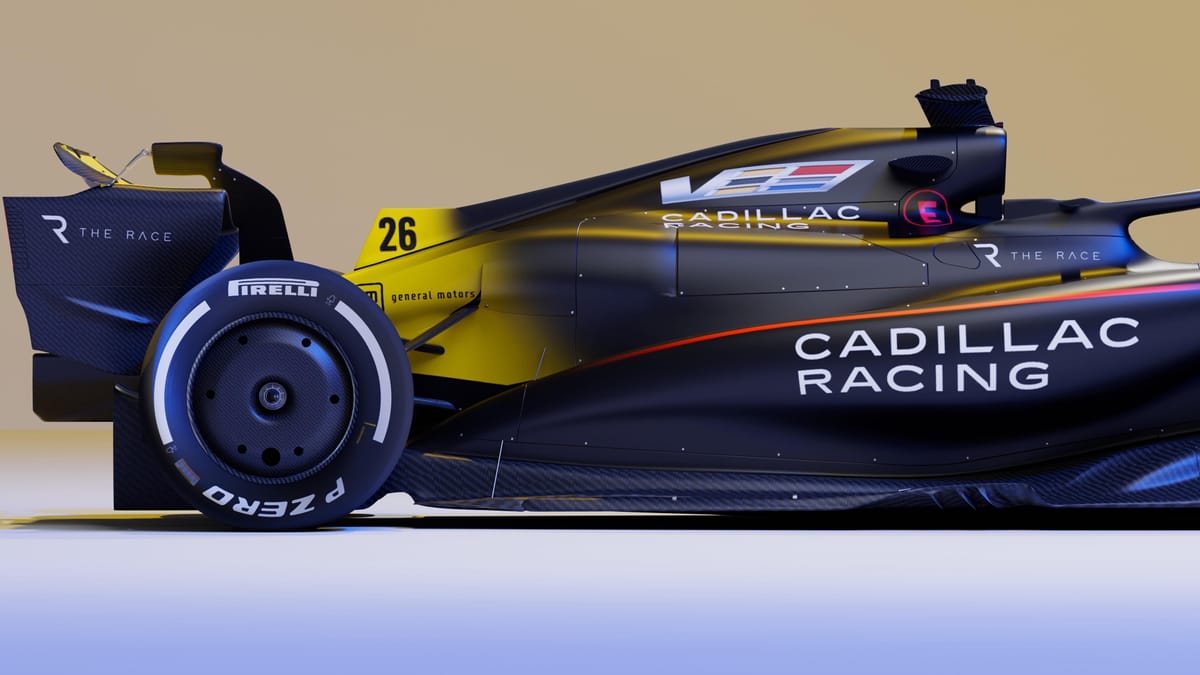
Fans will be eager to see Cadillac’s livery design, branding, and performance in early tests. But one thing is clear: this American team has made a bold and pragmatic entry into Formula 1.
Conclusion
By selecting Valtteri Bottas and Sergio Pérez, Cadillac F1 has chosen stability over risk, betting on experience, technical expertise, and proven racecraft to carry it through its crucial early years in Formula 1.
While younger drivers and American talents will have to wait for future opportunities, Cadillac’s immediate goal is clear: build a strong, competitive foundation for long-term success.
And as for the Christian Horner rumors? They’re officially off the table. Cadillac is charting its own course, with its own leadership, and its own identity on the global stage of Formula 1.