
The California New Car Dealers Association has filed a lawsuit against Sony Honda Mobility over direct-to-consumer sales of its Afeela EV, citing violations of state franchise laws.
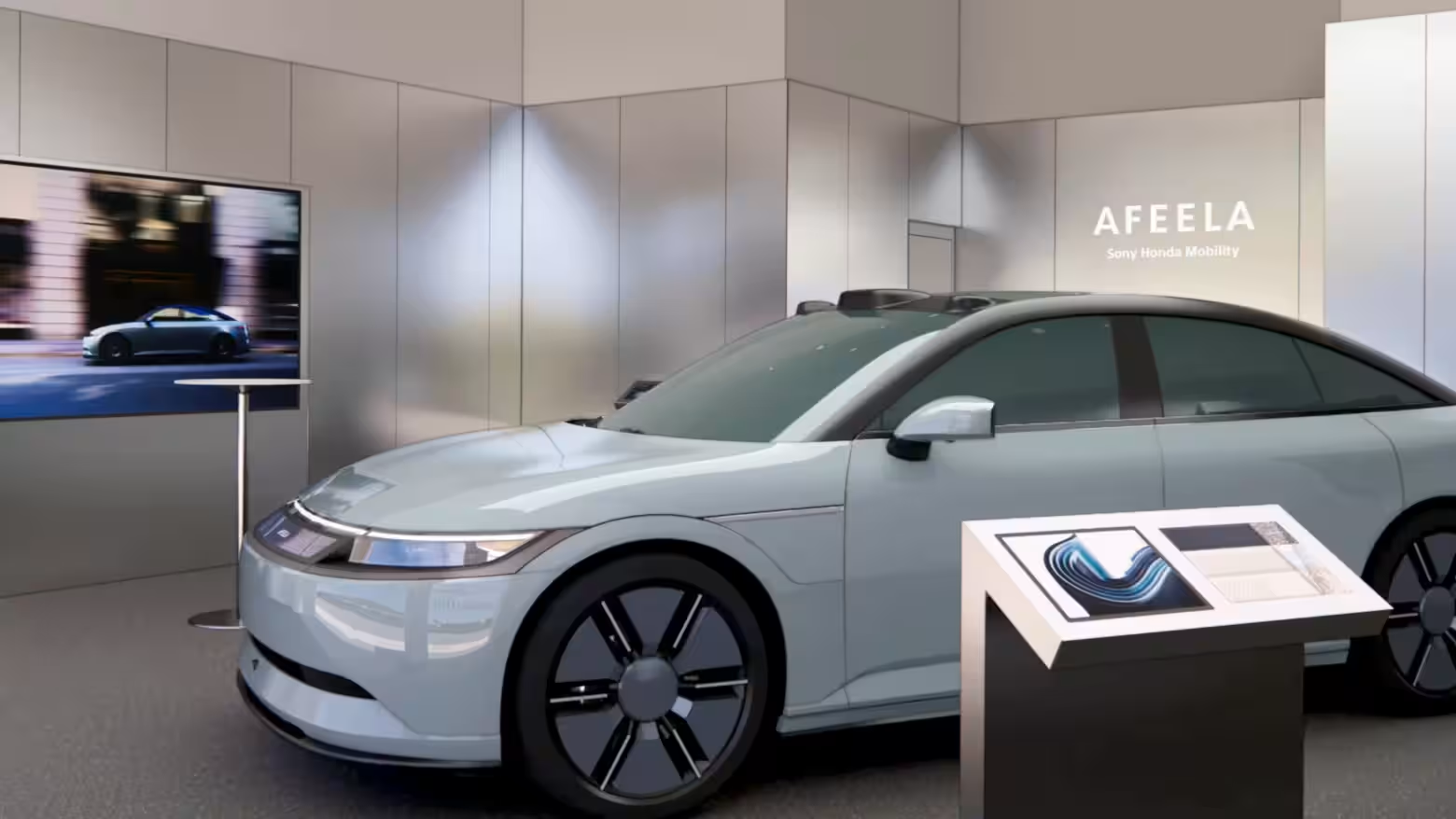
The battle over how electric vehicles are sold has taken a new turn in California. The California New Car Dealers Association (CNCDA) has filed a lawsuit against Sony Honda Mobility (SHM), alleging that the joint venture violated state franchise laws by selling its upcoming Afeela EVs directly to consumers.
The lawsuit, filed in Los Angeles County Superior Court, could set the stage for a high-stakes legal fight that may shape how new automakers enter the U.S. market.
What’s the Lawsuit About?
At the heart of the case is California’s dealer franchise protection law, which prohibits automakers from bypassing franchised dealers and selling vehicles directly.
According to CNCDA:
- Sony Honda Mobility has been taking deposits directly from California consumers via its website for the Afeela EV.
- This approach bypasses Honda and Acura dealerships, which traditionally handle vehicle sales in the state.
- The CNCDA argues that such practices violate state law, which prevents automakers from creating affiliated brands that compete with their franchised dealers.
The lawsuit seeks an injunction to stop SHM from continuing its direct-to-consumer model in California.
Why California Dealers Are Concerned
California is the largest EV market in the United States, accounting for nearly 40% of all U.S. electric vehicle sales in 2024. Protecting dealership interests is especially important in this state because:
- Revenue Protection: Dealerships argue that direct sales could strip away their traditional role as the middlemen in auto retail.
- Level Playing Field: Legacy brands like Honda and Toyota are bound by dealer franchise laws, while new entrants like Tesla, Rivian, and Lucid have operated direct-to-consumer models after lengthy legal battles.
- Precedent Risk: If SHM succeeds, it could encourage other joint ventures or foreign automakers to bypass dealers in California.
CNCDA President Brian Maas has previously warned that “direct sales threaten the survival of franchised dealerships,” which employ tens of thousands of workers statewide.
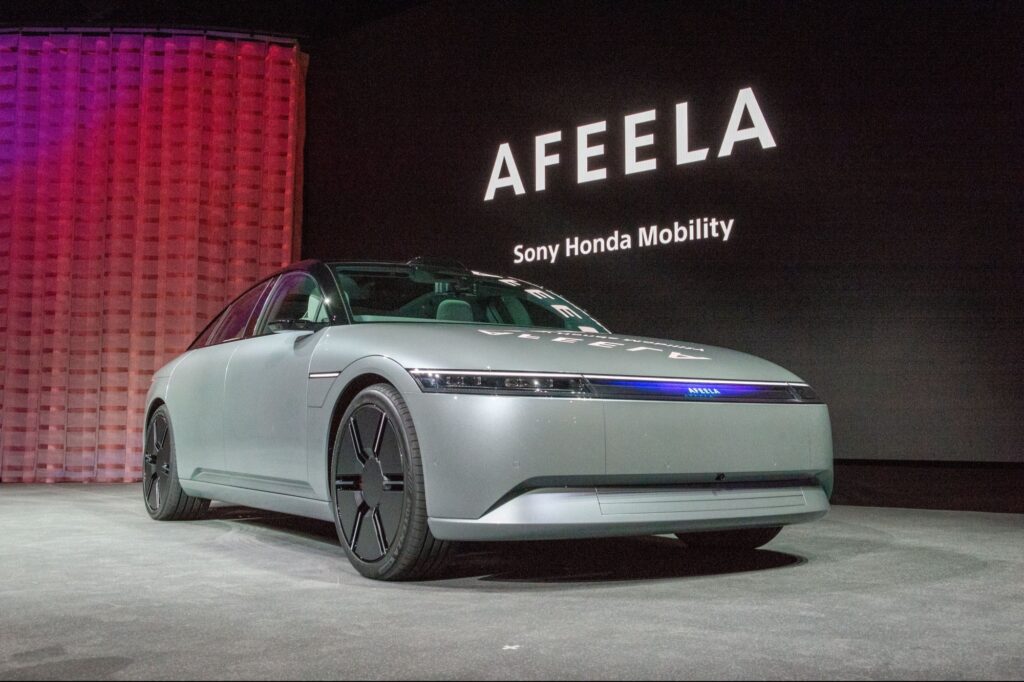
The Afeela EV: Sony & Honda’s Bold Entry
Sony and Honda announced their joint venture, Sony Honda Mobility, in 2022 with the goal of blending Honda’s automotive expertise with Sony’s software, entertainment, and AI technologies.
- The Afeela EV prototype debuted at CES 2023, showcasing advanced in-car entertainment, AI-driven user interfaces, and next-gen driver assistance.
- Deliveries are expected to begin in 2026, with pre-orders already open in the U.S.
- Sony Honda Mobility has made clear that it wants to pursue a direct-to-consumer model, mirroring Tesla’s approach.
This direct sales strategy is one of the key friction points with U.S. dealer associations.
The Bigger Picture: EV Sales Models Under Fire
This lawsuit highlights the ongoing tension between traditional dealership networks and EV startups:
- Tesla pioneered the direct sales model and has fought dealership lobbies in multiple states, winning exemptions in some cases.
- Rivian and Lucid followed suit, facing similar resistance from dealer associations.
- Legacy automakers (like Ford and GM) are experimenting with hybrid approaches, including online sales and fixed pricing for EVs, but are still bound by dealer franchise agreements.
If Sony Honda Mobility wins in court, it could further erode the dealership monopoly in California and pave the way for other new automakers to enter the U.S. without traditional dealer networks.
Looking Ahead
The outcome of this case will have major implications for the auto industry:
- A win for CNCDA would reinforce dealer protections and force Sony Honda to integrate with California’s dealership networks.
- A win for Sony Honda could accelerate the direct-to-consumer revolution, potentially reshaping how cars are bought and sold in America.
For now, the lawsuit underscores a simple reality: as EV startups and joint ventures push into the U.S. market, dealership laws written decades ago are being tested like never before.