




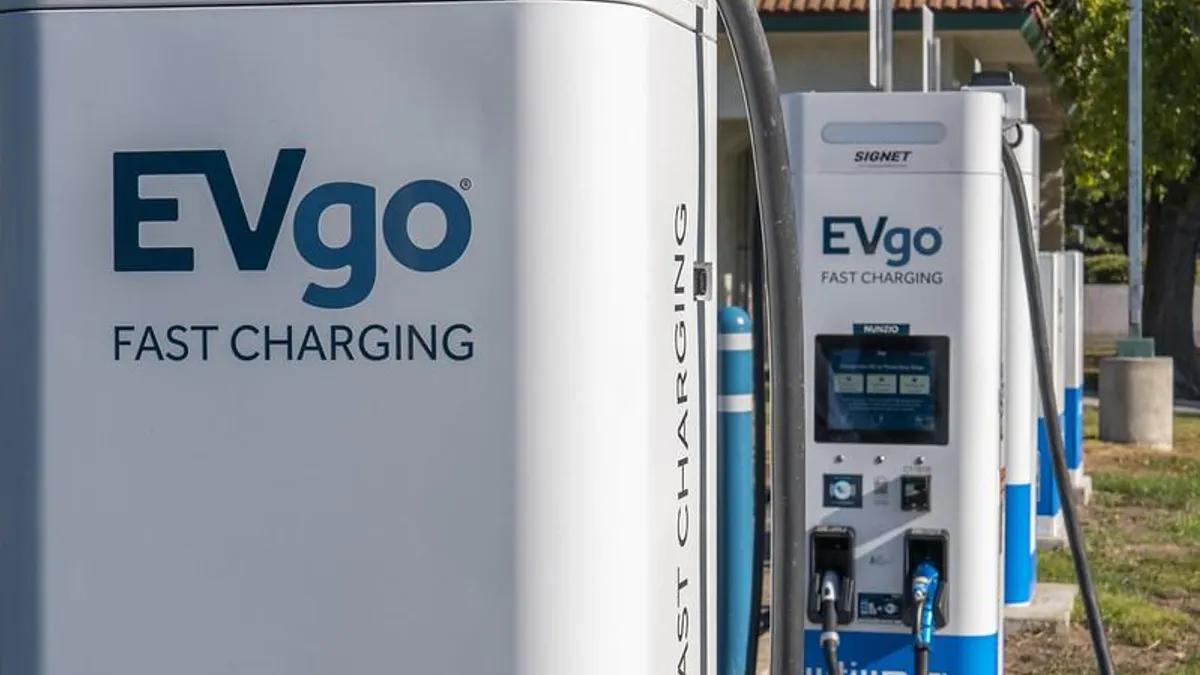
California has launched its $55M Fast Charge California Project, aiming to expand public EV fast-charging infrastructure across the state. The program prioritizes disadvantaged communities and aligns with the federal $5B EV charging initiative.
Introduction: California Doubles Down on EV Charging
California, already the largest electric vehicle (EV) market in the United States, is accelerating its push toward a zero-emission future. On August 5, 2025, the California Energy Commission (CEC) announced the Fast Charge California Project — a $55 million statewide program to expand access to public fast-charging stations.
This initiative marks the state’s largest investment in charging infrastructure to date, building upon California’s leadership in EV adoption and aligning with the federal $5 billion National EV Infrastructure (NEVI) program, which recently resumed after a legal freeze.
What is the Fast Charge California Project?
The Fast Charge California Project is designed to remove one of the biggest barriers to EV adoption: charging availability and speed.
Key Details of the Program:
- Budget: $55 million
- Scope: Covers up to 100% of installation costs for qualifying fast chargers at businesses and public sites.
- Priority Areas:
- Disadvantaged communities
- Low-income neighborhoods
- Tribal lands
- Regions underserved by public charging infrastructure
- Administration: Managed by the Center for Sustainable Energy (CSE), a nonprofit organization with deep experience in EV programs.
According to Hannon Rasool, CEC’s Director of Fuels and Transportation, “Installing more fast chargers is vital to California’s zero-emission vehicle transition, and this program prioritizes ready-to-build projects, especially in disadvantaged areas.”
Building on California’s EV Leadership
California is already home to nearly 10,000 public EV charging stations, installed under the California Electric Vehicle Infrastructure Project (CALeVIP) since 2017 — the largest program of its kind in the U.S.
With over 1.2 million EVs registered in California as of 2025, the state accounts for nearly 40% of all EV sales in the U.S. But the gap between EV adoption and fast-charging availability remains wide, particularly outside of urban areas.
The new $55M project is the first statewide EV charging initiative that fully funds installation, making it easier for businesses, municipalities, and community sites to host chargers.
Federal Context: Aligning with National Goals
The timing of this program is significant. Earlier in 2025, the Trump administration froze the federal NEVI program, halting $5 billion in EV infrastructure funds approved under the Biden administration.
After a coalition of 16 states, led by California, sued the administration, a June court ruling forced the program to restart. The federal plan requires each state to build charging stations every 50 miles along major highways, ensuring national EV coverage.
California’s Fast Charge Project aligns with NEVI but goes further by:
- Covering full installation costs (NEVI typically covers 80%).
- Prioritizing disadvantaged areas rather than only highways.
- Focusing on rapid deployment by requiring “shovel-ready” projects with permits already secured.
Why Fast Chargers Matter
While Level 2 chargers are common in workplaces and residential areas, they take hours to fully charge an EV. In contrast, DC fast chargers (DCFCs) can provide 80% charge in 20–40 minutes, depending on the vehicle and charger output (50 kW–350 kW).
For California’s growing fleet of EVs, particularly those used for long-distance travel, fleets, and ride-hailing services, fast chargers are critical. They also reduce range anxiety, making EVs a viable option for more households.
Equity and Accessibility: A Core Focus
One of the most notable aspects of the program is its commitment to equity.
Disadvantaged communities often face:
- Fewer charging stations per capita
- Older housing stock with limited at-home charging options
- Higher air pollution exposure from highways and diesel vehicles
By prioritizing these communities, California ensures that EV adoption is inclusive, bridging the infrastructure gap that often leaves rural, low-income, and tribal areas behind.
Challenges Ahead
Despite its promise, the program faces hurdles:
- Grid Capacity: California’s power grid must support a surge in high-output chargers. Investments in renewable energy, storage, and smart charging systems will be essential.
- Permitting Delays: While the program requires ready-to-build projects, permitting remains a bottleneck in many counties.
- Maintenance: Building chargers is one step; ensuring long-term reliability is another. Studies show that up to 25% of chargers in some U.S. regions are often out of service.
The Road to 2035: Zero-Emission Mandate
California has mandated that all new car sales must be zero-emission by 2035. To meet that goal, analysts estimate the state will need:
- 1.2 million chargers (public + private) by 2030
- At least 250,000 public fast chargers statewide
The Fast Charge California Project is a significant step, but it’s just one part of the larger effort required to meet these ambitious goals.
Conclusion: California Leads, Nation Follows
With the launch of the $55 million Fast Charge California Project, California is once again setting the pace for EV infrastructure in the U.S. By offering full installation funding, focusing on equity, and aligning with the federal NEVI program, the state is laying the foundation for a cleaner, more accessible mobility future.
If successful, this initiative could serve as a blueprint for other states and countries, ensuring that the transition to EVs benefits not just early adopters, but every community across the globe.