





Embarking on a long road trip can be an exciting adventure, but ensuring your vehicle is in top condition is crucial for a safe and enjoyable journey.
Proper preparation is key to a stress-free trip. A well-maintained vehicle not only ensures your safety on the road but also helps prevent costly repairs down the line.
By following this comprehensive checklist, you’ll be able to identify potential issues before they become major problems, giving you peace of mind as you hit the open road.
Key Takeaways
- Check tire pressure and tread depth before embarking on your trip
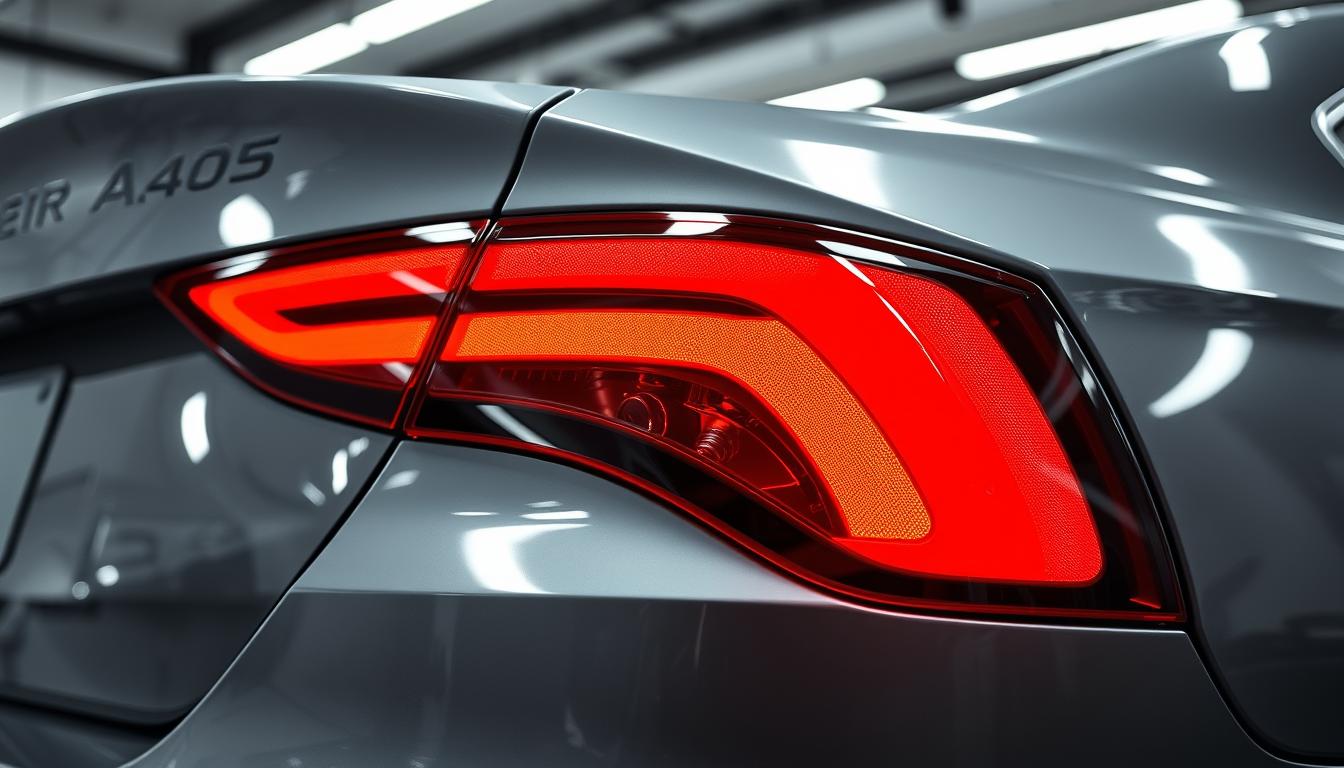
- Ensure all lights, including headlights and taillights, are functioning properly
- Check your vehicle’s fluids, including oil, coolant, and brake fluid
- Inspect your vehicle’s battery and charging system
- Make sure your vehicle is properly insured for the trip
Importance of a Pre-Road Trip Car Check
A pre-road trip car inspection is not just a precaution; it’s a necessity for a safe and enjoyable journey. Ensuring your vehicle is in top condition before hitting the road can make all the difference in your travel experience.
Regular maintenance is the backbone of a successful road trip. It not only prolongs the life of your vehicle but also significantly enhances your safety on the road. A well-maintained car is less likely to break down, reducing the risk of being stranded in unfamiliar areas.
Why Regular Maintenance Matters
Regular maintenance matters for several reasons. Firstly, it helps in identifying potential issues before they become major problems. This proactive approach can save you from costly repairs down the line. Secondly, a well-maintained vehicle is more fuel-efficient and performs better, making your journey smoother and more enjoyable.
- Prevents unexpected breakdowns
- Enhances fuel efficiency
- Improves overall vehicle performance
- Ensures safety on the road
Benefits of a Road Trip Checklist
A road trip checklist is an invaluable tool for any traveler. It helps you stay organized and focused on the tasks at hand, ensuring that no critical check is overlooked. By following a comprehensive checklist, you can guarantee a smooth and enjoyable trip, free from the worries of potential car troubles.
A comprehensive pre-trip inspection includes checking the tires, fluids, battery health, and brakes, among other essential components. This thorough check not only gives you peace of mind but also ensures that your vehicle is roadworthy.
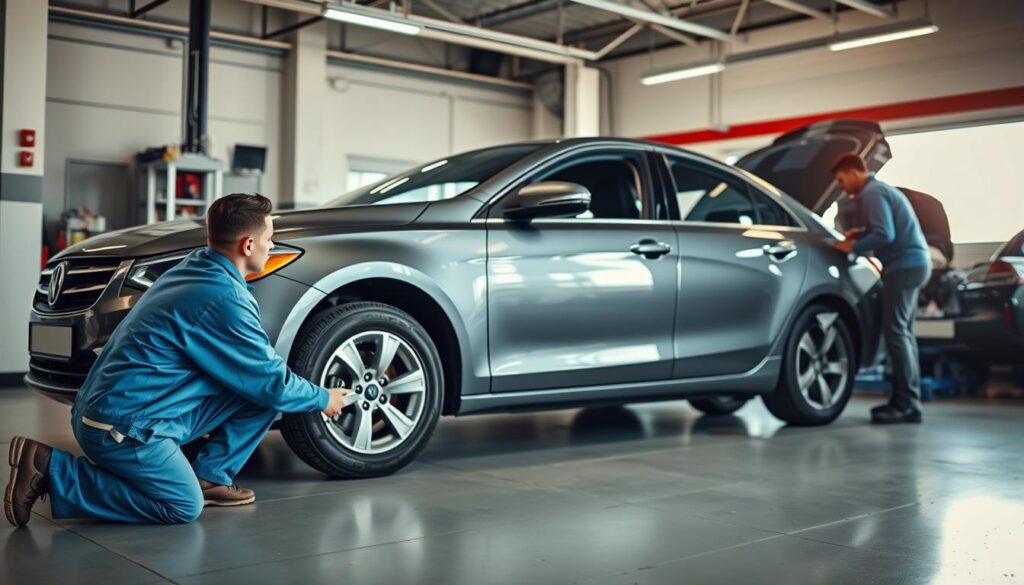
By understanding the importance of a pre-road trip car check and adhering to a regular maintenance schedule, you can enjoy a safe, efficient, and stress-free journey. Whether you’re traveling across the country or just to a nearby state, a well-prepared vehicle is your best companion on the road.
Essential Items to Inspect Before Hitting the Road
To avoid unexpected breakdowns, inspecting your vehicle before a road trip is essential. A thorough check can help identify potential issues, ensuring a safe and enjoyable journey.

Tires: Tread and Inflation
First, inspect your tires to ensure they are in good condition. Check the tread depth using a penny; if you can see the top of Lincoln’s head, your tread is worn out. Proper inflation is also crucial; underinflated tires can lead to reduced fuel efficiency and increased risk of a blowout. Refer to your vehicle’s manual for the recommended pressure.
Proper tire maintenance not only enhances safety but also improves your vehicle’s overall performance. For long road trips, consider investing in a tire pressure gauge to ensure your tires are always correctly inflated.
Fluids: Oil, Coolant, and Brake
Next, check your vehicle’s essential fluids. Engine oil lubricates the engine’s moving parts, preventing overheating. Coolant, or antifreeze, regulates engine temperature, while brake fluid is vital for your vehicle’s braking system. Low levels or dirty fluids can lead to serious issues, including engine failure and brake failure.
- Check oil levels and top up if necessary.
- Ensure coolant levels are adequate and the mixture is appropriate for your climate.
- Brake fluid should be at the recommended level; a low level could indicate a leak.
Battery Health and Connections
A dead battery can leave you stranded. Inspect your battery’s health by checking its age and condition. Clean the terminals to prevent corrosion, which can disrupt the electrical connection. Ensure the battery is securely fastened to prevent damage from vibrations.
By focusing on these critical areas, you can significantly reduce the risk of car troubles during your trip, ensuring a smoother, safer journey.
Interior Checks for Comfort and Safety
Ensuring your car’s interior is in top condition is vital for both comfort and safety on the road. A well-maintained interior not only enhances your driving experience but also plays a critical role in minimizing distractions and ensuring safety features are functioning correctly.
Cleanliness and Organization
A clean and organized interior is essential for a comfortable and safe journey. Clutter can be a significant distraction, and unsecured items can become projectiles in the event of sudden stops or accidents.
- Remove unnecessary items from the glove compartment and storage spaces.
- Vacuum the interior, paying attention to crevices where dirt accumulates.
- Wipe down surfaces with appropriate cleaners to maintain hygiene.

Functionality of Seatbelts and Airbags
Safety features such as seatbelts and airbags are critical for protecting occupants in the event of an accident. It’s essential to check that these features are in good working condition as part of your pre-trip car inspection.
- Inspect seatbelts for signs of wear, such as fraying or cuts.
- Ensure that all seatbelts buckle and unbuckle properly.
- Check the dashboard for any warning lights related to airbag or seatbelt malfunctions.
Emergency Supplies Checklist
Being prepared for emergencies is a crucial aspect of road safety. An emergency supplies checklist should include essential items that can help in case of unexpected situations.
- First aid kit
- Flashlight and extra batteries
- Snacks and water
- Maps or a GPS device
- Basic toolkit
Having these items readily available can make a significant difference in handling emergencies effectively.
Exterior Maintenance for Road Trips
Exterior maintenance is a critical aspect of road trip car preparation, impacting both safety and performance. A well-maintained exterior ensures that your vehicle is not only safe to drive but also performs optimally throughout your journey.
To achieve this, several key areas need to be inspected and maintained. Let’s dive into the specifics.
Windshield Wipers and Washer Fluid
First and foremost, check your windshield wipers for any signs of wear. Replace them if they’re damaged or not functioning properly. Additionally, ensure your washer fluid is at the recommended level. A good washer fluid can help improve visibility during rain or dusty conditions.
Lights: Headlights, Brake, and Signal
All lights on your vehicle should be inspected to ensure they’re functioning correctly. This includes headlights, brake lights, and signal lights. Properly functioning lights are crucial for safety, especially during night driving or in low-visibility conditions.
| Light Type | Function | Check |
|---|---|---|
| Headlights | Illuminates the road ahead | Ensure both low and high beams are working |
| Brake Lights | Alerts following vehicles of braking | Check for brightness and functionality |
| Signal Lights | Indicates direction change | Verify that both front and rear signals are working |
Body Condition: Dents and Scratches
While not directly affecting performance, checking your vehicle’s body condition can help identify any potential issues early on. Inspect for dents and scratches, and consider repairs if necessary. This not only improves the vehicle’s appearance but can also prevent rust.
By focusing on these exterior maintenance tasks, you can significantly enhance your road trip car preparation, ensuring a safer and more enjoyable journey.
Engine Evaluation for Optimal Performance
Evaluating your vehicle’s engine condition is a critical step in preparing for a successful road trip. A well-maintained engine not only ensures your safety on the road but also enhances your overall driving experience.
Checking Engine Oil and Filters
The first step in evaluating your engine is to check the engine oil level and its condition. Low oil levels or dirty oil can lead to engine damage, so it’s essential to top it off or change it if necessary. Additionally, inspect your engine oil filter and air filter; dirty filters can impede engine performance and fuel efficiency.

Belts and Hoses: Visual Inspection
Perform a visual inspection of your vehicle’s belts and hoses. Look for signs of wear, cracks, or damage. Replacing worn-out belts and hoses before your trip can prevent unexpected breakdowns. This simple check can save you from potential headaches on the road.
Spark Plug and Air Filter Assessment
Assessing your spark plugs and air filter is crucial for optimal engine performance. Worn-out spark plugs can lead to decreased fuel efficiency and engine misfires. Similarly, a dirty air filter can affect your engine’s performance and overall fuel consumption. Consider replacing them if they’re due for a change.
| Component | Check | Action |
|---|---|---|
| Engine Oil | Level and Condition | Top off or Change |
| Filters | Cleanliness | Replace if Dirty |
| Belts and Hoses | Signs of Wear | Replace if Damaged |
| Spark Plugs | Condition | Replace if Worn Out |
By following these steps and conducting a thorough engine evaluation, you can ensure your vehicle is ready for a long distance car check and prepared for the challenges of a road trip.
Fuel System and Efficiency Tips
A well-maintained fuel system is crucial for a smooth and efficient road trip. Ensuring your vehicle is ready for long drives not only enhances performance but also contributes to travel car safety tips by reducing the risk of breakdowns.
Fuel Tank and Filter Condition
Begin by inspecting your fuel tank for any signs of damage or leaks. A compromised fuel tank can lead to fuel efficiency issues and potentially cause your vehicle to stall. Additionally, check your fuel filter; a clogged filter can decrease your car’s performance and fuel efficiency. Replacing a dirty fuel filter is a simple yet effective way to maintain your vehicle’s health.

Fuel Efficiency: Preparing for Long Drives
To maximize fuel efficiency, remove any unnecessary weight from your vehicle. The heavier your car, the more fuel it consumes. Moreover, ensure your tires are properly inflated, as underinflated tires can significantly decrease fuel efficiency. Regular maintenance, such as oil changes and tune-ups, also plays a crucial role in keeping your vehicle running efficiently.
Recommendations for Fuel Stops
Planning your fuel stops in advance is a good practice, especially during long road trips. Using GPS or mobile apps to locate fuel stations along your route can help you avoid running low on fuel in unfamiliar areas. It’s also wise to keep a list of emergency contact numbers, including roadside assistance, as part of your travel car safety tips.
Navigation and Road Preparedness
A successful road trip involves more than just a well-maintained vehicle; it also requires thorough navigation planning. Ensuring you have the right tools and information can make a significant difference in your journey’s comfort and safety.
Maps and GPS Accessibility
Having access to reliable maps and GPS is crucial. Your vehicle’s built-in navigation system or a smartphone with a GPS app can be invaluable. Consider the Garmin or Apple CarPlay for seamless integration. Ensure your device is updated with the latest maps to avoid any surprises during your trip.
Mobile App Suggestions for Trip Planning
Several mobile apps can enhance your road trip experience. Apps like Waze or Google Maps provide real-time traffic updates, helping you avoid congested areas. Additionally, apps like Roadtrippers can assist in planning your route and finding interesting stops along the way.
Emergency Numbers and Contacts
It’s also vital to keep a list of emergency numbers and contacts handy. This includes your roadside assistance provider, insurance company, and personal contacts. Consider saving these numbers in your phone or keeping a physical copy in your glove compartment. Being prepared for any situation can greatly reduce stress during your trip.
By focusing on navigation and road preparedness, you can ensure a smoother, more enjoyable road trip experience. Remember, a little planning goes a long way in making your journey memorable for the right reasons.
Importance of Documentation and Insurance
Before embarking on your road trip, it’s crucial to ensure you have all the necessary documentation and insurance in place. This preparation is key to a stress-free journey.
Vehicle Registration and Insurance Checks
First and foremost, verify that your vehicle registration is up to date. An expired registration can lead to fines and complications if you’re stopped by law enforcement. Additionally, check your insurance coverage to ensure it is valid and adequate for your road trip. Consider the following:
- Check the expiration date of your insurance policy.
- Understand what is covered under your current policy.
- Consider additional coverage for roadside assistance.
Packing Important Documents
It’s essential to pack the necessary documents to avoid any legal issues during your trip. Make sure you have:
- Your valid driver’s license.
- Vehicle registration documents.
- Insurance cards.
Keep these documents in an easily accessible place, such as the glove compartment, to ensure you’re prepared in case of an emergency.
Roadside Assistance Information
Familiarize yourself with your roadside assistance information, including contact numbers and the services they provide. Many insurance companies offer roadside assistance as part of their packages. Here’s a sample table to help you organize this information:
| Service Provider | Contact Number | Services Offered |
|---|---|---|
| AAA | 1-800-AAA-HELP | Towing, Fuel Delivery, Lockout Service |
| Allstate Motor Club | 1-877-597-3393 | Towing, Fuel Delivery, Winching |
By ensuring you have the correct documentation and insurance, you can enjoy a worry-free road trip. Take the time to check your documents and understand your insurance coverage before hitting the road.
Post-Road Trip Maintenance Recommendations
Completing a long distance car check after your trip ensures your vehicle’s longevity and performance for future journeys. A thorough inspection and maintenance routine can help identify potential issues before they become major problems.
Signs of Wear and Tear
After your trip, inspect your vehicle for signs of wear and tear. Check your tires for tread depth and look for any signs of uneven wear. Also, inspect your brake pads and rotors for wear. Don’t forget to check your vehicle’s fluids, including engine oil, coolant, transmission fluid, and brake fluid, for any signs of leakage or depletion.
Regular Maintenance Schedule
Sticking to a regular maintenance schedule is crucial for keeping your vehicle in top condition. This includes routine checks on your vehicle’s belts and hoses, battery, and air filter. Regular maintenance not only ensures your vehicle’s longevity but also enhances its performance and safety on the road.
- Check and replace the engine oil and filter as needed.
- Inspect the condition of your vehicle’s belts and hoses.
- Ensure your battery terminals are clean and free of corrosion.
Keeping a Road Trip Diary for Future Reference
Maintaining a road trip diary can be incredibly useful for documenting your experiences and noting any maintenance performed on your vehicle. This diary can serve as a valuable reference for future trips, helping you track your vehicle’s maintenance history and plan accordingly.
By following these post-road trip maintenance recommendations, you can ensure your vehicle remains in excellent condition, ready for your next adventure. Remember, a well-maintained vehicle is not only safer but also more fuel-efficient and reliable.
Conclusion: The Key to a Successful Road Trip
A successful road trip is heavily dependent on thorough preparation and maintenance of your vehicle. By following the outlined checklist, you’ll be well-prepared for a safe and enjoyable journey. Incorporating essential travel car safety tips into your pre-trip routine can significantly reduce the risk of unexpected issues on the road.
Key Takeaways for a Smooth Journey
Recapping the maintenance tips, it’s crucial to focus on your vehicle’s tires, fluids, battery, and engine performance. A comprehensive pre-trip car inspection will help identify potential problems before they become major issues.
Enjoying the Ride
With your vehicle in top condition, you can relax and enjoy the scenery, making the most of your time on the road. Safe travels!