



Maintaining your vehicle’s braking system is crucial for safety on the road. One essential task is replacing the brake fluid, which can seem daunting but is achievable with the right guidance.
Changing your car’s brake fluid is a straightforward process that ensures your vehicle’s braking performance remains optimal. By following this step-by-step guide, you’ll be able to do it yourself, saving time and money.
A successful DIY brake fluid change requires the right tools and a bit of patience. This guide will walk you through the process, making it easy to maintain your vehicle’s braking system.
Key Takeaways
- Replacing brake fluid is essential for maintaining your vehicle’s braking system.
- A DIY brake fluid change can be done with the right tools and guidance.
- Regular maintenance ensures optimal braking performance and safety.
- Following a step-by-step guide makes the process straightforward.
- Saving time and money is achievable by doing it yourself.
Understanding Brake Fluid and Its Importance
Brake fluid is a critical component of your vehicle’s braking system, playing a vital role in ensuring your car can stop safely and efficiently. It is a type of hydraulic fluid that transfers pressure from the brake pedal to the brake calipers, enabling your vehicle to come to a halt when needed.
What Is Brake Fluid?
Brake fluid is a specially formulated liquid designed to operate within the high-temperature and high-pressure environment of a vehicle’s braking system. It is typically made from a mixture of glycol ethers, glycols, and other additives that provide the necessary properties for effective brake operation. The primary function of brake fluid is to transfer force from the brake pedal to the brake calipers, which then clamp the brake pads onto the rotors to stop the vehicle.
Why Is Brake Fluid Important?
Brake fluid is essential for the proper functioning of your vehicle’s brakes. Without the correct type and amount of brake fluid, your brakes may not operate effectively, leading to potential safety hazards. Here are a few reasons why brake fluid is important:
- It enables the transfer of pressure from the brake pedal to the brake calipers.
- It helps to lubricate the moving parts within the braking system.
- It protects the braking system from corrosion.
Signs of Low or Contaminated Brake Fluid
It’s crucial to monitor your brake fluid regularly to ensure it’s at the recommended level and in good condition. Here are some signs that may indicate low or contaminated brake fluid:
| Signs | Description |
|---|---|
| Spongy Brake Pedal | A soft or spongy brake pedal can indicate air in the brake system or low brake fluid level. |
| Dashboard Warning Light | Many modern vehicles are equipped with a brake fluid level warning light on the dashboard. |
| Discolored Fluid | Brake fluid that is dark or contaminated may need to be changed. |
Regularly checking your brake fluid and addressing any issues promptly can help maintain your vehicle’s braking performance and safety.
Tools and Materials Needed
Before diving into the DIY brake fluid change process, it’s crucial to gather all the necessary tools and materials. Having everything at hand will make the process smoother and ensure that the job is done correctly.
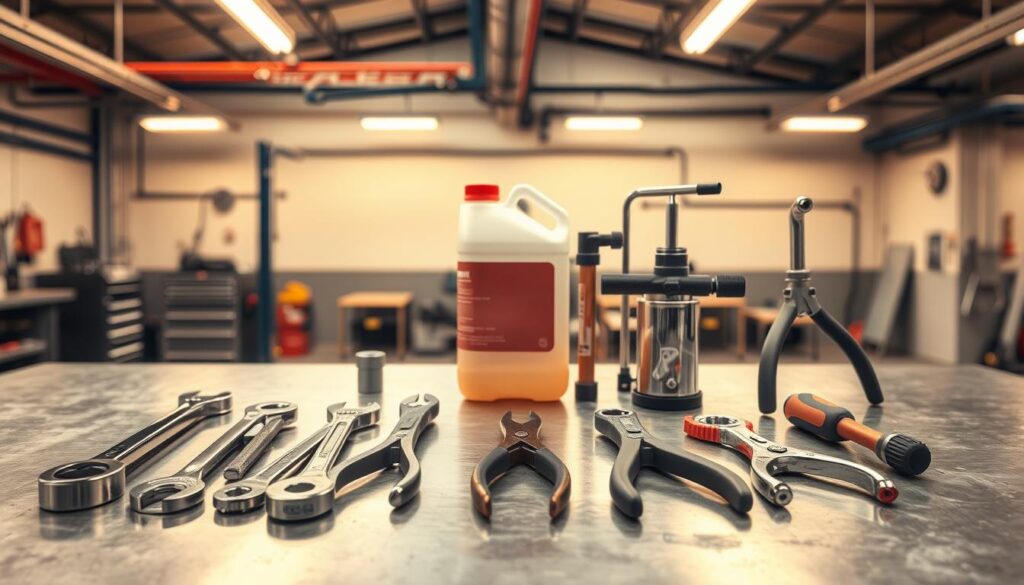
Essential Tools for the Job
To start, you’ll need a few essential tools. These include a socket wrench or ratchet for loosening the brake fluid reservoir cap, a turkey baster or brake fluid extractor for removing the old fluid, and lint-free rags for cleaning up spills. Additionally, having a pair of safety glasses and gloves is highly recommended to protect yourself from potential splashes and spills.
It’s also a good idea to have a container to dispose of the old brake fluid properly. Make sure it’s a clean container to avoid contaminating the new fluid when you go to dispose of the old fluid.
Recommended Brake Fluid Brands
Choosing the right brake fluid is critical for the success of your DIY brake fluid replacement. Here are some recommended brake fluid brands that are known for their quality:
| Brand | Type | DOT Rating | Price Range |
|---|---|---|---|
| Castrol | Synthetic | DOT 4 | $15-$25 |
| Bosch | Conventional | DOT 3 | $10-$20 |
| Motorcraft | Synthetic | DOT 4 | $12-$22 |
When selecting a brake fluid, ensure it matches the DOT rating recommended by your vehicle’s manufacturer. You can find this information in your vehicle’s owner’s manual or on the brake fluid reservoir cap.
Safety Precautions Before Starting
Ensuring your safety is paramount before you begin changing your brake fluid. Working on your vehicle’s braking system can be hazardous if you’re not properly prepared.
Personal Protective Equipment
Wearing the right personal protective equipment (PPE) is crucial when handling brake fluid. Brake fluid can be corrosive and harmful to your skin and eyes, so it’s essential to wear protective gear.
- Gloves: Use chemical-resistant gloves to prevent skin contact.
- Goggles: Wear safety goggles to protect your eyes from splashes.
- Clothing: Wear old clothing or a protective apron to prevent damage from spills.
Working in a Safe Environment
Creating a safe working environment is just as important as wearing PPE. Ensure your workspace is well-ventilated to avoid inhaling fumes from the brake fluid. It’s also crucial to keep your workspace clean and organized to prevent accidents.
| Safety Measure | Description |
|---|---|
| Ventilation | Ensure good airflow to prevent inhaling brake fluid fumes. |
| Cleanliness | Keep your workspace clean to avoid slips and falls. |
| Organization | Organize your tools and materials to work efficiently and safely. |
By following these safety precautions, you can minimize risks associated with changing your brake fluid. Remember, safety is an ongoing process that requires attention to detail and a proactive approach.
Preparing Your Vehicle for the Fluid Change
Before diving into the brake fluid change process, it’s essential to prepare your vehicle to ensure a smooth and safe procedure. This step is crucial for a successful DIY brake fluid change.
Locating the Brake Fluid Reservoir
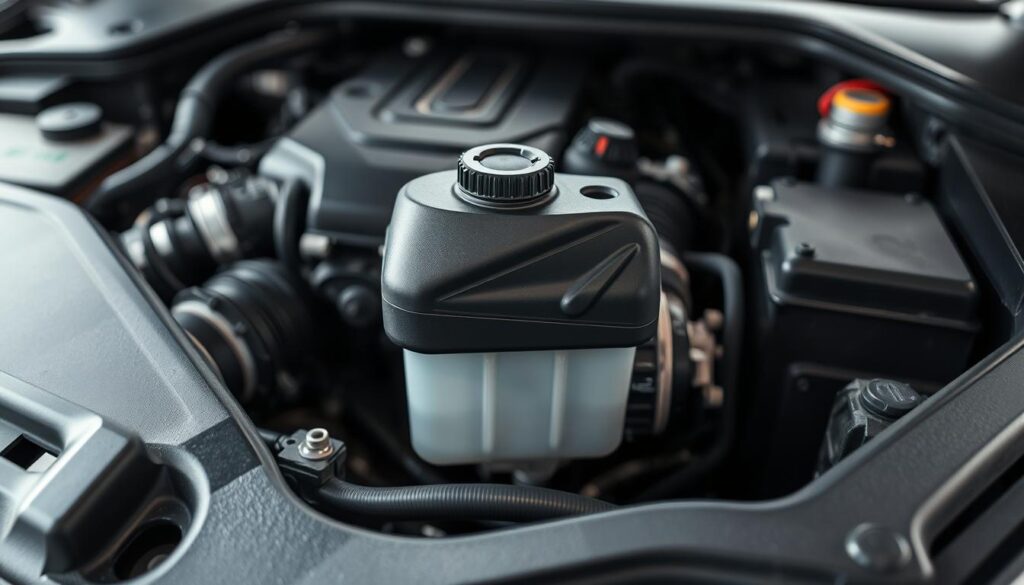
The first step in preparing your vehicle is to locate the brake fluid reservoir. This reservoir is typically found under the hood, near the driver’s side. It’s a transparent plastic container with a cap labeled “Brake Fluid” or marked with a brake symbol. Consult your vehicle’s owner’s manual if you’re having trouble finding it.
Checking Fluids Before Starting
Before you start the brake fluid change, it’s a good idea to check the current fluid level and condition. The level should be between the “MIN” and “MAX” marks on the reservoir. If it’s below the “MIN” mark, you may have a leak. Also, inspect the color and clarity of the brake fluid. It should be clear or slightly yellow. Dark or dirty fluid indicates contamination and the need for a change.
| Brake Fluid Condition | Indication | Action Required |
|---|---|---|
| Clear or Slightly Yellow | Good Condition | Proceed with fluid change as scheduled |
| Dark or Dirty | Contaminated | Change brake fluid immediately |
| Below “MIN” Mark | Possible Leak | Inspect brake system for leaks before proceeding |
By following these steps, you’ll be well-prepared to change your brake fluid safely and effectively. Remember, proper preparation is key to a successful DIY brake fluid change.
How to Remove Old Brake Fluid
To ensure your brakes function properly, it’s essential to know how to remove old brake fluid effectively. Removing the old brake fluid is a critical step in the DIY brake fluid change process, as it allows for the introduction of fresh, uncontaminated fluid into the brake system.
Common Techniques for Fluid Removal
There are several methods to remove old brake fluid from your vehicle’s brake system. The most common technique involves using a turkey baster or syringe to extract the fluid from the brake fluid reservoir. Another method is to use a brake bleeding kit, which not only removes the old fluid but also helps in bleeding the brake lines.
When using a turkey baster or syringe, be careful not to spill any brake fluid on the surrounding components, as it can damage paint and other materials. It’s also crucial to dispose of the used brake fluid properly, following environmental guidelines.
| Method | Description | Tools Required |
|---|---|---|
| Using a Turkey Baster or Syringe | Extract fluid from the brake fluid reservoir | Turkey baster or syringe, container for used fluid |
| Using a Brake Bleeding Kit | Remove old fluid and bleed brake lines | Brake bleeding kit, new brake fluid |
Tips for Avoiding Contamination
To avoid contaminating the new brake fluid, it’s crucial to clean the brake fluid reservoir thoroughly before refilling it. Use a clean cloth or paper towel to wipe out any dirt or debris. Additionally, ensure that the tools used for removing the old fluid are clean and free from contamination.
By following these steps and tips, you can effectively remove the old brake fluid and prepare your vehicle’s brake system for new fluid, ensuring optimal braking performance.
Filling the Reservoir with New Brake Fluid
Filling the brake fluid reservoir with the correct type and amount of new brake fluid is essential for ensuring your vehicle’s brakes function properly. This step is crucial in the brake fluid change process, as it directly impacts the safety and performance of your vehicle.
Choosing the Right Brake Fluid Type
Selecting the appropriate brake fluid type is vital. Most vehicles require DOT 3 or DOT 4 brake fluid, but it’s essential to check your vehicle’s manual to confirm. Using the wrong type can lead to brake system damage or failure.
“The type of brake fluid used in a vehicle is critical. Always refer to the manufacturer’s specifications to ensure compatibility.”
Here’s a comparison of common brake fluid types:
| Brake Fluid Type | Characteristics | Compatibility |
|---|---|---|
| DOT 3 | Standard, glycol-based | Most vehicles |
| DOT 4 | Higher boiling point than DOT 3 | Vehicles requiring higher performance |
| DOT 5 | Silicone-based, not compatible with ABS | Limited to specific vehicle models |
How Much Fluid to Add
The amount of brake fluid to add can be found in your vehicle’s manual. Typically, the reservoir should be filled to the maximum level indicated on the reservoir. Overfilling can be as problematic as underfilling, so precision is key.
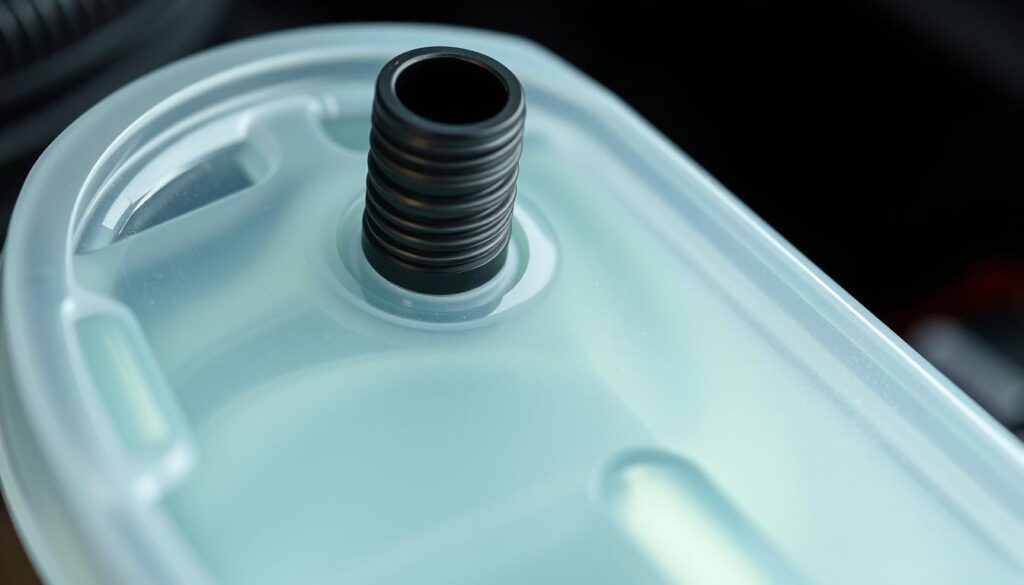
To summarize, filling the reservoir correctly is a two-part process: choosing the right type of brake fluid and adding the correct amount. By following these steps, you ensure your vehicle’s brake system operates safely and efficiently.
Bleeding the Brake Lines
One of the most critical steps in a DIY brake fluid change is bleeding the brake lines. This process is essential for removing airlocks and contaminants that can compromise your vehicle’s braking performance. As Robert Johnson, a seasoned mechanic, once said,
“Bleeding the brakes is like giving your car a breath of fresh air; it ensures that the system operates smoothly and effectively.”
What Is Brake Bleeding?
Brake bleeding is a maintenance procedure that involves removing air and old brake fluid from the brake system. Over time, air can enter the brake lines, and moisture can accumulate, leading to a spongy brake pedal or even brake failure. By bleeding the brakes, you can ensure that your brake system operates with the necessary hydraulic pressure.
The process typically involves opening the bleeder valves on the brake calipers or wheel cylinders and allowing the old fluid and air to escape. It’s a relatively straightforward process, but it requires some care and attention to detail to avoid introducing more air into the system.
Different Methods to Bleed Brakes
There are several methods to bleed brakes, each with its own advantages. The most common methods include:
- Gravity Bleeding: This method involves opening the bleeder valve and allowing gravity to pull the old fluid out.
- Pressure Bleeding: Using a pressure bleeder, this method forces new fluid into the system while the old fluid is drained.
- Vacuum Bleeding: A vacuum pump is used to suck out the old fluid and air from the brake lines.
- Manual Bleeding: This traditional method involves pumping the brake pedal to push the old fluid out through the bleeder valves.
Each method has its own set of tools and techniques, and the choice often depends on the specific vehicle and personal preference. Regardless of the method, the goal remains the same: to ensure that your brake system is free from airlocks and contaminants, providing safe and reliable braking performance.
Testing the Brakes After Fluid Change
Once you’ve changed your brake fluid, the next crucial step is to test your brakes to ensure they’re functioning as expected. This step is vital to guarantee your vehicle’s safety and performance on the road.
Initial Brake Test Steps
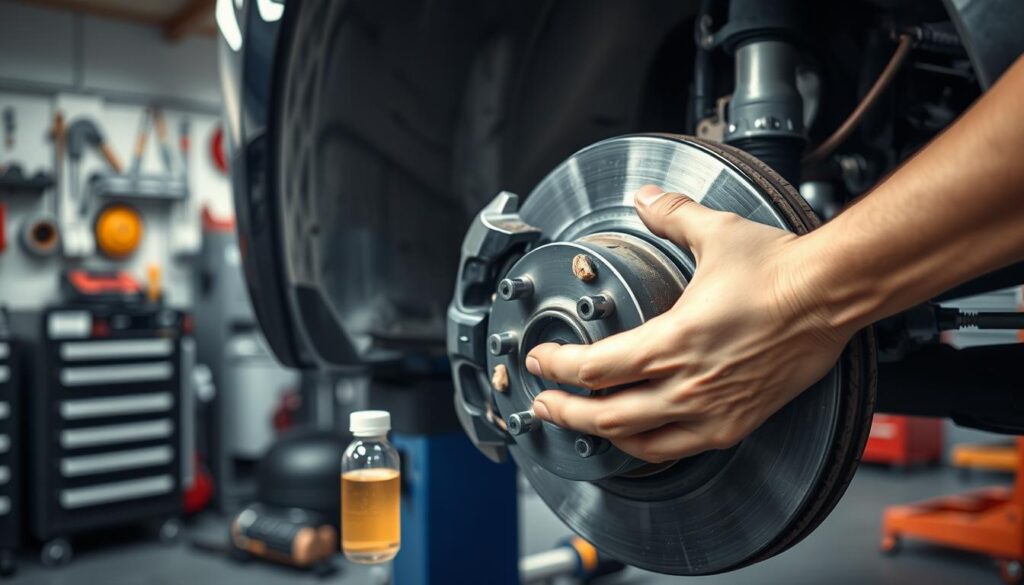
To begin testing your brakes, start by ensuring you’re in a safe environment, such as an empty parking lot. Begin by slowly pressing the brake pedal to check for any unusual sounds or vibrations. If you notice any sponginess or if the pedal feels soft, it may indicate air in the brake lines or another issue that needs attention.
Next, gradually increase your speed and apply the brakes firmly to test their responsiveness. Listen for any unusual noises and pay attention to whether the vehicle pulls to one side, which could indicate a problem with the brake calipers or uneven brake wear.
Monitoring Performance
After the initial test, continue to monitor your brake performance over the next few days. Pay attention to any changes in the brake pedal’s feel or any unusual noises when braking. It’s also a good idea to check for any signs of leaks around the brake components.
If you notice any issues, such as a soft brake pedal or decreased braking performance, consult your vehicle’s repair manual or consider seeking professional help to diagnose and fix the problem.
Maintaining Your Brake System
Maintaining your brake system is vital for ensuring your vehicle’s safety and performance. Regular checks and maintenance can help prevent brake failure, reduce wear on brake components, and ensure your vehicle remains safe to drive.
Recommended Maintenance Schedule
To keep your brake system in optimal condition, it’s essential to follow a regular maintenance schedule. Check your brake fluid level every 3,000 to 5,000 miles, and inspect the brake pads and rotors for wear. Most vehicle manufacturers recommend inspecting the brake system every 10,000 to 15,000 miles, but this can vary depending on your vehicle’s make and model.
As emphasized by the National Highway Traffic Safety Administration, “Regular brake maintenance is crucial for preventing accidents caused by brake failure.” Incorporating brake system checks into your routine vehicle maintenance can significantly enhance your vehicle’s safety and performance.
Signs You Need Professional Help
While regular DIY maintenance is crucial, there are times when professional help is necessary. If you notice any of the following signs, it’s time to consult a professional mechanic:
- Soft or spongy brake pedal
- Unusual noises when applying the brakes
- Vibrations or pulsations when braking
- Brake warning light on your dashboard
Ignoring these signs can lead to more severe problems, including brake failure. As a
“A well-maintained brake system is fundamental to vehicle safety,”
says a leading automotive safety expert. Thus, being proactive about brake maintenance not only ensures your safety on the road but also helps in avoiding costly repairs down the line.
Environmental Considerations for Dispose of Fluid
Proper disposal of used brake fluid is a critical step in the brake fluid service process, ensuring minimal environmental harm. When you undertake a do-it-yourself brake fluid change, it’s essential to handle the used fluid responsibly.
The used brake fluid is considered hazardous waste because it can contaminate soil and water if not disposed of correctly. Therefore, it’s crucial to follow the appropriate disposal methods to mitigate its environmental impact.
Proper Disposal Methods
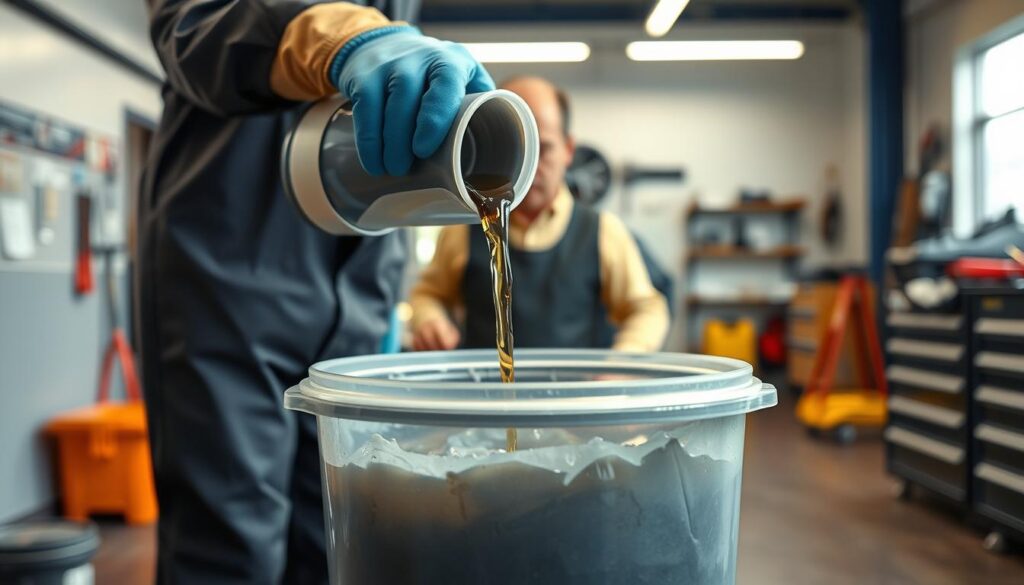
To dispose of brake fluid properly, you should take it to a service station, garage, or auto parts store that accepts used brake fluid for recycling or proper disposal. Many communities have designated collection facilities for hazardous waste, including used automotive fluids.
Do not dispose of brake fluid in the trash, down the drain, or on the ground. Such actions can lead to environmental pollution and harm local wildlife.
Recycling Brake Fluid
Some service centers and recycling facilities can recycle used brake fluid. The process typically involves purifying the used fluid so it can be used again. This not only reduces waste but also conserves resources.
When looking for a place to recycle your used brake fluid, you can contact local garages or auto repair shops to see if they participate in brake fluid recycling programs. Some communities also host special collection events for hazardous household waste, which may include used brake fluid.
Troubleshooting Common Issues
Troubleshooting is a crucial step after a DIY brake fluid change to ensure your vehicle’s safety. Even after a successful procedure, some issues may arise that require immediate attention.
Brake Warning Light Issues
If the brake warning light illuminates after a brake fluid flush, it could indicate a problem that needs to be addressed. This light can be triggered by low brake fluid levels, which might not have been fully resolved during the DIY process.
To troubleshoot this issue, first, check the brake fluid level to ensure it’s at the recommended level. If the level is adequate, the problem might lie with the brake fluid sensor or another component of the brake system.
“The brake warning light is an essential safety feature that indicates potential issues with your vehicle’s braking system.”
Spongy Brake Feel
A spongy brake feel after a DIY brake fluid change can be concerning. This issue often indicates air in the brake lines or improper bleeding of the brakes.
To resolve a spongy brake feel, you may need to bleed the brakes again, ensuring that all air is removed from the system. It’s also crucial to check for any leaks in the brake lines.
- Inspect the brake lines for any signs of damage or leaks.
- Bleed the brakes again, following the correct sequence.
- Check the brake fluid level and top it off if necessary.
By addressing these common issues, you can ensure that your vehicle’s brake system is functioning properly and safely after a DIY brake fluid change.
FAQs About DIY Brake Fluid Changes
As you consider taking on the task of changing your brake fluid, you likely have several questions about the process. Changing your car’s brake fluid is a crucial maintenance task that ensures your vehicle’s braking system functions properly. Here, we’ll address some of the most frequently asked questions to help guide you through the process.
How Often Should I Change Brake Fluid?
The frequency of brake fluid changes depends on several factors, including your vehicle’s make and model, driving conditions, and the type of brake fluid used. Typically, most vehicle manufacturers recommend changing brake fluid every 30,000 to 50,000 miles. However, it’s essential to consult your owner’s manual or speak with a professional mechanic for specific guidance tailored to your vehicle.
- Check your owner’s manual for the recommended maintenance schedule.
- Consider the driving conditions; extreme temperatures or frequent city driving may require more frequent changes.
- Be aware of the signs of degraded brake fluid, such as a spongy brake pedal or dark fluid color.
Can I Mix Different Brake Fluid Types?
Mixing different types of brake fluid is generally not recommended. Brake fluids are formulated to meet specific standards (DOT3, DOT4, DOT5, etc.), and mixing them can lead to compatibility issues, potentially compromising your braking system’s performance and safety. Always check your vehicle’s manual to determine the correct type of brake fluid to use.
“Using the wrong type of brake fluid can lead to serious safety issues, including brake failure. Always refer to your vehicle’s manufacturer guidelines.” –
Key Considerations:
- Ensure the new brake fluid matches the type specified by your vehicle’s manufacturer.
- Avoid mixing brake fluids unless absolutely necessary, and even then, it’s best to consult a professional.
- Regularly inspect your brake fluid’s condition to catch any potential issues early.
By understanding the answers to these common questions, you’ll be better equipped to tackle a DIY brake fluid change, ensuring your vehicle’s braking system remains in top condition.
Conclusion: Your Car Deserves the Best
Maintaining your vehicle’s braking system is crucial for safety and performance. By following the steps outlined in this guide, you’ve taken a significant step towards ensuring your car’s brakes are in top condition through DIY brake maintenance.
The Process Recap
You’ve learned how to remove old brake fluid, fill the reservoir with new fluid, and bleed the brake lines. These steps are essential for effective brake fluid replacement and overall brake health.
Empowering DIY Maintenance
Engaging in DIY brake maintenance not only saves you money but also gives you a deeper understanding of your vehicle’s needs. We encourage you to continue exploring other DIY maintenance tasks to keep your car running smoothly.
By taking control of your car’s maintenance, you’re ensuring its longevity and performance. Regular brake fluid replacement is just one aspect of keeping your vehicle in the best possible condition.