




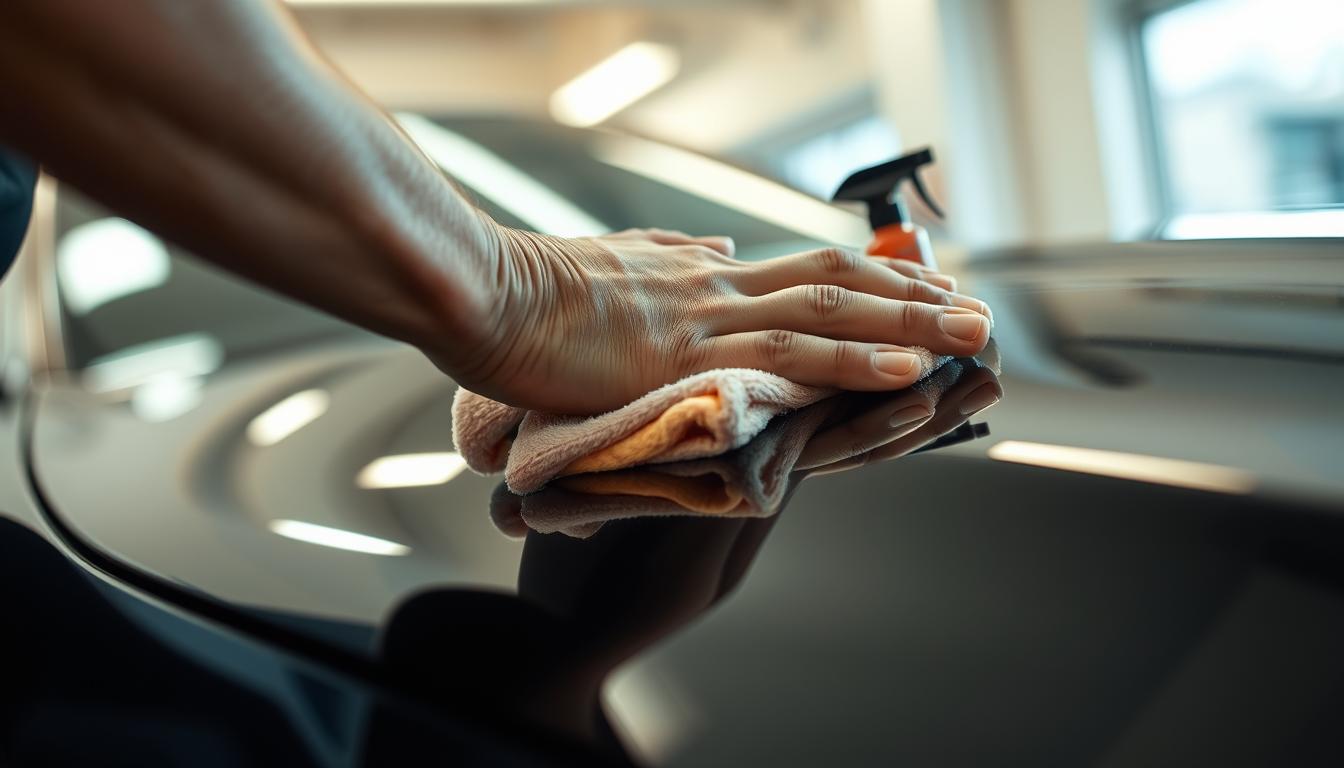
Giving your vehicle a showroom finish doesn’t have to break the bank. With the right techniques and tools, you can achieve professional results at home.
A well-maintained vehicle not only looks great, but it also retains its value better. Our comprehensive DIY car polishing guide will walk you through the process, providing you with car care tips to restore your vehicle’s shine like a pro.
Whether you’re a seasoned vehicle enthusiast or a beginner, this guide will give you the knowledge and confidence to tackle the task.
Key Takeaways
- Learn the best techniques for polishing your vehicle at home.
- Discover the right tools needed for a showroom finish.
- Understand how to maintain your vehicle’s value through proper care.
- Get tips on how to achieve professional results without the professional price tag.
- Boost your confidence in maintaining your vehicle’s appearance.
Understanding the Importance of Car Polishing
The importance of car polishing extends beyond aesthetics, playing a significant role in vehicle maintenance. It’s a process that not only enhances the appearance of your car but also protects its exterior from various environmental factors.
Benefits of Polishing Your Car
Polishing your car offers numerous benefits, including:
- Removing minor scratches and imperfections from the paint surface
- Enhancing the gloss and shine of your car’s finish
- Protecting the paint from UV damage and oxidation
- Improving the overall appearance and resale value of your vehicle
By incorporating regular polishing into your car detailing tips routine, you can maintain your car’s appearance and protect its exterior.
When to Polish Your Vehicle
Knowing when to polish your vehicle is crucial for maximizing its benefits. Consider polishing your car:
- After a new paint job to protect the fresh finish
- When you notice a dull or faded paint surface
- Before applying a new layer of wax or sealant
- At least twice a year as part of your regular maintenance routine
Using the right polishing techniques at the right time can make a significant difference in the outcome. It’s also essential to inspect your car’s paint regularly to determine if polishing is necessary.
Tools and Materials Needed for Car Polishing
To achieve a flawless finish, it’s crucial to have the right tools and materials for car polishing. The quality of your tools and products can significantly impact the outcome of your polishing efforts.
Having the right equipment not only makes the process easier but also ensures that you achieve professional-grade results. In this section, we’ll explore the essential tools and recommended products you need for effective car polishing.
Essential Polishing Tools
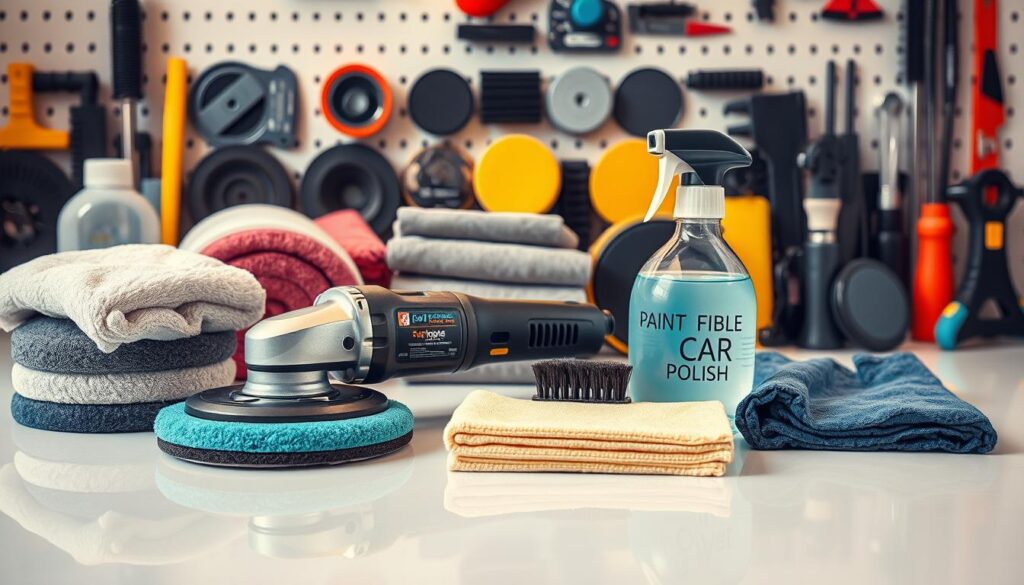
To start polishing your car effectively, you’ll need a few essential tools. These include:
- Orbital Polisher: An orbital polisher is a must-have for efficient and effective polishing. It helps to reduce swirl marks and achieve a uniform finish.
- Microfiber Towels: Microfiber towels are gentle on the car’s surface and are highly effective for drying and polishing.
- Polishing Pads: Various polishing pads are available for different stages of polishing, from coarse cutting to fine finishing.
- Dual-Action Polisher: A dual-action polisher is versatile and safe for various paint types, making it ideal for beginners and professionals alike.
Recommended Polishing Products
Choosing the right polishing products is just as important as having the right tools. Here are some of the best car polishing products to consider:
- Polishing Compounds: These are used to remove imperfections and scratches from the car’s paint surface.
- Car Wax: Applying a high-quality car wax after polishing helps to protect the paint and enhance its shine.
- Detailing Sprays: Detailing sprays can be used between washes to maintain the car’s appearance and protect the paint.
- Paint Cleaners: Paint cleaners are used to remove contaminants and prepare the surface for polishing.
Following these car care tips and using the best car polishing products will help you achieve a showroom-quality finish. Remember to always read the instructions on the products you’re using and test them on a small area first.
How to Prepare Your Car for Polishing
The key to a successful car polishing process lies in the preparation. Proper preparation ensures that your car is in the best condition to achieve a flawless finish.
Cleaning Your Car Thoroughly
Before polishing, your car needs to be thoroughly cleaned to remove dirt, dust, and other contaminants that could interfere with the polishing process. Start by washing your car using a mild soap and dry it with a microfiber towel to prevent scratches.
Tips for a thorough clean:
- Use a soft-bristle brush to clean wheel wells and crevices.
- Clean the wheels and tires separately using appropriate cleaners.
- Dry the car thoroughly, paying extra attention to areas around the trim and moldings.
Inspecting the Paint for Damage
After cleaning, inspect the paint for any damage or imperfections. Look for scratches, swirl marks, or areas where the paint may be chipped or faded. This step is crucial in determining the appropriate polishing technique and products to use.
| Type of Damage | Description | Recommended Action |
|---|---|---|
| Minor Scratches | Small, superficial scratches | Use a light polishing compound |
| Deep Scratches | Scratches that penetrate the clear coat | Consider using a scratch remover or touch-up paint |
| Swirl Marks | Circular marks from improper washing | Use a swirl remover or a polishing compound |
Protecting Trim and Accessories
To prevent damage to your car’s trim and accessories during polishing, it’s essential to protect them. Use masking tape to cover areas you don’t want to polish, such as rubber trim, emblems, and moldings.
Additional Tips:
- Remove any accessories that could get in the way or be damaged.
- Cover the surrounding areas with a drop cloth or old sheets to catch any overspray.
Step-by-Step Car Polishing Process
Now that your car is clean and prepared, it’s time to dive into the polishing process. Polishing is a crucial step that not only enhances the appearance of your vehicle but also protects the paint from environmental factors.
Identifying Paint Types
Before you start polishing, it’s essential to identify your car’s paint type. Different paints require different polishing techniques. The most common types are solid, metallic, and pearlescent paints.
- Solid paints are single-color and straightforward to polish.
- Metallic paints contain metal flakes and require a bit more care to avoid scratching.
- Pearlescent paints have a special coating that gives them a shimmering effect and may need specialized polishing products.
Choosing the Right Polishing Technique
The polishing technique you choose depends on the paint type and the level of correction needed. For beginners, a dual-action polisher is recommended as it’s easier to use and less likely to cause damage.
| Polishing Technique | Best For | Skill Level |
|---|---|---|
| Dual-Action Polishing | Most paint types, minor defects | Beginner |
| Rotary Polishing | Deep scratches, heavy correction | Advanced |
For those new to car polishing, starting with a gentle polishing compound and gradually moving to more aggressive products if needed is advisable.
Working in Sections
To achieve a uniform finish, it’s crucial to work in sections. Divide your car’s surface into manageable areas, and complete one section at a time. This ensures that you don’t miss any spots and helps in maintaining even coverage.
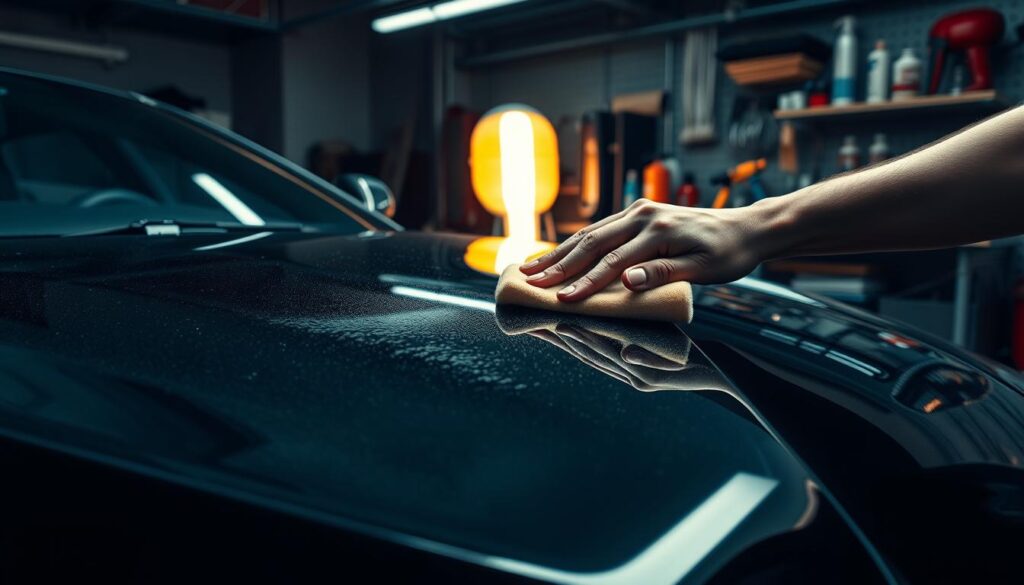
By following these steps and choosing the right techniques for your car’s paint type, you’ll be able to achieve a professional-looking finish. Remember, practice makes perfect, so don’t be discouraged by initial results.
Machine Polishing vs. Hand Polishing
To achieve professional car polishing results, understanding the differences between machine and hand polishing is essential. Both methods have their place in car detailing tips, and the right choice depends on your level of experience, the type of paint, and the desired outcome.
Pros and Cons of Each Method
Machine polishing is generally faster and more efficient, especially for larger vehicles or for addressing deep scratches and swirls. However, it requires some skill to avoid damaging the paint. Hand polishing, on the other hand, offers more control and is suitable for smaller areas or delicate surfaces.
- Machine Polishing Pros: Efficient, faster, effective for deep scratches
- Machine Polishing Cons: Requires skill, risk of paint damage
- Hand Polishing Pros: More control, suitable for small or delicate areas
- Hand Polishing Cons: Time-consuming, labor-intensive
When to Choose Machine Polishing
Machine polishing is ideal for:
- Large vehicles or surfaces
- Deep scratches or heavy oxidation
- When you have a lot of experience or are using a dual-action polisher
It’s also a good choice when you’re looking to achieve consistent results across a large area.
Techniques for Hand Polishing
For hand polishing, it’s essential to use the right technique to avoid creating swirls or scratches. Here are some car detailing tips for hand polishing:
- Use a soft, clean cloth or applicator pad
- Apply moderate pressure in a circular motion
- Work in small sections to maintain even coverage
By understanding the pros and cons of machine and hand polishing, you can choose the best method for your car detailing needs and achieve a showroom shine.
Best Polishing Techniques for Beginners
As a beginner, mastering the right car polishing techniques is crucial for achieving a flawless finish. Polishing your car can seem daunting, but with the right approach, you can achieve professional-looking results.
Circular Motion vs. Straight Lines
When it comes to polishing your car, the direction of your strokes can significantly impact the outcome. There are two primary techniques: circular motion and straight lines. Circular motion is generally recommended for beginners because it helps prevent swirl marks and ensures an even finish.
- Circular motion polishing involves moving the polishing pad in a circular pattern, overlapping each pass to ensure thorough coverage.
- Straight line polishing can be more challenging, as it requires maintaining a consistent direction and avoiding overlap.
For most beginners, starting with a dual-action polisher can help simplify the process, as it combines the benefits of both circular motion and random orbital motion.
Pressure and Speed Guidelines
Applying the right amount of pressure and maintaining the correct speed are critical for effective car polishing. Too much pressure can damage the paint, while too little may not adequately address imperfections.
- Start with medium pressure and adjust as needed based on the polisher’s performance and the paint’s condition.
- Keep the polisher moving at a steady pace to avoid generating excessive heat, which can damage the paint.
For how to polish your car effectively, it’s essential to follow these guidelines and practice on a small, inconspicuous area first.
Common Mistakes to Avoid While Polishing
Achieving a flawless finish while polishing your car requires more than just the right tools; it demands a thorough understanding of common mistakes to avoid. Even with the best intentions, it’s easy to make errors that can lead to a subpar finish.
Over-Polishing Risks
One of the most significant risks during the car polishing process is over-polishing. This occurs when too much pressure is applied or when the polishing process is prolonged, leading to damage to the paint surface. Over-polishing can result in swirl marks, scratches, or even removal of the paint layer, compromising the integrity of the vehicle’s finish.
To avoid over-polishing, it’s essential to use the right amount of pressure and to work in small, manageable sections. This approach not only helps in maintaining even pressure but also ensures that the polishing compound is evenly distributed.
Ignoring Surface Preparation
Another critical mistake is ignoring surface preparation. Proper preparation involves thoroughly cleaning the car’s surface to remove dirt, tar, and other contaminants that can interfere with the polishing process. Failing to do so can lead to scratches or uneven polishing.
Before polishing, inspect the paint for any damage or contaminants. Use appropriate cleaning products to remove tar, bug splatters, and other substances that can affect the polishing outcome. Ensuring the surface is clean and free of debris is a crucial step in achieving a professional-grade finish.
By being aware of these common mistakes and taking steps to avoid them, you can ensure a successful car polishing experience. Remember, the key to a flawless finish lies in the details of your preparation and technique.
How to Maintain Your Polished Finish
The real challenge begins after polishing your car – maintaining that flawless finish. To keep your vehicle looking its best, it’s essential to follow a regular maintenance routine.
Recommended Waxing Techniques
Waxing is a critical step in maintaining your car’s polished finish. It provides a protective layer against environmental elements and enhances the shine. When choosing a wax, consider the type of paint your car has and the climate you live in.
- Synthetic Wax: Offers durability and is easier to apply and remove.
- Carnauba Wax: Provides a deep, warm glow but may not last as long as synthetic wax.
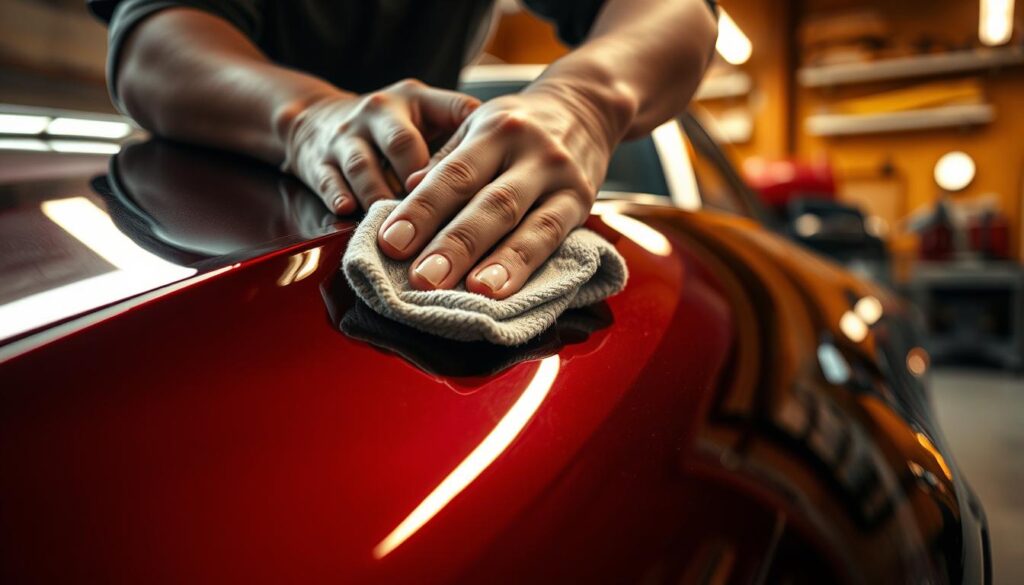
To apply wax effectively, use a clean, soft cloth and work in small circular motions. Ensure you cover the entire surface evenly and avoid applying wax in direct sunlight.
Regular Maintenance Tips
Regular maintenance is key to preserving your car’s polished finish. Here are some tips to keep your vehicle looking its best:
- Wash your car regularly using a mild soap and dry it thoroughly to prevent water spots.
- Avoid parking under trees or in areas where your car may be exposed to excessive dirt or debris.
- Use a microfiber cloth to dust your car regularly.
| Maintenance Task | Frequency | Benefits |
|---|---|---|
| Washing | Weekly | Removes dirt and contaminants |
| Waxing | Every 2-3 months | Protects paint and enhances shine |
| Dusting | Bi-Weekly | Prevents dust buildup |
By following these recommended waxing techniques and regular maintenance tips, you can enjoy a long-lasting, polished finish on your vehicle.
Environmentally Friendly Polishing Options
Environmentally conscious car owners are seeking alternatives to traditional car polishing techniques that are kinder to the planet. As a result, the market has seen a rise in eco-friendly car care products and methods that not only reduce environmental impact but also provide effective results.
One of the key aspects of environmentally friendly polishing is the use of biodegradable products. These products are designed to break down naturally in the environment, reducing the risk of pollution and harm to wildlife.
Biodegradable Products to Consider
When it comes to choosing biodegradable polishing products, there are several options available. Some of the top brands offer a range of eco-friendly products that are free from harsh chemicals and toxins.
- Eco-Friendly Polishing Compounds: Look for products that are labeled as biodegradable and non-toxic.
- Natural Wax: Carnauba wax and other natural waxes are biodegradable and provide a protective layer for your car’s paint.
- Plant-Based Cleaners: Many car care brands now offer plant-based cleaners that are gentle on surfaces and the environment.
Eco-Friendly Polishing Techniques
Adopting eco-friendly polishing techniques is just as important as using the right products. Here are some methods to consider:
- Waterless Polishing: Some products allow for waterless polishing, reducing water waste.
- Microfiber Cloths: Using microfiber cloths can reduce the need for paper towels and other disposable materials.
- Minimal Product Usage: Using the right amount of product can minimize waste and reduce environmental impact.
| Eco-Friendly Technique | Benefits |
|---|---|
| Waterless Polishing | Reduces water waste, conserves resources |
| Microfiber Cloths | Reusable, reduces paper waste |
| Minimal Product Usage | Reduces chemical waste, saves money |
By adopting these environmentally friendly polishing options, car enthusiasts can contribute to a more sustainable future while maintaining their vehicles.
Understanding Paint Correction
To restore your car’s paint to a like-new condition, it’s essential to grasp the fundamentals of paint correction. This process is designed to remove imperfections from the paint surface, enhancing the overall appearance of your vehicle.
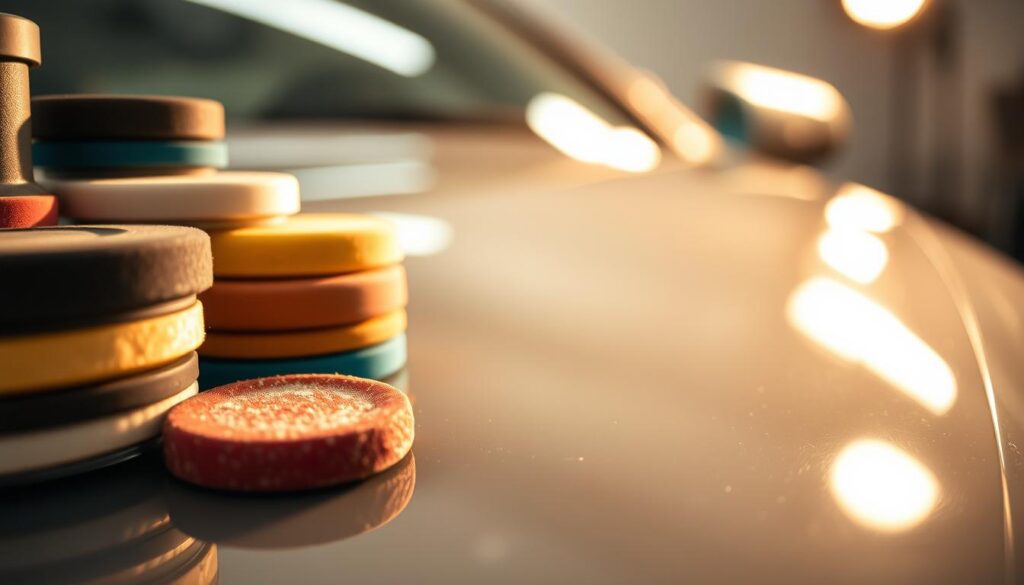
Paint correction is a meticulous process that involves removing defects such as swirl marks, scratches, and oxidation. It’s a technique that requires patience, the right tools, and a thorough understanding of the paint type you’re working with.
What is Paint Correction?
Paint correction is a multi-step process that involves cleaning, polishing, and protecting your car’s paint. It’s aimed at removing imperfections and achieving a high-gloss finish. The process can be done by hand or with the aid of machines, depending on the severity of the defects.
When to Consider Paint Correction
You should consider paint correction if your car’s paint is showing signs of wear, such as swirl marks, scratches, or dullness. It’s also a good idea to correct your car’s paint before applying a protective coating or wax to ensure the best possible results.
By understanding paint correction and when to apply it, you can keep your car looking its best and protect its paint for years to come.
Safety Tips While Polishing Your Car
Safety first is a mantra that should guide you through every step of your car polishing journey. Ensuring your safety while detailing your vehicle not only protects you from potential hazards but also makes the entire process more enjoyable and rewarding.
Gear and Protective Equipment
Having the right gear and protective equipment is fundamental to safe car polishing. This includes safety glasses to protect your eyes from debris, gloves to safeguard your hands, and a dust mask to prevent inhalation of dust and chemical particles. Wearing the correct attire, such as long sleeves and pants, can also minimize skin exposure to harsh chemicals.
Additionally, using a polishing machine with a proper backing plate and polishing pads can help prevent accidents caused by equipment malfunction. Always inspect your equipment before use to ensure it’s in good working condition.
Working in a Safe Environment
Creating a safe working environment is just as important as wearing protective gear. Ensure your workspace is well-ventilated to prevent the buildup of fumes from polishes and waxes. It’s also crucial to work in a well-lit area so you can see the surface you’re working on clearly, helping you identify any defects or areas that need extra attention.
Keep your workspace organized and free from clutter to avoid tripping hazards and ensure you have enough room to maneuver around your vehicle. If you’re working in a garage, make sure the floor is clear of obstacles and consider using a non-slip mat to prevent slipping.
Troubleshooting Car Polishing Issues
The path to a perfectly polished car isn’t always smooth, but with the right troubleshooting tips, you can achieve professional results. Even experienced detailers encounter issues, but knowing how to address them is key to a flawless finish.
Addressing Swirls and Scratches
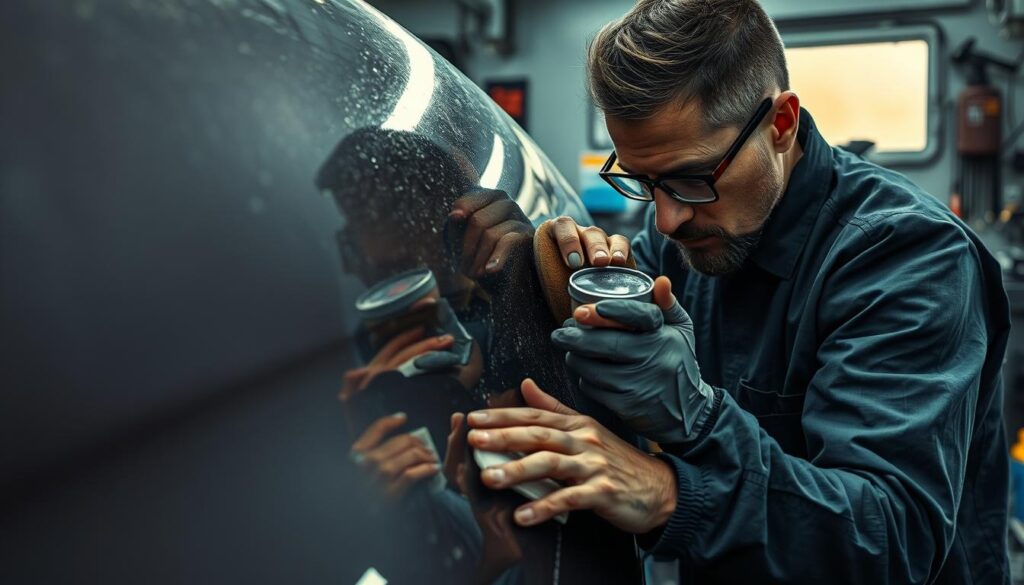
Swirls and scratches are common defects that can occur during the polishing process. To address these issues, it’s essential to understand their causes. Swirls are typically caused by improper polishing techniques or using the wrong polish for your car’s paint type.
To fix swirls: Use a polish specifically designed for your car’s paint type and apply it using a circular motion with a dual-action polisher.
To fix scratches: Assess the scratch depth. For light scratches, a polishing compound may be sufficient. Deeper scratches may require a scratch remover or even professional paint correction.
Fixing Different Types of Defects
Different defects require different approaches. For instance, oxidation on the paint surface can be addressed with a polish that contains ingredients to break down and remove oxidation.
- For water spots, use a product specifically designed to remove mineral deposits.
- For tar or bug splatters, use a gentle adhesive remover to avoid damaging the paint.
By understanding the cause of the defect and using the right products and techniques, you can effectively troubleshoot common car polishing issues and achieve a showroom-quality finish.
Final Touches After Polishing
With the polishing process complete, your car is now ready for the final touches that will leave it looking showroom-new. A thorough final inspection is crucial to ensure that every detail is perfect.
Inspecting and Touching Up
Carefully inspect the paint surface for any remaining imperfections or areas that may have been missed during the polishing process. Use a detailing spray and a microfiber cloth to touch up any minor blemishes. For more significant defects, consider revisiting the polishing process or seeking professional assistance.
Achieving a Perfect Shine
To maintain that perfect shine, follow some essential car care tips. Regularly washing your car with a mild soap and drying it with a microfiber towel will help prevent water spots. Applying a high-quality wax or sealant will provide a protective layer against the elements, keeping your car’s finish looking vibrant for months to come.
By following these final touches and car care tips, you can enjoy a beautifully polished car that turns heads on the road.