




Maintaining your vehicle’s interior is crucial for both aesthetic appeal and longevity. Small tears and burns on car seats can significantly detract from your car’s overall interior. Fortunately, addressing these issues doesn’t have to break the bank or require professional assistance.
With a little patience and the right guidance, you can restore your car’s interior to its former glory. DIY repairs for minor damages are not only cost-effective but also a fulfilling way to personalize your vehicle’s interior.
Restoring your car seat upholstery can be a straightforward process if you have the right tools and techniques. By taking on these repairs yourself, you can ensure a seamless integration with the existing interior.
Key Takeaways
- Maintaining your vehicle’s interior is important for its overall appeal and longevity.
- DIY repairs for small tears and burns are cost-effective and fulfilling.
- Restoring car seat upholstery can be straightforward with the right tools and techniques.
- Personalizing your vehicle’s interior through DIY repairs can enhance its overall look.
- Addressing minor damages promptly can prevent further deterioration.
Understanding DIY Car Upholstery Repair
Car upholstery maintenance is crucial for the longevity and aesthetic appeal of your vehicle. A well-maintained interior not only enhances the driving experience but also preserves the value of your car.
Importance of Upholstery Maintenance
Regular car upholstery cleaning and maintenance can prevent dirt and debris from accumulating and causing damage. This proactive approach helps in preserving the fabric or leather, ensuring it remains in good condition for a longer period.
Moreover, maintaining your car’s upholstery can significantly impact its resale value. A clean and well-cared-for interior suggests that the vehicle has been well-looked-after overall.
Common Issues in Car Upholstery
Common issues such as tears, burns, and stains are frequent problems faced by car owners. These issues can arise from daily wear and tear or accidental damage.
For instance, tears can occur due to sharp objects or excessive wear on seams, while burns are often caused by cigarettes or other hot objects coming into contact with the upholstery.
| Issue | Cause | Impact |
|---|---|---|
| Tears | Sharp objects, wear on seams | Aesthetic damage, potential for further tearing |
| Burns | Cigarettes, hot objects | Permanent damage, potential for further deterioration |
| Stains | Spills, dirt accumulation | Aesthetic damage, potential for permanent staining |
Benefits of DIY Repairs
Opting for do-it-yourself car interior repair can be highly beneficial. It allows car owners to address issues promptly without incurring the costs associated with professional repairs.
DIY repairs also offer the flexibility to work at your own pace and the satisfaction of having completed the repairs personally.
By understanding the basics of DIY car upholstery repair, car owners can take the first step towards maintaining their vehicle’s interior. Whether it’s cleaning, repairing tears, or addressing burns, taking a proactive and hands-on approach can make a significant difference.
Tools and Materials Needed for Repair
To successfully repair small tears and burns in your car’s upholstery, you’ll need to have the right tools and materials at your disposal. A well-prepared toolkit not only makes the job easier but also ensures a professional-looking finish.
Essential Tools for the Job
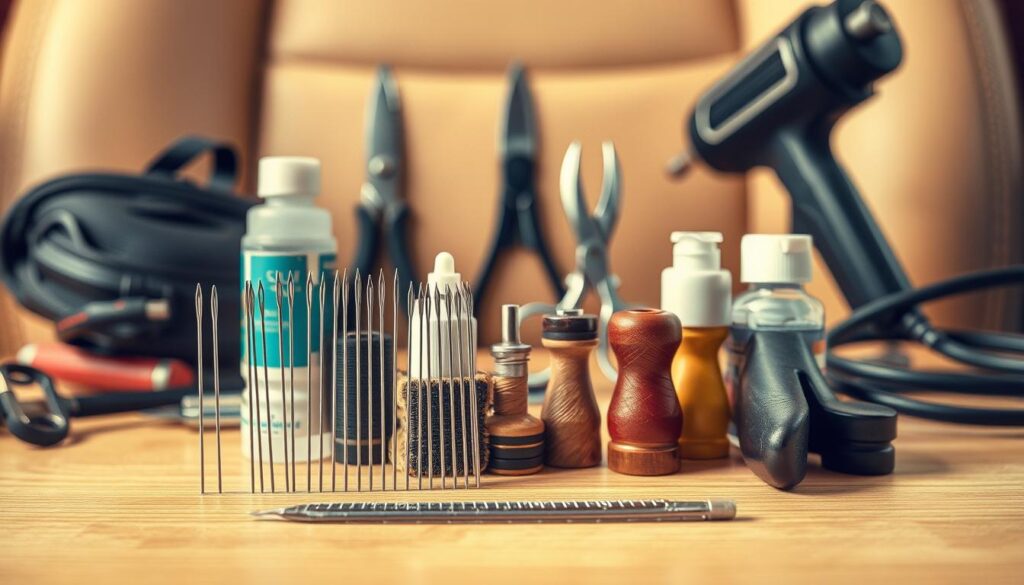
Having the right tools is crucial for any DIY project, including car upholstery repair. Some of the essential tools you’ll need include:
- A good quality upholstery needle
- Threads that match the color of your upholstery
- A sharp utility knife or scissors for cutting fabric
- A fabric glue suitable for the type of fabric you’re working with
- A patch kit specifically designed for upholstery repair
Recommended Upholstery Fabrics
Choosing the right fabric for your repair is just as important as having the right tools. For leather car seat repair, you’ll need a leather patch or repair kit that matches the original leather as closely as possible. For fabric upholstery, select a fabric that matches the original in terms of color, texture, and durability.
Adhesives and Repair Kits to Consider
The type of adhesive or repair kit you choose will depend on the material of your car’s upholstery. For leather repairs, a leather adhesive or a repair kit that includes a special adhesive is recommended. For fabric, a fabric glue or a general upholstery repair kit should suffice. Always follow the manufacturer’s instructions for the best results.
By gathering the necessary tools and materials, you’ll be well on your way to a successful DIY car upholstery repair. Whether you’re fixing a small tear or a burn mark, being prepared is key to a professional-looking finish.
Assessing the Damage
Before you start repairing your car’s upholstery, it’s crucial to assess the extent of the damage. This step is vital in determining the right approach for the repair and ensuring that you have the necessary materials.
Identifying Small Tears
Small tears can be easy to overlook, but they can lead to more significant problems if not addressed. To identify small tears, inspect your car’s upholstery thoroughly, paying special attention to areas around seams and creases where tears commonly occur.
Spotting Burn Marks
Burn marks can be particularly challenging to repair because they often involve damaged fabric that cannot be easily restored. Look for discoloration or charred areas on the upholstery, which can indicate burn damage.
Evaluating the Severity of the Damage
Once you’ve identified any tears or burn marks, it’s essential to evaluate the severity of the damage. Consider the size of the affected area and whether the damage is superficial or extends deeper into the fabric. This evaluation will help you decide whether a DIY repair is feasible or if professional help is needed.
For effective DIY car upholstery repair, understanding the extent of the damage is key. By carefully assessing the condition of your car’s upholstery, you can choose the most appropriate repair method and materials, ensuring a successful restoration.
Preparing the Area for Repair
A well-prepared workspace is essential for effective car seat upholstery repair. Before starting the repair, it’s crucial to prepare the area to ensure a smooth and successful process.
Cleaning the Upholstery
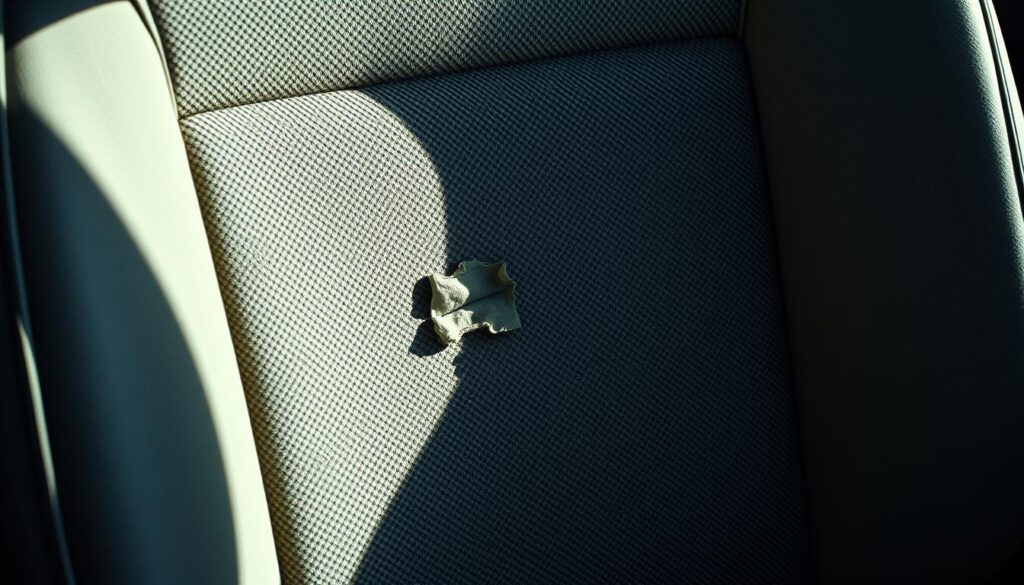
The first step in preparing the area is to clean the upholstery thoroughly. Use a gentle cleaning product suitable for the type of fabric you’re dealing with. For instance, if you’re working with leather, use a leather cleaner. For fabric upholstery, a mild detergent mixed with water should suffice. Gently scrub the area with a soft-bristled brush or a clean cloth, working from the outside in to prevent spreading the dirt or stain.
Removing Loose Threads or Debris
After cleaning, inspect the area for any loose threads or debris. Remove any loose material to prevent it from getting in the way of the repair or causing further damage. Use a pair of tweezers or a small, sharp tool to carefully remove any debris. This step is crucial for achieving a clean and professional-looking repair.
Making Room for the Repair
Finally, make room for the repair by clearing the surrounding area. If you’re working on a car seat, consider removing any covers or trim that might obstruct your work. Use masking tape to protect surrounding areas from accidental damage or overspray if you’re using adhesives or paint.
Here are some key steps to follow when preparing the area:
- Clean the upholstery with an appropriate cleaning solution.
- Remove any loose threads or debris.
- Clear the surrounding area to make room for the repair.
By following these steps, you’ll be able to prepare the area effectively for your DIY car upholstery repair, ensuring a professional-looking result.
Repairing Small Tears in Upholstery
Repairing small tears in your car’s upholstery can be a straightforward task if you have the right techniques and materials. With a little patience and practice, you can restore your car’s interior to its original condition.
Stitching Techniques for Tears
When it comes to do-it-yourself car interior repair, stitching is a fundamental skill. For small tears, a simple running stitch or a whipstitch can be effective. The key is to match the thread color as closely as possible to the upholstery fabric.
- Thread your needle with a matching thread color.
- Bring the needle up through the fabric on one side of the tear, then down through the other side.
- Continue making small stitches along the tear until it’s fully closed.
Using Patch Kits Effectively
For tears that are too large to stitch closed, or for areas where the fabric is too damaged, a patch kit can be a lifesaver. These kits usually include adhesive-backed patches or fabric glue.
| Patch Kit Component | Purpose |
|---|---|
| Adhesive-backed patches | For quick, easy repairs |
| Fabric glue | For bonding fabric pieces together |
Alternatives to Sewing
Not everyone is comfortable with sewing, or perhaps the tear is in a particularly tricky spot. In such cases, alternatives to sewing can be just as effective. Fabric glue or adhesive-backed patches can be used to repair tears without sewing.
For a more durable fix, consider using a reinforcement patch under the tear before applying glue or a patch. This adds an extra layer of strength to the repair.
Fixing Burn Marks in Upholstery
Dealing with burn marks on your vehicle’s upholstery doesn’t have to be a daunting task. With the right techniques and materials, you can restore your car’s interior to its original condition.
How to Assess Burn Damage
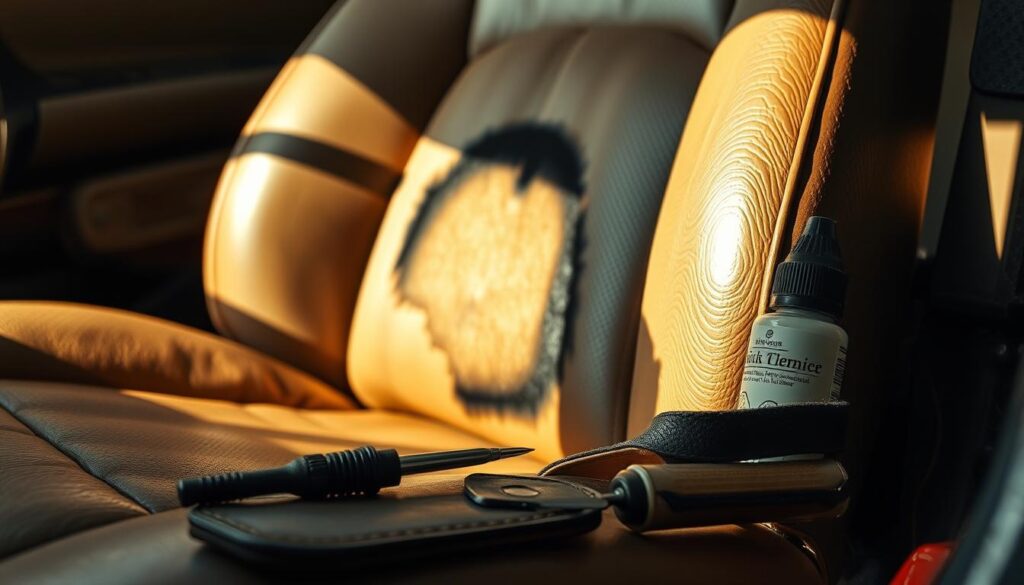
Before you start the repair process, it’s crucial to assess the extent of the burn damage. Minor burn marks might only affect the surface, while more severe burns can penetrate deeper into the fabric or leather.
To assess the damage:
- Examine the burn mark closely to determine its size and depth.
- Check if the burn has damaged the underlying material or just the surface.
- Decide whether the damage can be concealed with paint or dye, or if a patch is needed.
Using Fabric Paint or Dye to Cover Burns
For minor burn marks, using fabric paint or dye can be an effective way to conceal the damage. This method works particularly well for small, superficial burns.
Tips for using fabric paint or dye:
- Choose a color that matches your upholstery as closely as possible.
- Test the paint or dye on an inconspicuous area first to ensure it doesn’t damage the material.
- Apply the paint or dye carefully to the burn mark, following the manufacturer’s instructions.
Applying Patches for Larger Burns
For more extensive burn damage, applying a patch may be necessary. This involves cutting a piece of fabric to match the damaged area and securing it in place.
Steps for applying a patch:
| Step | Description |
|---|---|
| 1 | Cut a patch slightly larger than the damaged area. |
| 2 | Apply adhesive to the back of the patch and the damaged area. |
| 3 | Press the patch firmly onto the damaged area, ensuring it is centered and smooth. |
By following these steps and choosing the right materials, you can effectively repair burn marks on your vehicle’s upholstery, restoring its appearance and prolonging its lifespan.
Color Matching and Fabric Selection
To ensure a professional-looking finish, it’s essential to choose the correct color and fabric for your car’s upholstery repair. This involves a careful selection process that considers the original upholstery’s color, texture, and material.
Choosing the Right Color
Selecting the right color is crucial for a seamless repair. Start by identifying the exact shade of your car’s upholstery. You can do this by consulting your car’s manufacturer manual or by comparing the upholstery to a color chart. It’s also helpful to take a piece of the undamaged upholstery to a professional auto parts store for a precise color match.
When choosing a color, consider the following factors:
- The original color of the upholstery
- The extent of fading or discoloration over time
- The color of other interior components, such as carpets and dashboard trim
Finding Compatible Fabrics
Once you’ve selected the right color, the next step is to find a compatible fabric. The type of fabric used for your car’s upholstery depends on several factors, including the car’s make and model, as well as personal preference. Common types of upholstery fabric include vinyl, leather, and synthetic materials.
To ensure compatibility, it’s recommended to use the same type of fabric as the original upholstery. You can source this information from your car’s manufacturer or by inspecting the upholstery itself.
| Fabric Type | Characteristics | Recommended Use |
|---|---|---|
| Vinyl | Durable, easy to clean, resistant to stains | Family cars, vehicles with heavy use |
| Leather | Luxurious feel, durable, requires maintenance | Luxury vehicles, classic cars |
| Synthetic | Affordable, versatile, can mimic other materials | Budget-friendly options, custom designs |
Where to Buy Upholstery Materials
Upholstery materials can be sourced from a variety of suppliers, both online and offline. Auto parts stores, online marketplaces like Amazon, and specialty upholstery stores are good places to start your search. When purchasing online, be sure to read reviews and check the seller’s ratings to ensure you’re getting high-quality materials.
By carefully selecting the right color and fabric, and sourcing materials from reputable suppliers, you can achieve a professional-looking finish for your DIY car upholstery repair. This not only enhances the appearance of your vehicle but also contributes to its overall value and longevity.
Techniques for Upholstery Repair
Effective DIY car upholstery repair hinges on selecting the appropriate techniques for the job, whether it’s hand stitching or using a machine. The choice of technique can significantly impact the durability and appearance of the repair.
Hand Stitching vs. Machine Stitching
When it comes to stitching, there are two primary methods: hand stitching and machine stitching. Hand stitching offers precision and control, making it ideal for small, intricate repairs. It’s a time-consuming process, but the results can be very rewarding. On the other hand, machine stitching is faster and more consistent, suitable for larger repairs or for those who are less experienced with hand stitching.
Temporary Fixes for Urgent Repairs
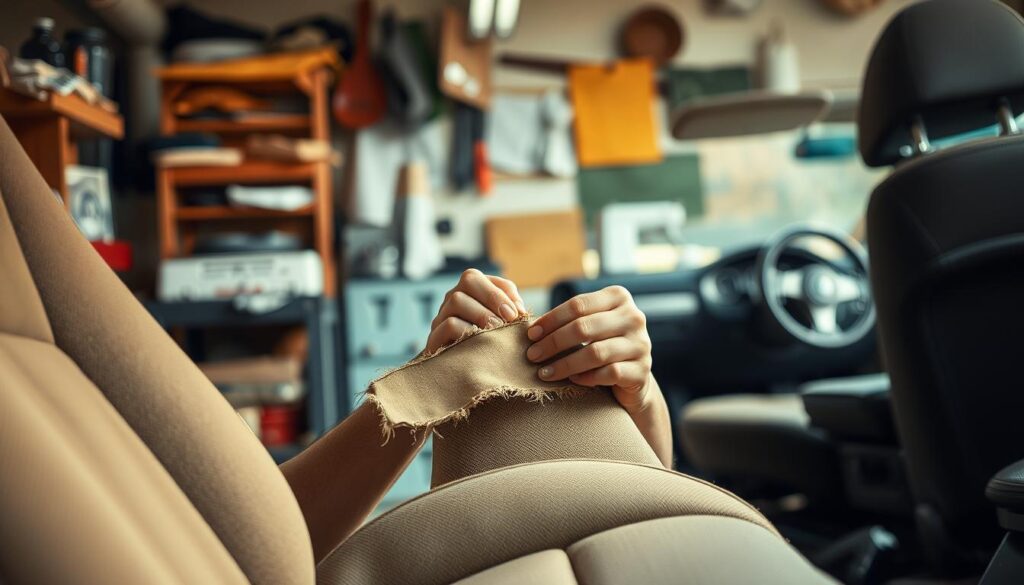
Sometimes, a quick fix is necessary to get your car back to a usable state. Temporary fixes can involve simple measures like using fabric glue to hold a tear together or applying a patch to cover a damaged area. While these fixes are not permanent solutions, they can be effective in the short term, giving you time to plan a more thorough repair.
Long-term Solutions for Durability
For a more durable repair, it’s essential to focus on long-term solutions. This might involve reupholstering the entire seat or using high-quality materials and techniques to ensure the repair lasts. Using the right adhesives, matching the fabric as closely as possible, and employing sturdy stitching techniques are all crucial for a durable repair.
By understanding and applying these techniques, you can achieve a professional-looking repair that enhances the overall appearance and longevity of your car’s interior.
Tips for a Professional Finish
Elevate your DIY auto upholstery repair with these expert tips on achieving a seamless and professional finish. A well-executed repair not only enhances the appearance of your vehicle but also extends the lifespan of the upholstery.
Ensuring Smooth Adhesion
To achieve a smooth finish, it’s crucial to ensure that any adhesive or fabric patch adheres properly to the upholstery surface. Start by cleaning the area around the repair thoroughly to remove dirt, oils, or old adhesive residue. Use a gentle adhesive remover or a mixture of soap and water for this purpose.
Apply even pressure across the patched area to prevent air bubbles or wrinkles. If necessary, use a clamp or a heavy object to keep the patch in place while it dries. For larger repairs, consider using a spray adhesive that covers a broader area, ensuring a uniform bond.
Avoiding Common Mistakes
One of the most common mistakes in DIY auto upholstery repair is using the wrong type of fabric or adhesive. Always choose materials that are compatible with your vehicle’s upholstery. For instance, if your car’s seats are made of leather, using a vinyl adhesive and patch is more appropriate than cotton fabric.
Another mistake is not allowing sufficient drying time for adhesives or paints. Rushing this process can lead to a subpar finish. Be patient and follow the manufacturer’s instructions for drying times to ensure a durable and professional-looking repair.
Final Touches for a Neat Look
Once the repair is complete and the adhesive or paint is fully dry, inspect the area for any imperfections. Use a fabric or leather finisher to give the repaired area a uniform sheen that matches the surrounding upholstery.
Pay attention to the details, such as ensuring that stitching is even and not visible from the outside if you’re repairing a visible seam. For added protection and to maintain the new appearance, consider applying a fabric protector or conditioner to the repaired area.
By following these tips, you can achieve a professional finish in your DIY auto upholstery repair, enhancing both the look and durability of your vehicle’s interior.
Caring for Your Upholstery Post-Repair
After investing time and effort into repairing your car’s upholstery, it’s crucial to maintain it properly. Proper maintenance not only extends the life of your upholstery but also keeps your car’s interior looking its best.
Cleaning Recommendations
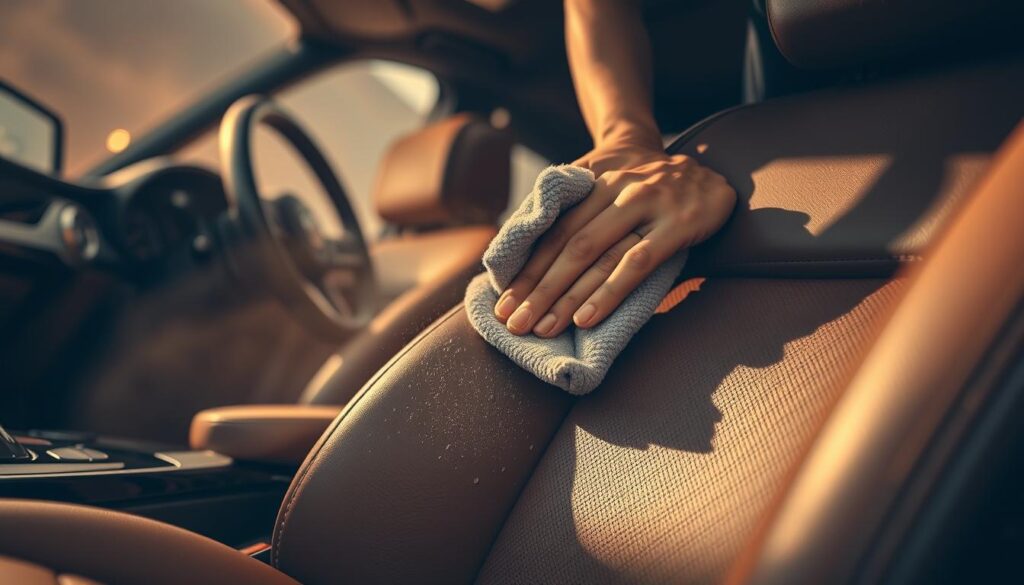
Regular cleaning is a vital part of upholstery maintenance. For most fabrics, a gentle cleaning solution and a soft-bristled brush can effectively remove dirt and stains. It’s essential to test any cleaning product on an inconspicuous area first to ensure it doesn’t damage the fabric.
Tips for Effective Cleaning:
- Vacuum regularly to remove loose dirt and debris.
- Use a cleaning product suitable for your upholstery type.
- Avoid harsh chemicals that can damage or discolor the fabric.
- Gently blot stains; never rub vigorously.
Preventative Measures to Avoid Future Damage
Prevention is key to maintaining your car’s upholstery. Simple measures can significantly reduce the risk of future damage.
As a seasoned car enthusiast once said,
“The best repair is the one you never have to make.”
This underscores the importance of preventative care.
To avoid future damage, consider the following:
- Avoid eating or drinking in the car to reduce the risk of spills and stains.
- Use seat covers or protective mats to shield your upholstery from wear and tear.
- Keep your car out of direct sunlight when possible to prevent fading.
- Regularly inspect your upholstery for signs of wear or damage.
By following these guidelines, you can enjoy a well-maintained car interior for years to come. Remember, a little care and attention go a long way in preserving the quality and appearance of your car’s upholstery.
When to Seek Professional Help
While DIY car upholstery repair can be a cost-effective solution, there are instances where seeking professional help is the best course of action. Extensive damage, complex designs, or high-end materials may require the expertise of a professional to restore your car’s upholstery to its original condition.
Signs That Indicate a Need for Professionals
Several signs indicate that it’s time to seek professional help for your car’s upholstery repair. These include:
- Large tears or cuts that expose the underlying structure
- Deep burn marks that have damaged multiple layers of the upholstery
- Complex patterns or designs that are difficult to replicate
- High-end or luxury materials that require specialized care
If you’re dealing with any of these issues, it’s likely that a professional will be better equipped to handle the repair.
Weighing Costs of DIY vs. Professional Repairs
When deciding between DIY and professional repairs, cost is a significant factor. While DIY repairs can be cost-effective for minor damages, professional repairs may be more economical in the long run for extensive damages. Professional repairs can ensure a durable and long-lasting fix, potentially saving you money on future repairs.
For instance, a professional can restore your car’s leather car seat repair or handle complex automotive upholstery restoration tasks with precision and quality, ensuring that the repair is virtually invisible and durable.
Success Stories and Testimonials
Many DIY enthusiasts have successfully restored their car’s interior to its former glory, and their stories can inspire you to take on your own upholstery repair project. The world of DIY car upholstery repair is filled with individuals who have taken on challenging projects and achieved remarkable results.
Real-life Experiences with DIY Repairs
One car owner, John, shared his experience of repairing a significant tear on his car’s rear seat. Using a DIY patch kit and some patience, he was able to restore the seat to its original condition, saving over $500 in the process. Such DIY car upholstery repair projects not only save money but also provide a sense of accomplishment.
Inspiring Stories of Successful Repairs
The story of Emily, who restored her vintage car’s interior using do-it-yourself car interior repair techniques, is truly inspiring. She documented her entire process online, providing valuable insights and tips for others undertaking similar projects. Emily’s dedication and attention to detail resulted in a beautifully restored interior that looked like new.
Tips from DIY Enthusiasts
DIY enthusiasts who have undertaken car upholstery repair projects often share their tips and tricks online. One common piece of advice is to take your time and be meticulous in your work. Rushing through a repair can lead to subpar results. Additionally, using the right materials and tools is crucial for a professional-looking finish.
Some key takeaways from experienced DIYers include:
- Always clean the area thoroughly before starting the repair.
- Use a patch kit that matches your car’s upholstery as closely as possible.
- Practice your stitching technique on a scrap piece of fabric before working on the actual repair.
By following these tips and learning from the experiences of others, you can achieve a successful DIY car upholstery repair that enhances your car’s interior and overall value.
Resources and Further Reading
For those who want to dive deeper into the world of vehicle upholstery repair, there are numerous resources available. Whether you’re looking for a comprehensive guide or a quick tutorial, these resources can help you master the skills needed for automotive upholstery restoration.
Recommended Books
Several books offer in-depth guides on car upholstery repair. These books cover various techniques, from basic stitching to complex upholstery restoration. They are invaluable resources for anyone looking to improve their skills.
Online Tutorials and Videos
Websites like YouTube and specialized DIY forums host a wealth of video tutorials on vehicle upholstery repair. These tutorials provide step-by-step instructions and visual guidance, making it easier to understand complex repair techniques.
Forums and Communities
Joining online forums and communities dedicated to DIY car repairs can be incredibly beneficial. These platforms allow you to share experiences, ask questions, and learn from others who have undertaken similar projects, including those related to automotive upholstery restoration and vehicle upholstery repair tutorial.