





Giving your vehicle a sleek, customized look can be achieved through DIY window tinting. Not only does it enhance the appearance of your car, but it also provides several practical benefits, including reduced glare and protection from UV rays.
Following a step-by-step guide is crucial for achieving professional-looking results. This tutorial will walk you through the process, ensuring that you can successfully tint your vehicle’s windows at home.
Key Takeaways
- Understand the benefits of DIY window tinting
- Learn the step-by-step process for tinting your vehicle’s windows
- Discover how to achieve a professional-looking finish at home
- Identify the necessary tools and materials for the job
- Gain confidence in customizing your vehicle’s appearance
Understanding the Benefits of Window Tinting
The advantages of window tinting extend far beyond mere looks, providing improved privacy, UV protection, and more. “Window tinting is a simple and effective way to enhance your vehicle’s overall comfort and security,” says a leading expert in automotive customization.
Improved Privacy and Security
One of the primary benefits of window tinting is the enhanced privacy it offers. By reducing visibility into your vehicle, you can protect your personal belongings and reduce the risk of break-ins. This is particularly important for drivers who often carry valuable items or travel with expensive equipment.
UV Protection and Heat Reduction
Window tinting also provides significant UV protection, blocking up to 99% of harmful ultraviolet rays that can damage your skin and the interior of your vehicle. Additionally, it helps in reducing heat buildup inside the car, making your driving experience more comfortable, especially during hot summer months.
“Window films can reject up to 65% of solar heat, significantly reducing the load on your air conditioning system and improving fuel efficiency.”
Enhanced Aesthetic Appeal
Besides the functional benefits, window tinting can also enhance your vehicle’s appearance. With various shades and types of tint available, you can customize the look of your car to suit your personal style. Whether you prefer a subtle, nearly invisible tint or a darker shade for a more dramatic effect, there’s an option to match your preferences.
By understanding these benefits, you can make an informed decision about whether window tinting is right for you. Not only can it improve your driving experience, but it can also add value to your vehicle.
Types of Window Tint Film Available
For those embarking on a DIY auto window tinting project, understanding the different types of window tint films is essential. The right tint can enhance your vehicle’s appearance, improve energy efficiency, and increase privacy. With several options available, each with its unique benefits and drawbacks, making an informed decision is crucial.

Dyed Window Tint
Dyed window tint is one of the most common and affordable types of window tint film. It is made by applying a dye to the film, which absorbs heat and reduces glare. This type of tint is known for its sleek appearance and ability to provide a uniform look.
- Provides a stylish, uniform appearance
- Reduces glare and heat absorption
- Generally more affordable than other types
However, dyed window tint may not offer the same level of UV protection as other types, and it can fade over time, affecting its appearance and performance.
Metalized Window Tint
Metalized window tint contains metallic particles that reflect heat and light, providing excellent UV protection and heat reduction. This type of tint is known for its durability and ability to maintain its effectiveness over time.
- Offers superior UV protection
- Effective at reducing heat and glare
- More durable than dyed tint
Despite its benefits, metalized window tint can interfere with electronic signals, such as GPS and cell phone reception, which may be a consideration for some users.
Ceramic Window Tint
Ceramic window tint is a premium option that uses ceramic particles to block heat and UV rays. It is known for its high performance, durability, and non-interference with electronic signals.
- Provides excellent UV protection without fading
- Does not interfere with electronic signals
- Offers superior heat reduction
Ceramic window tint is more expensive than other types, but its long-term benefits and performance make it a worthwhile investment for many DIY auto window tinting enthusiasts.
In conclusion, the choice of window tint film depends on your specific needs, budget, and preferences. By understanding the characteristics of dyed, metalized, and ceramic window tints, you can make an informed decision that enhances your vehicle’s comfort, appearance, and energy efficiency.
Choosing the Right Tint for Your Vehicle
Understanding the different types of window tints and their characteristics is vital in making an informed decision for your vehicle’s tinting needs. When it comes to how to tint car windows at home, selecting the right tint is crucial for a successful DIY installation.
Local Laws and Regulations
Before choosing a window tint, it’s essential to familiarize yourself with local laws and regulations regarding window tint darkness and reflectivity. These laws vary significantly by state, and non-compliance can result in fines.
For instance, some states have specific restrictions on the darkness of the tint, especially for the front windshield and front side windows. Checking with your local DMO or law enforcement agency can provide the necessary information.
Desired Darkness Levels
The level of darkness you prefer for your window tint depends on your personal needs, including privacy, UV protection, and aesthetic appeal. It’s also important to consider the impact on visibility, especially at night.
A table summarizing common darkness levels and their uses is provided below:
| Darkness Level | Description | Use Case |
|---|---|---|
| Light | Minimal tint, barely noticeable | UV protection without significant darkness |
| Medium | Moderate tint, some privacy | Balancing privacy and visibility |
| Dark | Significant tint, high privacy | Maximum privacy and UV protection |
Budget Considerations
Window tints vary significantly in price, depending on the type, quality, and brand. Setting a budget beforehand can help narrow down your options.
For a DIY project like how to tint car windows at home, it’s crucial to balance cost with quality to ensure a durable and effective tint.
Essential Tools and Materials for DIY Tinting
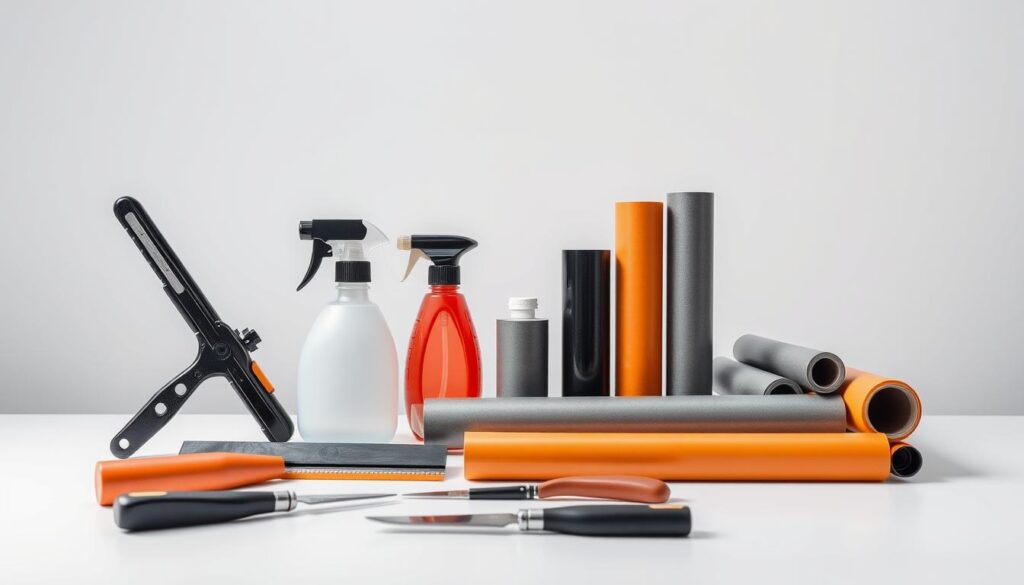
To achieve professional-looking results with DIY car window tinting, it’s crucial to have the right tools and materials. A successful installation depends on the quality of these essentials, which will be discussed in this section.
Window Tint Film
The most critical component of DIY window tinting is the window tint film itself. Available in various types, including dyed, metalized, and ceramic, the choice of film depends on your specific needs, such as UV protection, heat reduction, and aesthetic preferences. When selecting a film, consider factors like durability, adhesive quality, and ease of installation.
Utility Knife and Cutting Tools
A utility knife is a vital tool for cutting the tint film to the correct size. It’s essential to use a sharp blade to ensure clean cuts and prevent the film from tearing. Alongside a utility knife, other cutting tools like scissors or a craft knife can be useful for more intricate cuts or trimming excess film.
Squeegee and Heat Gun
A squeegee is used to remove air bubbles and excess water from under the tint film, ensuring a smooth application. A heat gun is another crucial tool, as it helps to soften the adhesive, allowing the film to conform to the window’s shape. Both tools are indispensable for a successful DIY tinting process.
By having these essential tools and materials, you’ll be well-equipped to tackle your DIY car window tinting project with confidence. Remember, the quality of your tools and materials directly impacts the final result, so choose wisely.
Preparing Your Vehicle for Tinting
To achieve professional-looking results with your self-install window tint for cars, preparation is key. A well-prepared vehicle ensures that the tint film adheres properly and lasts longer.
Cleaning the Windows Thoroughly
The first step in preparing your vehicle is to clean the windows thoroughly. Any dirt, dust, or debris can interfere with the adhesion of the tint film. Use a high-quality glass cleaner and a lint-free cloth to ensure the windows are spotless.
- Remove any stickers or residue from the windows.
- Clean the window sills and surrounding areas.
- Inspect the windows for any stubborn spots or stains.
Removing Old Tint Film
If your vehicle already has tinted windows, you’ll need to remove the old tint film before applying new tint. This process can be tedious, but it’s crucial for a smooth finish.
- Use a razor blade or a specialized tool to scrape off the old tint.
- Apply a soapy solution to help loosen the adhesive.
- Clean the windows again after removing the old tint.
Working in the Right Environment
Choosing the right environment for your DIY project is vital. Ideally, you should work in a clean, dry, and shaded area. Avoid direct sunlight, as it can cause the tint film to dry too quickly, leading to bubbles and wrinkles.
By following these steps, you’ll be well on your way to a successful DIY window tinting project. Proper preparation not only ensures a professional finish but also extends the life of your window tint.
Measuring Windows for Tint Film
Accurate window measurements are the foundation of a successful DIY automotive window tinting project. To achieve a professional-looking finish, it’s crucial to measure your vehicle’s windows with precision.
Accurate Measurements
To start, you’ll need a good quality tape measure that can flex to fit the contours of your vehicle’s windows. Measure each window carefully, taking note of any irregularities or obstructions such as door handles or window molding. It’s a good idea to measure each window multiple times to ensure accuracy.
Tip: Use a flexible tape measure to get accurate measurements around curved windows.
Accounting for Different Window Shapes
Different windows on your vehicle may have unique shapes, requiring special consideration. For example, rear windows often have a more complex curvature than side windows. Take extra time to accurately capture the dimensions and shape of each window.

Marking for Cutting
Once you have your measurements, transfer them to your tint film using a marker or pen. Make sure to leave a little extra around the edges to allow for trimming during the application process. Double-check your markings before cutting to avoid costly mistakes.
Using a ruler or straightedge can help you draw straight lines and ensure a clean cut.
Cutting the Tint Film
To achieve a professional-looking finish, precision is key when cutting the tint film for your vehicle. The best DIY window tint for vehicles requires accurate measurements and careful cutting to ensure a seamless installation.
Techniques for Precision
One of the most effective techniques for cutting tint film is using a sharp utility knife or a craft knife with a straightedge guide. This allows for a straight cut and minimizes the risk of errors. It’s also beneficial to cut on a flat, stable surface to prevent the film from moving during the cutting process.
Using a grid overlay can also enhance precision. By placing a grid over the film, you can more accurately measure and cut the film to the desired size. This technique is particularly useful for complex window shapes.
Avoiding Common Mistakes
A common mistake when cutting tint film is not accounting for the film’s orientation. Always ensure that the film is aligned correctly with your measurements to avoid cutting it upside down or misaligned. Another mistake is cutting too quickly, which can lead to uneven edges or cuts.
Take your time when cutting the film, and double-check your measurements before making a cut. This patience will pay off in the quality of the final installation.
Using Templates for Accuracy
Creating a template for your vehicle’s windows can significantly improve the accuracy of your cuts. You can use paper or cardstock to create a template that matches the shape and size of your windows. This template can then be used to trace the outline onto the tint film, ensuring a precise cut.
For the best results with the best DIY window tint for vehicles, consider investing in a template or using a previously cut piece of tint film as a guide for subsequent cuts.
Applying the Tint Film to Windows
Applying the tint film to your car’s windows requires precision and patience. This step is crucial in achieving a professional-looking result for your DIY car window tinting project.
Spraying the Solution
Begin by spraying a soapy solution onto the window. This helps the tint film adhere to the glass without immediately sticking, allowing for adjustments during the application process. Ensure the solution is evenly distributed across the window to prevent any unevenness.
Positioning the Film
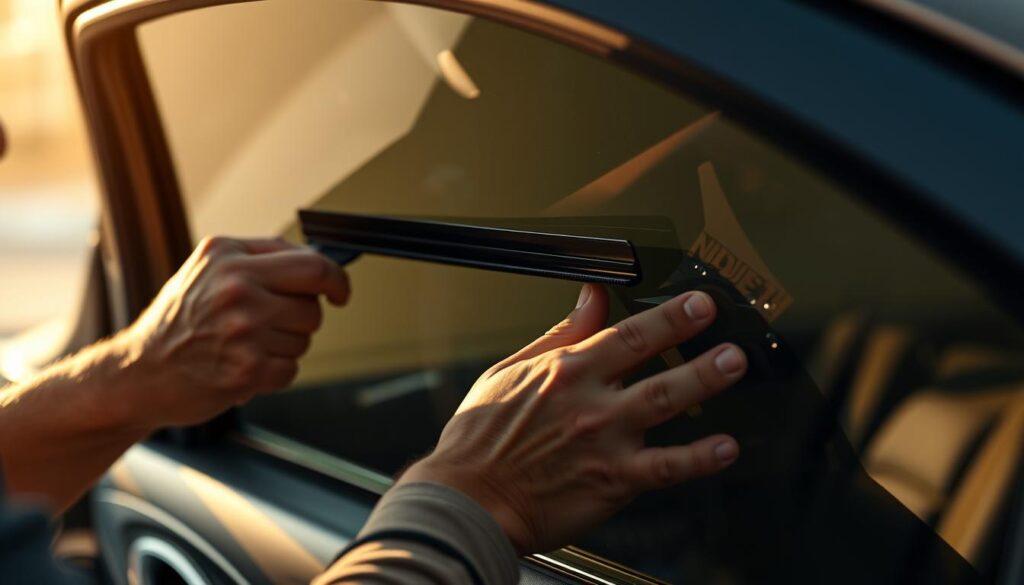
Carefully position the tint film on the window, starting from the center and working your way outward. Use a squeegee to gently push out any air bubbles that form under the film. It’s essential to be gentle to avoid creating more bubbles or stretching the film.
Smoothing Out Bubbles
Once the film is positioned, use the squeegee to smooth out any remaining bubbles. Work from the center of the window outward, applying gentle pressure. For any stubborn bubbles, you can use a heat gun on a low setting to help the film conform to the glass.
After smoothing out the bubbles, inspect the window to ensure there are no remaining imperfections. If necessary, use the squeegee again to make adjustments.
The Role of Heat in Window Tinting
When tinting car windows yourself, understanding the role of heat is essential for a successful DIY auto window tinting project. Heat is a critical factor that helps in shaping the tint film to fit the complex curves of your vehicle’s windows.
Using a Heat Gun Effectively
A heat gun is a vital tool in the window tinting process. It is used to apply heat to the tint film, making it more pliable and easier to shape around the contours of your car’s windows. To use a heat gun effectively, keep it at a safe distance from the film to avoid damaging it. Move the heat gun slowly back and forth to distribute the heat evenly.
Softening the Tint Film
The application of heat softens the tint film, making it more flexible and easier to apply. This is particularly important for wrapping the film around complex curves and corners. By softening the film, you can achieve a smoother finish and reduce the likelihood of bubbles forming.
Shaping the Film Around Curves
Shaping the tint film around curves requires patience and the right technique. As you apply heat, use a squeegee to gently push the film into place, ensuring it conforms to the shape of the window. This process may need to be repeated several times to achieve a perfect fit.
By mastering the use of heat in window tinting, you can significantly improve the quality of your DIY auto window tinting project. Remember, the key is to apply heat carefully and evenly to avoid damaging the film or the window.
Finalizing the Installation
The final steps of DIY car window tinting are crucial for a professional finish. At this stage, you’ve already applied the tint film to your car’s windows; now, it’s time to ensure it looks great and lasts long.
Trimming Excess Film
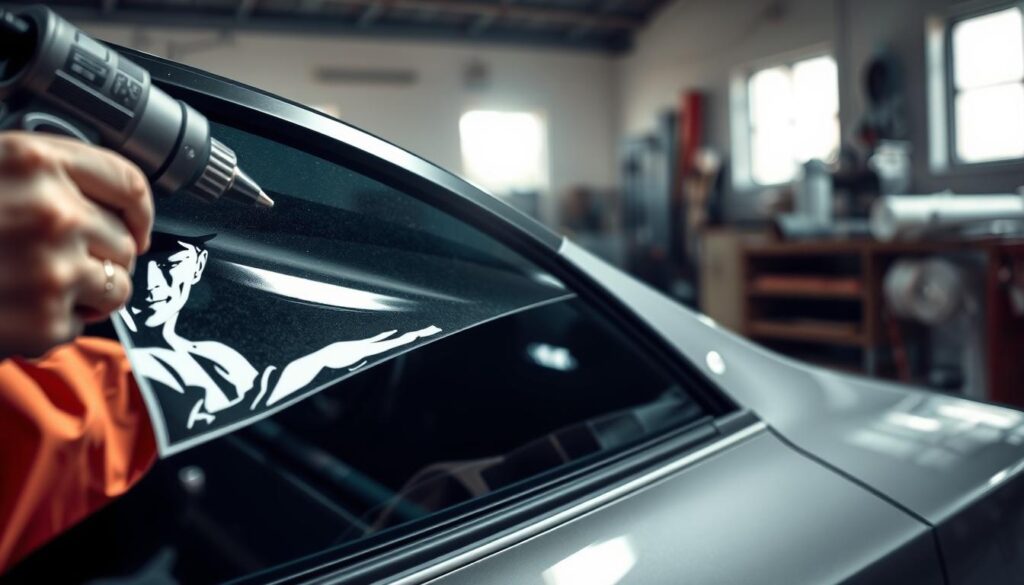
To start, you’ll need to trim the excess tint film around the edges of the windows. Use a sharp utility knife or a trimming tool specifically designed for window tinting to carefully cut along the edge of the window, leaving a small gap between the film and the window frame.
This step requires patience and precision to avoid cutting too much film or leaving too much excess. A steady hand and a sharp blade are key to a clean cut.
Final Squeegee Technique
After trimming the excess film, use a final squeegee pass to remove any remaining air bubbles or moisture from under the tint. Start from the center and work your way outwards, applying firm pressure.
This technique helps to ensure a smooth, bubble-free finish. It’s essential to be thorough, as any bubbles or moisture left under the film can lead to a subpar appearance.
Letting the Tint Cure
Finally, allow the tint to cure. The curing process involves letting the adhesive dry completely, which can take a few days depending on the type of tint and environmental conditions.
Avoid washing your car or exposing the windows to excessive moisture during this period to ensure the tint adheres properly to the glass.
By following these steps, you’ll be able to complete your DIY car window tinting project with a professional-looking finish. Remember, the key to a successful installation is patience and attention to detail.
Cleaning and Maintaining Tinted Windows
To keep your self-install window tint for cars in top condition, regular cleaning and maintenance are essential. Proper care ensures the longevity and effectiveness of your DIY automotive window tinting.
Safe Cleaning Methods
When it comes to cleaning your tinted windows, it’s crucial to use the right techniques and materials. Start by using a soft, microfiber cloth or sponge to gently wipe away dirt and debris. Avoid using paper towels or other abrasive materials that can scratch the tint. For more stubborn dirt, mix a mild soap with water, and gently scrub the area. Rinse thoroughly with clean water to remove any soap residue.
Avoiding Harmful Chemicals
Some cleaning products can damage your window tint, so it’s essential to choose the right cleaning solution. Avoid ammonia-based cleaners, as they can cause the tint to degrade over time. Instead, opt for a mild soap and water solution or a cleaner specifically designed for window tints. Always read the label to ensure the product is safe for your tint.
Inspecting for Damage
Regular inspections can help you identify any potential issues with your window tint early on. Look for signs of peeling, bubbling, or discoloration. If you notice any damage, consider consulting a professional for repair or replacement. Regular inspections are a crucial part of maintaining your DIY automotive window tinting and ensuring it continues to provide the benefits you expect.
Common Mistakes to Avoid
Successful DIY car window tinting hinges on avoiding mistakes such as overlapping tint film and insufficient cleaning. When applying window tint, it’s easy to make errors that can lead to a poor finish, reduced effectiveness, and even damage to your vehicle’s windows.
Overlapping Tint Film
One of the most common mistakes in DIY car window tinting is overlapping the tint film. This occurs when the film is not applied smoothly or when the edges are not aligned properly. Overlapping can lead to a bubbled or wrinkled appearance, which not only looks unprofessional but can also compromise the tint’s performance. To avoid this, ensure that you apply the film carefully, using a squeegee to smooth out any air bubbles or excess film.
Insufficient Cleaning
Insufficient cleaning of the windows before applying the tint film is another critical mistake. Dirt, dust, or moisture on the glass can cause the tint to adhere poorly, leading to bubbles or peeling. Thoroughly clean the windows with a suitable cleaning solution and dry them completely before starting the tinting process. This step is crucial for a successful installation.
Not Allowing for Curing Time
After applying the tint film, it’s essential to allow sufficient curing time. The curing process involves the adhesive bonding with the glass, and rushing this process can lead to poor adhesion or other issues. Be patient and avoid washing your car or exposing the windows to extreme temperatures during the recommended curing period, usually a few days. This will ensure that your DIY car window tinting job lasts longer and looks better.
By avoiding these common mistakes, you can achieve a professional-looking finish with your DIY car window tinting project. Remember, the key to success lies in careful preparation, precise application, and patience during the curing process.
Legal Considerations for Window Tinting
Window tinting laws vary by state, making it vital to understand local regulations before you start tinting your car windows yourself. This knowledge will help you avoid potential fines and ensure your vehicle remains compliant with the law.
Understanding State Laws
Each state has its own set of rules regarding the darkness and reflectivity of window tints. For instance, some states permit a very dark tint on rear windows but restrict the tint on front windows. It’s essential to familiarize yourself with these regulations to avoid any legal issues. You can usually find this information on your state’s Department of Motor Vehicles (DMV) website.
Key aspects to consider include:
- The percentage of visible light allowed through the windshield and front side windows.
- Restrictions on the tint’s reflectivity.
- Specific rules for different types of vehicles, such as SUVs or vans.
Checking Local Regulations
Beyond state laws, local regulations can also impact your window tinting choices. Municipalities may have additional rules or restrictions, so it’s a good idea to check with local authorities. This step is particularly important if you’re planning a car window tint installation that you intend to keep for a long time.
| State | Front Side Windows | Rear Side Windows | Back Window |
|---|---|---|---|
| California | 70% VLT | Any darkness | Any darkness |
| New York | 70% VLT | Any darkness if rear window is not obscured | Any darkness |
| Texas | 25% VLT | Any darkness | Any darkness if dual side mirrors |
As shown in the table, regulations can vary significantly. Always verify the current laws in your area before proceeding with tinting your car windows.
Documenting Your Work
After tinting your car windows, it’s a good practice to document your work. This includes keeping a record of the type of tint used, the date of installation, and any relevant receipts or certifications. In case you’re inspected or stopped by law enforcement, having this documentation readily available can be very helpful.
By understanding and adhering to legal considerations for window tinting, you can enjoy the benefits of tinted windows while minimizing the risk of legal complications. Whether you’re a seasoned DIY enthusiast or a newcomer to tinting car windows yourself, being informed is key to a successful installation.
Frequently Asked Questions About DIY Tinting
For those embarking on DIY window tinting, understanding the answers to common questions can make a significant difference. As you consider DIY auto window tinting, you may have several questions about the process and its outcomes.
How Long Does it Last?
The longevity of your DIY window tint largely depends on the quality of the tint film and the accuracy of the installation process. Generally, a well-installed tint can last anywhere from 5 to 10 years, depending on the type of film used and how well it’s maintained.
Can I Remove It Myself?
Yes, you can remove DIY window tint yourself, but it requires patience and the right techniques. Using a heat gun to loosen the adhesive and a razor blade to gently scrape off the tint are common methods. However, be cautious to avoid damaging the window.
Is It Worth the Effort?
Absolutely! DIY auto window tinting can be a cost-effective way to enhance your vehicle’s appearance and functionality. Not only does it provide privacy and UV protection, but it also adds to the overall aesthetic appeal of your car. With the right tools and a bit of patience, the effort can be well worth the benefits you enjoy.
Eco-Friendly Window Tinting Options
As the world shifts towards more sustainable practices, eco-friendly window tinting options are becoming increasingly popular among car owners. This shift is driven by the desire to reduce environmental impact without compromising on the benefits that window tinting provides, such as UV protection and heat reduction.
Sustainable Tint Film Materials
One of the key aspects of eco-friendly window tinting is the use of sustainable materials in the tint film. Modern window tints are made from materials that are not only effective in blocking UV rays and reducing heat but are also designed to be more environmentally friendly. For instance, some tints are made from ceramic materials that are free from metals and dyes, making them more sustainable.
Moreover, manufacturers are now producing window tints that are non-toxic and eco-friendly, ensuring that the production and disposal processes have a minimal environmental impact. When choosing a window tint, look for products that are labeled as eco-friendly or sustainable.
Energy Efficiency Benefits
Eco-friendly window tinting options also offer significant energy efficiency benefits. By reducing the amount of heat that enters your vehicle, window tints can decrease the need for air conditioning, thereby reducing fuel consumption and lowering emissions. According to the U.S. Department of Energy, “window films can save fuel by reducing the load on the air conditioning system.”
“Window films can significantly reduce the energy consumption of vehicles by minimizing the need for air conditioning.”
This not only saves you money on fuel but also contributes to a reduction in greenhouse gas emissions, making it a win-win for both your wallet and the environment.
Recycling Old Tint Film
Another important aspect of eco-friendly window tinting is the recycling of old tint film. When removing old tint, it’s essential to do so in a way that minimizes waste and allows for the possibility of recycling. Some manufacturers have programs in place for recycling old window tints, which helps to reduce the environmental impact of disposing of these materials.
- Check with the manufacturer to see if they have a recycling program for old window tints.
- Properly dispose of the old tint film according to local regulations and guidelines.
- Consider participating in community recycling initiatives that accept window tint films.
By adopting eco-friendly window tinting options and practices, car owners can enjoy the benefits of window tinting while also contributing to a more sustainable future.
Conclusion: Enjoying Your DIY Car Window Tinting
Completing a DIY automotive window tinting project can be incredibly rewarding. Not only do you save money, but you also gain the satisfaction of having done it yourself. With the right best DIY window tint for vehicles, you can enjoy improved privacy, reduced UV exposure, and a sleeker appearance.
A Job Well Done
Having successfully applied window tint to your vehicle, you can now appreciate the enhanced aesthetic appeal and the practical benefits it provides. The process may have required patience and some skill, but the end result is well worth the effort.
Enhanced Driving Experience
With your newly tinted windows, you’ll notice a significant reduction in glare and heat inside your vehicle. This not only enhances your driving comfort but also contributes to a safer driving experience. As you enjoy your drives, remember that proper maintenance is key to ensuring your window tint lasts.