




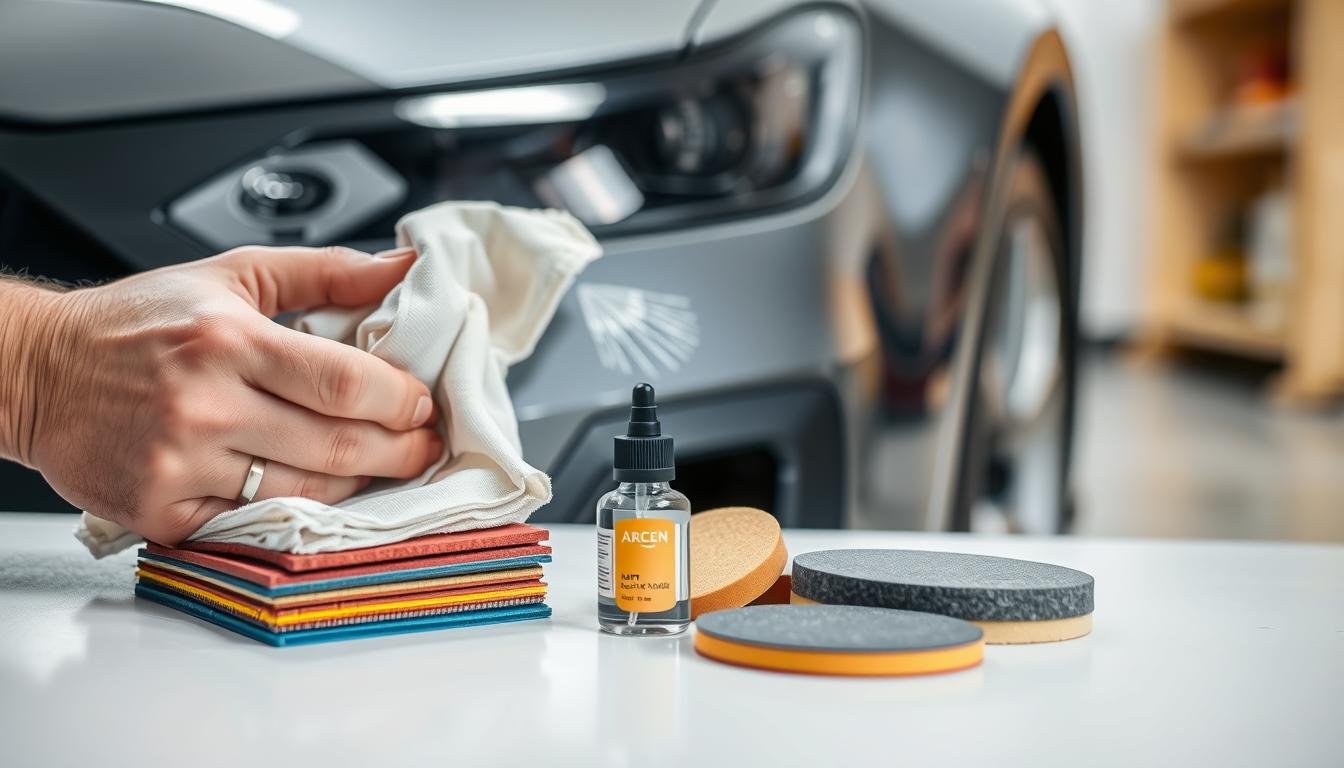
Maintaining your vehicle’s appearance is crucial, and DIY scratch removal can be a cost-effective way to keep your car looking its best.
With a few simple tools and some basic knowledge, you can easily repair minor damage and restore your car’s original shine. This guide will walk you through the step-by-step process, making it easy for DIY enthusiasts to tackle the task.
By following this guide, you’ll not only save money but also gain the satisfaction of doing it yourself. Whether you’re a seasoned DIY enthusiast or a beginner, our guide is designed to be informative and helpful.
Key Takeaways
- Learn the simple steps to remove minor scratches from your car.
- Understand the importance of maintaining your vehicle’s appearance.
- Discover the cost-effective benefits of DIY scratch removal.
- Gain confidence in tackling minor car repairs on your own.
- Follow a step-by-step guide to achieve professional-looking results.
Understanding Car Scratches
Understanding the nature of car scratches is the first step towards effectively repairing them. Car scratches can vary significantly in their severity and impact on your vehicle’s appearance.
Types of Car Scratches
Car scratches are generally categorized into three types: surface scratches, deep scratches, and paint transfer scratches. Surface scratches affect only the clear coat, deep scratches penetrate through to the metal, and paint transfer scratches occur when paint from another object transfers onto your car’s surface.
- Surface scratches are often caused by minor accidents or brushing against objects.
- Deep scratches can result from more significant impacts, such as collisions or severe abrasions.
- Paint transfer scratches are usually the result of coming into contact with another vehicle or object with a different paint color.
What Causes Minor Scratches?
Minor scratches, or surface scratches, are commonly caused by everyday incidents such as brushing against branches, exposure to harsh weather conditions, or minor accidents in parking lots. These scratches can often be fixed at home with the right tools and techniques.
To fix car scratches at home, it’s crucial to first clean the area around the scratch thoroughly and then assess the depth of the scratch. If it’s a surface scratch, you can proceed with a DIY repair using a scratch remover or touch-up paint.
“The simplest way to prevent minor scratches from becoming major issues is to address them promptly,” says a car care expert.
Essential Tools and Supplies Needed
The key to a successful DIY car scratch repair lies in having the appropriate tools and supplies at your disposal. Whether you’re dealing with a minor scratch or a more noticeable blemish, being well-prepared makes all the difference.
Recommended Repair Kits
For those new to DIY scratch removal, a repair kit can be a valuable investment. These kits usually include everything needed to fix minor scratches, such as touch-up paint, a brush, and a polishing compound. When selecting a kit, ensure it’s suitable for your car’s paint type.
- Touch-up paint that matches your car’s color
- A fine brush for applying paint
- Polishing compound to blend the repair
- Sanding material for smoothing the area
Common Household Items for Repairs
Interestingly, some common household items can also be used for car detailing DIY projects. For instance, toothpaste can be used to remove minor scratches due to its mild abrasive properties. However, it’s crucial to use it carefully to avoid further damage.

- Baking soda and water to create a paste for minor scratch removal
- A soft cloth for buffing the area
- Nail polish remover for certain types of scratches (with caution)
By combining recommended repair kits with common household items, you can effectively tackle minor car scratches. Remember, the goal is to restore your car’s appearance without breaking the bank or requiring professional help.
Assessing the Damage: Do You Need Professional Help?
Assessing the severity of the scratch on your car is the first step in deciding whether to fix it at home or seek professional assistance. Minor scratches can often be repaired with DIY methods, but deeper scratches may require professional help.
To make this assessment, you need to examine the scratch closely. Check if the scratch has penetrated through the paint and into the metal or if it’s just a surface-level scratch. This evaluation will guide your decision on whether to proceed with a DIY repair or visit a professional.
When to Repair Yourself
If the scratch is minor and only affects the clear coat or the paint surface, you can likely repair it yourself. DIY repair kits are available that include touch-up paint and clear coat, making it easier to fix minor scratches at home.
Additionally, if the scratch is small and not too deep, using a scratch remover can be an effective solution. These products are designed to buff out minor scratches without damaging the surrounding paint.
When to Seek a Professional
Deep scratches that expose the metal or cause rust require professional attention. If the scratch is extensive or in a complex area of the vehicle, such as near edges or curves, it’s best to seek help from a professional auto body shop.
Moreover, if you’re unsure about the severity of the scratch or lack experience with DIY repairs, it’s wise to consult a professional. They can assess the damage and provide a proper repair that maintains your car’s appearance and value.
Preparing Your Vehicle for Repair
A successful DIY scratch removal starts with properly preparing your vehicle’s surface. This crucial step ensures that the repair process is effective and that the final result looks professional.
Cleaning the Area
Before you begin the actual repair, cleaning the scratched area thoroughly is essential. Use a mild soap and water to remove any dirt or debris that could interfere with the repair. For more stubborn dirt, a dedicated car wash product can be used.
After washing, dry the area completely with a microfiber cloth to prevent water spots. This step is crucial for ensuring a smooth repair process.
Evaluating Scratch Depth
Not all scratches are created equal. Evaluating the depth of the scratch is vital to determine the best course of action. For minor surface scratches, a simple scratch remover might suffice. However, deeper scratches may require touch-up paint or even professional attention.
| Scratch Depth | Recommended Action |
|---|---|
| Surface Scratch | Use a scratch removal cream |
| Deep Scratch | Apply touch-up paint |
| Very Deep Scratch | Seek professional help |
To evaluate the scratch depth, run your fingernail over the scratch. If it’s not noticeable to the touch, it’s likely a surface scratch. If it’s deep enough to catch your nail, it may require more extensive repair.

Step-by-Step Guide to Repairing Minor Scratches
Don’t let minor scratches ruin the appearance of your vehicle; learn how to repair them effectively. Repairing minor car scratches can be a cost-effective and rewarding DIY project.
The Sanding Process
The first step in repairing minor scratches is to sand the affected area. This process helps to smooth out the scratch, removing any rough edges or debris. Start with a fine-grit sandpaper (around 1200 grit) and gently sand the area in a circular motion. Be careful not to apply too much pressure, which can create further scratches.
Tips for Sanding:
- Use a sanding block for larger scratches to ensure even sanding.
- Progress to higher grit sandpaper (up to 2000 grit) for a smoother finish.
- Clean the area thoroughly after sanding to remove any dust or debris.
Applying Touch-Up Paint
Once the area is sanded and clean, it’s time to apply touch-up paint. This step is crucial for matching the original color of your vehicle’s paint. Use a touch-up paint that matches your car’s paint code, which can be found on the manufacturer’s label or on the driver’s side door jamb.
Best Practices for Touch-Up Paint:
- Shake the touch-up paint bottle well before use.
- Apply thin coats, allowing each coat to dry before applying the next.
- Use a small brush to carefully paint the scratched area.
| Step | Description | Tips |
|---|---|---|
| 1 | Sanding | Use fine-grit sandpaper and sand in a circular motion. |
| 2 | Cleaning | Thoroughly clean the area after sanding. |
| 3 | Applying Touch-Up Paint | Use thin coats and allow each coat to dry. |
“The key to a successful repair is patience and attention to detail. Taking your time during each step will result in a professional-looking finish.” –
By following these steps and tips, you can effectively repair minor car scratches and maintain your vehicle’s appearance. Remember, practice makes perfect, so don’t be discouraged if it takes a few attempts to get the hang of it.
Using Scratch Removal Products
For those looking to repair minor car scratches, understanding the various scratch removal products available is crucial. Scratch removal products can range from creams and polishes to DIY kits and touch-up paints.
Best Scratch Removal Creams
Scratch removal creams are a popular choice among car owners due to their ease of use and effectiveness. Some of the top-rated scratch removal creams include:
- 3M Scratch Remover: Known for its ability to remove minor scratches and imperfections.
- Meguiar’s Scratch Remover: Offers a range of products designed to remove scratches and leave a glossy finish.
| Product Name | Key Features | Price Range |
|---|---|---|
| 3M Scratch Remover | Removes minor scratches, easy to use | $10-$20 |
| Meguiar’s Scratch Remover | Range of products, glossy finish | $15-$30 |
How to Use a Scratch Remover
Using a scratch remover effectively requires some basic steps:
- Clean the Area: Ensure the scratched area is free from dirt and debris.
- Apply the Remover: Use a small amount of scratch remover on the scratched area.
- Rub Gently: Using a soft cloth, gently rub the remover into the scratch.
- Inspect and Repeat: Check if the scratch is still visible. If so, repeat the process as needed.

By following these steps and using the right scratch removal products, you can achieve professional-looking results without the need for a professional detailer.
Buffing and Polishing the Repaired Area
To complete the car scratch repair process, it’s vital to buff and polish the repaired area, ensuring a seamless blend with the surrounding paint. This step is crucial for achieving a flawless finish and enhancing your vehicle’s overall appearance.
Tools for Buffing
Buffing is a critical process that removes minor imperfections and smooths out the repaired area. To buff effectively, you’ll need the right tools. Here are some essentials:
- Dual-Action Polisher: A dual-action polisher is highly recommended for its effectiveness and ease of use. It helps in avoiding swirl marks and ensures a uniform finish.
- Buffing Pads: Various buffing pads are available, ranging from coarse to fine. The choice of pad depends on the level of correction needed.
- Polishing Compounds: Polishing compounds are used to remove minor scratches and imperfections. They come in different abrasiveness levels, and selecting the right one is crucial for achieving the desired finish.
Using the right tools for buffing not only enhances the appearance of your car but also protects the paint from future damage.
Techniques for Polishing
Polishing is the final step in achieving a showroom finish. Here are some techniques to keep in mind:
- Start with a coarse polish if the area has significant imperfections, gradually moving to finer polishes for a smoother finish.
- Work in small sections to maintain even coverage and to avoid missing any spots.
- Use the correct speed on your polisher. Typically, a lower speed is used for cutting compounds, while higher speeds are better for finishing polishes.
A proper polishing technique can make a significant difference in the final appearance of your car. It’s also worth noting that practice makes perfect, so don’t be discouraged if it takes a few attempts to get it right.
| Tool/Technique | Description | Benefit |
|---|---|---|
| Dual-Action Polisher | A machine that oscillates and rotates to polish the car’s surface | Reduces swirl marks, uniform finish |
| Buffing Pads | Attachments for polishers, available in various grits | Customizable to the level of correction needed |
| Polishing Compounds | Products used to remove minor scratches and imperfections | Restores shine, protects paint |
Finishing Touches After Repair
After successfully repairing minor car scratches, it’s essential to add the finishing touches to ensure your vehicle looks its best and the repair lasts longer. This involves a couple of crucial steps that not only enhance the appearance but also protect the paint.
Waxing Your Car
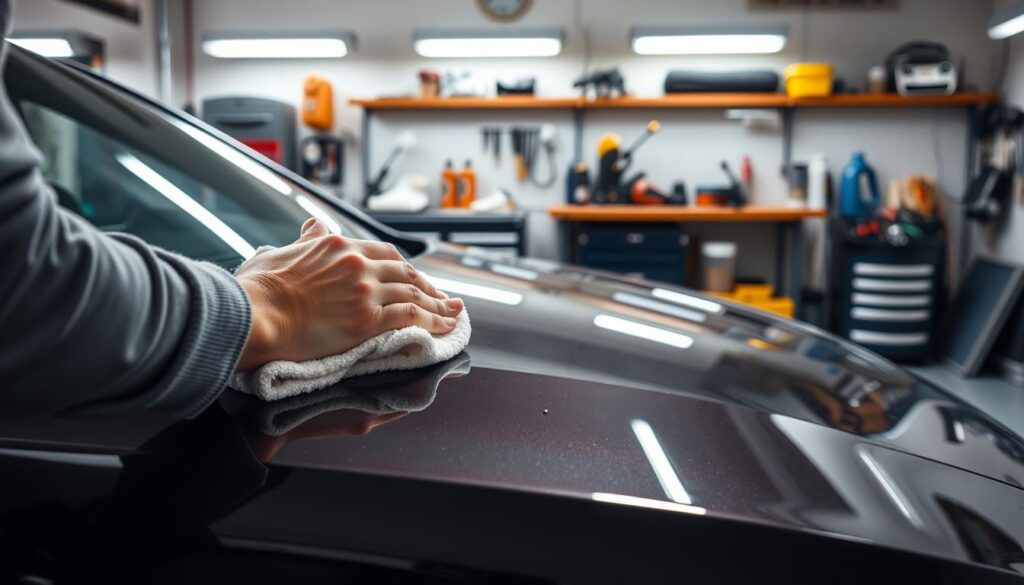
Waxing is a critical step in the car detailing DIY process. It helps to seal the paint and provide a protective layer against the elements. Regular waxing can make your car look newer for longer and is a simple way to maintain the health of your vehicle’s paint.
Maintaining Scratch-Free Paint
To keep your car’s paint looking its best and prevent future scratches, regular maintenance is key. This includes regular washing, avoiding harsh chemicals, and parking in a safe location to avoid dings and scratches. By following these tips, you can enjoy a scratch-free ride for a long time.
Preventing Future Scratches
The key to a long-lasting, scratch-free paint job lies in consistent car care and protection. By adopting a few simple habits and using the right products, you can significantly reduce the risk of scratches on your vehicle.
Car Care Tips
Regular washing and waxing are fundamental to maintaining your car’s paint. Use a mild soap and avoid using household cleaners, which can strip the wax and damage the paint. Drying your car thoroughly after washing is also crucial to prevent water spots.
- Use a microfiber cloth for drying to avoid scratching the surface.
- Avoid parking in areas with high foot traffic or where debris might fall on your car.
- Keep your car covered when parked for extended periods.
When it comes to DIY scratch removal, being proactive is key. Regular inspections can help identify minor scratches early, making them easier to fix at home.
Protective Coatings and Films
Applying protective coatings or films can provide an additional layer of protection against scratches. Clear bra paint protection film is a popular choice for high-risk areas like the front bumper and hood.
- Consider applying a ceramic coating for long-term protection and ease of maintenance.
- Paint protection films can be applied to vulnerable areas to absorb impacts.
By combining good car care habits with protective coatings or films, you can effectively prevent future scratches and maintain your car’s appearance. Remember, prevention is always better than cure when it comes to car scratches.
Frequently Asked Questions
The process of car paint repair often raises several questions among DIY enthusiasts. As you embark on repairing minor car scratches, it’s natural to have queries about the duration, materials, and techniques involved. Below, we’ve compiled answers to some of the most frequently asked questions to guide you through the process.
How Long Do Repairs Take?
The time required to repair minor car scratches can vary significantly based on the extent of the damage and the drying time for touch-up paint. Generally, the entire process, from preparation to finishing touches, can take anywhere from a few hours to a couple of days.
| Repair Stage | Estimated Time |
|---|---|
| Preparation (cleaning, sanding) | 1-2 hours |
| Applying Touch-Up Paint | 30 minutes to 1 hour |
| Drying and Additional Coats | 2-24 hours |
| Buffing and Polishing | 1-2 hours |
Will Touch-Up Paint Match My Car?
Touch-up paint is designed to match your car’s original paint color as closely as possible. Most manufacturers provide touch-up paint that can be ordered using the car’s specific paint code. While it’s challenging to achieve a perfect match, especially on metallic paints, using the correct paint code significantly improves the likelihood of a close match.
“The key to a successful touch-up paint job is not just the color match but also the application technique. A smooth, even application can make a significant difference in the final appearance.”
For those undertaking car detailing DIY projects, it’s essential to follow the manufacturer’s instructions for touch-up paint and to test the paint on a small, inconspicuous area first.

By understanding the answers to these frequently asked questions, you can approach your car paint repair project with confidence, achieving professional-looking results without the need for professional assistance.
Eco-Friendly Alternatives for Scratch Repair
Eco-conscious car owners can now repair minor scratches without harming the environment, thanks to innovative eco-friendly methods. As the world shifts towards more sustainable practices, the automotive industry is also embracing greener alternatives for car maintenance, including scratch repair.
Traditional scratch repair methods often involve chemicals and products that can be harmful to the environment. However, there are now several eco-friendly alternatives that not only reduce environmental impact but also provide effective solutions for minor scratches.
Natural Ingredients for Minor Scratches
Some natural ingredients can be surprisingly effective for minor scratch repairs. For instance, certain plant-based waxes and oils can help fill in or mask small scratches. Here’s a look at some of these natural remedies:
- Beeswax: Can be used to fill in minor scratches, providing a natural barrier.
- Coconut Oil: Sometimes used to minimize the appearance of fine scratches.
- Baking Soda: Mixed with water, it can form a paste that’s gently rubbed onto the scratch to help reduce its visibility.
Sustainable Car Care Products
Beyond natural ingredients, there are also sustainable car care products designed specifically for scratch repair. These products are made with environmentally friendly materials and are biodegradable, reducing the ecological footprint of car maintenance.
| Product | Description | Environmental Benefit |
|---|---|---|
| EcoScratch Repair Kit | A DIY kit using natural ingredients for scratch repair. | Biodegradable materials, minimal packaging. |
| GreenWax Scratch Concealer | A wax-based product that conceals minor scratches. | Made from sustainable sources, eco-friendly production process. |
| NanoPolish | A nanotechnology-based polish that repairs and protects. | Non-toxic, environmentally safe formula. |
By opting for these eco-friendly alternatives, car owners can not only fix car scratches at home but also contribute to a more sustainable future. Whether you’re using natural ingredients or sustainable car care products, DIY scratch removal has never been more environmentally friendly.
Conclusion: Enjoy Your Scratch-Free Ride!
Now that you’ve learned how to repair minor car scratches, you can maintain your vehicle’s appearance with confidence. By following the steps outlined in this guide, you’ve taken the first step towards a scratch-free ride.
Maintaining Your Vehicle’s Condition
Regular car detailing DIY projects, such as waxing and polishing, will help keep your car’s paint looking its best. Reassessing your car’s condition regularly will also help you catch any new scratches early, making repairs easier and less costly.
Empowering DIY Repairs
Repairing minor car scratches is a manageable task that can be done at home with the right tools and techniques. By taking on this DIY project, you’ll not only save money but also gain a sense of accomplishment and a deeper connection with your vehicle.
With these skills, you’ll be well on your way to maintaining a scratch-free ride and enjoying the benefits of car detailing DIY projects. So, get ready to hit the road with confidence, knowing your vehicle looks its best.