



Maintaining your vehicle’s health is crucial for its longevity and performance. One simple yet vital task is replacing the fuel filter. A clogged or dirty filter can lead to decreased engine performance and potentially cause damage. In this comprehensive guide, we’ll walk you through the process of DIY fuel filter replacement, making it easy for you to do it yourself.
By following our step-by-step instructions, you’ll be confident in your ability to maintain your vehicle’s overall health. Replacing the fuel filter is a straightforward process that ensures your vehicle runs smoothly and efficiently.
Key Takeaways
- Understand the importance of maintaining your vehicle’s fuel filter.
- Learn the steps involved in DIY fuel filter replacement.
- Gain confidence in performing this crucial maintenance task yourself.
- Improve your vehicle’s performance and longevity.
- Save time and money by doing it yourself.
Understanding the Role of the Fuel Filter
The fuel filter is a crucial component of your vehicle’s fuel system, playing a vital role in maintaining engine performance. It ensures that the fuel reaching your engine is clean and free from contaminants.

A clean fuel filter is essential for the proper functioning of your vehicle’s engine. It prevents dirt, debris, and other contaminants from entering the engine, thereby reducing the risk of damage and maintaining optimal engine performance.
What Does a Fuel Filter Do?
The primary function of a fuel filter is to filter out impurities from the fuel before it reaches the engine. Contaminants in the fuel can cause significant damage to the engine over time, leading to decreased performance and potentially costly repairs.
By removing these contaminants, the fuel filter helps to:
- Improve engine performance
- Enhance fuel efficiency
- Reduce the risk of engine damage
As noted by automotive experts, “A clean fuel filter is crucial for maintaining the health and efficiency of your vehicle’s engine.”
Why Is It Important to Replace It?
Over time, the fuel filter becomes clogged with the contaminants it filters out, reducing its effectiveness. If not replaced, a clogged fuel filter can lead to decreased engine performance, reduced fuel efficiency, and potentially cause engine damage.
“Regular maintenance, including replacing the fuel filter, is key to extending the life of your vehicle’s engine and ensuring it runs smoothly.”
Replacing the fuel filter is a relatively simple process that can significantly impact your vehicle’s performance and longevity. It’s an essential part of fuel system maintenance that should not be overlooked.
By understanding the role of the fuel filter and the importance of replacing it, you can take proactive steps to maintain your vehicle’s health and ensure optimal performance.
Signs That Your Fuel Filter Needs Replacement
Understanding the signs that indicate your fuel filter needs replacement is a critical aspect of car maintenance. A well-functioning fuel filter is essential for the smooth operation of your vehicle’s engine.
Common Symptoms of a Clogged Fuel Filter
A clogged fuel filter can manifest through several symptoms. Some of the most common signs include:
- Decreased Engine Performance: A dirty fuel filter can lead to a decrease in engine power and overall performance.
- Rough Idling: If your engine idles roughly or stalls frequently, it could be a sign that the fuel filter is clogged.
- Difficulty Starting the Engine: A clogged fuel filter can make it harder to start your car, as the engine is not receiving the fuel it needs.
- Poor Fuel Economy: A dirty fuel filter can cause your vehicle to consume more fuel than usual, leading to poor fuel economy.
Diagnosing Fuel Filter Issues
Diagnosing fuel filter issues early on can prevent more severe problems down the line. If you notice any of the symptoms mentioned above, it’s a good idea to inspect your fuel filter. Look for signs of dirt, debris, or damage. If you’re unsure, consult your vehicle’s manual or speak with a professional mechanic.

Regularly checking and replacing your fuel filter is a simple yet effective way to maintain your vehicle’s health. By being aware of the signs that indicate your fuel filter needs replacement, you can take proactive steps to ensure your car runs efficiently and effectively.
Tools and Materials Needed for Replacement
Preparation is key; ensure you have all the necessary tools and materials before starting the replacement process for a step-by-step fuel filter replacement. Having everything on hand will make the task more efficient and less prone to errors.
Essential Tools for the Job
To begin, you’ll need a few essential tools. First and foremost, you’ll require a new fuel filter that is compatible with your vehicle’s make and model. It’s crucial to select the best fuel filter for your car to ensure optimal performance. Additionally, a socket wrench or pliers will be necessary for loosening and tightening the fuel filter connections. The type of wrench or pliers may vary depending on your vehicle’s configuration.

Other essential tools include a fuel line disconnect tool if your vehicle is equipped with quick-connect fuel lines, and a container or drip pan to catch any fuel that may spill during the replacement process.
Additional Supplies You May Need
While not always necessary, having fuel-resistant gloves can protect your hands from fuel spills and make cleanup easier. Additionally, a flashlight or work light can be beneficial if the fuel filter is located in a hard-to-reach or dimly lit area. Ensuring you have these supplies can make the replacement process smoother and safer.
By gathering all the necessary tools and materials beforehand, you’ll be well-prepared to complete the fuel filter replacement efficiently and effectively.
Preparing to Replace Your Fuel Filter
Preparation is the first step to a successful DIY fuel filter replacement. Before diving into the replacement process, it’s essential to understand the necessary steps to prepare yourself and your workspace.
Safety Precautions to Follow
When working on your vehicle, safety should always be your top priority. Ensure you’re wearing protective gear, including gloves and safety glasses, to protect yourself from potential hazards. Additionally, make sure the area is well-ventilated to avoid inhaling any fuel vapors or other harmful fumes.

It’s also a good idea to consult your vehicle’s manual for any specific safety precautions recommended by the manufacturer. By taking these precautions, you can minimize risks associated with the replacement process.
Gathering Necessary Materials
Before starting the replacement, gather all necessary materials to avoid interruptions and ensure a smooth process. This includes a new fuel filter, any required tools as specified in your vehicle’s manual, and materials for cleaning up any spills.
Having everything you need within reach will make the process more efficient and less stressful. Following these preparation steps is a crucial part of a successful fuel filter replacement guide and contributes to overall car maintenance tips.
How to Locate Your Car’s Fuel Filter
Before you can replace your car’s fuel filter, you need to know where it is, and this can vary significantly from one vehicle to another. The location of the fuel filter is often determined by the make and model of your car, as well as its engine type.
Finding the Fuel Filter in Different Makes and Models
Different car manufacturers place the fuel filter in various locations. For instance, some vehicles have the fuel filter located inside the fuel tank, while others have it along the fuel line, either under the hood or underneath the vehicle. To find the fuel filter in your car, you can consult your vehicle’s owner’s manual or look for a diagram specific to your vehicle’s make and model.
Some common locations for the fuel filter include:
- Under the hood, near the engine
- Along the fuel line, underneath the vehicle
- Inside the fuel tank
Knowing the exact location can save you time and effort during the replacement process.
Tips for Accessing the Fuel Filter
Once you’ve located the fuel filter, you may need to access it. This can sometimes be challenging, especially if it’s located in a hard-to-reach area. Here are some tips to make the process easier:
| Location | Access Tips |
|---|---|
| Under the Hood | Check if the fuel filter is held by a clamp or bracket. Release the clamp to access the filter. |
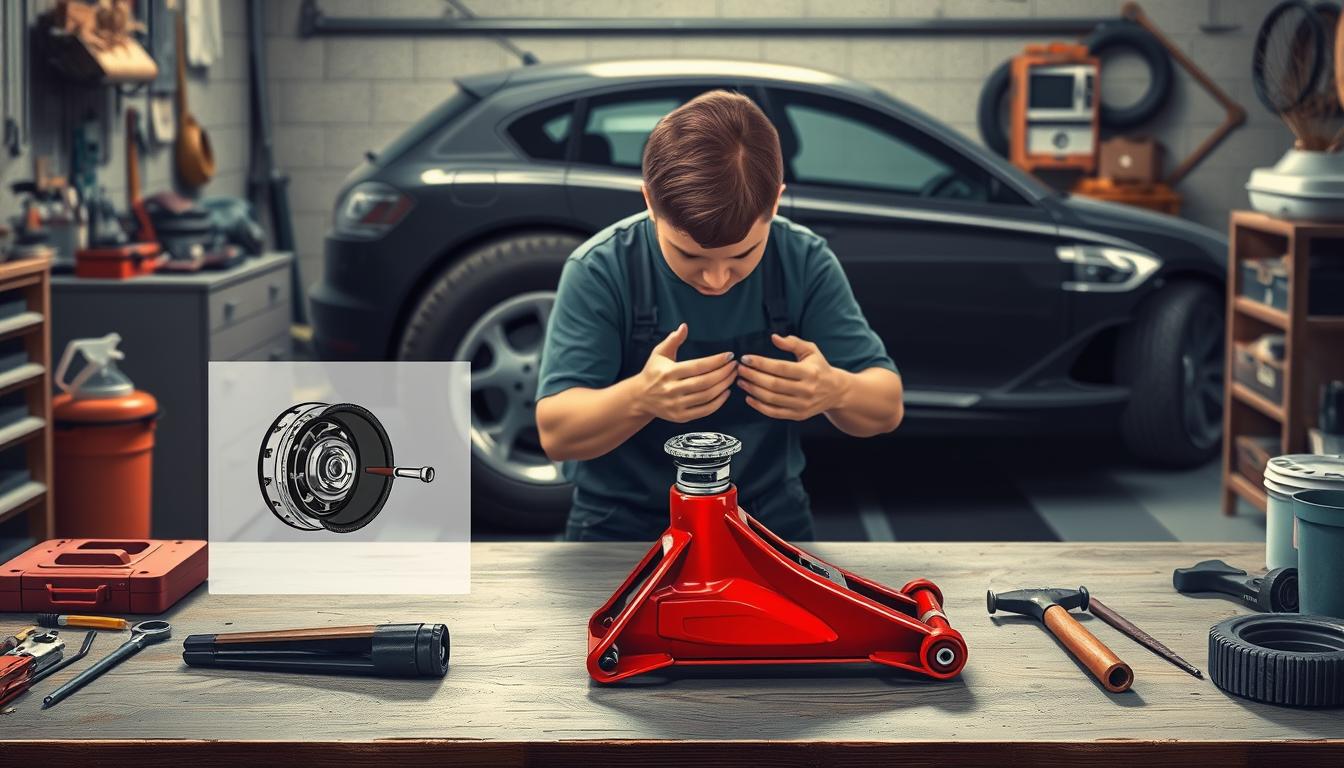
| Underneath the Vehicle | Use a car jack to raise the vehicle safely. Wear protective gear like gloves and safety glasses. |
| Inside the Fuel Tank | This often requires professional assistance. Consider consulting a mechanic. |
For a DIY fuel filter replacement, having the right tools and following safety precautions is crucial. Ensure you have a suitable replacement filter and follow the manufacturer’s instructions.
By understanding where your car’s fuel filter is located and how to access it, you’ll be better equipped to perform a successful DIY fuel filter replacement.
Step-by-Step Instructions for Replacement
In this section, we’ll guide you through the step-by-step process of replacing your car’s fuel filter, ensuring that you’re able to complete the task with confidence.
Draining the Fuel System
Before you start replacing the fuel filter, it’s crucial to drain the fuel system to prevent any fuel spills or leaks. Locate the fuel pump fuse or relay and remove it to disable the fuel pump. Then, start the engine and let it run until it stalls, indicating that the fuel system is depressurized.
It’s essential to follow proper safety precautions when working with fuel systems to avoid any potential hazards.
Removing the Old Fuel Filter
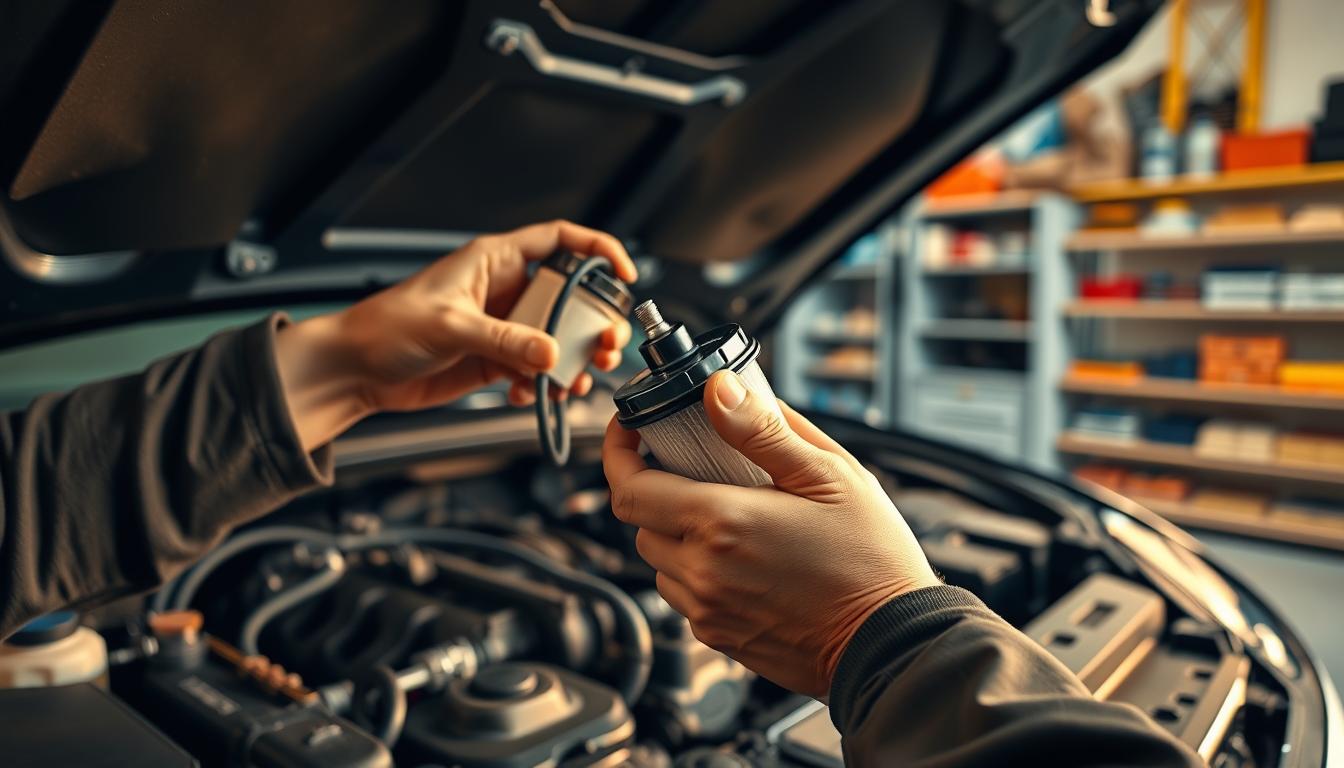
Once the fuel system is drained, you can proceed to remove the old fuel filter. Use a wrench or pliers to loosen any fittings or clamps holding the filter in place. Carefully remove the filter, taking note of its orientation and any connections it has.
“Replacing the fuel filter is a simple yet effective way to maintain your vehicle’s performance and fuel efficiency.”
Installing the New Fuel Filter
To install the new fuel filter, align it according to the manufacturer’s markings or the previous filter’s orientation. Secure the filter with the fittings or clamps you removed earlier, ensuring they’re tightened properly to prevent leaks.

After installing the new filter, reconnect the fuel pump fuse or relay and turn the ignition on to prime the fuel system. Check for any leaks around the filter and fittings.
Testing Your Car After Replacement
With the replacement process complete, it’s crucial to test your vehicle to guarantee optimal functionality. Testing your car after replacing the fuel filter ensures that the new filter is working correctly and that there are no leaks in the fuel system.
How to Check for Leaks
To check for leaks, start your engine and let it run for a few minutes. Listen for any unusual sounds or vibrations that could indicate a leak. Visually inspect the fuel filter and surrounding areas for any signs of leakage, such as dripping fuel or stains.
Here are some steps to follow:
- Turn the key to the “on” position without starting the engine to pressurize the fuel system.
- Inspect the fuel filter connections and lines for any signs of moisture or fuel leakage.
- Start the engine and check for any leaks around the fuel filter.
Ensuring Proper Fuel Flow
To ensure proper fuel flow, monitor your car’s performance. Check for any signs of poor engine performance, such as hesitation or stumbling. A well-functioning fuel filter should improve your car’s overall performance and fuel efficiency.
| Performance Indicator | Expected Outcome |
|---|---|
| Engine Performance | Smooth acceleration and no hesitation |
| Fuel Efficiency | Improved mileage and reduced fuel consumption |
By following these steps, you can ensure that your car’s fuel system is functioning properly and that the new fuel filter is working effectively. This is an essential part of fuel system maintenance and overall car maintenance tips.
Tips for Maintaining Your Fuel Filter
Maintaining your car’s fuel filter is crucial for optimal vehicle performance. A well-maintained fuel filter ensures that your engine receives clean fuel, which is essential for efficient combustion and overall engine longevity.
Recommended Maintenance Schedule
It’s essential to follow a recommended maintenance schedule for your fuel filter. Most car manufacturers suggest replacing the fuel filter every 15,000 to 30,000 miles. However, this can vary depending on your vehicle’s make, model, and driving conditions. Consult your owner’s manual or speak with a mechanic to determine the best replacement schedule for your car.
Regularly checking your fuel filter can help you identify when it needs to be replaced. Signs that your fuel filter may be clogged include decreased fuel efficiency, engine hesitation, and difficulty starting the engine. If you notice any of these symptoms, it’s a good idea to inspect your fuel filter and replace it if necessary.
Best Practices for Fuel System Care
In addition to maintaining your fuel filter, there are several best practices you can follow to care for your vehicle’s fuel system. Using a high-quality fuel filter that is compatible with your vehicle’s make and model is crucial. You should also consider using fuel additives that help clean your fuel system and prevent the buildup of debris.
Another important aspect of fuel system care is ensuring that you are using the correct type of fuel for your vehicle. Using the wrong type of fuel can lead to decreased performance and potentially damage your engine. Always refer to your owner’s manual for guidance on the recommended fuel type.
By following these tips and staying on top of your fuel filter maintenance, you can help extend the life of your vehicle’s engine and ensure it continues to run smoothly. Remember, a clean fuel filter is key to maintaining optimal engine performance and fuel efficiency.
Frequently Asked Questions About Fuel Filters
Fuel filter replacement is a common DIY task, but it’s natural to have questions about the procedure. In this section, we’ll address some of the most frequently asked questions to help you understand the process better.
How Often Should You Replace Your Fuel Filter?
The frequency of replacing your fuel filter depends on several factors, including your vehicle’s make and model, driving conditions, and the type of fuel filter used. Generally, most car manufacturers recommend replacing the fuel filter every 15,000 to 30,000 miles. However, it’s essential to consult your owner’s manual for the manufacturer’s recommended replacement interval.
Some driving conditions may necessitate more frequent replacements. For instance, driving in dusty or polluted areas can clog your fuel filter faster. Similarly, if you notice symptoms like decreased engine performance or fuel efficiency, it might be a sign that your fuel filter needs to be replaced sooner rather than later.
| Driving Condition | Recommended Replacement Interval |
|---|---|
| Normal Driving Conditions | 15,000 – 30,000 miles |
| Dusty or Polluted Areas | Less than 15,000 miles |
| Extreme Temperatures | Check owner’s manual |
Can I Clean My Fuel Filter Instead of Replacing It?
While it might be tempting to clean your fuel filter instead of replacing it, this is generally not recommended. Most fuel filters are designed to be used once and then replaced. Cleaning a fuel filter can be ineffective and may even cause damage to the filter or the fuel system.
Why can’t I just clean my fuel filter? Fuel filters are typically made of a porous material that traps contaminants. Once clogged, these materials can’t be effectively cleaned without damaging the filter’s structure. Moreover, some fuel filters contain components that can’t be cleaned or reused.
For most drivers, replacing the fuel filter with a new one is the best practice. It’s a relatively simple and cost-effective maintenance task that can help ensure your vehicle runs smoothly and efficiently.
Conclusion: The Importance of a Fuel Filter Change
Replacing your car’s fuel filter is a straightforward process that can significantly impact your vehicle’s performance and longevity. By understanding the role of the fuel filter and following the steps outlined in this guide, you can ensure your car runs efficiently and effectively.
Maintaining Your Vehicle’s Health
Regular car maintenance tips, such as replacing the fuel filter, can help prevent more severe issues from arising. This simple task can improve fuel efficiency, reduce emissions, and prolong the life of your engine. By staying on top of maintenance, you can avoid costly repairs and keep your vehicle running smoothly.
Empowering DIY Enthusiasts
By taking on the challenge of replacing your car’s fuel filter, you not only save money but also gain a deeper understanding of your vehicle’s mechanics. This DIY approach to car maintenance can be incredibly rewarding, allowing you to develop a more intimate knowledge of your car’s needs and improve your overall driving experience. To replace your car fuel filter effectively, remember to follow the manufacturer’s recommended schedule and take the necessary safety precautions.