




Replacing a car fuse can seem daunting, but it’s a simple process that can be done at home with the right guidance. In this DIY guide, we’ll walk you through the steps to replace a car fuse safely and efficiently.
Whether you’re a seasoned DIY enthusiast or a beginner, our guide is designed to help you understand the process and feel confident in your ability to complete the task. By following our easy-to-follow instructions, you’ll be able to identify and replace a blown fuse in no time.
Key Takeaways
- Understand the basics of car fuse replacement
- Learn how to identify a blown fuse
- Discover the tools needed for DIY fuse replacement
- Follow simple steps to replace a car fuse safely
- Gain confidence in your ability to complete the task
Understanding Car Fuses and Their Purpose
Car fuses play a vital role in safeguarding your vehicle’s electrical components from potential damage. They are designed to interrupt the flow of electrical current when it exceeds a certain limit, thus protecting the electrical system from damage. Understanding how car fuses work and their significance is crucial for any car owner.
What Are Car Fuses?
Car fuses are small devices that contain a thin strip of metal with a low melting point. When the current flowing through the fuse exceeds its rated capacity, the metal strip melts, breaking the circuit and preventing further damage to the electrical system.
How Fuses Protect Your Vehicle
Fuses protect your vehicle’s electrical components by acting as a sacrificial element. When there’s an overload or short circuit, the fuse blows, disconnecting the power supply to the affected component. This prevents damage to other parts of the electrical system and reduces the risk of a fire.
Common Signs of a Blown Fuse
Identifying a blown fuse can be straightforward if you know what to look for. Common signs include:
- A non-functional electrical component, such as a headlight or radio.
- A visible break in the fuse’s metal strip.
- A burnt smell or signs of overheating around the fuse box.
Here’s a simple table to help you understand the different types of fuses and their applications:
| Fuse Type | Application | Amperage Rating |
|---|---|---|
| Blade Fuse | Most modern vehicles | 5-30 Amps |
| Glass Fuse | Older vehicles, some appliances | 1-30 Amps |
| Mini Fuse | Compact applications | 2-30 Amps |
Safety Precautions Before Replacing a Fuse
Before you start replacing a car fuse, it’s crucial to take necessary safety precautions to avoid any potential risks. Ensuring your safety while working with electrical systems is paramount to prevent accidents and injuries.
Disconnecting the Battery
One of the most critical safety precautions is disconnecting the battery before you begin the fuse replacement process. This step is essential to prevent any accidental short circuits or electrical shocks. To disconnect the battery, follow these steps:
- Locate the negative (black) cable and loosen the bolt on the cable clamp.
- Remove the cable from the negative terminal.
- Secure the cable away from the battery to prevent it from accidentally touching the terminal.
Always disconnect the negative cable first to prevent any short circuits.
Using the Right Tools
Using the correct tools for the job is another vital safety precaution. The most common tool needed is a fuse puller, which is designed to remove fuses safely. Other tools like needle-nose pliers may also be useful. Ensure that your tools are in good condition to avoid any accidents.

Wearing Protective Gear
Wearing protective gear is a simple yet effective way to enhance your safety. Recommended protective gear includes:
| Protective Gear | Purpose |
|---|---|
| Safety Glasses | Protects your eyes from debris or electrical sparks |
| Gloves | Provides insulation against electrical shocks |
| Long Sleeves | Protects your skin from potential electrical arcs |
By taking these safety precautions, you can significantly reduce the risk of injury while changing a car fuse.
Locating the Fuse Box in Your Vehicle
The fuse box is a critical component of your vehicle’s electrical system, and locating it is easier than you think. Understanding where the fuse box is located and how to interpret its labels and diagrams is essential for any DIY fuse replacement.
Where to Find the Fuse Box
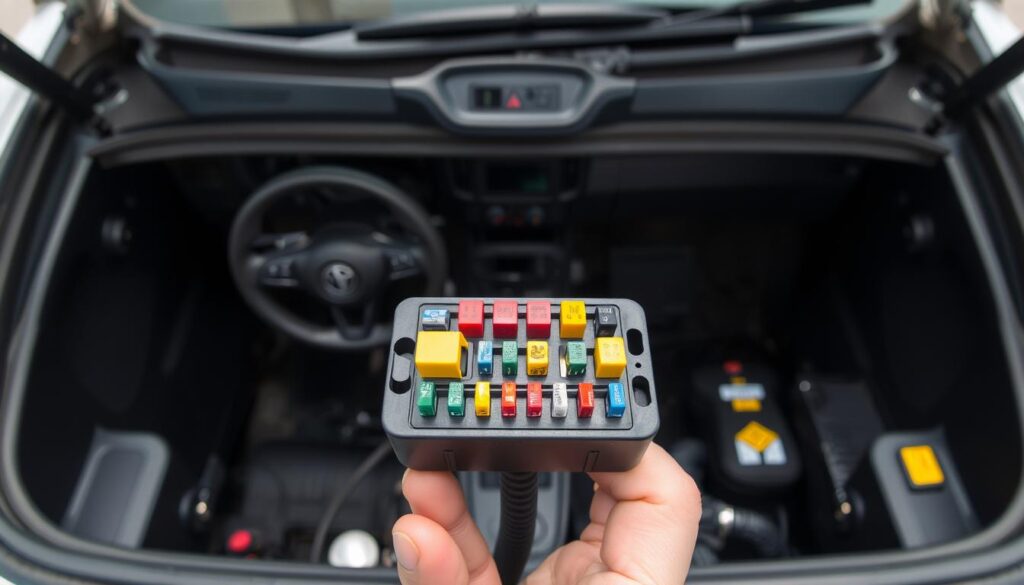
The fuse box in your vehicle can typically be found in one of three locations: under the dashboard, in the engine compartment, or in some cases, under the rear seat or in the trunk. To determine the exact location in your vehicle, you can consult your owner’s manual or look for a label on the fuse box cover.
Most modern vehicles have a fuse box located under the dashboard on the driver’s side. It’s often hidden behind a panel or cover, so you may need to remove a few screws or clips to access it.
Types of Fuse Boxes
There are several types of fuse boxes used in vehicles, including the traditional fuse box with glass fuses and the more modern fuse box with blade-type fuses. Some vehicles may also have multiple fuse boxes, with one located in the engine compartment and another under the dashboard.
The type of fuse box used in your vehicle will depend on the make and model, as well as the electrical system’s complexity.
Common Fuse Box Labels and Diagrams
Fuse boxes are typically labeled with a diagram that shows the location and amperage rating of each fuse. These labels can be found on the fuse box cover or inside the fuse box. Understanding these diagrams is crucial for identifying the correct fuse to replace.
Some common labels include the fuse number, the amperage rating, and a description of the electrical component or circuit that the fuse protects. For example, a fuse labeled “HEADLAMP” or “RADIO” indicates that it powers the headlights or the car’s stereo system, respectively.
Identifying the Blown Fuse
Identifying a blown fuse is crucial for getting your car’s electrical systems back up and running. The process involves understanding fuse ratings, performing a visual inspection, and potentially using a multimeter for a more detailed diagnosis.
Reading Fuse Ratings
Fuse ratings are indicated by a number followed by “A,” which stands for amps. This rating signifies the maximum amount of electrical current the fuse can handle before it blows. To identify a blown fuse, you first need to understand the rating of the fuse in question. Always replace a fuse with one that has the same amperage rating; using a fuse with a higher or lower rating can lead to further electrical issues or safety hazards.
For instance, if a fuse is rated for 10A, it means that it is designed to handle up to 10 amps of current. Exceeding this limit will cause the fuse to blow, protecting the electrical circuit from damage.
Visual Inspection Techniques
A visual inspection is often the simplest way to identify a blown fuse. For blade fuses, which are common in many vehicles, a blown fuse can be identified by a broken or melted element within the fuse. Look for any signs of damage or discoloration, as these can indicate that the fuse has blown.

Using a Multimeter for Testing
For a more accurate diagnosis, a multimeter can be used to test the fuse. Set the multimeter to the ohms or continuity setting. Place the multimeter leads on either end of the fuse. If the multimeter beeps or shows a low resistance reading, the fuse is intact. If there’s no beep or a high resistance reading, the fuse is likely blown. Using a multimeter provides a definitive way to check if a fuse is functioning properly.
“A multimeter is an indispensable tool for any DIY car repair. It not only helps in identifying blown fuses but also in diagnosing other electrical issues in your vehicle.”
By following these steps, you can accurately identify a blown fuse and take the necessary steps to replace it, ensuring your car’s electrical systems are restored to working order.
Tools Needed for Replacing a Car Fuse
Replacing a car fuse is a task that requires some basic yet essential tools. Having the right equipment not only makes the process smoother but also ensures your safety while working with electrical systems.
List of Essential Tools
To replace a car fuse efficiently, you’ll need the following tools:
- A fuse puller or needle-nose pliers
- A replacement fuse with the correct amperage rating
- A multimeter for testing electrical circuits
- A flashlight or lamp for better visibility
- Protective gloves and safety glasses
Using the right tools is crucial for a successful fuse replacement. A fuse puller, for instance, helps in removing the fuse without causing damage to the fuse box or the fuse itself.
Where to Buy Fuse Replacement Kits
Replacement fuses and fuse kits can be found at most auto parts stores, online marketplaces like Amazon, or directly at car dealerships. It’s essential to buy from reputable sources to ensure you’re getting fuses that meet or exceed OEM standards.
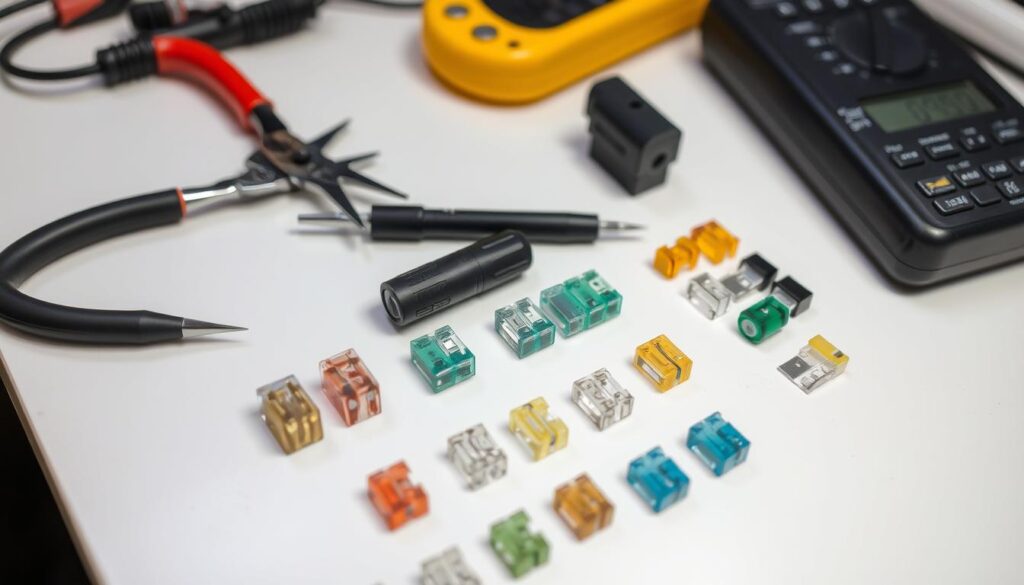
Recommended Multimeter Models
A multimeter is a versatile tool that can help you diagnose electrical issues beyond just fuse replacement. For car owners, a basic digital multimeter that can measure voltage, resistance, and continuity is sufficient. Some recommended models include:
- AstroAI Digital Multimeter
- INNOVA 3320 Multimeter
- Fluke 87V Industrial Multimeter
When choosing a multimeter, consider the features you need and your budget. A good multimeter can be a valuable addition to your toolkit, helping you troubleshoot various electrical issues.
Step-by-Step Guide to Replacing a Car Fuse
Replacing a car fuse is a straightforward process that involves several key steps to ensure your vehicle’s electrical system functions properly. By following these steps, you can safely and effectively change a car fuse.
Removing the Old Fuse
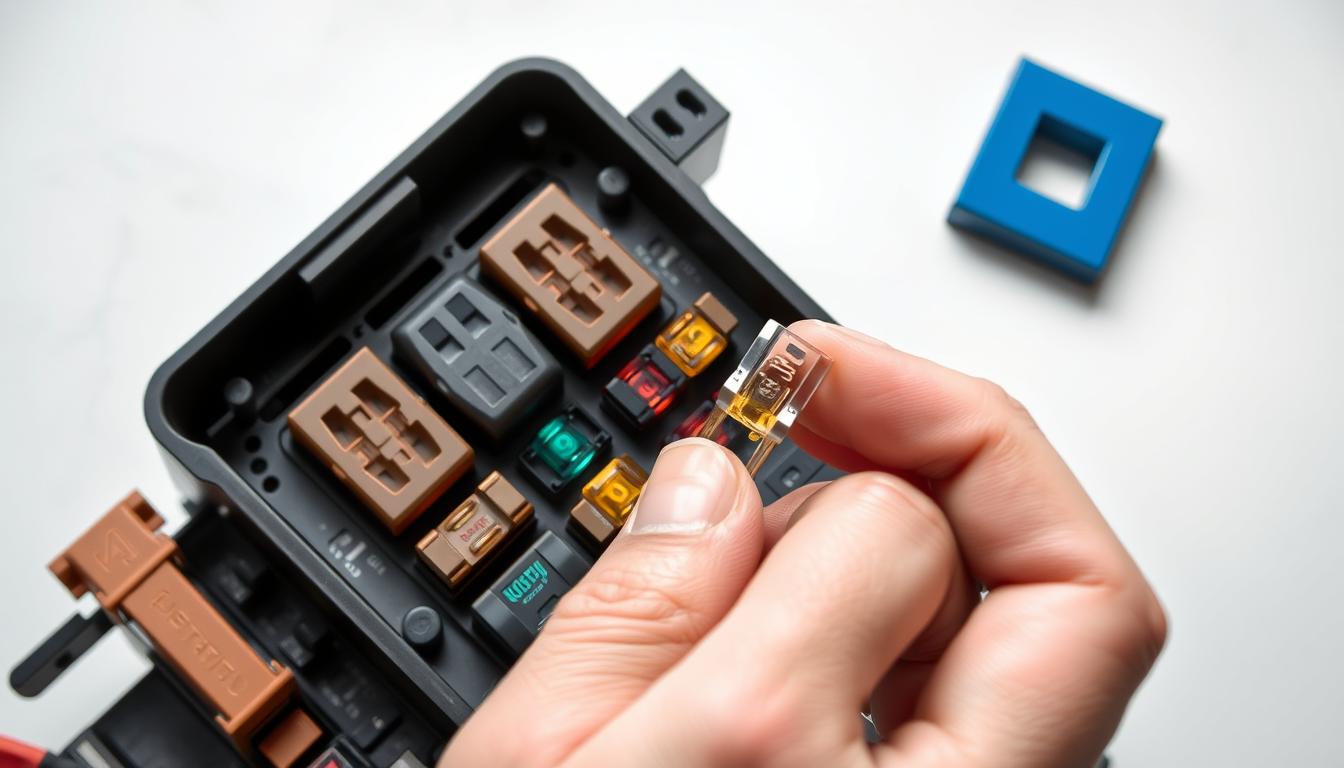
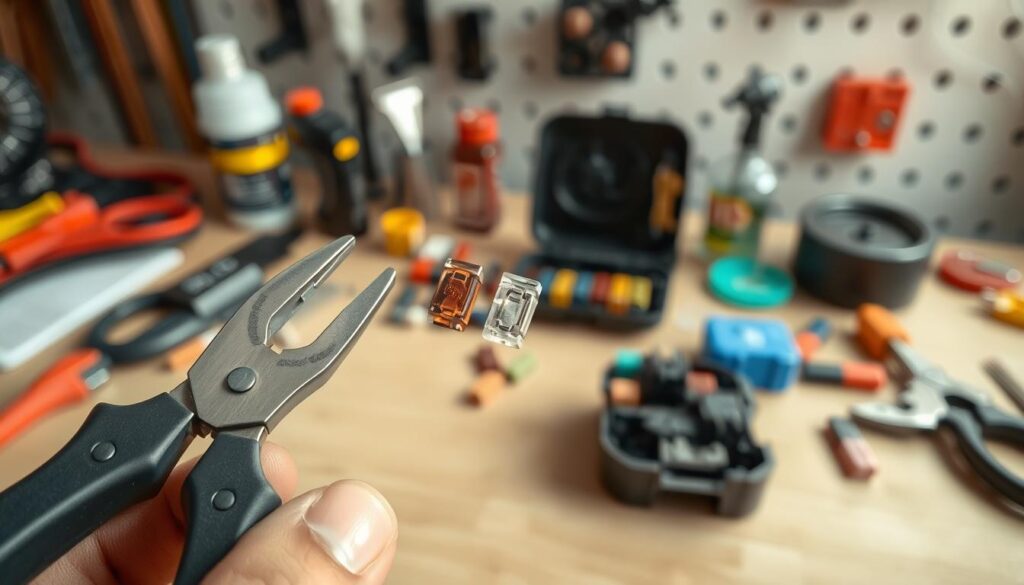
To begin the fuse replacement steps, first, you need to locate the fuse box in your vehicle. Once you’ve identified the blown fuse, use a fuse puller or a pair of needle-nose pliers to gently pull it out. Be careful not to touch any of the electrical components.
Tips for Removing the Old Fuse:
- Ensure the ignition and all electrical accessories are turned off.
- Use the correct tool to avoid damaging the fuse box or the fuse.
- If the fuse is stuck, do not force it; instead, check if it’s correctly aligned.
Inserting the New Fuse
After removing the old fuse, inspect the fuse box for any debris or dirt. Then, take the new fuse and align it with the correct slot. Gently push the fuse into place until it clicks. Make sure not to force it, as this could damage the fuse box.
Double-Checking Connections
Once the new fuse is in place, double-check that it’s securely seated and the electrical component is functioning correctly. Turn on the ignition and the component that was previously not working. If it operates as expected, you’ve successfully changed the car fuse.
| Step | Description | Tips |
|---|---|---|
| 1 | Locate the fuse box and identify the blown fuse. | Consult your vehicle’s manual for the fuse box diagram. |
| 2 | Remove the old fuse using a fuse puller or needle-nose pliers. | Be gentle to avoid damaging the fuse box. |
| 3 | Insert the new fuse into the correct slot. | Ensure it’s aligned correctly and gently push until it clicks. |
Tips for Choosing the Right Fuse
Choosing the correct fuse is vital for the longevity and performance of your vehicle’s electrical components. A fuse that is not suited for your vehicle’s electrical system can lead to recurring issues, including blown fuses and potentially damaged components.
Understanding Amperage Ratings
The amperage rating of a fuse is a critical factor in determining its suitability for your vehicle. Using a fuse with the wrong amperage rating can lead to electrical issues. For instance, a fuse with too low an amperage rating may blow frequently, while one with too high a rating may not provide adequate protection.
Key Considerations for Amperage Ratings:
- Always refer to your vehicle’s manual for the correct amperage rating.
- Understand that different components in your vehicle require fuses with different amperage ratings.
- Be aware that using a fuse with a higher amperage rating than recommended can lead to electrical fires.
Identifying Fuse Types
Fuses come in various types, including blade fuses, glass fuses, and others. Identifying the correct type of fuse for your vehicle is essential.
| Fuse Type | Description | Common Applications |
|---|---|---|
| Blade Fuses | These are the most common type of fuse used in modern vehicles. They have a flat, blade-like design. | Used for most electrical components such as headlights, radios, and wipers. |
| Glass Fuses | These fuses have a glass body and are typically used in older vehicles or specific applications. | Often used for accessories or in classic cars. |
Compatibility with Your Vehicle
Ensuring that the fuse you choose is compatible with your vehicle is crucial. This involves not only selecting the correct amperage rating and type but also verifying that it matches the specifications outlined in your vehicle’s manual.
By following these guidelines, you can ensure that you select the right fuse for your vehicle, thereby maintaining the integrity of its electrical system.
What to Do After Replacing the Fuse
With the new fuse in place, the next step is to test the electrical component and monitor for any recurring problems. This ensures that the car electrical fix is successful and that there are no underlying issues that could cause further problems.
Testing the Electrical Component
After replacing the fuse, it’s essential to test the electrical component that was previously malfunctioning. This could be the headlights, radio, or any other accessory that stopped working due to the blown fuse.
To test the component, simply turn it on and check if it’s functioning correctly. For instance, if you replaced a fuse related to the headlights, turn on the headlights to ensure they’re shining brightly and consistently.
Monitoring for Recurring Issues
Post-replacement checks are crucial to ensure that the problem doesn’t recur. Keep an eye on the electrical component and the overall electrical system of your vehicle for any signs of malfunction.
If the issue persists or recurs, it may indicate a more significant problem with your vehicle’s electrical system. In such cases, it’s vital to identify the root cause to prevent further damage.
When to Consult a Mechanic
If, after replacing the fuse and testing the electrical component, you notice that the problem persists, it’s time to consult a professional mechanic. They can diagnose the issue and provide a suitable solution.
Additionally, if you’re not comfortable with performing these checks yourself or if you’re unsure about any aspect of the process, seeking professional help is the best course of action.
| Issue | Possible Cause | Recommended Action |
|---|---|---|
| Electrical component not working after fuse replacement | Underlying electrical issue or incorrect fuse rating | Consult a mechanic for diagnosis |
| Recurring blown fuses | Short circuit or excessive electrical load | Have a professional inspect the electrical system |
| Uncertainty about fuse replacement or electrical component testing | Lack of knowledge or experience | Seek guidance from a qualified mechanic |
By following these steps and being aware of the potential issues, you can ensure a successful car electrical fix and maintain the overall health of your vehicle’s electrical system.
Common Mistakes to Avoid
To ensure your car’s electrical system functions properly, it’s essential to avoid mistakes when replacing a blown fuse. Replacing a fuse might seem like a simple task, but several common errors can lead to further complications or even safety hazards.
Using the Wrong Amp Fuse
One of the most critical mistakes is using a fuse with the wrong amperage rating. Installing a fuse with a higher or lower amp rating than specified can lead to electrical system damage or even cause a fire. Always check your vehicle’s manual or the fuse box diagram to identify the correct amperage for the fuse you are replacing.
Tip: Keep a record of the amperage ratings for future reference, especially if you’re replacing multiple fuses.
Incorrect Installation Techniques
Incorrectly installing a fuse can lead to poor connections, which may cause the electrical component to malfunction or the fuse to blow again. Ensure the new fuse is properly seated and the fuse box is securely closed. Avoid touching electrical components with your bare hands to prevent damage from static electricity.
Ignoring Warning Signs of Electrical Issues
If a fuse blows repeatedly, it’s a sign of a deeper electrical issue that needs to be addressed. Ignoring these warning signs can lead to more severe problems, including electrical fires. If you find that a fuse is blowing frequently, consult a professional mechanic to diagnose and fix the underlying issue.
Remember, safety first: If you’re unsure about any part of the fuse replacement process, it’s always best to seek advice from a qualified mechanic.
Frequently Asked Questions About Car Fuses
Replacing a car fuse can be a straightforward process if you have the right information. Here are some frequently asked questions that can help guide you through the process.
Checking Fuse Frequency
It’s a good practice to check your car’s fuses during routine maintenance or when you notice an electrical issue. Checking fuses every 6 to 12 months can help prevent unexpected problems.
Replacing a Fuse Without Tools
While it’s possible to replace a fuse without tools in some cases, using the correct tools, such as a fuse puller, can make the process safer and easier. Always refer to your vehicle’s manual for specific recommendations.
Consequences of Using a Higher Amp Fuse
Using a fuse with a higher amperage rating than specified can lead to serious electrical issues, including damage to components or even a fire. Always replace a fuse with one that matches the original amperage rating to ensure your vehicle’s electrical system functions properly and safely.
For more FAQs and guides on how to replace a car fuse, consult your vehicle’s manual or a trusted automotive resource.