





Replacing a car radiator fan is a crucial maintenance task that ensures your vehicle runs smoothly and efficiently. A faulty fan can lead to overheating, causing significant damage to your engine. Fortunately, with the right guidance, you can perform this task yourself, saving time and money.
By following this DIY guide, you’ll learn how to replace your car’s radiator fan with ease. This step-by-step tutorial will walk you through the process, from preparation to completion, helping you to avoid common pitfalls and ensure a successful installation.
Key Takeaways
- Understand the importance of replacing a faulty radiator fan
- Learn the steps involved in the DIY replacement process
- Identify the necessary tools and materials required
- Discover how to avoid common mistakes during installation
- Save time and money by doing it yourself
Understanding the Function of a Radiator Fan
The radiator fan is a crucial component in your car’s cooling system, playing a vital role in preventing engine overheating. It does so by drawing air through the radiator to cool the coolant, which in turn cools the engine.
Why Radiator Fans Are Important
Radiator fans are essential for maintaining the optimal operating temperature of your car’s engine. Without a functioning radiator fan, your engine can overheat, leading to costly repairs and potentially causing damage to other components.
A properly functioning radiator fan ensures that your engine remains cool, even in heavy traffic or during hot weather conditions. This is particularly important in modern vehicles, where engines are more compact and generate more heat.
Common Signs of a Failing Radiator Fan
Identifying a failing radiator fan early can save you from more significant problems down the line. Common signs include:
- The engine temperature gauge rising into the red zone
- The radiator fan not turning on when the engine is hot
- Unusual noises coming from the fan area
If you notice any of these signs, it’s crucial to address the issue promptly. A failing radiator fan can lead to engine overheating, which can cause significant damage if not addressed.
Tools You’ll Need for the Replacement
To replace your car’s radiator fan efficiently, you’ll need to have the right tools on hand. This ensures the job is done correctly and safely, avoiding any potential damage to your vehicle or injury to yourself.
Essential Tools for the Job
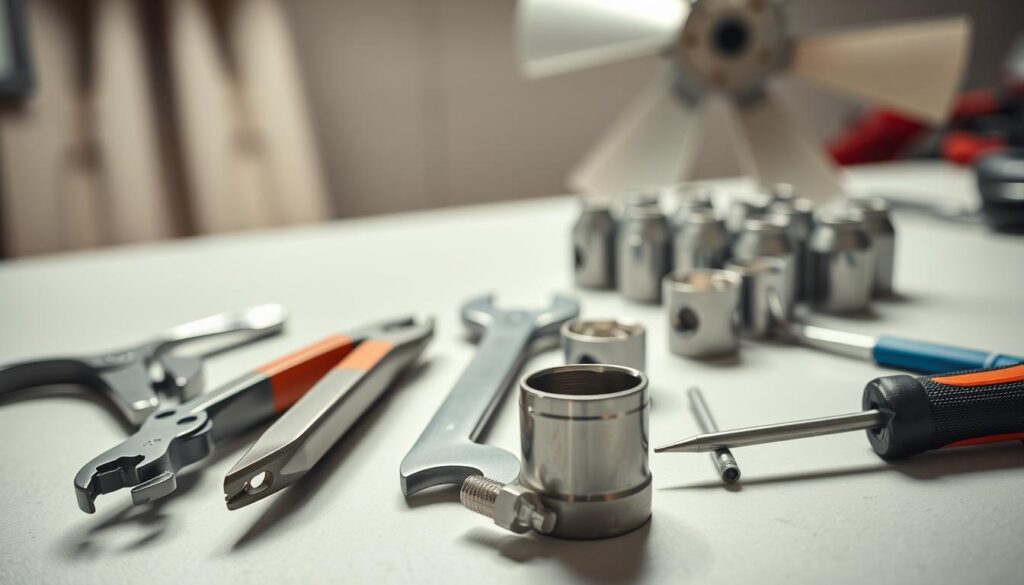
The following tools are necessary for replacing your car’s radiator fan:
- A socket set or wrench set to remove bolts
- Pliers for gripping small parts
- A screwdriver (both Phillips and flathead)
- The best car radiator fan suitable for your vehicle’s make and model
Optional Tools That May Help
While not mandatory, the following tools can make the replacement process easier:
- A repair manual for your specific vehicle, providing detailed radiator fan assembly instructions
- Gloves to protect your hands from cuts and abrasions
- Safety glasses to protect your eyes from debris
Having these tools ready will streamline the replacement process, making it more manageable and less time-consuming.
Safety First: Preparing Your Vehicle
Preparing your vehicle is a critical step in the DIY process of replacing a car radiator fan. Ensuring your safety and the safety of your car is paramount to avoid any accidents or damage during the replacement process.
Ensuring Your Car is in a Safe Position
To start, make sure your car is parked on a flat and stable surface. This is crucial to prevent the car from rolling or tilting, which could lead to injuries or make it difficult to work under the hood. Engage the parking brake and put the car in park (if it’s an automatic) or in gear (if it’s a manual transmission).

Disconnecting the Battery
Before you begin working on the radiator fan, it’s essential to disconnect the battery to prevent any accidental starts or electrical shocks. Locate your car’s battery and identify the negative (-) and positive (+) terminals. Typically, the negative terminal is connected to the car’s body or engine, and it’s marked with a negative (-) sign or colored black.
| Step | Action | Precaution |
|---|---|---|
| 1 | Loosen the nut on the negative terminal clamp | Be careful not to touch any metal part of the clamp to the battery post |
| 2 | Remove the negative cable from the battery post | Ensure the cable is placed away from the battery to prevent accidental reconnection |
| 3 | Repeat the process for the positive terminal if necessary | Some repairs may require disconnecting both terminals for maximum safety |
After disconnecting the battery, you can proceed with confidence, knowing you’ve taken the necessary precautions to ensure your safety and the safety of your vehicle. If you’re not comfortable with this process or if you encounter any issues, consider consulting a mechanic for radiator fan replacement to get professional help. Understanding the cost to replace radiator fan can also help you plan your DIY project or decide if hiring a professional is more cost-effective for you.
Step-by-Step Guide to Remove the Old Fan
The first step in replacing your car’s radiator fan is to safely remove the old one. This process involves several key steps that must be followed carefully to avoid any damage to your vehicle’s cooling system.
Identifying the Fan Assembly
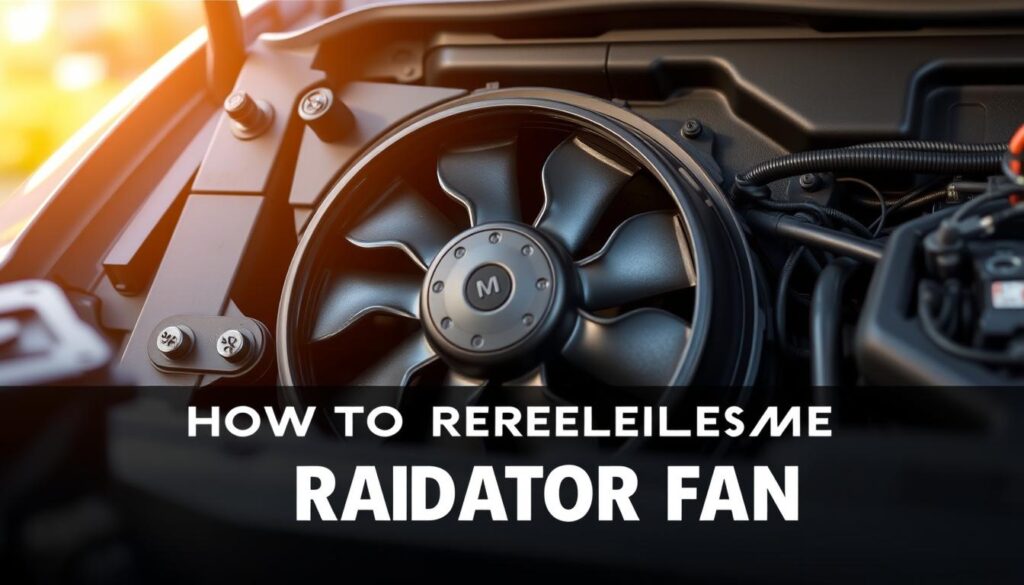
To start, you need to locate the radiator fan assembly. It’s typically situated in front of the radiator and is held in place by mounting bolts. Ensure your car is turned off and cool before you begin. The fan assembly may be surrounded by other components such as shrouds or ducts; gently inspect the area to understand how it’s configured.
Detaching Electrical Connections
Once you’ve identified the fan assembly, the next step is to disconnect the electrical connections. This usually involves unplugging the fan’s electrical connector. Be gentle to avoid damaging the connector or the wiring. If your fan has multiple electrical connections, make sure to note or label them so you can reconnect them correctly later.
Removing Mounting Bolts
After detaching the electrical connections, you’ll need to remove the mounting bolts that hold the fan assembly in place. Use the appropriate tools (usually a socket wrench or screwdriver) to loosen and remove these bolts. Keep track of the bolts as you’ll need them to secure the new fan. With the bolts removed, you should be able to carefully pull the fan assembly away from the radiator.
By following these steps, you’ll be able to successfully remove the old radiator fan, making way for the installation of the new one. Remember to handle the components with care to avoid any unnecessary damage.
Selecting the Right Replacement Fan
To ensure your car’s engine runs smoothly, it’s essential to choose a compatible replacement fan. The radiator fan plays a critical role in maintaining the optimal engine temperature, and using the wrong fan can lead to inefficiencies or even damage to your engine.
Factors to Consider When Choosing a Fan
When selecting a replacement radiator fan, several factors come into play.
- Compatibility: Ensure the fan is compatible with your vehicle’s make and model.
- Quality: Opt for a fan from a reputable manufacturer to guarantee durability and performance.
- Specifications: Check the fan’s specifications, such as voltage, current, and speed, to ensure they match your vehicle’s requirements.
As emphasized by industry experts, “Choosing the right radiator fan is not just about replacing a part; it’s about ensuring the longevity and health of your vehicle’s engine.”
“A good radiator fan is like a guardian for your engine, protecting it from overheating and potential damage.”
Popular Brands to Consider
Some well-regarded brands in the market for radiator fans include:
- Bosch: Known for their high-quality automotive parts, Bosch offers reliable radiator fans.
- SPAL: SPAL is a renowned brand for its high-performance fans that are designed for various vehicle models.
- Denso: Denso provides a range of radiator fans that are known for their efficiency and durability.

By considering these factors and choosing a fan from a reputable brand, you can ensure a successful radiator fan replacement that keeps your car running efficiently.
Installing the New Radiator Fan
Installing a new radiator fan is a straightforward process if you follow the right steps. This guide will walk you through positioning the new fan correctly, connecting electrical components, and securing it in place.
Positioning the New Fan Correctly
Before you start, ensure the new fan is compatible with your vehicle’s make and model. Carefully remove the new fan from its packaging and inspect it for any damage or defects.
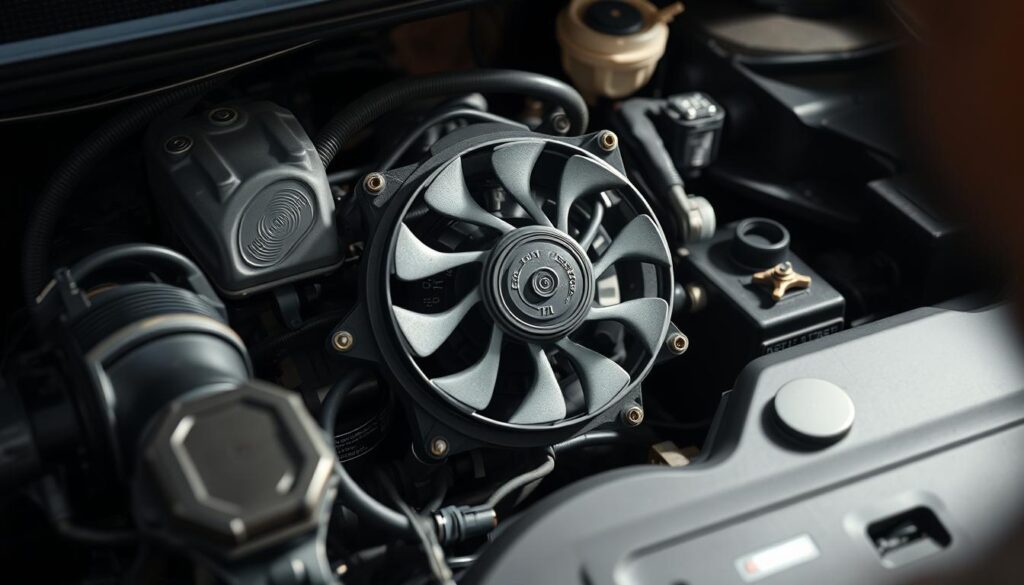
Align the new fan with the mounting points on the radiator. Make sure it’s properly seated and even. If your fan assembly includes additional components like shrouds or brackets, ensure they are correctly positioned according to the manufacturer’s instructions.
Connecting Electrical Components
Once the fan is in place, it’s time to connect the electrical components. Identify the fan’s wiring harness and match it with the corresponding connector from your vehicle’s electrical system.
Connect the fan motor to the wiring harness. Ensure the connection is secure and not loose. If your fan has additional features like a temperature sensor or multiple speed settings, make sure these are also connected correctly.
| Component | Connection Point | Notes |
|---|---|---|
| Fan Motor | Wiring Harness | Secure connection is crucial |
| Temperature Sensor | ECU or Dedicated Connector | Follow manufacturer’s instructions |
| Multi-Speed Controller | Wiring Harness or Dedicated Module | Ensure compatibility with your vehicle’s system |
Securing the Fan in Place
After connecting the electrical components, secure the fan using the mounting bolts or clips provided. Make sure they are tightened firmly to prevent any vibration or movement.
Double-check all connections and fasteners to ensure everything is in place. Reconnect the battery and start the engine to test the fan.
Testing the New Fan Functionality
Now that you’ve installed the new radiator fan, let’s verify that it’s functioning properly to avoid any car overheating radiator fan issue.
How to Check if the Fan Works Properly
To ensure your DIY radiator fan replacement was successful, follow these steps:
- Start the engine and let it run for a few minutes.
- Observe the fan to see if it turns on.
- Check the temperature gauge on your dashboard to ensure it’s within the normal range.
- If your car is equipped with a temperature sensor connected to the fan, monitor its operation.
Key indicators of a properly functioning fan include: the fan turning on when the engine reaches a certain temperature, and the temperature gauge stabilizing or decreasing.
What to Do if the Fan Doesn’t Work
If the fan doesn’t turn on or seems to be malfunctioning, there are several troubleshooting steps you can take:
- Check the electrical connections to ensure they are secure and not damaged.
- Verify the fuse related to the fan circuit is intact.
- Test the fan relay to ensure it’s functioning correctly.
- If none of these steps resolve the issue, it may be necessary to consult a professional to diagnose the problem further.
Remember, a properly functioning radiator fan is crucial for preventing car overheating issues. By following these steps, you can ensure your DIY radiator fan replacement was successful and your vehicle is running smoothly.
Maintaining Your Radiator Fan
A well-maintained radiator fan is vital for the overall health of your vehicle’s engine. Regular maintenance not only ensures the longevity of the fan but also prevents potential issues that could lead to costly repairs.
Routine Checks to Ensure Longevity
To keep your radiator fan in good working condition, perform the following routine checks:
- Regularly inspect the fan blades for dust and debris accumulation.
- Check the electrical connections for any signs of wear or damage.
- Ensure the fan motor is clean and free from corrosion.
Inspecting the fan assembly periodically can help identify potential problems early on. Use a soft brush or compressed air to gently clean the fan blades and surrounding area.
Signs You Need to Replace Again
Despite regular maintenance, radiator fans can eventually fail. Be on the lookout for these signs that may indicate the need for another replacement:
| Signs | Description |
|---|---|
| Unusual Noises | Grinding or screeching sounds coming from the fan area. |
| Overheating Engine | Frequent or persistent engine overheating issues. |
| Visible Damage | Cracks or breaks in the fan blades or mounting. |
If you notice any of these signs, it’s essential to address the issue promptly to avoid further damage to your vehicle’s engine.
Understanding the cost to replace radiator fan can help you plan for future maintenance. The cost varies depending on the vehicle’s make and model, as well as labor costs in your area.
Troubleshooting Common Problems
Even with a new radiator fan installed, problems can arise, and knowing how to diagnose them is key. After replacing your car’s radiator fan, it’s not uncommon to encounter issues that may seem related to the new fan, but could be symptoms of other problems.
Diagnosing Issues After Installation
If your car is still overheating or the new fan isn’t working as expected, there are several potential causes to investigate. First, check the electrical connections to ensure they are secure and not damaged. A loose or corroded connection can prevent the fan from working correctly.
Another common issue is the fan not turning on when the engine is hot. This could be due to a faulty temperature sensor or a problem with the fan relay. It’s essential to consult your car’s repair manual to identify the specific components involved in your vehicle’s cooling system.
| Issue | Possible Cause | Solution |
|---|---|---|
| Fan not turning on | Faulty temperature sensor or fan relay | Check and replace the sensor or relay if necessary |
| Car overheating | Low coolant level or leak | Check coolant level and top up or repair leaks |
| Fan running continuously | Faulty fan control module | Replace the fan control module |
When to Seek Professional Help
If you’ve checked the basics and the problem persists, it may be time to seek the help of a professional mechanic. A mechanic specializing in radiator fan replacement can diagnose complex issues that may not be immediately apparent.
Signs that you need professional help include persistent overheating, unusual noises from the fan area, or if the fan doesn’t turn on at all. A professional can also provide guidance on whether the issue is related to the fan or another part of the cooling system.
By understanding how to troubleshoot common problems, you can ensure your car’s cooling system operates efficiently, and you can enjoy a safer, smoother driving experience.
FAQs about Car Radiator Fan Replacement
The radiator fan is a crucial component of your car’s cooling system, and replacing it can be a DIY-friendly task with the right information. Below, we’ve compiled some frequently asked questions to help guide you through the process.
How Long Does It Take to Replace?
Replacing a car radiator fan typically takes between 1 to 3 hours, depending on your level of experience and the specific vehicle model. It’s essential to consult your car’s repair manual for more precise timing and to understand the steps involved in the DIY radiator fan replacement process.
Can I Replace It Without Professional Help?
Yes, many car owners can replace their radiator fan without professional help, provided they have basic mechanical skills and follow the correct instructions. Understanding how to install a car radiator fan correctly is key to a successful DIY replacement.
What If the Fan Still Doesn’t Work After Replacement?
If your radiator fan doesn’t work after replacement, there could be several reasons, including incorrect installation, electrical issues, or a faulty new fan. Troubleshooting steps include checking the electrical connections, ensuring the fan is properly secured, and verifying that the Replace car radiator fan was done correctly. If issues persist, it may be necessary to consult a professional mechanic.
By addressing these common questions, we hope to make your DIY radiator fan replacement experience as smooth as possible. Remember, the key to a successful replacement is patience, the right tools, and a clear understanding of the process.
Conclusion and Final Tips
Replacing your car’s radiator fan can seem daunting, but with the right guidance, it’s a manageable DIY task. By following the steps outlined in this guide, you’ve learned how to successfully complete a radiator fan replacement.
Key Takeaways
To ensure a smooth replacement process, remember to select the best car radiator fan for your vehicle, taking into account factors such as compatibility and quality. Properly disconnecting the battery and identifying the fan assembly are crucial steps to avoid any complications during the radiator fan replacement.
Empowering DIY Enthusiasts
With this guide, you’re now equipped to tackle the task with confidence. Replacing your car’s radiator fan not only saves you money but also gives you a sense of accomplishment. For a reliable and efficient cooling system, consider investing in a high-quality radiator fan from reputable brands.