





Maintaining your car’s engine performance is crucial, and one key aspect is ensuring the thermostat is functioning correctly. A faulty thermostat can lead to overheating issues, potentially causing significant damage. In this comprehensive guide, we will walk you through the steps to replace your car’s thermostat, ensuring your engine runs smoothly.
Replacing a thermostat is a relatively straightforward process that can be done at home with the right tools and instructions. This guide will cover everything from understanding the role of a car thermostat to the final checks after replacement.
Key Takeaways
- Understand the importance of a functioning thermostat for your car’s engine.
- Learn the steps involved in replacing your car’s thermostat.
- Identify the tools and materials needed for the replacement process.
- Discover how to perform final checks after replacing the thermostat.
- Gain confidence in maintaining your car’s engine performance.
Understanding the Role of a Car Thermostat
Understanding your car’s thermostat is key to maintaining optimal engine performance. The thermostat is a critical component that helps regulate the engine’s temperature, ensuring it operates efficiently and effectively.
What is a Car Thermostat?
A car thermostat is a valve that controls the flow of coolant into the engine. Its primary function is to allow the engine to warm up quickly when it’s cold and then maintain a consistent operating temperature. This is achieved by regulating the coolant flow, thereby preventing overheating.
The thermostat is typically located between the engine and the radiator. It’s a simple yet crucial device that is vital for the longevity and performance of the engine.
How Does a Thermostat Work?
The operation of a car thermostat is based on a wax pellet that expands when heated. When the engine is cold, the thermostat remains closed, preventing coolant from circulating through the engine. As the engine warms up, the wax melts, causing the thermostat to open. This allows coolant to flow into the engine, maintaining a stable operating temperature.
Key aspects of thermostat operation include:
- Temperature regulation
- Coolant flow control
- Engine warm-up facilitation
Common Signs of a Failing Thermostat
A failing thermostat can manifest in several ways, including temperature fluctuations, engine overheating, and coolant leaks. Recognizing these signs early can help prevent significant damage to the engine.
| Signs | Description |
|---|---|
| Temperature Fluctuations | Erratic temperature gauge readings |
| Engine Overheating | High engine temperature warnings or overheating indicators |
| Coolant Leaks | Visible leaks around the thermostat housing or radiator |

By understanding the role of the car thermostat and recognizing the signs of failure, you can take proactive steps to maintain your vehicle’s health and performance.
Tools and Materials Needed
To change your car’s thermostat efficiently, you’ll need to be well-prepared with the right tools and materials. Having everything on hand before you start will make the process smoother and less frustrating.
Essential Tools for the Job
The replacement process requires some basic tools that most DIY enthusiasts already have. These include:
- A socket set for removing bolts and other fasteners
- Pliers for gripping small objects
- A drain pan to catch the coolant when you drain the system
- A new thermostat that matches your car’s specifications
It’s crucial to ensure that your new thermostat is compatible with your vehicle’s make and model to guarantee proper functioning and avoid any potential issues down the line.
Recommended Replacement Thermostat Brands
When it comes to choosing a replacement thermostat, there are several reputable brands to consider. Some of the top brands include:
| Brand | Known For |
|---|---|
| Gates | High-quality thermostats designed for precise temperature control |
| Motorcraft | Original equipment quality thermostats that fit a wide range of vehicles |
| Stant | Innovative thermostat designs that offer reliability and performance |
As emphasized by industry experts, “Selecting a thermostat from a reputable brand is crucial for ensuring the longevity and performance of your vehicle’s cooling system.”
“A good thermostat is not just about regulating temperature; it’s about maintaining the overall health of your engine.”

By choosing the right tools and a high-quality replacement thermostat, you’ll be well on your way to a successful DIY replacement. Remember, preparation is key to avoiding common pitfalls and ensuring a smooth process.
Safety Precautions Before You Start
Before diving into the thermostat replacement process, it’s crucial to prioritize your safety. Working on your car’s engine can expose you to various hazards, including hot surfaces, sharp edges, and harmful chemicals.
Importance of Safety Gear
Wearing the right safety gear is essential when performing a DIY thermostat repair. This includes protective gloves to prevent cuts and abrasions, safety glasses to protect your eyes from debris or chemicals, and a face mask to avoid inhaling harmful fumes.
- Protective gloves
- Safety glasses
- Face mask
Avoiding Coolant Burns
One of the significant risks during a car engine thermostat change is exposure to coolant. Coolant can be harmful if it comes into contact with your skin, causing burns or other injuries. To avoid coolant burns, ensure you handle the coolant carefully when draining the system.
- Refer to your car’s manual for specific guidelines on handling coolant.
- Wear protective gear, including gloves and safety glasses, when working with coolant.
- Ensure the engine is cool before starting work to prevent accidental splashing.
By taking these safety precautions, you can minimize the risks associated with thermostat repair and ensure a safe and successful DIY experience.

Preparing Your Vehicle for Thermostat Replacement
Ensuring your vehicle is ready for thermostat replacement is vital for your safety and the success of the DIY project. This step involves several crucial preparations that will make the replacement process smoother and more efficient.
Gathering Your Tools
Before starting, gather all the necessary tools and materials within easy reach. This includes a new thermostat, gasket, coolant, and any other parts specified by your vehicle’s manufacturer. Having everything ready will save you time and reduce the risk of complications during the replacement process.
Lifting the Vehicle Safely
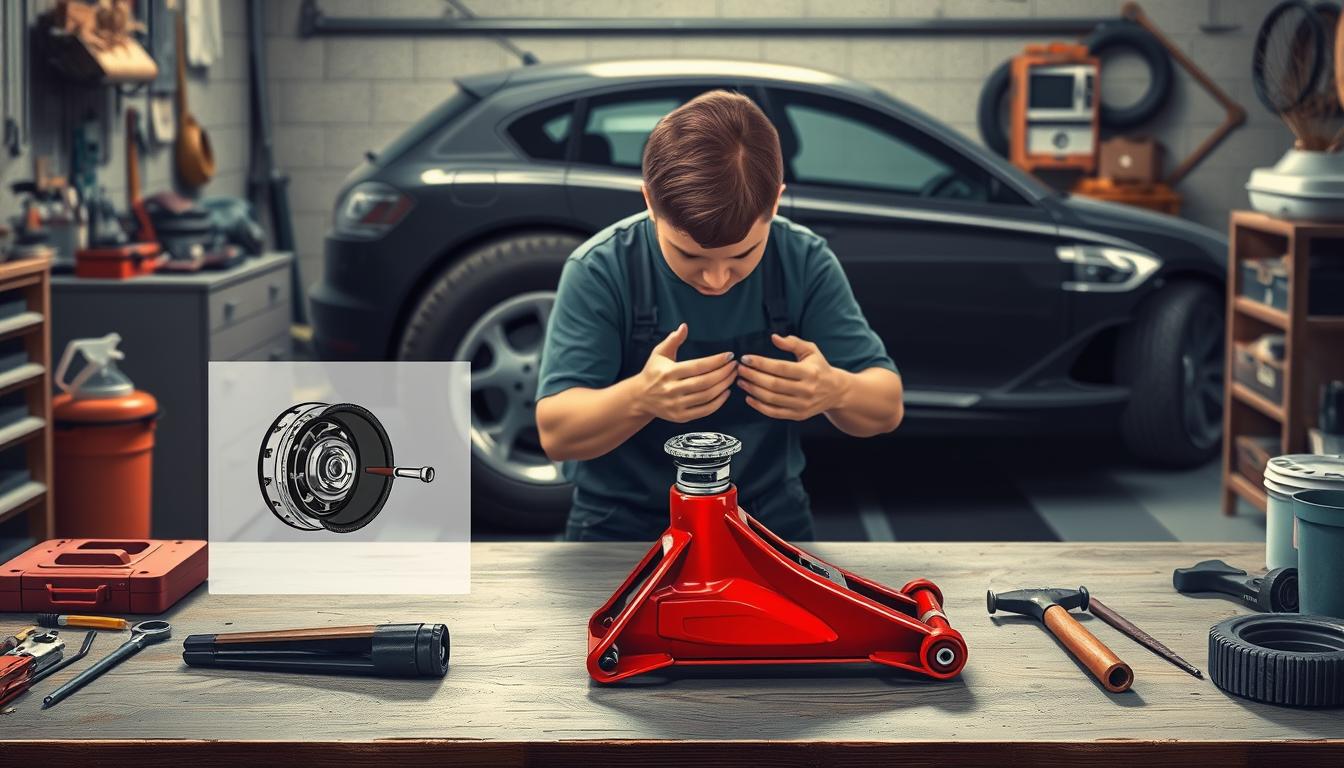
Lifting your vehicle requires care to avoid damage or injury. Use a sturdy jack and jack stands, and consult your car’s manual for the correct lifting points. Ensure your car is parked on a level surface and apply the parking brake. Safety should always be your top priority when working under your vehicle.
| Tool/Material | Purpose |
|---|---|
| New Thermostat | Replaces the old thermostat to regulate engine temperature |
| Gasket | Seals the thermostat housing to prevent coolant leaks |
| Coolant | Transfers heat and prevents corrosion in the cooling system |
| Jack and Jack Stands | Lifts the vehicle safely for access under the car |
Replacing your car’s thermostat can seem daunting, but with the right preparation, it’s a manageable DIY project. By gathering the necessary tools and lifting your vehicle safely, you’ll be well on your way to a successful thermostat replacement.

Step-by-Step Instructions to Replace the Thermostat
Changing your car’s thermostat can seem daunting, but with the right steps, it’s a manageable DIY project. According to
“The Car Care Council,” regular maintenance of your car’s cooling system is crucial for its longevity
. Replacing the thermostat is a key part of this maintenance.
Draining the Coolant
The first step in replacing your car’s thermostat is to drain the coolant from the radiator into a drain pan. Make sure to use the recommended type of coolant and follow proper disposal methods for the used coolant. Always wear protective gear, including gloves and safety glasses, to avoid any potential harm.

Removing the Old Thermostat
After draining the coolant, locate the thermostat housing and remove it to access the old thermostat. Carefully remove the old thermostat, taking note of its orientation and position. This will help when installing the new thermostat.
Installing the New Thermostat
Take the new thermostat and ensure it’s properly seated in the housing. The new thermostat should be oriented the same way as the old one. Make sure it’s securely positioned to prevent any leaks or issues with the cooling system.
Reassembling and Replacing Coolant
Reassemble the thermostat housing, ensuring all parts are securely tightened. Then, refill the coolant system with the recommended type and amount of coolant. Finally, bleed the system to remove any air pockets that may have formed during the replacement process.
By following these steps, you’ll be able to replace your car’s thermostat efficiently. Remember, regular maintenance, including checking your thermostat, is key to preventing overheating issues and prolonging the life of your vehicle.
Checking for Proper Installation
Ensuring your new thermostat is correctly installed is crucial for your car’s overall performance and longevity. A properly installed thermostat will help maintain your engine’s optimal operating temperature and prevent overheating issues.
Ensuring a Tight Seal
One of the critical steps after installing a new thermostat is to ensure the thermostat housing is tightly sealed. This prevents coolant leaks, which can lead to serious engine damage if not addressed promptly. Make sure all bolts are tightened according to the manufacturer’s specifications.
Testing for Leaks
After securing the thermostat housing, test the system for leaks by pressurizing it or simply checking for any signs of leakage around the thermostat housing. You can do this by running the engine and visually inspecting the area for any coolant drips or leaks. If you notice any leaks, turn off the engine immediately and tighten the housing further or replace any damaged gaskets.
By following these steps, you can ensure that your DIY car thermostat replacement is successful and that your engine will run smoothly without the risk of overheating. Regular checks after the replacement will also help in identifying any potential issues early on.
Common Mistakes to Avoid
Avoiding common mistakes during thermostat replacement can save you time and prevent further damage to your vehicle. Being aware of these potential pitfalls will help ensure a smooth and successful DIY project.
Skipping Safety Measures
One of the most critical mistakes is skipping safety measures. Coolant burns and other accidents can be avoided by wearing protective gear, including gloves and safety glasses. Always ensure your vehicle is on a level surface and apply the parking brake before starting work.
- Wear protective gloves and safety glasses.
- Ensure the vehicle is on a level surface.
- Apply the parking brake.
Neglecting to Bleed the Cooling System
Neglecting to bleed the cooling system after replacing the thermostat can lead to air pockets that may cause your engine to overheat or run inefficiently. To avoid this, follow the proper bleeding procedure for your vehicle’s cooling system.
- Locate the cooling system’s bleed valve.
- Open the valve to release any air.
- Monitor the system for any signs of leaks.
By being mindful of these common mistakes and taking the necessary precautions, you can ensure a successful thermostat replacement. Proper thermostat removal and thermostat repair techniques will help maintain your vehicle’s performance and longevity.
When to Seek Professional Help
While this guide helps you replace your car’s thermostat, there are situations where consulting a professional is advisable. If you’re unsure about any part of the process or if your car has a complex cooling system, it’s wise to seek expert advice.
Signs You Should Consult a Mechanic
Several signs indicate you should consult a mechanic for thermostat replacement:
- Unfamiliarity with the car’s cooling system: If you’re not confident in your ability to navigate the cooling system, a professional can prevent potential damage.
- Complex engine configurations: Modern cars with complex engine configurations may require specialized tools and knowledge.
- Previous repair attempts: If previous DIY attempts have failed, it’s time to consult a professional to avoid further complications.
Cost Comparisons: DIY vs. Professional Help
Understanding the cost implications of DIY versus professional help is crucial for making an informed decision.
| Cost Factor | DIY | Professional Help |
|---|---|---|
| Parts Cost | $50-$200 | $50-$200 (often marked up) |
| Labor Cost | $0 (your time) | $100-$300 |
| Total Cost | $50-$200 | $150-$500 |
While DIY can be cost-effective, the cost of potential mistakes should be considered. Professional help offers the assurance of a job well done, potentially saving money in the long run by avoiding further repairs.
Maintenance Tips After Replacement
After successfully replacing your car’s thermostat, it’s essential to maintain your cooling system to ensure it continues to function properly. Regular maintenance can help you catch potential issues early, saving you from costly repairs down the road.
Cooling System Checks
Regularly check the coolant level and inspect for signs of leaks around the thermostat housing and other components. This simple routine can help prevent overheating and damage to your engine.
Signs of Needed Replacement
Keep an eye out for signs that might indicate the need for another car thermostat replacement, such as temperature fluctuations or coolant leaks. If you notice any of these issues, it’s crucial to address them promptly to avoid damaging your engine. By staying proactive about maintenance, you can ensure your cooling system continues to operate efficiently, and you can enjoy a smoother ride.
Proper maintenance after a car thermostat replacement is key to extending the life of your vehicle’s engine. By following these tips, you can help ensure your engine runs smoothly and efficiently for miles to come, making the effort to replace car thermostat a worthwhile investment.