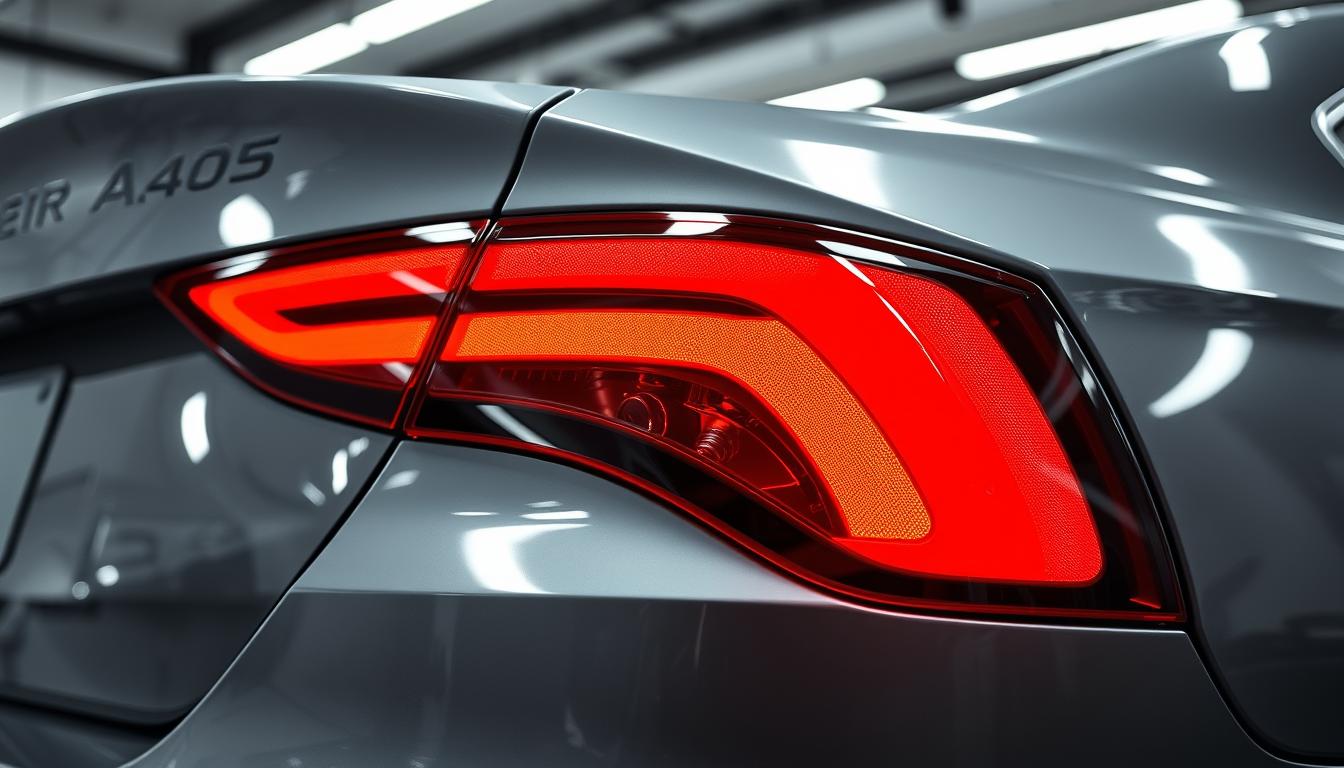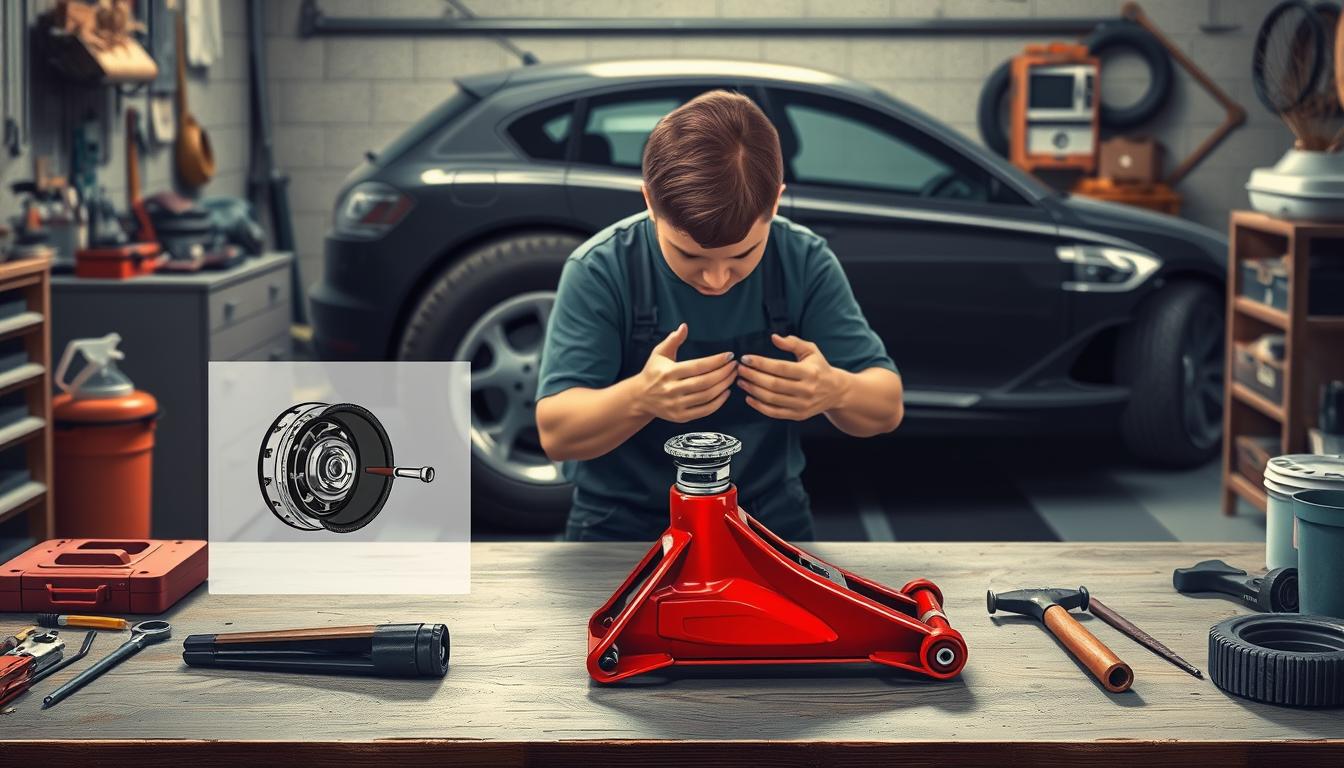






Replacing your vehicle’s tail lights is a crucial maintenance task that ensures your safety on the road. Faulty tail lights can lead to reduced visibility, especially during nighttime driving, and may even result in a traffic citation. Fortunately, with this DIY guide, you can learn how to replace them effectively.
This step-by-step guide is designed to be easy to follow, making it perfect for both seasoned DIY enthusiasts and beginners. By the end of this guide, you’ll have a properly functioning lighting system, enhancing your vehicle’s overall safety and appearance.
Key Takeaways
- Understand the importance of replacing faulty tail lights for safety and compliance.
- Learn the step-by-step process to replace tail lights on your vehicle.
- Identify the necessary tools and materials required for the task.
- Gain confidence in performing DIY repairs on your vehicle.
- Enhance your vehicle’s appearance and safety with properly functioning tail lights.
Why You Should Replace Your Car Tail Lights
Faulty tail lights can lead to serious safety issues, making it essential to replace them promptly. Functioning tail lights are not just a legal requirement; they are a critical safety feature that helps prevent accidents on the road.

Importance of Functioning Tail Lights
Your car’s tail lights serve as a primary means of communication with other drivers, especially when you’re braking or turning. As the National Highway Traffic Safety Administration notes, “properly functioning tail lights are crucial for avoiding rear-end collisions.” Replacing damaged or non-functional tail lights is a simple yet effective way to ensure your safety on the road.
Signs That Indicate It’s Time for a Replacement
Several signs indicate that your tail lights need replacement. These include:
- Dim or flickering lights
- Broken or cracked lens covers
- Non-functional lights (e.g., brake lights or turn signals not working)
Regular inspection can help identify these issues early on. If you notice any of these signs, it’s crucial to replace your tail lights as soon as possible to avoid any potential safety risks.
As a car care expert once said, “Maintaining your vehicle’s lighting system is as important as maintaining the engine.”
“The condition of your tail lights reflects the overall condition of your vehicle. Keeping them in good working order is a matter of safety and respect for other road users.”
Tools and Materials You’ll Need
To replace your car tail lights effectively, you’ll need to prepare the necessary tools and materials. Having the right equipment will not only make the job easier but also help you avoid potential complications during the replacement process.
Essential Tools for the Job
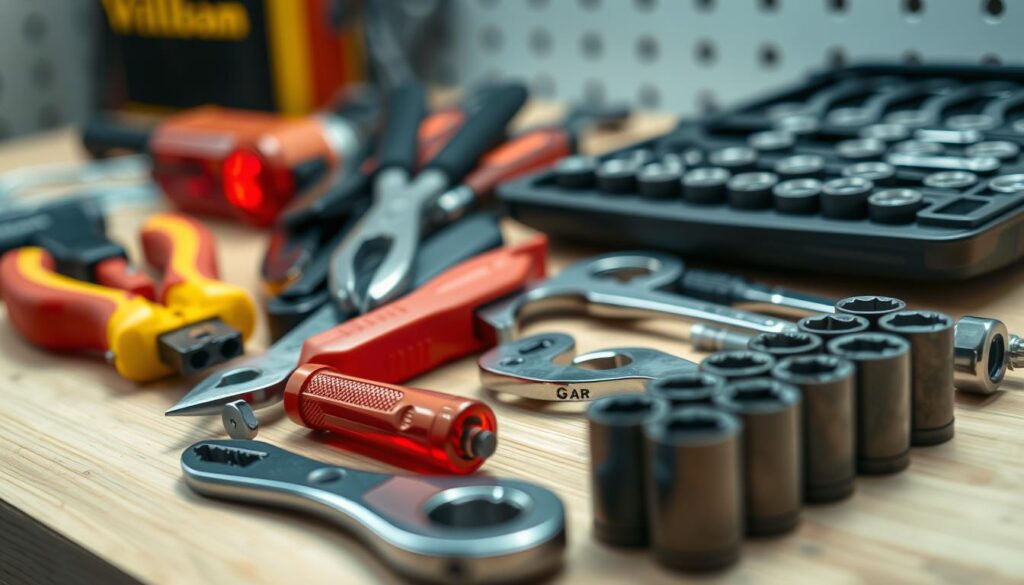
When it comes to replacing your car’s tail lights, having the right tools is crucial. Here are some of the essential tools you’ll need:
- Screwdrivers (flathead and Phillips)
- Tweezers or small pliers
- Wrench or socket set
- Trim removal tools
- Gloves and safety glasses
These tools will help you to remove the old tail light assembly, disconnect any wiring, and install the new tail light. Using the correct tools will ensure that you don’t damage any surrounding components or the new tail light itself.
Recommended Tail Light Brands
Choosing the right tail light brand is just as important as having the correct tools. Here are some reputable brands known for their quality and compatibility:
| Brand | Compatibility | Price Range |
|---|---|---|
| DEPO | Wide range of models | $50-$150 |
| TYC | OE quality, various models | $70-$200 |
| Morimoto | High-end, custom designs | $150-$300 |
When selecting a tail light brand, consider factors such as compatibility with your vehicle, price, and any additional features you may want, such as LED lights or smoked lenses. It’s also a good idea to read reviews and check the warranty offered by the manufacturer.
By having the right tools and choosing a reliable tail light brand, you’ll be well on your way to a successful DIY replacement. Remember to follow safety precautions and take your time to ensure a proper installation.
Safety First: Preparing for the Replacement
As you prepare to replace your car’s tail lights, remember that safety comes first. Ensuring your safety while working on your vehicle is paramount, and taking the right precautions can make all the difference.
Parking and Safety Precautions
Before starting the replacement process, make sure your car is parked on a level surface and apply the parking brake. This will prevent any accidental movements that could cause injury or complicate the process.
Additionally, ensure the area around your vehicle is clear of any obstructions or hazards. If you’re working in a garage or enclosed space, make sure it’s well-ventilated to avoid inhaling fumes from your car or tools.
| Safety Precaution | Description |
|---|---|
| Level Surface | Park your car on a flat, even surface to prevent it from rolling or moving during the replacement process. |
| Parking Brake | Engage the parking brake to ensure the car remains stationary. |
| Protective Gear | Wear gloves and safety glasses to protect yourself from potential hazards like sharp edges or electrical components. |
Wearing Protective Gear
Wearing the right protective gear is essential when replacing your car’s tail lights. Gloves will protect your hands from cuts and abrasions, while safety glasses will shield your eyes from debris or electrical sparks.
Consulting your vehicle’s owner’s manual is also a good practice, as it may provide specific safety recommendations tailored to your car’s make and model.
How to Access Your Car’s Tail Lights
Accessing your car’s tail lights is the first step in replacing them, and the process can vary significantly depending on your vehicle’s make and model.
Opening the Trunk or Hatch
To start, you’ll need to open the trunk or hatch of your car. This is usually done by releasing the trunk latch from inside the car or using the key fob. For some models, you might need to release the trunk lid manually from inside the trunk.
Tip: Consult your car’s manual for the exact procedure, as it can differ.
Locating the Tail Light Assembly
Once the trunk or hatch is open, you’ll need to locate the tail light assembly. This typically involves removing some trim or clips to access the bolts or screws holding the assembly in place.
- Look for the bolts or screws that secure the tail light assembly.
- Check for any wiring harnesses connected to the assembly.
As noted by automotive expert, “The key to a successful tail light replacement is accessing the assembly without causing damage to the surrounding trim or wiring.”

For a more detailed understanding, here’s a simple table outlining the general steps for accessing the tail light assembly:
| Step | Description |
|---|---|
| 1 | Open the trunk or hatch. |
| 2 | Remove trim or clips. |
| 3 | Locate and remove the bolts or screws. |
It’s crucial to be patient and gentle when accessing the tail light assembly to avoid any damage. If you’re unsure, consulting your vehicle’s repair manual or a professional mechanic is always a good idea.
Step-by-Step Instructions to Replace Tail Lights
Replacing your car’s tail lights can significantly improve its safety and appearance. This process involves a few straightforward steps that can be completed with basic tools.
Removing the Old Tail Light
To start, you’ll need to remove the old tail light assembly. Begin by taking out the screws or clips that hold it in place. Gently pull the assembly away from the vehicle to access the wiring harness.
Disconnect the wiring harness from the old tail light. This may involve pressing a release tab or twisting the connector. Be careful not to damage the wiring.

Installing the New Tail Light
Once the old tail light is removed, you can install the new one. Begin by connecting the wiring harness to the new tail light. Ensure it’s securely attached and the connection is tight.
Place the new tail light assembly back into its original position and reattach it using the screws or clips you removed earlier. Make sure it’s securely fastened.
Securing the Assembly
After installing the new tail light, double-check that the assembly is securely fastened. Tighten any screws or clips to ensure the tail light is firmly in place.
Test the tail light to ensure it’s working correctly. Turn on your car’s lights to verify that the new tail light is functioning as expected.
By following these steps, you can successfully replace your car’s tail lights and enhance its overall safety and appearance.
Testing the New Tail Lights
After successfully replacing your car’s tail lights, the next crucial step is to test them to ensure they’re functioning as expected. This step is vital for your safety on the road and to comply with traffic regulations.
Ensuring Proper Functionality
To test your new tail lights, start by turning on your vehicle’s headlights and checking if the tail lights illuminate correctly. You should see a steady glow from the brake lights when you press the brake pedal, and the turn signals should blink at a steady rate. Make sure to check both the left and right tail lights to ensure they are working symmetrically.
What to Do If They Don’t Work
If your new tail lights are not working as expected, there are a few troubleshooting steps you can take. First, double-check that the bulb is properly seated in its socket. Sometimes, a simple adjustment can resolve the issue. If the problem persists, inspect the wiring connections for any signs of damage or corrosion. Ensure that all connections are secure and free from debris.
For issues related to blown bulbs or electrical problems, refer to the troubleshooting guide in Section 9 of this article. Common issues such as faulty wiring or incorrect installation can often be resolved with a bit of patience and the right guidance.
| Issue | Possible Cause | Solution |
|---|---|---|
| Tail light not turning on | Loose bulb, faulty wiring | Check bulb seating, inspect wiring |
| Incorrect illumination | Improper installation | Reinstall correctly, check alignment |
| Blinking issue with turn signals | Faulty turn signal switch or bulb | Check turn signal switch, replace bulb if necessary |
By following these steps, you can fix broken tail lights and ensure your vehicle’s lighting system is functioning correctly. Regular checks can help prevent future issues and keep you safe on the road.
Tips for Maintaining Your Tail Lights
Maintaining your car’s tail lights is crucial for safety and visibility on the road. Properly functioning tail lights are not just a matter of aesthetics; they play a significant role in preventing accidents, especially during nighttime driving or in low-visibility conditions.
As emphasized by automotive experts, “Regular maintenance is key to ensuring your vehicle’s tail lights are in optimal condition.” To achieve this, it’s essential to follow a systematic approach to inspecting and caring for your tail lights.
Regular Inspection Checklist
To keep your tail lights in good condition, regular inspections are vital. Here’s a simple checklist to follow:
- Check for any signs of damage, such as cracks or broken lenses.
- Ensure all bulbs are functioning correctly.
- Inspect the wiring and connections for any signs of wear or damage.
- Verify that the tail light assembly is securely fastened.
Cleaning and Care Tips
Cleaning your tail lights regularly is essential to maintain their effectiveness. Here are some tips:
- Use a soft cloth and mild soap solution to clean the lenses and housings.
- Avoid using harsh chemicals or abrasive materials that could damage the tail lights.
- For stubborn grime, a mixture of baking soda and water can be effective.
- Regularly waxing your car’s exterior can also help protect the tail lights from dirt and debris.
By following these tips and incorporating regular inspections into your car maintenance routine, you can ensure your tail lights remain in good condition, enhancing your vehicle’s safety and appearance. For more complex issues or if you’re unsure about how to change tail lights, consider consulting a professional for automotive lighting services.
Common Problems with Tail Lights
Common issues with tail lights, such as blown bulbs and electrical faults, can be addressed with DIY repair methods. Even with proper maintenance, problems can arise, but understanding how to troubleshoot them can save time and money.
Troubleshooting Blown Bulbs
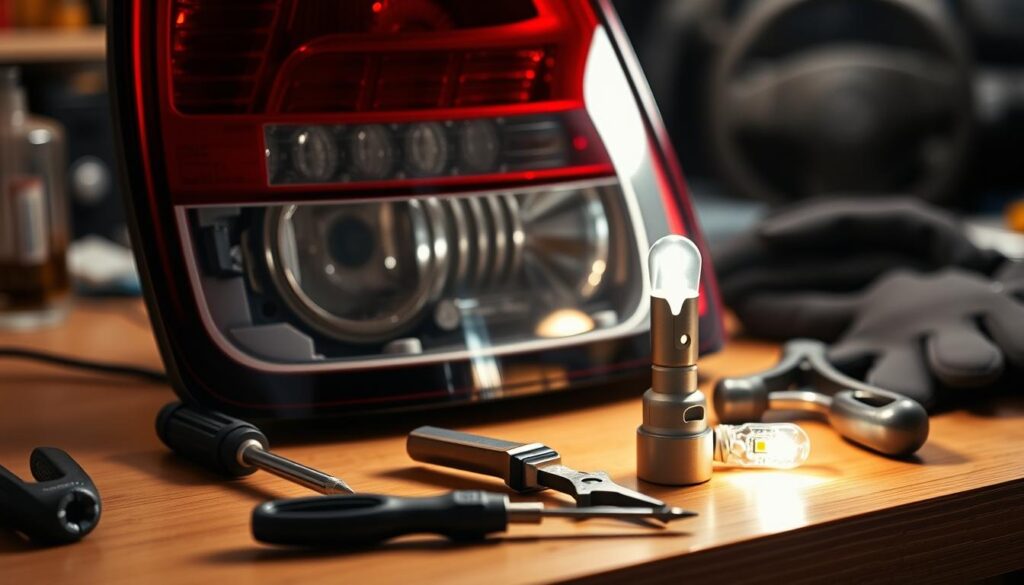
A blown bulb is one of the most common issues with tail lights. To troubleshoot, first, ensure you have the correct replacement bulb. Check your vehicle’s manual for the specifications. The process typically involves accessing the tail light assembly, removing the bulb socket, and replacing the bulb.
- Open the trunk or hatch to access the tail light assembly.
- Remove the screws or clips holding the assembly in place.
- Pull out the assembly to access the bulb.
- Twist the bulb socket counterclockwise to remove it.
- Replace the bulb with a new one of the same type.
It’s also a good practice to inspect the socket for any signs of damage or corrosion. Cleaning the socket with a soft brush or replacing it if necessary can prevent future issues.
Dealing with Electrical Issues
Electrical issues can be more complex and may involve wiring problems or faulty connectors. Identifying the source of the issue is crucial. Check for any signs of wear or damage on the wiring and connectors. A multimeter can be a useful tool for diagnosing electrical issues by measuring voltage and continuity.
| Issue | Possible Cause | Solution |
|---|---|---|
| No light | Blown fuse or bulb | Check and replace fuse or bulb |
| Intermittent light | Loose connection or wiring issue | Inspect and repair wiring or connections |
| Dim light | Corrosion or faulty bulb | Clean corrosion or replace bulb |
As a seasoned mechanic once said,
“The key to efficient car repair is understanding the root cause of the problem. With tail lights, it’s often a simple fix, but it requires patience and the right tools.”
By following these troubleshooting tips, you can resolve common tail light issues efficiently.
When to Seek Professional Help
While replacing car tail lights can be a DIY-friendly task, there are instances where seeking professional help is the best course of action. If you’re faced with a complex electrical issue or are unsure about any part of the replacement process, it’s wise to consult a professional mechanic.
Signs That Indicate Expert Assistance is Needed
There are several signs that indicate you need expert assistance. For instance, if you notice any of the following, it’s time to seek help:
- Dim or flickering tail lights
- Tail lights that won’t turn off
- Electrical issues that you’ve tried to troubleshoot without success
- Damage to the tail light assembly that requires specialized tools or expertise
As AAA notes, “Modern vehicles are equipped with complex electrical systems, and attempting to repair them without proper knowledge can lead to further damage or safety hazards.”
Finding the Right Mechanic
If you’ve decided to seek professional help, finding the right mechanic is crucial. Here are some tips:
- Ask for referrals from friends, family, or online reviews.
- Check if the mechanic has experience with your vehicle’s make and model.
- Ensure they are certified by a reputable organization, such as ASE (National Institute for Automotive Service Excellence).
By following these guidelines, you can ensure that your tail light replacement is done correctly and safely.
Cost Factors for Tail Light Replacement
When it comes to tail light replacement, several cost factors come into play. The total expense can vary significantly depending on whether you choose to replace the tail lights yourself or hire a professional.
DIY vs. Professional Replacement Costs
Opting for a DIY tail light replacement can be cost-effective, as it eliminates labor costs. However, it’s essential to consider the cost of the replacement parts and any additional tools you might need.
- Cost of Replacement Parts: The price of tail lights can vary widely based on the brand, quality, and whether they are OEM (Original Equipment Manufacturer) or aftermarket.
- Tools and Materials: You may need specific tools to remove the old tail light assembly and install the new one. The cost of these tools can add to the overall expense.
On the other hand, hiring a professional mechanic ensures the job is done correctly and safely, but it comes with labor costs. The total cost will depend on the mechanic’s rate and the time required to complete the job.
Average Prices for Tail Lights
The cost of tail lights themselves can range from $50 to $200 or more per unit, depending on the vehicle’s make and model, and the quality of the tail lights.
- OEM Tail Lights: $100-$300 per unit
- Aftermarket Tail Lights: $50-$200 per unit
- Labor Costs (if professional installation): $50-$150
It’s also worth considering that some vehicles may require additional components, such as bulbs or electrical connectors, which can add to the overall cost.
Final Thoughts on Tail Light Replacement
Replacing your car’s tail lights is a straightforward process that can be done at home with the right tools and guidance. By following the steps outlined in this guide, you can ensure your vehicle remains safe and compliant with road regulations.
DIY Maintenance Benefits
Learning how to change tail lights on your own can save you money and give you a sense of accomplishment. It’s a simple yet effective way to maintain your vehicle’s overall health.
Fixing broken tail lights promptly is crucial for your safety on the road. By taking the initiative to replace them, you’re not only ensuring your own safety but also that of other drivers around you.
Take Action Today
If your tail lights are damaged or not working correctly, don’t hesitate to take action. With the knowledge gained from this guide, you’re now equipped to fix broken tail lights and keep your vehicle in top condition.