





Replacing a broken vehicle side mirror is a relatively simple task that can save you money and enhance your vehicle’s safety. This comprehensive guide will walk you through the process, providing step-by-step instructions and valuable tips to ensure a successful replacement.
Whether you’re a seasoned DIY enthusiast or a beginner, this guide is designed to help you navigate the process with confidence. With the right tools and a bit of patience, you can have your vehicle’s mirrors back in working order in no time.
Key Takeaways
- Learn how to replace a broken vehicle mirror with ease.
- Understand the importance of proper mirror alignment.
- Discover the tools needed for a successful replacement.
- Follow step-by-step instructions for a stress-free experience.
- Enhance your vehicle’s safety with a functional mirror.
Understanding the Importance of Side Mirrors
Side mirrors are a critical component of a vehicle’s safety apparatus, providing drivers with a wide field of vision. They are essential for safe driving, helping to prevent accidents by giving drivers the ability to see other vehicles, pedestrians, and obstacles around them.
Safety Considerations
Side mirrors enhance safety by reducing blind spots, allowing drivers to change lanes more safely and be aware of their surroundings. Properly adjusted and maintained side mirrors can significantly reduce the risk of accidents. They also play a crucial role in parking and maneuvering in tight spaces.
The importance of side mirrors is highlighted in various safety studies, which show that vehicles with properly adjusted mirrors have a lower incidence of accidents related to lane changes and merging.
Legal Requirements
In most jurisdictions, having functional side mirrors is a legal requirement. Drivers can be fined for driving a vehicle with missing or damaged side mirrors. The specific regulations can vary, but the principle remains that vehicles must be equipped with functioning side mirrors to be considered roadworthy.
| State | Side Mirror Requirement |
|---|---|
| California | Mandatory |
| New York | Mandatory |
| Texas | Mandatory |
It’s essential for drivers to familiarize themselves with the specific laws in their state or region regarding vehicle equipment, including side mirrors.
Assessing the Damage to Your Side Mirror
Understanding the type and extent of the damage to your side mirror is crucial for a successful replacement. Before you begin the replacement process, it’s vital to conduct a thorough assessment.
The assessment will help you identify whether your side mirror can be repaired or if it needs to be replaced entirely. This decision is influenced by the type and severity of the damage.
Types of Mirror Damage
Side mirrors can suffer from various types of damage, including:
- Cracked or shattered glass
- Loose or detached mounting
- Electronic malfunctions
- Physical damage to the housing
Table: Common Types of Side Mirror Damage and Possible Solutions
| Type of Damage | Possible Solution |
|---|---|
| Cracked Glass | Replace glass or entire mirror |
| Loose Mounting | Tighten or replace mounting screws |
| Electronic Malfunction | Check wiring or replace electronic components |
When to Replace vs. Repair
Deciding whether to repair or replace your side mirror depends on the extent of the damage. For minor issues, such as a loose screw, a simple repair might suffice. However, if the mirror is cracked, or the electronic components are malfunctioning, replacement is often the more cost-effective and safe option.
It’s also worth considering the age and overall condition of your vehicle when making this decision.

By carefully assessing the damage and considering your options, you can ensure that your side mirror is properly restored to its original functionality.
Tools and Materials Needed for Replacement
A successful DIY side mirror replacement starts with preparation, including having the correct tools and materials on hand. Ensuring you have everything needed before beginning the project will save time and reduce frustration.
Essential Tools
To replace your vehicle’s side mirror, you’ll need a set of basic tools. These typically include:
- A screwdriver set (both Phillips and flathead)
- A trim removal tool
- A socket wrench or ratchet
- Tweezers or needle-nose pliers for handling small parts
Tip: Having a well-organized toolbox will make the process smoother. Consider using a toolbox organizer to keep your tools within easy reach.
Required Replacement Parts
The replacement parts you’ll need depend on the extent of the damage. Common parts required include:
| Part | Description |
|---|---|
| Mirror Glass | Replacement glass for the side mirror |
| Mirror Housing | The outer casing of the side mirror |
| Actuator or Motor | For mirrors with electric adjustment or heating |
| Wiring Harness | For reconnecting electrical components |
Note: Ensure that the replacement parts are compatible with your vehicle’s make and model. Consult your vehicle’s manual or contact a parts supplier for guidance.
By gathering the necessary tools and replacement parts, you’ll be well-prepared to tackle the DIY side mirror replacement project. Remember, taking your time and following the correct procedures will ensure a successful outcome.
Step-by-Step Guide to Removing the Broken Mirror
To start the DIY side mirror replacement, you’ll need to remove the broken mirror, a process that demands precision and patience. This step is crucial for ensuring a smooth installation of the new mirror.
Disconnecting the Power Supply
Before you begin removing the mirror, it’s essential to disconnect the power supply to avoid any accidental electrical shocks or damage to the vehicle’s electrical system. Locate the wiring harness connected to the mirror and gently release the connector.
For vehicles with advanced side mirror features like heating or blind-spot detection, ensure you identify and disconnect all relevant connections.
Unscrewing the Mirror
Once the power supply is disconnected, you can proceed to unscrew the mirror from its mounting. Use a screwdriver that fits the screw head to avoid stripping the screws.
Typically, you’ll find screws located around the edges of the mirror housing. Remove these screws carefully and store them in a safe place to avoid losing them.
| Tools Needed | Purpose |
|---|---|
| Screwdriver | Removing screws that hold the mirror in place |
| Wiring connector release tool | Releasing the wiring harness connector |
By following these steps, you’ll be able to safely remove the broken side mirror, making way for the new installation.
Preparing for Installation of the New Mirror
Preparing the area for the new mirror is a critical step that ensures a smooth DIY side mirror replacement. This process involves a couple of key steps that are often overlooked but are crucial for a successful installation.
Cleaning the Area
The first step in preparing the area is to thoroughly clean around the mirror mount. Dirt, debris, or old adhesive can interfere with the new mirror’s ability to fit properly or function as intended. Use a soft cloth and a mild cleaning solution to wipe down the area. This will help remove any grime or residue that may have accumulated since the old mirror was removed.
Ensure the area is dry before proceeding with the installation. Any moisture can compromise the adhesion or electrical components of the new mirror.
Checking for Compatibility
Before installing the new mirror, it’s essential to verify its compatibility with your vehicle. Check the part number and compare it with the manufacturer’s specifications to ensure it matches your vehicle’s make and model. Compatibility is crucial not just for the mirror’s fit but also for its functionality, especially if your mirror includes advanced features like heating, blind-spot detection, or turn signals.
Take a moment to inspect the new mirror and its packaging for any instructions or specific recommendations from the manufacturer. This can provide valuable insights into any additional steps you might need to take during the installation process.
Installing the Replacement Side Mirror
The next step in replacing your car’s side mirror is installing the new one, ensuring it’s properly aligned and secured. This process involves careful attention to detail to guarantee a safe and effective installation.
Aligning the New Mirror
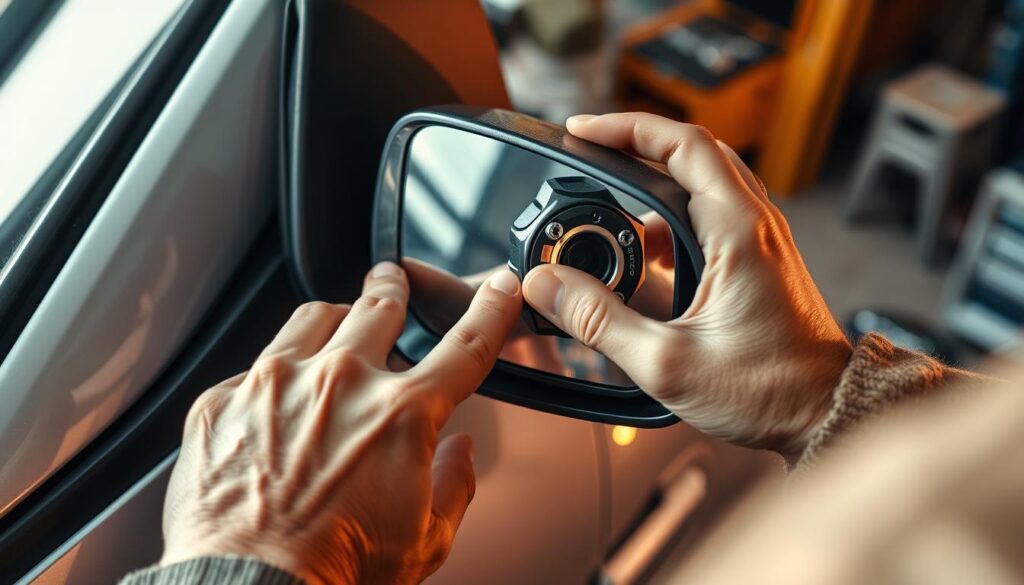
To align the new mirror correctly, start by positioning it in its mounting bracket. Ensure it’s properly seated and aligned with the vehicle’s other mirrors. You may need to adjust the mirror’s position slightly to achieve the optimal viewing angle. Take your time and check the mirror’s alignment from different viewpoints to ensure it’s correctly positioned.
Securing the Mirror with Screws
Once the new mirror is aligned, you can secure it using the provided screws. Tighten the screws firmly but avoid over-tightening, which could damage the mirror or its mounting bracket. It’s essential to strike the right balance to ensure the mirror is stable and secure.
After securing the mirror, double-check its alignment and make any necessary adjustments. This step is crucial for a successful car mirror installation. With the mirror properly installed, you’ll enjoy improved visibility and safety on the road.
Reconnecting Power to the Side Mirror
Reconnecting power to your newly installed side mirror is a vital step that ensures its proper functioning. This process involves not just restoring the electrical connection but also verifying that all features of the mirror are working as expected.
Testing Electrical Functions
To ensure your new side mirror is working correctly, you need to test its electrical functions. This includes checking the mirror’s adjustment capabilities, any heating elements if present, and indicator lights. Start by adjusting the mirror to different positions to verify its movement is smooth and controlled.
Testing Steps:
- Adjust the mirror to different positions.
- Check for any heating function if your mirror is equipped with it.
- Test the indicator lights or turn signals integrated into the mirror.
| Function | Expected Outcome | Actual Outcome |
|---|---|---|
| Mirror Adjustment | Smooth movement | |
| Heating Function | Warmth detected | |
| Indicator Lights | Lights turn on/off with signal |
Ensuring Proper Configuration
After testing the electrical functions, ensure that the mirror is properly configured. This involves aligning the mirror correctly and securing any loose parts. Proper configuration is key to safe driving and to avoid any further adjustments down the line.
By following these steps, you can ensure that your new side mirror is not only installed correctly but also functioning as it should, enhancing your safety on the road.
Adjusting the New Side Mirror
Adjusting your new side mirror is essential for ensuring a safe and clear view of the surrounding environment. This step is crucial in the side mirror repair guide as it directly impacts your ability to drive safely.
Manual Adjustments
For vehicles equipped with manual adjustments, the process is straightforward. Typically, you’ll find a lever or knob near the mirror or on the door panel that allows you to adjust the mirror’s position.
- To adjust the mirror, simply move the lever or turn the knob until the mirror is positioned to provide the best view.
- It’s a good idea to check the mirror’s adjustment from different sitting positions to ensure it remains effective.
Automatic Adjustments (if applicable)
If your vehicle is equipped with automatic side mirror adjustments, the process is even simpler. These mirrors can often be adjusted using controls located on the door panel or center console.
To adjust an automatic side mirror:
- Use the controls to adjust the mirror to your preferred setting.
- Some vehicles also allow you to save your preferred mirror positions along with your seat settings for multiple drivers.
Regardless of whether your side mirror adjustments are manual or automatic, it’s essential to check that they are properly set before driving. A well-adjusted side mirror is a critical component of safe driving, reducing blind spots and enhancing your overall awareness of the road environment.
| Adjustment Type | Control Location | Adjustment Method |
|---|---|---|
| Manual | Near the mirror or on the door panel | Lever or knob |
| Automatic | On the door panel or center console | Electronic controls |

By following these steps and ensuring your side mirrors are correctly adjusted, you’ll be completing the final step in our side mirror repair guide. Properly adjusted mirrors not only enhance safety but also contribute to a more comfortable driving experience.
Common Mistakes to Avoid During Replacement
To ensure a smooth DIY experience, it’s crucial to be aware of the mistakes that can complicate the side mirror replacement process. Replacing a side mirror involves several steps where a small error can lead to more significant problems, such as improper fitment or electrical issues.
Being informed about the potential pitfalls can save time and frustration. Here are some key areas to focus on.
Over-tightening Screws
One of the most common mistakes during side mirror replacement is over-tightening the screws. While it might seem logical to secure the mirror as tightly as possible, doing so can damage the mirror housing or strip the screw threads.
Tip: Tighten the screws until they are snug, then stop. This ensures the mirror is securely in place without risking damage.
Ignoring Electrical Connections
Another critical mistake is ignoring or improperly connecting the electrical components of the side mirror. Modern vehicles often have complex electrical systems integrated into their side mirrors, including heating elements, turn signals, and adjustment mechanisms.
Advice: Double-check all electrical connections to ensure they are clean, secure, and correctly matched to their corresponding wires. This step is crucial for the proper functioning of the mirror’s advanced features.
By avoiding these common mistakes, you can ensure a successful DIY side mirror replacement. Remember, patience and attention to detail are key to a job well done.
Troubleshooting Installation Issues
Even with a meticulous approach, you might encounter issues during the side mirror replacement process. Don’t worry, as this section is designed to help you troubleshoot common problems that may arise during or after the installation of your new side mirror.
Mirror Not Adjusting Properly
If your new side mirror is not adjusting properly, there are a few potential causes to investigate. First, ensure that the mirror is correctly aligned with the mounting bracket. Sometimes, a slight adjustment can resolve the issue.
- Check if the mirror glass is properly seated within its housing.
- Verify that the adjustment mechanism is not damaged or obstructed.
- For electrically adjusted mirrors, ensure that the electrical connections are secure and not damaged.
By checking these potential issues, you can often resolve the problem without needing further assistance.
Unresponsive Electrical Features
If your side mirror has unresponsive electrical features, such as heating or adjustment controls, there are several troubleshooting steps you can take. First, check the electrical connections to ensure they are secure and not corroded.
- Inspect the wiring for any signs of damage or wear.
- Test the electrical functions to identify if the issue is with the mirror itself or the vehicle’s electrical system.
- Consult your vehicle’s manual or contact a professional if you’re unsure about how to proceed.
For a do it yourself mirror fix, it’s essential to be methodical in your troubleshooting approach. By following these steps, you can often identify and resolve issues efficiently.

Troubleshooting is a crucial step in the DIY process, allowing you to address issues promptly and effectively. By being thorough and patient, you can ensure your new side mirror functions as expected, enhancing your vehicle’s safety and functionality.
Maintaining Your Side Mirrors
Maintaining your vehicle’s side mirrors is a simple yet vital task for overall road safety. Properly maintained side mirrors enhance your visibility, reduce the risk of accidents, and contribute to a smoother driving experience.
Cleaning Tips
Cleaning your side mirrors regularly is crucial for maintaining clear visibility. Here are some tips to keep your mirrors clean and effective:
- Use a soft, lint-free cloth to wipe down the mirrors. Avoid using paper towels, as they can leave behind lint or scratches.
- For stubborn spots or grime, dampen the cloth with water or use a specialized glass cleaner. Avoid harsh chemicals that can damage the mirror’s coating or housing.
- Pay special attention to the mirror’s edges and the area where the mirror meets the housing, as these areas tend to accumulate dirt.
Regular Inspection
Regular inspection of your side mirrors is just as important as cleaning them. Here’s what you should look out for:
- Check for any signs of damage, such as cracks or loose mounting. Damaged mirrors should be replaced promptly to ensure safety.
- Verify that the mirror is properly adjusted and that it’s not loose. A loose mirror can vibrate or move while driving, reducing its effectiveness.
- If your side mirrors have electrical features like heating or blind-spot detection, test these functions regularly to ensure they’re working correctly.
By following these cleaning tips and conducting regular inspections, you can keep your side mirrors in top condition, enhancing your safety on the road.
DIY Side Mirror Replacement vs. Professional Help
The decision to replace a side mirror DIY-style or hire a professional is influenced by several factors, including cost, complexity, and personal preference. Understanding these factors is crucial in making an informed decision that suits your needs and budget.
Pros of DIY
Opting for a DIY side mirror replacement can be cost-effective and rewarding. It allows you to have control over the process and potentially save on labor costs. With the right tools and a bit of patience, many car owners can successfully replace their side mirrors at home.
- Cost Savings: By doing it yourself, you can save on the labor costs associated with professional installation.
- Personal Satisfaction: Completing a DIY project can be fulfilling and gives you a sense of accomplishment.
- Flexibility: You can work on your schedule, pausing and resuming as needed.
When to Seek Professional Services
While DIY replacement is a viable option for many, there are instances where seeking professional help is advisable. If you’re not comfortable with the process, or if your vehicle has complex mirror systems or advanced technology integrated into the mirror, it’s best to consult a professional.
| Consideration | DIY | Professional |
|---|---|---|
| Cost | Lower (parts only) | Higher (parts + labor) |
| Complexity | Variable (depends on the vehicle) | Handled by experts |
| Time | Variable (depending on experience) | Faster (professionals are more efficient) |

In conclusion, whether to replace your side mirror yourself or seek professional help depends on your comfort level with DIY projects, the complexity of your vehicle’s mirror system, and your budget. By weighing these factors, you can make an informed decision that best suits your situation.
Conclusion and Final Thoughts on DIY Side Mirror Replacement
Replacing a broken side mirror is a DIY task that requires attention to detail and the right guidance. By following this comprehensive side mirror repair guide, you’ve successfully completed the replacement process, ensuring your vehicle’s safety and functionality.
Key Takeaways
Proper installation is crucial for the optimal performance of your side mirror. A correctly installed mirror not only enhances your vehicle’s appearance but also provides a clear view of the surrounding environment, reducing the risk of accidents.
With the skills and experience gained from this self mirror replacement tips guide, you’re now equipped to tackle other home improvement projects with confidence. The DIY approach not only saves you money but also fosters a sense of accomplishment and self-sufficiency.
As you continue to explore DIY projects, remember to always follow safety guidelines and manufacturer instructions. With practice and patience, you’ll become proficient in handling various tasks, from simple repairs to complex installations.