




Maintaining your vehicle’s windshield washer system is crucial for clear visibility while driving. A faulty washer pump can lead to reduced performance and safety issues. Fortunately, replacing it is a straightforward process that you can accomplish yourself with the right guidance.
This DIY guide will walk you through the steps to replace your windshield washer pump efficiently. By following this guide, you’ll not only save money on labor costs but also gain a better understanding of your vehicle’s maintenance needs.
Key Takeaways
- Understand the importance of maintaining your vehicle’s windshield washer system.
- Learn the steps to replace the washer pump yourself.
- Discover how to save on labor costs by doing it yourself.
- Gain confidence in performing basic car maintenance tasks.
- Improve your vehicle’s performance and safety.
Understanding the Windshield Washer Pump
To effectively replace a windshield washer pump, you first need to understand its function and importance. The windshield washer pump is a vital component of your vehicle’s windshield washer system, responsible for spraying washer fluid onto the windshield to maintain clear visibility while driving.
What is a Windshield Washer Pump?
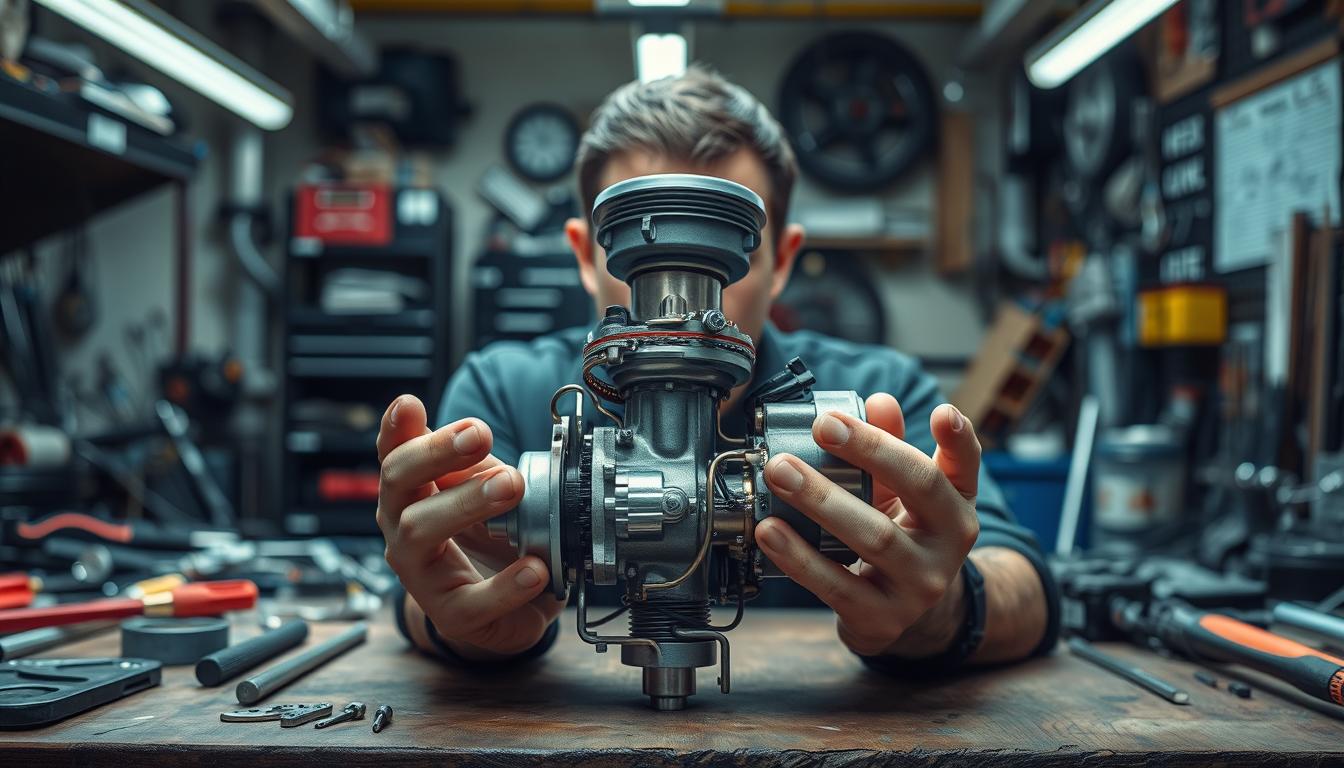
A windshield washer pump is an electric or mechanical device that pressurizes the washer fluid in the reservoir, allowing it to be sprayed onto the windshield through nozzles. This component is crucial for removing dirt, dust, and other debris that can obstruct your view.
How Does It Work?
The operation of the windshield washer pump is straightforward. When you activate the washer switch, an electrical signal is sent to the pump, which then pressurizes the washer fluid, forcing it out of the nozzles and onto the windshield. This process is essential for maintaining a clean windshield, especially during adverse weather conditions.
Common Symptoms of a Failing Pump
Identifying a failing windshield washer pump is relatively straightforward. Common symptoms include:
- Weak or no spray from the washer nozzles
- Unusual noises coming from the pump area
- Leaks around the pump or reservoir
Recognizing these symptoms early can help you address the issue before it becomes a safety concern. Here’s a summary of the symptoms and their implications:
| Symptom | Implication |
|---|---|
| Weak or no spray | Clogged nozzles or failing pump |
| Unusual noises | Worn-out or malfunctioning pump |
| Leaks | Damaged reservoir or pump seal |
By understanding the windshield washer pump’s function, operation, and signs of failure, you can better diagnose and address issues related to it, ensuring your windshield remains clean and clear for safe driving.
Necessary Tools and Materials
The key to a smooth DIY windshield washer pump replacement lies in having the correct tools and materials at hand. This ensures that the process is not only efficient but also safe.
Essential Tools for the Replacement Process
To begin, you’ll need a set of basic tools that will help you access and replace the windshield washer pump. These include:
- A screwdriver (preferably Phillips head)
- Pliers for gripping small parts
- A wrench or socket for removing bolts
Recommended Replacement Parts
Having the right replacement parts is crucial for a successful DIY windshield washer repair. Make sure to purchase a windshield washer pump that is compatible with your vehicle’s make and model.
| Part | Description |
|---|---|
| Windshield Washer Pump | The main component responsible for pumping washer fluid |
| Washer Fluid Reservoir | The container that holds the washer fluid |
| Electrical Connector | Connects the pump to the vehicle’s electrical system |
Safety Equipment to Use
Safety should be your top priority when performing DIY car maintenance. Ensure you have the following safety equipment:
- Gloves to protect your hands from cuts and chemicals
- Safety glasses to shield your eyes from debris
- A well-ventilated workspace to avoid inhaling fumes

By gathering these necessary tools and materials, you’ll be well-prepared to tackle the replacement process with confidence.
Step-by-Step Preparation
Before diving into the replacement process, it’s essential to prepare adequately to ensure a smooth DIY experience. Proper preparation not only saves time but also helps in avoiding potential pitfalls during the DIY windshield washer pump replacement.
Gather Your Tools
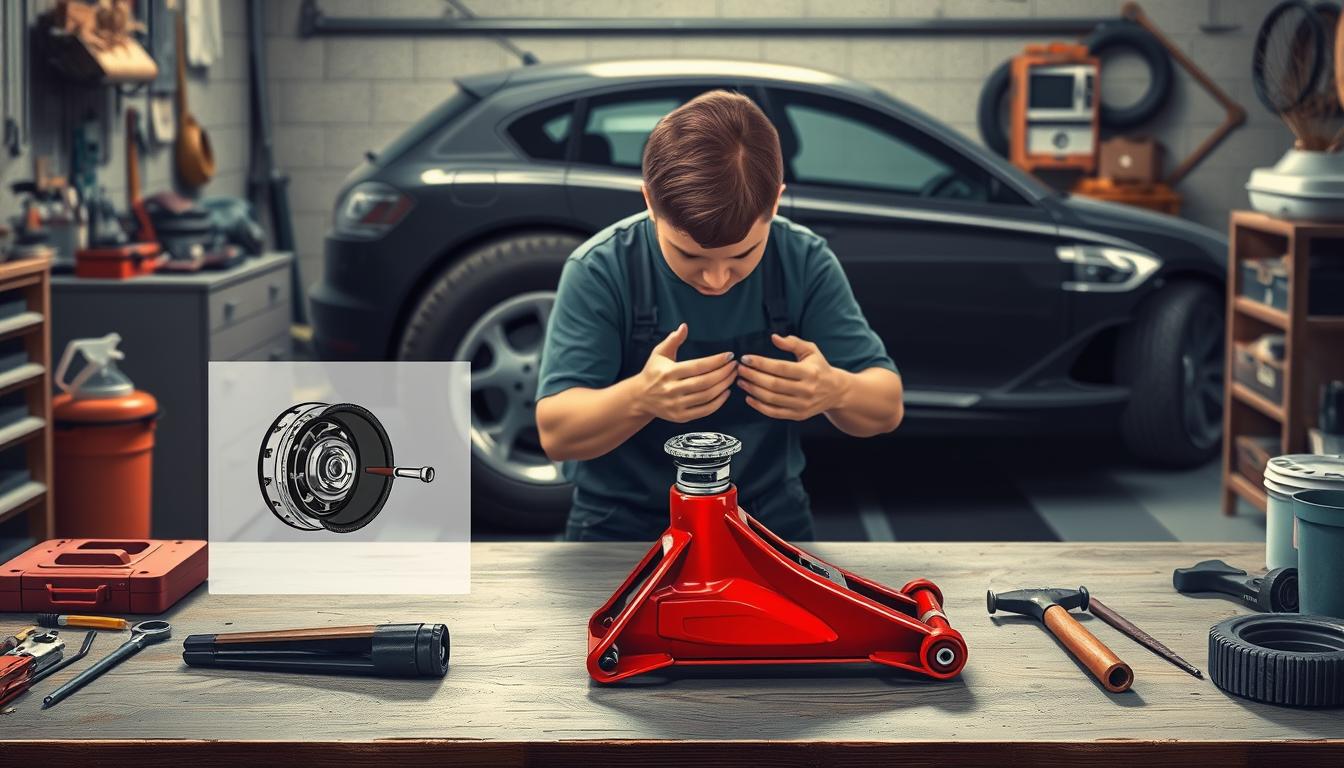
The first step in preparing for your windshield washer pump replacement is to gather all the necessary tools and materials. This includes a screwdriver, pliers, and the new washer pump. Having everything within reach will make the process more efficient.
- A screwdriver (preferably Phillips head)
- Pliers for gripping small parts
- The new washer pump compatible with your vehicle
- Any additional parts specified in your vehicle’s manual
Ensure Vehicle Safety
Ensuring your vehicle’s safety during the replacement process is crucial. Start by turning off the engine and engaging the parking brake. It’s also a good idea to consult your vehicle’s manual for any specific safety precautions related to the windshield washer system.
Locate the Washer Fluid Reservoir
Locating the washer fluid reservoir is a critical step in the replace windshield washer pump process. Typically, the reservoir is found under the hood, and its exact location can be confirmed by consulting your vehicle’s manual or looking for the washer fluid cap.
Once you’ve located the reservoir, you’ll need to access the washer pump inside it. This may involve removing the cap and possibly some retaining clips or screws.
Disconnecting the Power Source
To ensure your safety while working on your vehicle’s windshield washer system, start by disconnecting the power source. This crucial step prevents any accidental start-ups or electrical shocks.
Accessing the Pump
The windshield washer pump is typically located inside the washer fluid reservoir. To access it, you’ll first need to locate the reservoir, usually found under the hood of your vehicle. Consult your vehicle’s manual if you’re unsure about its exact location.
Once you’ve located the reservoir, remove its cap and inspect the area around the pump. You may need to use a flashlight to get a clear view inside.

Disconnecting the Electrical Connector
Before removing the pump, you need to disconnect the electrical connector that powers it. Gently press the release tab on the connector and pull it off the pump. Be careful not to damage the connector or the wiring.
If the connector is stuck, do not force it. Instead, check for any additional locking mechanisms that need to be released.
Removing the Existing Pump
With the electrical connector disconnected, you can now remove the pump from the reservoir. Carefully pull the pump out, taking note of any additional components attached to it, such as hoses or mounting brackets.
Inspect the area where the pump was seated for any debris or residue. Cleaning this area before installing the new pump can help ensure a proper seal and function.
| Step | Description | Precaution |
|---|---|---|
| 1 | Locate the washer fluid reservoir | Consult your vehicle’s manual |
| 2 | Disconnect the electrical connector | Gently press the release tab |
| 3 | Remove the existing pump | Carefully pull the pump out |
Selecting the Right Replacement Pump
The success of your DIY windshield washer pump replacement hinges on selecting a compatible pump. This choice is not just about finding any pump that fits; it’s about ensuring that the new pump works seamlessly with your vehicle’s existing windshield washer system.
Choosing the Correct Model
To choose the correct model, you need to identify the specifications of your original windshield washer pump. Check your vehicle’s manual or manufacturer’s website for details. You can also inspect the pump itself for any model numbers or specifications.
Key factors to consider:
- Pump type (e.g., electric, mechanical)
- Voltage and power consumption
- Flow rate and pressure
- Connector type and wiring
Importance of Compatibility
Compatibility is crucial because an incompatible pump can lead to poor performance, increased power consumption, or even damage to your vehicle’s electrical system. Ensuring the replacement pump matches the original specifications helps maintain the integrity and efficiency of your windshield washer system.
Where to Buy Replacement Pumps
Replacement pumps can be found at various auto parts retailers, both online and in-store. It’s recommended to purchase from reputable sources to ensure authenticity and warranty.
| Retailer | Online/In-Store | Warranty |
|---|---|---|
| AutoZone | Both | Lifetime Warranty |
| Advance Auto Parts | Both | Limited Lifetime Warranty |
| O’Reilly Auto Parts | Both | Lifetime Warranty |
By choosing the right replacement pump and purchasing from a trusted retailer, you can ensure a successful DIY replacement that keeps your windshield washer system operating effectively.
Installing the New Washer Pump
With the new washer pump ready, it’s time to install it, ensuring your windshield washer system is functioning properly again. This step is crucial for maintaining clear visibility while driving.
Inserting the New Pump
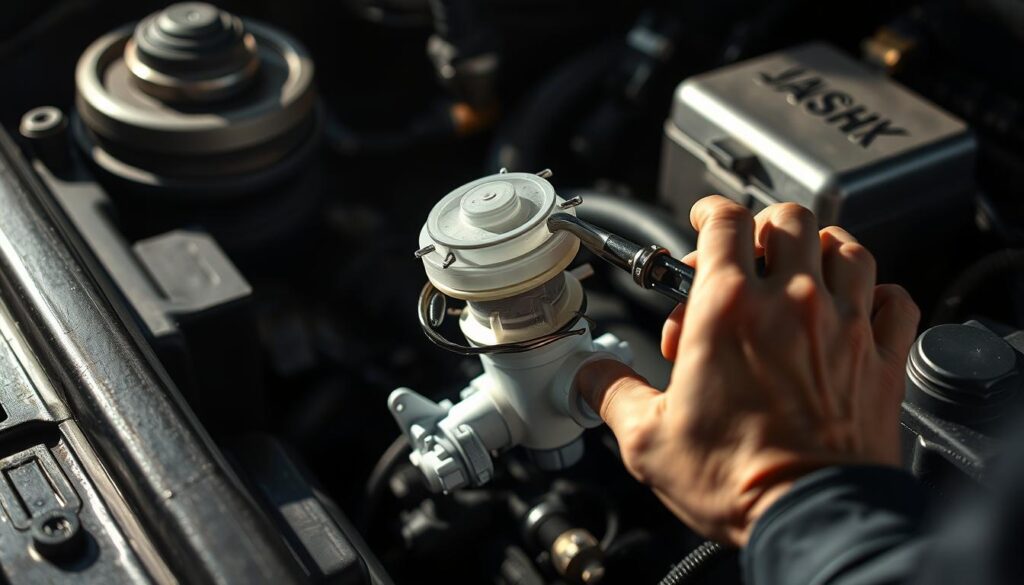
Carefully take the new washer pump and align it with the reservoir. Ensure it is properly seated to avoid any leaks or malfunction. Gently push the pump into place until it clicks or is securely fastened.
Reconnecting the Electrical Connector
Once the new pump is in place, reconnect the electrical connector that you previously disconnected. Make sure it is securely attached to prevent any electrical issues or disconnections while driving.
Securing the Pump into Position
After reconnecting the electrical connector, secure the pump into its final position. This may involve tightening screws or clips that hold the pump in place. Refer to your vehicle’s manual for specific instructions.
| Step | Description | Notes |
|---|---|---|
| 1 | Align the new pump with the reservoir | Ensure proper alignment |
| 2 | Reconnect the electrical connector | Securely attach |
| 3 | Secure the pump into position | Tighten screws or clips |
By following these steps, you can successfully install the new washer pump, completing the DIY windshield washer pump replacement process.
Testing the New Pump
Now that you’ve installed the new pump, let’s put it through its paces to ensure it’s working as expected. Testing is a crucial step in the DIY car maintenance process, especially when you replace the windshield washer pump.
Filling the Reservoir with Washer Fluid
Begin by filling the washer fluid reservoir with your preferred windshield washer fluid. Make sure to choose a fluid that is suitable for the current weather conditions in your area.
Activating the Washer System
Once the reservoir is filled, activate the washer system by turning on the ignition and operating the washer switch. Observe the washer nozzles to ensure they are spraying fluid onto the windshield properly.
Checking for Leaks
After activating the washer system, inspect the area around the pump and reservoir for any signs of leaks. Check the connections and hoses for any fluid escape.
| Checklist Item | Status |
|---|---|
| Washer fluid reservoir filled | Yes/No |
| Washer system activated | Yes/No |
| Leaks around pump and reservoir | Yes/No |
By following these steps, you can ensure that your new windshield washer pump is working correctly and safely, completing the DIY car maintenance task of replacing the windshield washer pump.
Troubleshooting Common Issues
Troubleshooting is an essential step in the DIY windshield washer pump replacement process. Even after a successful replacement, some problems may persist, requiring further investigation and resolution.
No Spray After Replacement
If the windshield washer system isn’t spraying fluid after replacement, there are several potential causes to check:
- Ensure the electrical connector is securely attached to the new pump.
- Check the fuse related to the washer system; a blown fuse can prevent operation.
- Verify that the washer fluid reservoir is filled to the recommended level.
- Inspect the washer nozzles for blockages or misalignment.

Weak Spray Pressure
Weak spray pressure can be frustrating. To address this issue:
- Check for any blockages in the washer fluid lines or nozzles.
- Ensure the new pump is properly seated and secured.
- Consider the viscosity of the washer fluid; some fluids may be too thick for optimal performance.
As one automotive expert notes, “A well-functioning windshield washer system is crucial for safe driving, especially during adverse weather conditions.”
Unusual Noises from the Pump
If the new pump is making unusual noises, it could indicate a problem:
- Check for any obstructions or debris that might be causing the noise.
- Ensure the pump is correctly installed and aligned.
- Verify that the reservoir is not overfilled, as this can cause pressure issues.
By following these troubleshooting tips, you can resolve common issues that arise after replacing your windshield washer pump, ensuring your DIY windshield washer repair is successful.
Maintenance Tips for Longevity
Maintaining your windshield washer pump can significantly extend its lifespan. Regular checks and simple maintenance tasks can prevent common issues and ensure your windshield remains clean and clear.
Regular Fluid Checks
One of the simplest yet most effective maintenance tasks is regularly checking the windshield washer fluid level. Ensure the reservoir is filled to the recommended level to avoid running the pump dry, which can cause damage.
Tips for Fluid Checks:
- Check the fluid level monthly.
- Use a high-quality windshield washer fluid that won’t freeze in cold temperatures.
- Avoid using water alone, as it can freeze or cause the pump to work harder.
Seasonal Maintenance
Seasonal changes can impact your windshield washer system’s performance. Before winter, ensure the fluid is winter-ready. In warmer months, check for any debris or dirt buildup in the reservoir and nozzles.
| Season | Maintenance Task |
|---|---|
| Winter | Use winter-ready windshield washer fluid. |
| Spring/Summer | Check for debris in the reservoir and nozzles. |
| Fall | Prepare for winter by checking the system. |
Keeping the Nozzles Clear
Clogged nozzles can reduce the effectiveness of your windshield washer system. Regularly inspect and clean the nozzles to ensure proper function.
Cleaning the nozzles: Use a small pin or needle to clear any blockages. Avoid using harsh chemicals that could damage the nozzles.
By following these maintenance tips, you can extend the life of your windshield washer pump and ensure your windshield remains clean and clear. Regular maintenance is a simple yet effective way to enhance your vehicle’s safety and performance.
When to Seek Professional Help
While replacing a windshield washer pump can be a DIY-friendly task, there are situations where seeking professional help is the best course of action. If you’re unsure or uncomfortable at any point during the process, it’s wise to consult a professional mechanic.
Signs You Need a Mechanic
There are several indicators that suggest you should seek the help of a mechanic. These include:
- Unusual noises coming from the pump area after replacement
- Continuous leaking around the pump or reservoir
- Failure of the washer system to operate even after successful replacement
- Uncertainty about the correct replacement parts or procedure
If you notice any of these signs, it’s advisable to seek professional help to avoid further complications.

Cost Considerations for Professional Work
The cost of having a professional replace your windshield washer pump can vary based on several factors, including labor rates and the type of vehicle you own. On average, you can expect to pay between $100 to $300 for the service, with the parts costing an additional $50 to $150.
It’s essential to get a detailed quote from your mechanic before proceeding with the work to avoid any unexpected expenses.
Benefits of Consulting an Expert
Consulting an expert for your windshield washer pump replacement can offer several benefits. Professionals have the experience and knowledge to complete the job efficiently and correctly. They can also diagnose any other potential issues with your vehicle’s washer system.
Moreover, a professional mechanic can provide guidance on maintenance and upkeep to prevent future problems, ensuring your windshield washer system operates effectively for a long time.
Windshield Washer Fluid: Choose Wisely
Windshield washer fluid is more than just a liquid; it’s a critical component of your car’s safety features. The right washer fluid can enhance your driving experience by providing clear visibility, regardless of the weather conditions.
Selecting the appropriate windshield washer fluid involves understanding the different types available, considering seasonal variations, and even exploring DIY recipes. Let’s dive into the details to make an informed decision.
Types of Washer Fluids
There are several types of windshield washer fluids on the market, each designed for specific needs. These include:
- Standard Washer Fluid: Suitable for everyday use, providing a basic cleaning functionality.
- De-icer Washer Fluid: Formulated to prevent freezing in cold temperatures, ideal for winter conditions.
- Bug and Tar Washer Fluid: Enhanced with ingredients to effectively remove stubborn bug splatters and tar.
- Rain-Repellent Washer Fluid: Contains additives that help water bead off the windshield, improving visibility during rain.
Seasonal Fluid Choices
The choice of washer fluid can vary with the seasons. For instance, during winter, a de-icer washer fluid is recommended to prevent the fluid from freezing. In contrast, a bug and tar remover might be more suitable for summer road trips.
| Season | Recommended Washer Fluid Type |
|---|---|
| Winter | De-icer Washer Fluid |
| Summer | Bug and Tar Washer Fluid |
| Spring/Autumn | Standard or Rain-Repellent Washer Fluid |
DIY Washer Fluid Recipes
For those interested in a more personalized approach, DIY washer fluid recipes offer a customizable and potentially cost-effective solution. A simple recipe might include mixing water, vinegar, and dish soap. However, it’s crucial to ensure that any homemade solution is compatible with your vehicle’s washer system.
Example DIY Recipe: Mix 1 gallon of water, 1 cup of white vinegar, and 1 tablespoon of dish soap. This mixture is gentle on windshields and effective against dirt and grime.
Eco-Friendly Alternatives
As we become more environmentally conscious, it’s essential to explore eco-friendly alternatives for our daily automotive maintenance tasks. One area where we can make a significant impact is in the maintenance of our windshield washer systems.
Replacing with Recycled Parts
Using recycled parts for your windshield washer pump replacement is a great way to reduce waste. Many auto salvage yards and online platforms offer used parts that are still in good condition. When opting for recycled parts, ensure they are compatible with your vehicle’s make and model.
Sustainable Windshield Washer Fluid
Traditional windshield washer fluids can be harsh on the environment due to their chemical composition. A sustainable alternative is to use eco-friendly washer fluids that are biodegradable and made from natural ingredients. Some brands even offer concentrates that can be diluted with water, reducing packaging waste.
Reducing Waste in Automotive Care
Reducing waste in automotive care goes beyond just the parts we use. It’s also about how we maintain our vehicles. Regular checks can prevent leaks and spills, which not only waste resources but can also harm the environment. For instance, regularly checking the washer fluid reservoir for leaks can prevent fluid from spilling onto the ground.
| Eco-Friendly Practice | Environmental Benefit |
|---|---|
| Using Recycled Parts | Reduces waste sent to landfills |
| Sustainable Washer Fluids | Less harmful chemicals released into the environment |
| Regular Maintenance Checks | Prevents leaks and spills, conserving resources |
By adopting these eco-friendly alternatives, not only do we contribute to a healthier planet, but we also potentially save money in the long run through reduced waste and more efficient maintenance practices.
FAQs About Windshield Washer Pump Replacement
Understanding the FAQs about windshield washer pump replacement can save you time and money. Replacing a windshield washer pump is a task that many car owners can accomplish on their own with the right guidance.
How Long Does the Process Take?
The time it takes to replace a windshield washer pump can vary depending on your level of experience and the specific vehicle. On average, it can take anywhere from 30 minutes to an hour. This includes gathering the necessary tools, accessing the pump, and testing the new unit.
Can I Replace the Pump Without Professional Help?
Yes, many car owners can replace the windshield washer pump without professional help. It’s a relatively straightforward DIY task if you have the correct replacement part and follow the manufacturer’s instructions. However, if you’re unsure or uncomfortable, seeking professional assistance is always a good idea.
What if My Washer System is Still Not Working?
If your washer system is still not working after replacing the pump, there are several things you can check. First, ensure that the new pump is properly installed and that all connections are secure. Check the washer fluid reservoir for adequate fluid levels and inspect the nozzles for any blockages. If the issue persists, it may be worth consulting a professional mechanic to diagnose any other potential problems.
Troubleshooting Tips:
- Check the electrical connector for any signs of damage or corrosion.
- Ensure the washer fluid reservoir is filled to the recommended level.
- Inspect the washer nozzles for blockages or damage.
By following these steps and understanding the FAQs about windshield washer pump replacement, you can confidently tackle this DIY task and ensure your windshield washer system is functioning properly.
The Importance of Visibility
The importance of having a clear windshield cannot be overstated, as it directly impacts driving safety. Clear visibility is fundamental for drivers to navigate roads safely, respond to hazards, and avoid accidents.
Why Windshield Maintenance Matters
Windshield maintenance is a critical aspect of DIY car maintenance. Regular checks and timely repairs can prevent minor issues from becoming major problems. A well-maintained windshield ensures that drivers have an unobstructed view of the road, reducing the risk of accidents.
Benefits of Regular Checks
Performing regular checks on your windshield washer system is part of do it yourself windshield washer repair. This includes inspecting the washer fluid reservoir, checking the condition of the washer nozzles, and ensuring the pump is functioning correctly. Regular maintenance can help identify potential issues before they become serious.
| Maintenance Task | Frequency | Benefit |
|---|---|---|
| Check Washer Fluid Level | Weekly | Ensures washer system operates |
| Inspect Washer Nozzles | Monthly | Prevents clogging and ensures clear spray |
| Test Washer Pump | Quarterly | Ensures pump is functioning correctly |
Enhancing Safety on the Road
Clear visibility enhances safety on the road by allowing drivers to react to hazards in a timely manner. A clean windshield, free from streaks and obstruction, is crucial for safe driving, especially during adverse weather conditions. By maintaining your windshield and washer system, you contribute to a safer driving environment for yourself and others.
By understanding the importance of visibility and taking proactive steps in DIY car maintenance, drivers can significantly reduce their risk of being involved in an accident. Regular windshield maintenance is a simple yet effective way to enhance road safety.
Community Resources and Support
DIY enthusiasts know that having the right support can turn a challenging task into a manageable one, especially when it comes to windshield washer pump replacement.
Being part of a community can provide valuable insights and practical advice. Whether you’re a seasoned DIYer or just starting out, connecting with others who have experience with DIY windshield washer pump replacement can be incredibly helpful.
Online Forums for DIY Enthusiasts
Online forums are a treasure trove of information for DIY projects. Websites dedicated to automotive DIY projects often have sections dedicated to windshield washer pump replacement, where you can find detailed guides, troubleshooting tips, and advice from experienced individuals.
Some popular online forums include those hosted by automotive clubs, DIY websites, and social media groups focused on car maintenance and repair. These platforms allow you to ask questions, share your experiences, and learn from others who have undertaken similar projects.
Local Mechanics Offering Advice
While DIY projects are about self-sufficiency, there’s no harm in seeking advice from professionals. Local mechanics who have experience with windshield washer pump replacements can offer valuable insights, especially if you’re unsure about a particular step in the process.
Many mechanics are more than happy to share their knowledge, and some may even offer tips on how to avoid common pitfalls. Building a relationship with a local mechanic can also be beneficial for future car maintenance needs.
Workshops and Classes Available
For those who prefer hands-on learning, workshops and classes can be an excellent way to gain experience. Many community colleges, vocational schools, and automotive repair shops offer classes on basic car maintenance and repair, including windshield washer pump replacement.
These workshops not only teach you the technical skills required but also provide an opportunity to ask questions and learn from the experiences of others in a hands-on environment.
Conclusion: Summary and Final Thoughts
Replacing your windshield washer pump is a straightforward DIY car maintenance task that can significantly enhance your driving experience. By following the steps outlined in this guide, you can successfully replace the pump and ensure your windshield remains clean and clear.
Key Takeaways
The replacement process involves several key steps, including disconnecting the power source, removing the existing pump, and installing a new one. Ensuring the correct replacement pump is crucial for optimal performance.
Empowering DIY Maintenance
DIY maintenance tasks like replacing the windshield washer pump not only save you money but also give you a sense of accomplishment. With the right tools and a bit of patience, you can tackle this task with confidence.
Next Steps in Auto Care
Now that you’ve successfully replaced your windshield washer pump, consider exploring other DIY car maintenance tasks. Regular checks and maintenance can help prevent issues and keep your vehicle running smoothly. For more information and resources, explore online forums and workshops that can guide you in your auto care journey, helping you to replace windshield washer pump and other components with ease.