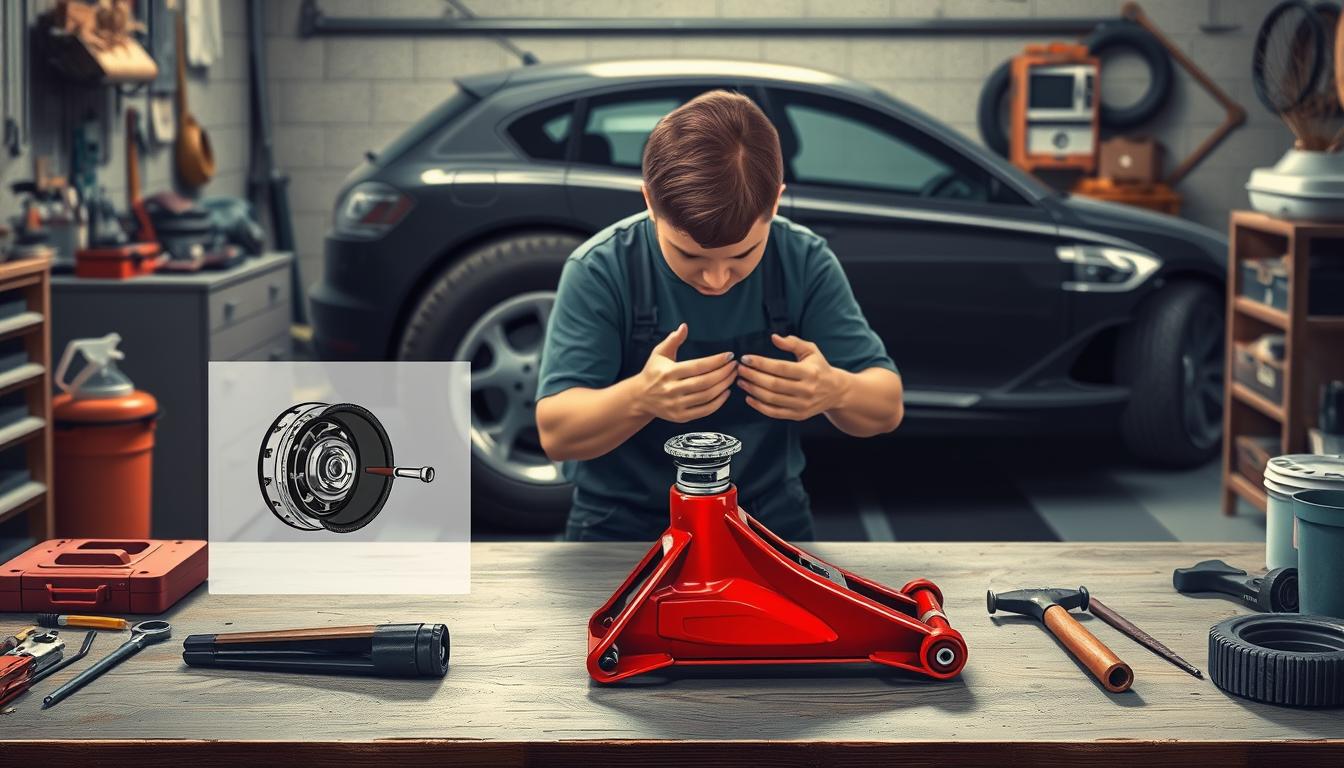






Changing your car’s engine oil at home can seem daunting, but with the right tools and a bit of knowledge, it’s a task that can save you money and help you understand your vehicle better.
Regular vehicle maintenance is crucial for improved engine performance and longevity. By learning how to perform a DIY oil change, you’ll be able to keep your car running smoothly and efficiently.
This guide will walk you through the process, covering the benefits and steps involved in changing your car’s oil.
Key Takeaways
- Understand the importance of regular engine oil changes
- Learn the steps involved in a DIY oil change
- Discover the benefits of maintaining your vehicle’s engine
- Gain confidence in performing car maintenance tasks
- Save money by doing it yourself
Introduction to Oil Changes
Oil changes are a fundamental aspect of car care that every vehicle owner should prioritize. Regular oil changes are crucial for maintaining your car’s engine health. Engine oil lubricates the engine’s moving parts, prevents corrosion, and helps to cool the engine. Over time, the oil becomes dirty and loses its effectiveness, which can lead to serious engine damage if not addressed.
Importance of Regular Oil Changes
Regular oil changes are vital because they ensure your engine remains lubricated, reducing wear and tear on moving parts. Fresh oil also helps in preventing corrosion and cooling the engine, which can improve your car’s fuel efficiency and overall performance.
Signs Your Car Needs an Oil Change
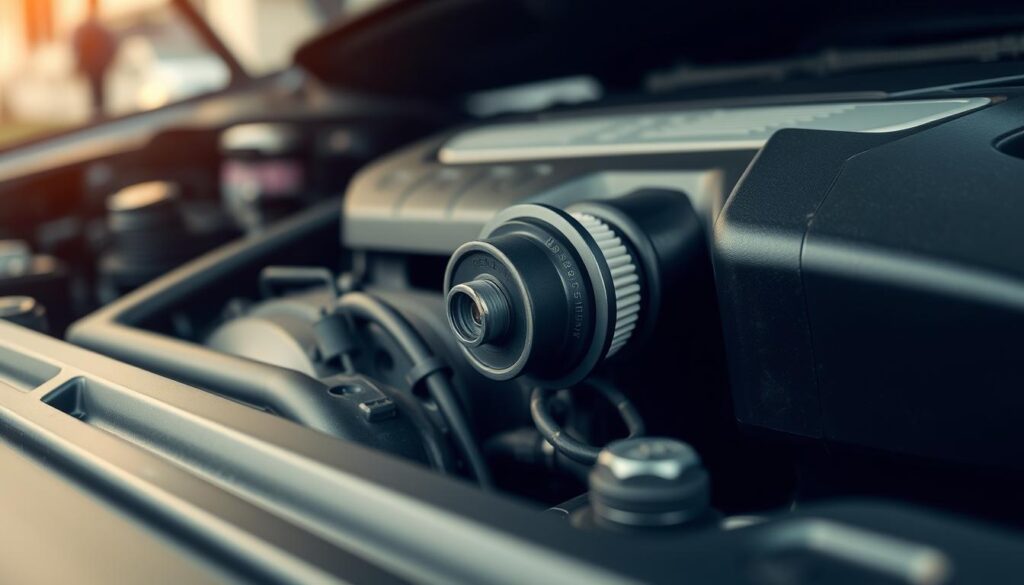
So, how do you know when your car is due for an oil change? Here are some key signs to look out for:
- Dashboard warning lights indicating low oil level or dirty oil
- Unusual engine noises or knocking sounds
- Exhaust smoke that’s darker than usual
- A noticeable decrease in fuel efficiency
| Signs | Description |
|---|---|
| Dashboard Warning Lights | Modern cars are equipped with sensors that alert you when oil levels are low or when the oil is dirty. |
| Unusual Engine Noises | Dirty or low oil can cause engine parts to not be properly lubricated, leading to unusual noises. |
| Exhaust Smoke | Dirty oil can cause your engine to produce darker exhaust smoke. |
Tools and Materials You’ll Need
Gathering the right tools and materials is the first step in a successful DIY oil change. Having everything you need on hand will make the process smoother and more efficient.
Essential Tools for a DIY Oil Change
To change your car’s engine oil, you’ll need a few essential tools. These include:
- A socket wrench or ratchet to remove the drain plug
- An oil drain pan to catch the old oil
- A car jack and stands to lift and support your vehicle
- A new oil filter to replace the old one
- Enough motor oil to fill your car
Recommended Oil and Filters
Choosing the right type of oil and filter is crucial for your car’s health. You’ll need to select oil that meets your car’s specifications, which can be found in your owner’s manual. The viscosity of the oil is also important; for example, 0W-20 or 5W-30 are common viscosities.
For the oil filter, you’ll want to choose one that’s compatible with your car’s make and model. Some popular oil filter brands include Fram, Wix, and Purflux. When selecting an oil filter, consider factors like filter efficiency and compatibility.
By having the right tools and materials, you’ll be well-prepared to complete a successful DIY oil change.
Preparing Your Vehicle
Preparing your vehicle is a critical step in ensuring a successful DIY oil change at home. This process involves more than just gathering tools; it’s about creating a safe and efficient environment for the task.
Choosing the Right Location
Selecting the right location for your oil change is crucial. You need a level surface to prevent your car from rolling or tilting, which could lead to accidents. A garage is ideal because it provides protection from the elements and can be well-ventilated to prevent the accumulation of fumes.
If a garage isn’t available, a well-ventilated outdoor area is the next best option. Ensure the surface is clean and clear of any debris that could interfere with your work or pose a risk.

Safety Precautions
Safety should be your top priority when changing your oil at home. Start by wearing protective gloves and safety glasses to protect yourself from potential spills and sharp edges.
It’s also essential to ensure your car is securely supported. Use jack stands to hold the vehicle in place once you’ve raised it. Never rely solely on a jack to support the car, as it can fail and cause serious injury.
- Ensure the area is clear of children and pets.
- Keep a fire extinguisher nearby.
- Be mindful of your clothing; avoid loose items that could get caught in the engine or tools.
By taking these precautions, you can significantly reduce the risks associated with changing your oil at home.
Draining the Old Oil
To keep your engine running smoothly, you’ll need to drain the old oil, and here’s how to do it safely. Draining the old oil is a critical step in the car oil replacement process, as it removes the used oil that can cause engine wear and tear.
Locating the Drain Plug
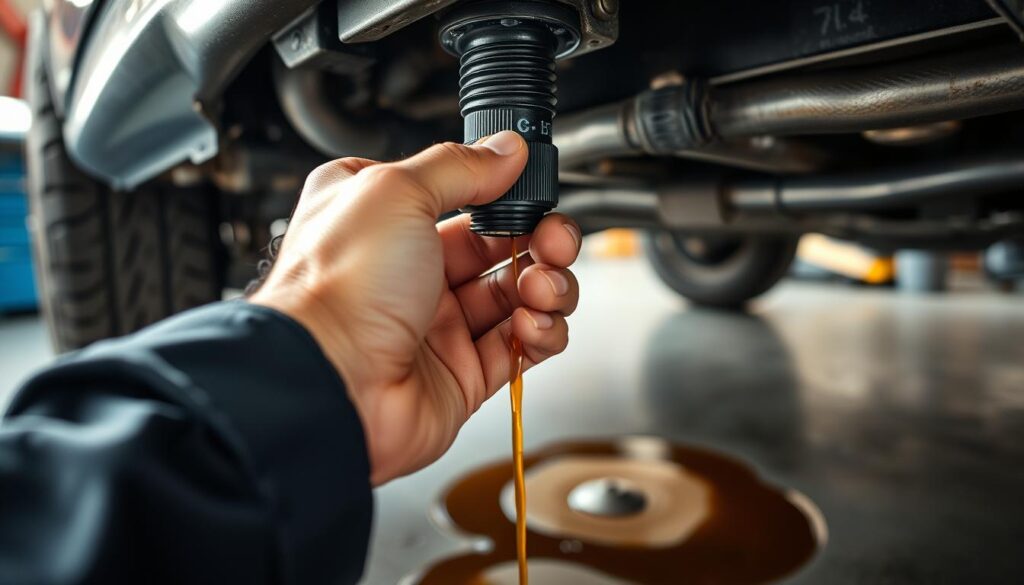
The first step in draining the old oil is to locate the drain plug, typically found at the bottom of the engine. It’s essential to consult your vehicle’s manual to determine the exact location, as it can vary between models. Make sure you’re in a well-ventilated area and that the engine is cool to avoid any accidents.
Using an Oil Catch Pan
Once you’ve located and removed the drain plug, the old oil will start to drain out. It’s crucial to have an oil catch pan in place to collect the oil. Position the pan under the drain plug before removing it to avoid spills. “Proper disposal of used oil is not only environmentally responsible but also required by law in many places,” as noted by automotive experts.
Ensure the oil catch pan is large enough to hold the oil capacity of your vehicle. After the oil has stopped dripping, you can replace the drain plug and tighten it to the specified torque.
Replacing the Oil Filter
The oil filter plays a vital role in keeping your engine clean, and replacing it is a straightforward process. As part of your DIY oil change, ensuring you have a new oil filter is crucial for maintaining your vehicle’s health.
Choosing the Right Filter
Selecting the correct oil filter for your vehicle is essential. Refer to your vehicle’s manual or consult with an auto parts professional to determine the correct type. Using the wrong filter can lead to decreased engine performance and potentially damage your engine.
| Vehicle Type | Recommended Oil Filter | Filter Type |
|---|---|---|
| Most Passenger Vehicles | Fram X111 or equivalent | Spin-on |
| High Performance Vehicles | Fram X333 or equivalent | Spin-on with high flow rate |
| Diesel Engines | Fram X444 or equivalent | High capacity with water separation |
How to Remove the Old Filter
To remove the old oil filter, you’ll typically need an oil filter wrench. Be prepared for the filter to be dirty and potentially stuck. Place the oil filter wrench around the filter and turn it counterclockwise until it comes loose. Drain any remaining oil into the catch pan.

Installing the New Filter
Before installing the new oil filter, apply a thin layer of new oil to the gasket. This helps create a good seal. Hand tighten the filter in a clockwise direction. Be careful not to overtighten, as this can damage the filter or the engine.
- Ensure the new filter is properly seated.
- Tighten the filter according to the manufacturer’s instructions.
- Check for leaks after starting the engine.
Replacing the oil filter is a simple yet critical step in your DIY oil change. By following these steps, you can ensure your engine remains clean and well-lubricated.
Adding New Oil
With the old oil drained and the filter replaced, it’s time to add new oil to your vehicle. This crucial step ensures your engine is properly lubricated and runs smoothly.
How Much Oil Does Your Car Need?
The amount of oil your car needs can be found in your owner’s manual. It’s essential to use the correct amount to avoid overfilling or underfilling, both of which can cause engine problems.
- Check your owner’s manual for the recommended oil capacity.
- Use a funnel to pour in the new oil to avoid spills.
- Refer to the dipstick to check the oil level as you fill.
Choosing the Right Type of Oil
Choosing the right type of oil is just as important as using the correct amount. Your owner’s manual will also specify the recommended oil type, whether it’s conventional, synthetic, or synthetic blend.
Types of Oil:
- Conventional Oil: Suitable for most passenger vehicles.
- Synthetic Oil: Offers better performance in extreme temperatures and can improve fuel efficiency.
- Synthetic Blend Oil: A mix of conventional and synthetic oil, offering a balance between price and performance.
Using the right type of oil can improve your car’s performance and prolong its lifespan. Always refer to your owner’s manual or consult with a professional if you’re unsure.

By following these steps and using the correct type and amount of oil, you’ll be able to complete the oil change process effectively. Remember, regular oil changes are key to maintaining your vehicle’s health.
Checking Oil Levels
One of the most critical steps in maintaining your car’s engine is regularly checking the oil level, a task that’s easy to do at home. Ensuring your oil level is within the recommended range is vital for the longevity and health of your vehicle’s engine.
Importance of Checking Oil Levels
Checking your oil level regularly is crucial because engine oil plays a significant role in lubricating your car’s engine components, preventing overheating, and reducing wear and tear. Low oil levels can lead to serious engine damage, including increased risk of overheating and component failure.
- Prevents Engine Damage: Regular checks help identify low oil levels before they cause significant damage.
- Maintains Fuel Efficiency: Proper oil levels ensure your engine runs efficiently, potentially improving fuel economy.
- Extends Engine Life: By keeping your engine well-lubricated, you can extend its lifespan.
How to Properly Check Oil Levels
To check your oil level correctly, follow these steps:
- Ensure your car is parked on a level surface.
- Turn off the engine and let it sit for a few minutes.
- Locate the oil dipstick under the hood. It’s usually labeled “Oil” or have an oil can symbol on it.
- Pull out the dipstick, wipe it clean with a lint-free cloth, and insert it back into the oil reservoir.
- Pull it out again, and the dipstick will now be coated with oil. Check the oil level against the markings on the dipstick.
- The level should be between the “MIN” and “MAX” marks. If it’s below the “MIN” mark, you need to add oil.
Regularly checking your oil level is a simple yet effective way to maintain your car’s health. By following these steps, you can ensure your engine remains well-lubricated and runs smoothly, even after an oil change at home.
Cleaning Up After the Oil Change
Cleaning up after an oil change is not just about tidiness; it’s also about safety and environmental responsibility. Proper cleanup ensures that your workspace remains safe and that you’re not harming the environment with used oil and other materials.
Proper Disposal of Used Oil
Used oil cannot be disposed of in the regular trash or down the drain. It must be taken to a recycling center or an auto parts store that accepts used oil. Many service stations and repair shops also have designated collection facilities.
Tips for Disposing of Used Oil:
- Store used oil in a leak-proof container with a tight-fitting lid.
- Label the container clearly as “Used Oil” to avoid any confusion.
- Check with local authorities for collection events or facilities in your area.
| Disposal Method | Accepts Used Oil | Additional Notes |
|---|---|---|
| Local Recycling Centers | Yes | Check for specific guidelines on preparation and drop-off. |
| Auto Parts Stores | Yes | Some stores may have a limit on the quantity they accept. |
| Service Stations | Yes | Not all stations accept used oil; call ahead to confirm. |
Cleaning Your Tools
After completing the oil change and disposing of the used oil, it’s essential to clean your tools. Use a rag and some soap and water to remove any oil residue. For tougher grime, a degreaser can be effective.
Steps to Clean Your Tools:
- Wipe down tools with a rag to remove excess oil.
- Wash tools with soap and warm water.
- For stubborn grime, apply a degreaser and scrub.
- Rinse thoroughly and dry to prevent rust.
Common Mistakes to Avoid
When performing a DIY oil change, it’s crucial to be aware of common pitfalls that can lead to serious engine damage. Understanding these potential issues can help ensure a successful oil change and maintain your vehicle’s health.
Overfilling Oil
One of the most common mistakes during a DIY oil change is overfilling the oil. This can cause significant damage to your engine, including foaming, lubrication issues, and potentially even engine failure. To avoid this, always refer to your vehicle’s manual for the correct oil capacity.
Using the correct oil type is also vital. The wrong oil viscosity can lead to decreased fuel efficiency and engine performance. Here’s a simple guide to help you understand the different oil types:
| Oil Type | Viscosity | Best For |
|---|---|---|
| Conventional | 10W-30, 10W-40 | Most passenger vehicles |
| Synthetic | 5W-20, 5W-30 | High-performance or turbocharged engines |
| Synthetic Blend | 5W-30, 10W-30 | Vehicles with high mileage or extreme driving conditions |
Ignoring the Oil Change Schedule
Another critical mistake is ignoring the recommended oil change schedule. Regular oil changes are essential for maintaining engine health, as they help remove contaminants and wear metals that can accumulate over time. Failing to change your oil as recommended can lead to premature engine wear and potentially costly repairs.
To stay on track, consider setting reminders based on your vehicle’s mileage and the manufacturer’s recommendations. Here’s an example of how often you might need to change your oil based on different driving conditions:
- Normal driving conditions: every 5,000 to 7,500 miles
- Severe driving conditions: every 3,000 to 5,000 miles
By being aware of these common mistakes and taking steps to avoid them, you can ensure a successful DIY oil change and help extend the life of your vehicle’s engine.
Maintaining Your Engine Health
After completing a DIY oil change at home, it’s essential to maintain your engine’s health to ensure it runs smoothly for a long time. Regular maintenance is crucial to prevent potential issues and prolong the life of your vehicle.
Tips for Regular Maintenance
Checking other fluids, such as transmission and coolant, is vital. You should also inspect tire pressure and condition, as well as the state of your belts. Regular car oil replacement is just one aspect of maintaining your vehicle’s overall health.
Knowing When to Seek Professional Help
If you notice any unusual signs, such as strange noises or decreased performance, it’s best to consult a professional mechanic. They can diagnose and address any issues before they become major problems, ensuring your vehicle remains in good condition.
By following these tips and staying on top of regular maintenance, you can enjoy a well-running vehicle and avoid costly repairs down the road. Whether you’re doing an oil change at home or seeking professional help, prioritizing your engine’s health is key to a long and healthy vehicle lifespan.