




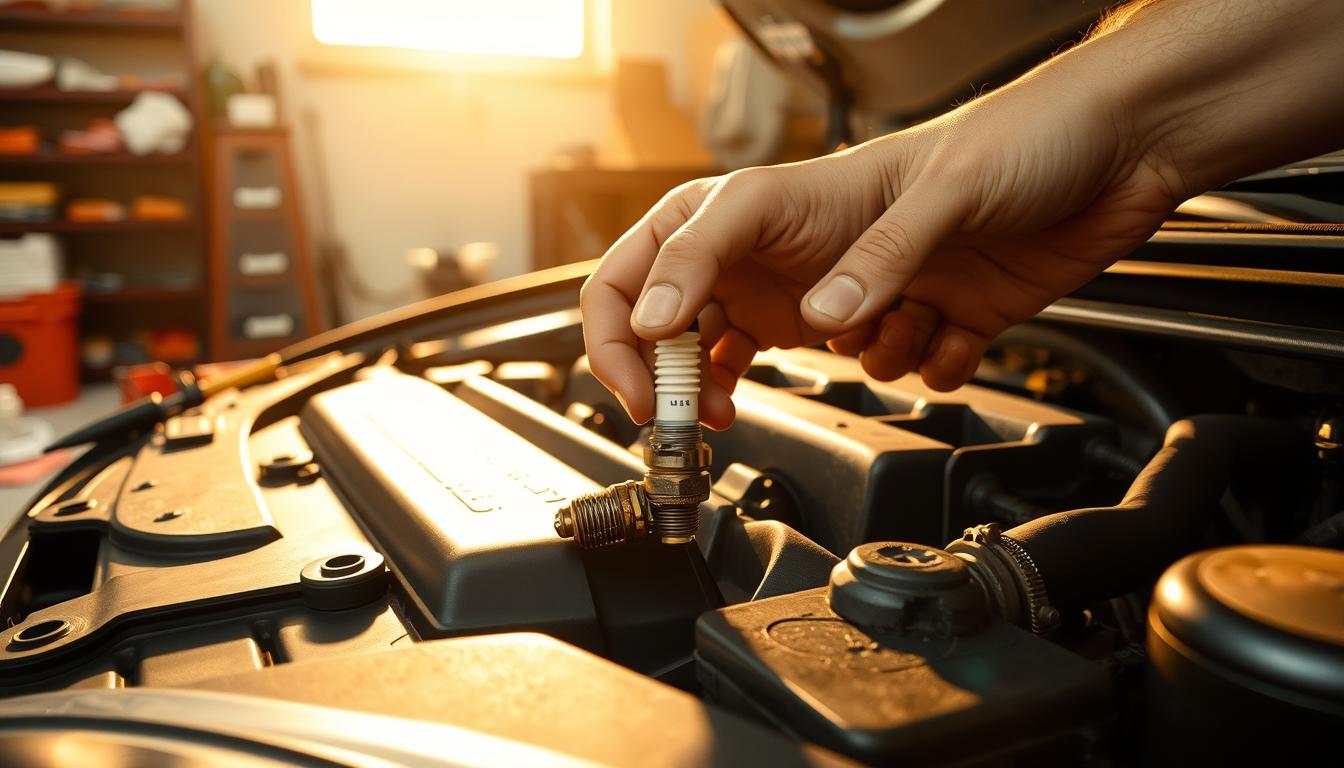
Maintaining your vehicle’s performance and efficiency can be straightforward and cost-effective. One simple yet impactful task is replacing the spark plugs, a crucial component for optimal engine performance.
By undertaking this task yourself, you can save money on repairs and enhance your vehicle’s longevity. Our step-by-step guide will walk you through the process, providing you with valuable engine performance tips along the way.
Key Takeaways
- Learn how to replace spark plugs like a professional mechanic.
- Understand the importance of spark plug replacement for engine performance.
- Discover how DIY spark plug replacement can save you money.
- Enhance your vehicle’s longevity through regular maintenance.
- Follow our step-by-step guide for a hassle-free experience.
Understanding Spark Plugs and Their Function
Spark plugs are a vital component of your vehicle’s engine, playing a crucial role in its overall performance. They are responsible for igniting the fuel-air mixture inside the engine’s combustion chamber, which powers your vehicle. Understanding how spark plugs work and recognizing when they need to be replaced is essential for maintaining your vehicle’s efficiency and performance.
What Are Spark Plugs?
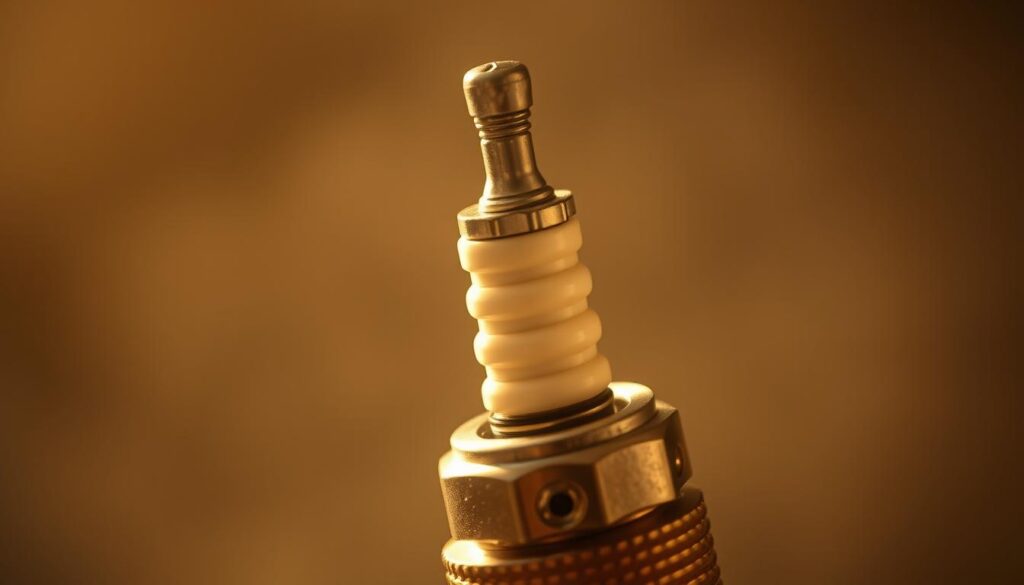
Spark plugs are small devices that fit into the cylinder head of your engine, providing the spark that ignites the fuel-air mixture. They are designed to withstand the high temperatures and pressures inside the engine. Spark plugs are made from various materials, including copper, platinum, and iridium, each offering different levels of durability and performance.
The type of spark plug used in your vehicle can affect its performance, fuel efficiency, and overall engine health. Using the right spark plugs as recommended by your vehicle’s manufacturer is crucial for optimal engine operation.
How Do Spark Plugs Work?
Spark plugs work by generating a high-voltage spark that ignites the fuel-air mixture inside the engine’s cylinders. This process is facilitated by the ignition coil, which produces the high voltage needed for the spark plugs to function. When the spark plug ignites the fuel-air mixture, it creates a small explosion that drives the piston down, ultimately turning the crankshaft and propelling your vehicle forward.
A well-functioning spark plug is essential for efficient engine operation. Worn-out or faulty spark plugs can lead to engine misfires, reduced fuel efficiency, and decreased performance.
Common Signs of Worn-Out Spark Plugs
Recognizing the signs of worn-out spark plugs is crucial for maintaining your vehicle’s performance. Some common indicators include:
- Engine misfires or rough idling
- Decreased fuel efficiency
- Difficulty starting the engine
- Reduced engine power or acceleration
- An increase in emissions or a failed emissions test
If you notice any of these signs, it may be time to check your spark plugs. Regular spark plug maintenance can help prevent these issues and ensure your vehicle runs smoothly. Knowing how to change spark plugs can also save you money on repair costs and help maintain your vehicle’s overall health.
By understanding the function of spark plugs and recognizing when they need to be replaced, you can take proactive steps to maintain your vehicle’s performance and efficiency.
Tools You’ll Need for Spark Plug Replacement
Before diving into the spark plug replacement process, it’s crucial to gather all the necessary tools. Having the right equipment not only makes the task easier but also ensures it’s done correctly.
Essential Tools for the Job
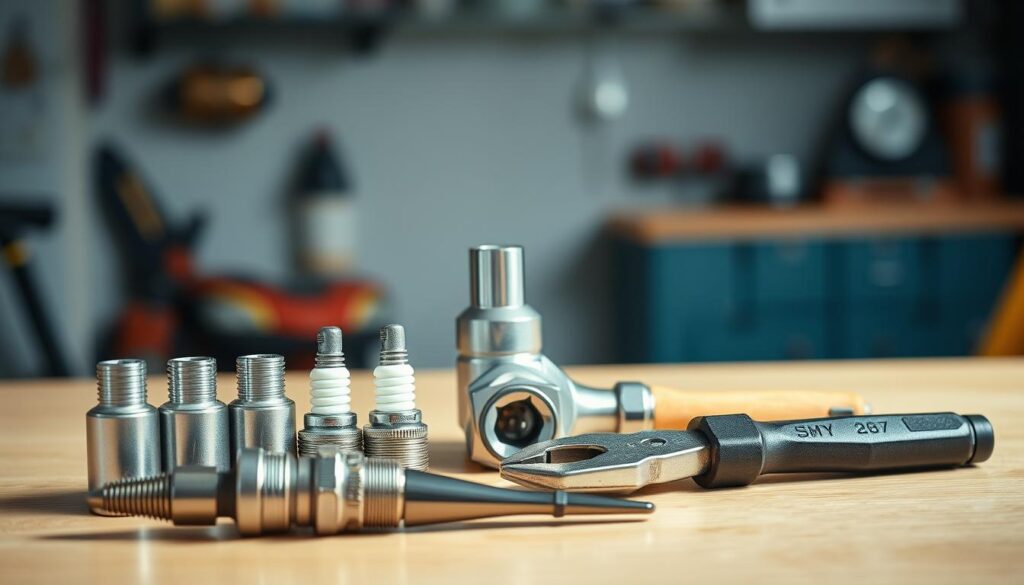
To start, you’ll need a few essential tools to replace your spark plugs. These include:
- A spark plug socket that fits your vehicle’s spark plugs.
- A ratchet and extension to reach the spark plugs.
- A torque wrench to tighten the spark plugs to the correct specification.
- A gap gauge to ensure the spark plug gap is set correctly.
These tools are fundamental for the replacement process. The spark plug socket is designed to protect the spark plug during removal and installation, while the ratchet and extension provide the leverage needed to access the spark plugs in tight spaces.
Optional Tools to Simplify the Process
While the essential tools will get the job done, there are some optional tools that can simplify the process:
- A spark plug removal tool with a built-in gap gauge.
- A magnetic pickup tool to retrieve spark plugs that have fallen into tight spaces.
- Compressed air or a blower to clean out debris from the spark plug wells.
These tools can make the spark plug replacement process more efficient and less frustrating. For instance, a magnetic pickup tool can save you the trouble of retrieving a dropped spark plug from a tight space.
By having the right tools, whether essential or optional, you’ll be well-prepared to tackle the spark plug replacement task with confidence.
Step-by-Step Guide to Replacing Spark Plugs
By following a few simple steps, you can replace your spark plugs and ensure your engine continues to run at its best. This guide will walk you through the process, from preparation to installation.
Preparing Your Vehicle
Before you start, make sure your vehicle is parked on a level surface and the engine is cool. This will make the process safer and more manageable. Ensure you have all the necessary tools within reach to avoid any delays.
Key Steps for Preparation:
- Turn off the engine and let it cool.
- Gather all necessary tools and spark plugs.
- Consult your vehicle’s manual for specific instructions.
Removing the Old Spark Plugs
Removing the old spark plugs requires care to avoid damaging the spark plug wires or the engine. Start by locating the spark plugs; their position can vary depending on the vehicle’s make and model.
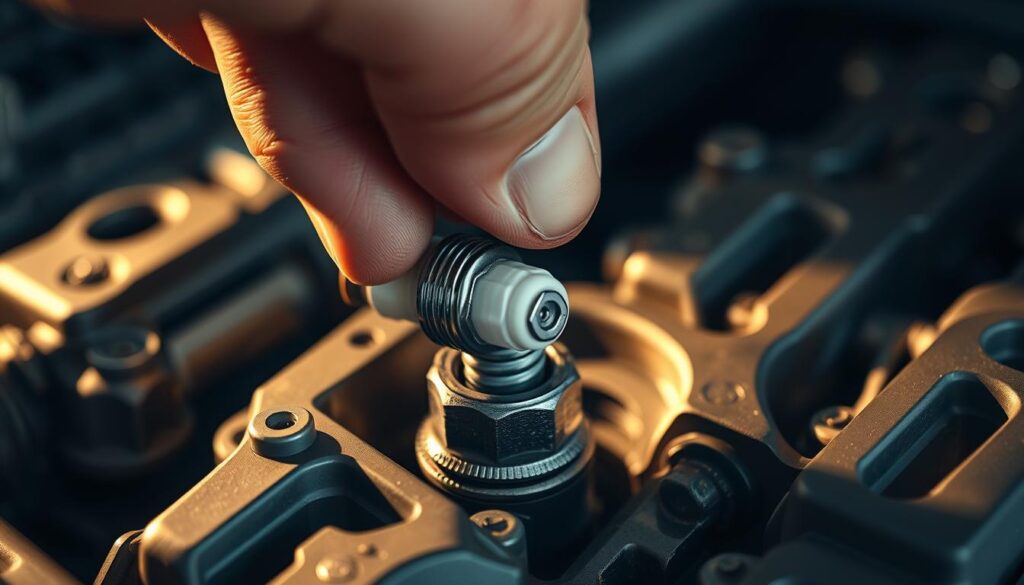
Once located, use a spark plug socket to remove the plugs. Be gentle to avoid stripping the threads.
| Step | Description | Tool Required |
|---|---|---|
| 1 | Locate the Spark Plugs | Vehicle Manual |
| 2 | Remove Spark Plug Wire | Spark Plug Wire Puller |
| 3 | Remove Spark Plug | Spark Plug Socket |
Installing New Spark Plugs
Installing new spark plugs is a straightforward process if you’ve removed the old ones correctly. Ensure the new spark plugs are properly gapped according to the manufacturer’s specifications.
Tips for Installation:
- Check the gap on the new spark plugs.
- Insert the new spark plugs by hand to avoid cross-threading.
- Tighten the spark plugs securely, but avoid over-tightening.
By following these steps, you’ll be able to replace your spark plugs efficiently, enhancing your vehicle’s engine performance and overall longevity.
Choosing the Right Spark Plugs for Your Vehicle
With various spark plug options available, choosing the correct one is vital for your vehicle’s performance. The type of spark plug you select can significantly impact your engine’s efficiency, fuel consumption, and overall longevity.
Types of Spark Plugs Available
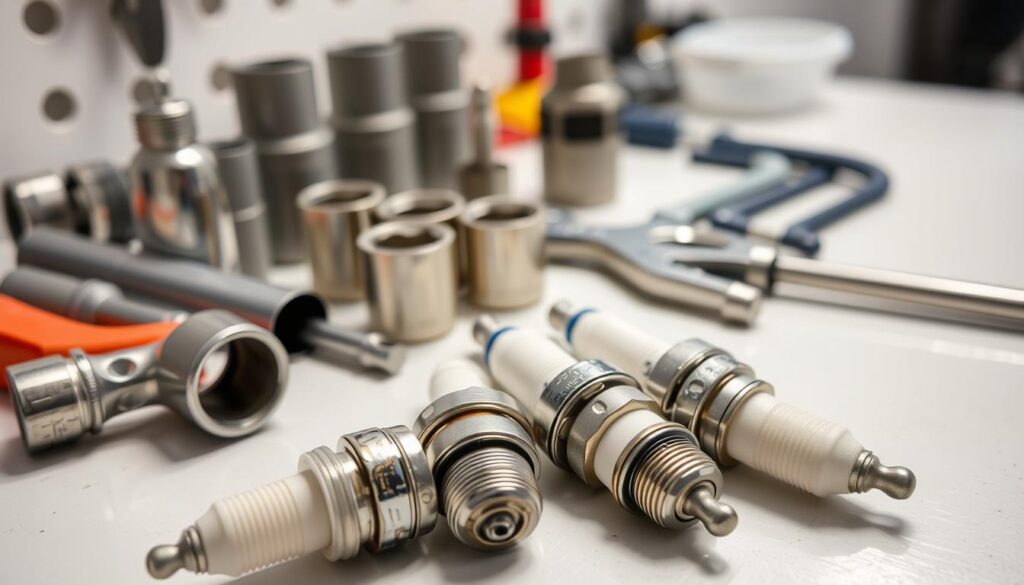
Spark plugs come in several types, each designed to meet specific engine requirements. The most common types include:
- Copper Spark Plugs: Known for their excellent conductivity, copper spark plugs are ideal for older vehicles or those with older engine types.
- Platinum Spark Plugs: These plugs offer a longer lifespan compared to copper plugs and are suitable for most modern vehicles.
- Iridium Spark Plugs: With their fine tip, iridium spark plugs provide a high level of performance and are often used in high-performance vehicles.
As Forbes notes, “The right spark plug can improve fuel efficiency and engine performance.” Choosing the right type depends on your vehicle’s make, model, and engine specifications.
Tips for Selecting the Right Spark Plug
To select the appropriate spark plug, consider the following tips:
- Consult your vehicle’s manual to determine the recommended spark plug type.
- Consider your driving habits; for example, if you drive under harsh conditions, you may need a more durable spark plug.
- Check the spark plug’s heat range to ensure it’s compatible with your engine’s requirements.
Engine performance tips often emphasize the importance of proper spark plug maintenance. Regularly checking and replacing spark plugs can prevent engine misfires and maintain optimal performance.
“A well-maintained spark plug is crucial for achieving the best possible engine performance and fuel efficiency.” –
Safety Precautions When Replacing Spark Plugs
Working with spark plugs requires attention to safety to avoid potential hazards. Replacing spark plugs can expose you to electrical shocks and engine components, making it crucial to take necessary precautions.
Protective Gear for Safety
One of the most critical aspects of safety when replacing spark plugs is wearing the right protective gear. This includes safety glasses to protect your eyes from debris, gloves to prevent electrical shock and improve grip, and long sleeves to protect your skin from potential sparks or sharp edges.
According to a leading automotive safety expert, “Wearing protective gear is not just a recommendation; it’s a necessity when working with potentially hazardous materials and tools.”
“The right safety gear can significantly reduce the risk of injury when working on your vehicle. It’s an investment worth making for any DIY enthusiast.”
Creating a Safe Working Environment
Ensuring a safe working environment is just as important as wearing protective gear. Here are some steps to follow:
- Make sure your workspace is well-lit to avoid accidents caused by poor visibility.
- Keep your work area clean and organized to prevent tripping hazards and ensure easy access to tools.
- Ensure your vehicle is parked on a level surface and apply the parking brake to prevent it from moving.
A well-organized workspace not only enhances safety but also improves efficiency. As shown in the table below, a safe environment is linked to fewer accidents and better outcomes.
| Safety Measure | Benefit |
|---|---|
| Proper Lighting | Reduces accidents caused by poor visibility |
| Organized Workspace | Prevents tripping hazards and improves tool access |
| Vehicle Stability | Prevents vehicle movement during work |

By following these safety precautions and wearing the appropriate protective gear, you can minimize risks associated with replacing spark plugs. Remember, safety is paramount when working on your vehicle.
Common Mistakes to Avoid During Replacement
To ensure a successful spark plug replacement, it’s essential to be aware of potential pitfalls. Replacing spark plugs is a relatively straightforward process, but certain mistakes can lead to significant issues with your vehicle’s performance.
Over-Tightening Spark Plugs
One of the most common mistakes during spark plug replacement is over-tightening. This can damage the spark plug threads in the cylinder head, leading to costly repairs. It’s crucial to use a torque wrench to tighten spark plugs to the manufacturer’s specified torque.
Over-tightening can also cause the spark plug to overheat, potentially leading to engine misfires. To avoid this, always refer to your vehicle’s repair manual for the correct tightening procedure.
Ignoring Proper Gap Settings
Another critical mistake is ignoring the proper gap settings for your spark plugs. The gap setting is crucial for the spark plug to function correctly, as it affects the spark’s intensity and the engine’s overall performance.
To ensure the correct gap setting, consult your vehicle’s repair manual or the manufacturer’s instructions for the new spark plugs. Using a gap gauge, adjust the spark plugs as necessary to match the recommended setting.
| Common Mistake | Consequence | Prevention |
|---|---|---|
| Over-Tightening | Damage to spark plug threads, engine misfires | Use a torque wrench, follow manufacturer’s torque specs |
| Ignoring Proper Gap Settings | Poor engine performance, reduced fuel efficiency | Consult repair manual, use a gap gauge to adjust spark plugs |
By being aware of these common mistakes and taking steps to avoid them, you can ensure a successful DIY spark plug replacement. This not only saves you money but also helps maintain your vehicle’s performance and longevity.
How to Maintain Your Spark Plugs for Longevity
Regular checks and maintenance can extend the life of your spark plugs and improve engine efficiency. By following a few simple steps, you can ensure your spark plugs continue to perform optimally, thereby enhancing your vehicle’s overall performance.
Routine Checks and Maintenance Tips
To maintain your spark plugs, start by regularly inspecting them for signs of wear. Use a spark plug socket to remove them, and check for any fouling or corrosion. Clean the spark plugs with a wire brush if necessary. It’s also crucial to check the gap settings to ensure they’re within the manufacturer’s specifications.
- Inspect spark plugs every 30,000 miles
- Clean or replace spark plugs as needed
- Check gap settings regularly
Signs That Indicate Maintenance is Needed
Keep an eye out for signs that your spark plugs need maintenance, such as rough idling, decreased fuel efficiency, or difficulty starting your engine. If you notice any of these symptoms, it’s time to inspect your spark plugs.
| Symptom | Possible Cause |
|---|---|
| Rough Idling | Fouled or worn-out spark plugs |
| Decreased Fuel Efficiency | Incorrect gap settings or worn-out spark plugs |
By following these spark plug DIY maintenance tips, you can significantly improve your vehicle’s engine performance. Regular maintenance not only extends the life of your spark plugs but also contributes to a smoother, more efficient engine operation.
Cost Savings of DIY Spark Plug Replacement
One of the most compelling reasons to opt for DIY spark plug replacement is the potential for substantial cost savings. By taking on this task yourself, you can significantly reduce your expenditure on car repairs.
Comparing DIY vs. Professional Replacement Costs
When you choose to replace your spark plugs yourself, you save on labor costs, which can be a significant portion of the total cost when using professional services. The cost of spark plugs themselves can vary based on the type and brand, but the average cost for a set can range from $15 to $30 for standard plugs and up to $100 or more for high-performance or platinum-tipped plugs.
Labor costs for professional replacement can add another $100 to $300 to the total bill, depending on the complexity of the job and the rates of the mechanic. By doing it yourself, you can avoid these additional costs.
Additional Savings from Prolonged Engine Life
Properly maintaining your spark plugs not only saves you money on replacement costs but also contributes to the longevity of your engine. Worn-out spark plugs can lead to decreased engine performance and fuel efficiency, potentially causing more severe engine problems over time.
By ensuring your spark plugs are in good condition, you can maintain optimal engine performance, improve fuel efficiency, and avoid costly repairs down the line. This proactive approach can lead to significant savings over the life of your vehicle.
For those looking to maximize their savings and ensure their vehicle runs smoothly, following engine performance tips and maintaining your spark plugs is a straightforward and effective strategy.
Additional Resources for DIY Enthusiasts
For those who enjoy DIY projects, having access to the right resources can make all the difference. When it comes to DIY spark plug replacement, there are numerous resources available to help you get the job done.
Video Tutorials and Guides
Websites like YouTube offer a wealth of video tutorials that can walk you through the process of spark plug replacement step-by-step. These visual guides can be incredibly helpful in understanding the intricacies of the task.
Forums and Online Communities
Online forums and communities, such as those found on Reddit, can provide valuable insights and advice from experienced DIY enthusiasts who have tackled spark plug maintenance. By leveraging these resources, you can gain a deeper understanding of the process and stay up-to-date with the latest tips and best practices for DIY spark plug replacement.