





Adopting fuel-efficient driving habits is not just about saving money on fuel; it’s also a significant step towards reducing our environmental footprint. Eco-driving encompasses a range of practices that, when applied, can lead to a substantial decrease in emissions and fuel consumption.
By making simple changes to our driving habits, such as maintaining a constant speed, removing extra weight from the vehicle, and ensuring proper tire pressure, we can contribute to a cleaner environment. These green driving practices are easy to implement and can make a significant difference.
Key Takeaways
- Maintain a constant speed to reduce fuel consumption.
- Remove extra weight from your vehicle to improve fuel efficiency.
- Ensure proper tire pressure to lower emissions.
- Adopting fuel-efficient driving habits can save money on fuel.
- Simple changes to driving habits can significantly reduce environmental impact.
What is Eco-Driving?
As concern for the environment grows, eco-driving has emerged as a simple yet effective way to minimize our carbon footprint on the roads. Eco-driving encompasses a range of techniques designed to optimize fuel efficiency and reduce the emissions produced by vehicles.
Eco-driving is not just about saving fuel; it’s also about adopting a driving style that is safer and more considerate of the environment. By making a few simple changes to our driving habits, we can significantly reduce our impact on the planet.
Definition and Importance
Eco-driving refers to the use of driving techniques and vehicle maintenance practices that maximize fuel efficiency and minimize emissions. The importance of eco-driving lies in its potential to reduce our reliance on fossil fuels and lower the amount of harmful pollutants released into the atmosphere. According to the U.S. Department of Energy, aggressive driving can reduce miles per gallon by 15–30% at highway speeds and 10–40% in stop-and-go traffic. By adopting eco-driving practices, drivers can significantly reduce these numbers.
Benefits of Eco-Driving
The benefits of eco-driving are multifaceted. Not only does it help in reducing fuel consumption, which can lead to cost savings, but it also contributes to a reduction in vehicle wear and tear. Moreover, eco-driving promotes a smoother and more anticipatory driving style, which can enhance road safety. By driving more efficiently, we can also reduce the environmental impact of our vehicles, contributing to cleaner air and a healthier planet.
Some key benefits of eco-driving include:
- Lower fuel consumption and costs
- Reduced emissions and environmental impact
- Less vehicle wear and tear
- Enhanced road safety through smoother driving practices
By embracing eco-driving, individuals can make a positive impact on the environment while also enjoying the economic benefits of reduced fuel consumption. As we move towards a more sustainable future, adopting eco-driving tips and practices will be crucial in our efforts to protect the planet.
Understanding Fuel Consumption
Understanding how to manage fuel consumption is essential for eco-friendly driving. Fuel efficiency is a critical factor in reducing emissions and saving on fuel costs.
Factors Influencing Fuel Efficiency
Several factors influence fuel efficiency, including vehicle weight, tire pressure, and driving habits. Proper vehicle maintenance is crucial for optimal fuel efficiency. For instance, regular tune-ups can significantly improve how efficiently your vehicle uses fuel.
Maintaining the correct tire pressure is another simple yet effective way to enhance fuel efficiency. Underinflated tires can lead to increased fuel consumption. Moreover, driving habits such as smooth acceleration and braking can make a significant difference.
Aggressive driving behaviors like speeding and rapid acceleration not only decrease fuel efficiency but also increase wear on your vehicle. By adopting smoother driving habits, you can improve your vehicle’s fuel efficiency and prolong its lifespan.
Fuel Types and Their Impact
The type of fuel used also plays a significant role in fuel consumption and environmental impact. Different fuels have varying levels of efficiency and emissions.
| Fuel Type | Efficiency | Environmental Impact |
|---|---|---|
| Gasoline | Moderate | High emissions |
| Diesel | High | Moderate emissions |
| Electric | Very High | Low emissions |
| Hybrid | High | Moderate emissions |
Choosing the right fuel type can be part of an effective eco-driving strategy. Electric and hybrid vehicles, for example, offer higher efficiency and lower emissions compared to traditional gasoline-powered vehicles.
By understanding the factors that influence fuel consumption and making informed choices about fuel types, drivers can significantly reduce their environmental footprint.
Simple Eco-Driving Tips for Everyday Driving
Simple changes to your driving techniques can significantly reduce your carbon footprint. By incorporating a few straightforward eco-driving tips into your daily driving routine, you can contribute to a cleaner environment while also saving on fuel costs.
Smooth Acceleration and Braking
One of the most effective eco-driving practices is adopting smooth acceleration and braking. Sudden starts and stops not only increase fuel consumption but also wear down your vehicle. By accelerating gently and braking smoothly, you can reduce your fuel usage and prolong the life of your vehicle.
For instance, a study found that aggressive driving can lower your gas mileage by about 33% on the highway and 5% on city roads. By driving more smoothly, you can avoid these inefficiencies and make your driving more environmentally friendly.
Maintaining a Steady Speed
Maintaining a steady speed is another key aspect of eco-driving. Driving at a consistent speed, especially on highways, can help in optimizing fuel efficiency. This is because your vehicle is designed to run most efficiently when it’s not constantly accelerating and braking.
Using techniques like anticipating traffic conditions ahead and adjusting your speed accordingly can help you maintain a steady pace, reducing the need for frequent acceleration and braking.
Using Cruise Control Effectively
Cruise control is a feature that can help you maintain a steady speed, particularly useful on long highway drives. By setting your cruise control to a moderate speed, you can enjoy a more relaxed drive while also improving your fuel efficiency.
However, it’s worth noting that cruise control is most effective on flat, straight roads. In hilly or mountainous terrain, it might be more efficient to control your speed manually to avoid unnecessary acceleration.
By implementing these simple eco-driving tips, you not only contribute to reducing emissions but also enjoy cost savings through improved fuel efficiency. Whether it’s through smoother acceleration, maintaining a steady speed, or using cruise control effectively, every small change counts towards a more sustainable driving practice.
Vehicle Maintenance for Better Efficiency
One of the most effective ways to enhance your vehicle’s fuel efficiency is through regular maintenance. By keeping your vehicle in good condition, you can significantly reduce fuel consumption and lower emissions.
Regular Tune-Ups
Regular tune-ups are a crucial part of vehicle maintenance. They involve checking and replacing various components to ensure your engine is running smoothly. A well-maintained engine can improve fuel efficiency by up to 10%. Key tasks during a tune-up include replacing spark plugs, checking the air filter, and ensuring the ignition system is functioning properly.
Tire Pressure Check
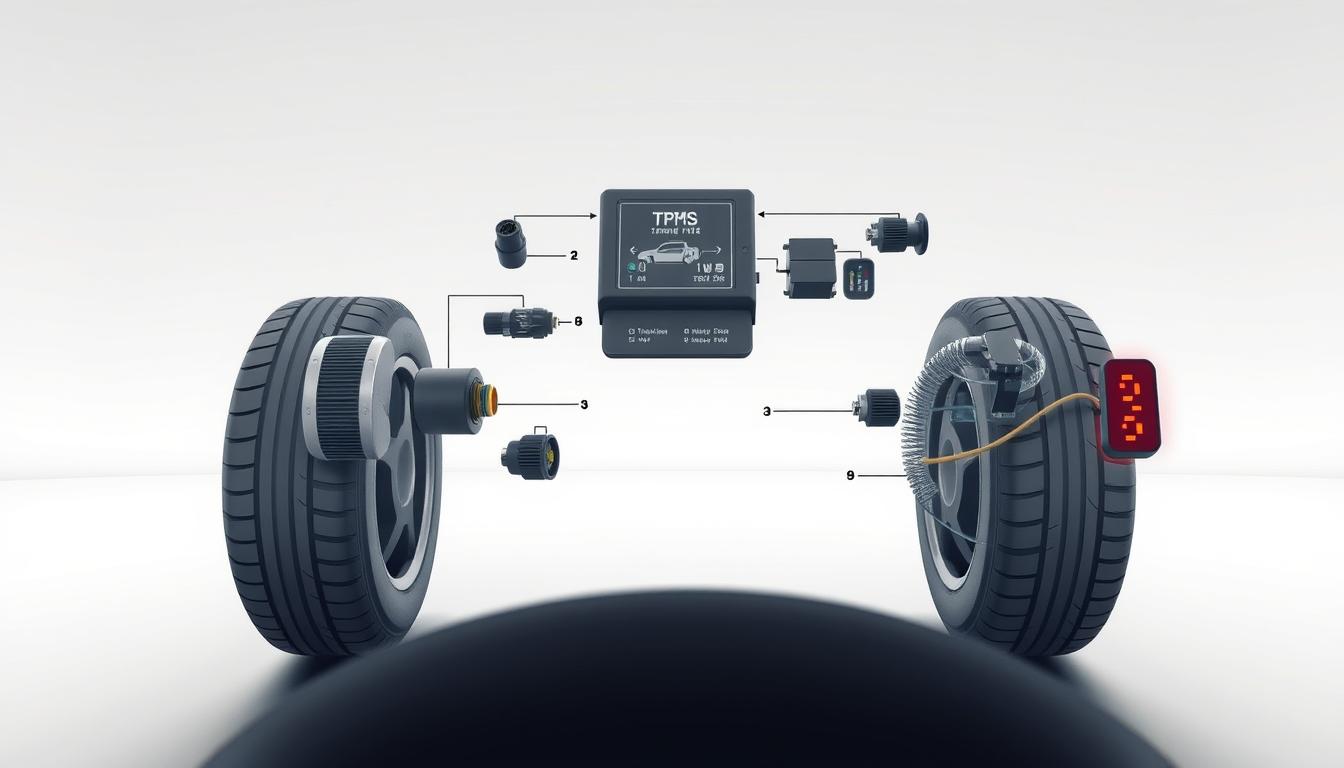
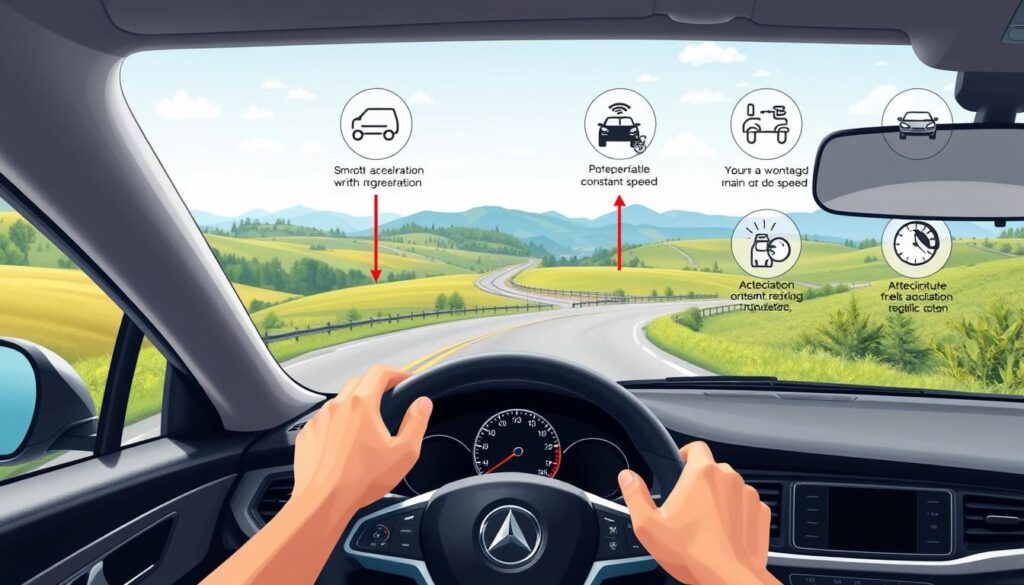
Proper tire pressure is vital for fuel-efficient driving. Underinflated tires can lead to increased fuel consumption because they cause your vehicle to work harder. It’s recommended to check tire pressure at least once a month and before long trips. Properly inflated tires can improve fuel efficiency by 2-3%.
Engine Maintenance Tips
Engine maintenance goes beyond regular tune-ups. It involves keeping your engine clean, checking for any leaks, and ensuring that all components are in good working order. Here are some tips:
- Regularly check and replace the air filter to ensure optimal airflow.
- Use the correct type of oil for your vehicle.
- Keep an eye on your vehicle’s temperature gauge to prevent overheating.
By following these maintenance tips, you can significantly improve your vehicle’s efficiency and reduce its environmental impact.
| Maintenance Task | Frequency | Benefit |
|---|---|---|
| Regular Tune-Ups | Every 5,000 to 7,500 miles | Improved fuel efficiency, reduced emissions |
| Tire Pressure Check | Monthly | Better fuel efficiency, safety |
| Air Filter Replacement | Every 15,000 to 30,000 miles | Improved engine performance, fuel efficiency |
The Role of Weight and Cargo
One often overlooked aspect of green driving is how the weight and cargo of your vehicle affect its performance. The additional weight and aerodynamic drag from items like roof racks can significantly increase fuel consumption. Understanding and managing these factors can lead to more fuel-efficient driving habits.
Lightening Your Load
Carrying unnecessary weight in your vehicle can decrease its fuel efficiency. For every 100 pounds of extra weight, your car’s fuel efficiency can decrease by about 1-2%. This might not seem significant, but over time, it adds up. Regularly cleaning out your trunk and back seat can help reduce weight and improve fuel efficiency.
- Remove unnecessary items from your trunk and back seat.
- Avoid using your vehicle as a storage unit for heavy items.
- If you need to carry heavy items, consider alternative storage options.
Roof Racks and Aerodynamics
Roof racks are useful for carrying bulky items like bicycles, kayaks, or luggage. However, they can also increase aerodynamic drag, which can decrease fuel efficiency, especially at high speeds. When using a roof rack, it’s essential to be mindful of the impact on your vehicle’s aerodynamics.
| Speed | Fuel Efficiency Impact |
|---|---|
| Low (Under 40 mph) | Minimal impact |
| Moderate (40-60 mph) | Moderate impact (up to 5% decrease) |
| High (Over 60 mph) | Significant impact (up to 10-15% decrease) |
To mitigate this, consider removing roof racks when not in use or using aerodynamic roof racks designed to reduce drag. Additionally, loading items in a way that minimizes drag can help. For example, placing larger, more aerodynamic items towards the front of the roof rack can improve airflow.
By being mindful of the weight and cargo in your vehicle and managing aerodynamic factors like roof racks, you can improve your vehicle’s fuel efficiency and contribute to green driving practices. These simple adjustments can make a significant difference in your fuel consumption and overall environmental impact.
The Impact of Driving Habits
The way you drive can significantly affect how much fuel you consume, making it essential to adopt fuel-efficient driving habits. Your driving style can either increase or decrease fuel consumption, depending on the habits you practice.
Avoiding Aggressive Driving
Aggressive driving, characterized by rapid acceleration, hard braking, and speeding, is a significant contributor to increased fuel consumption. By driving more smoothly and maintaining a consistent speed, you can reduce fuel waste. Adopting a smoother driving style not only saves fuel but also reduces wear on your vehicle.
Planning Your Routes
Planning your route in advance can help you avoid traffic congestion, roadworks, and other delays that can increase fuel consumption. Using GPS navigation tools or apps that provide real-time traffic updates can help you find the most efficient route to your destination.
Using Navigation Tools
In addition to planning your route, utilizing navigation tools can further optimize your driving. Many modern navigation systems offer features such as traffic avoidance and optimal route suggestions based on current conditions. By leveraging these tools, you can minimize your fuel consumption and reduce your travel time.
By being mindful of your driving habits and utilizing the right tools, you can make a significant impact on your fuel efficiency. Adopting these practices will not only save you money on fuel but also contribute to a more environmentally friendly driving experience.
Eco-Friendly Alternatives to Driving
Shifting towards eco-friendly transportation alternatives can make a substantial difference in our fight against pollution. As we continue to explore ways to reduce our carbon footprint, it’s essential to consider the various options available that not only benefit the environment but also promote a healthier lifestyle.
One of the most effective ways to reduce our reliance on personal vehicles is by utilizing public transportation. Buses, trains, and subways can significantly decrease the number of cars on the road, thereby reducing emissions and fuel consumption. Many cities are now investing in cleaner public transportation systems, such as electric buses, to further minimize environmental impact.
Public Transportation Options
Public transportation offers a convenient and affordable way to travel while reducing our carbon footprint. By using buses, trains, or subways, individuals can significantly lower their emissions. For instance, a single bus can take up to 40 cars off the road, making it a highly effective way to reduce congestion and pollution.
Bicycling and Walking
Bicycling and walking are not only eco-friendly but also promote physical health. These modes of transportation are ideal for short distances and can be incorporated into daily routines. Many cities are now enhancing their infrastructure to support cyclists and pedestrians, making it safer and more appealing to choose these options.
- Bicycling reduces carbon emissions and improves cardiovascular health.
- Walking is a simple way to incorporate physical activity into your daily routine.
- Both modes of transportation can significantly reduce traffic congestion.
Carpooling Benefits
Carpooling is another effective strategy for reducing the number of vehicles on the road. By sharing rides with colleagues, friends, or family members, individuals can lower their fuel consumption and emissions. Carpooling also offers the added benefit of reducing travel costs and enhancing social interactions.
To encourage carpooling, many organizations are implementing carpooling programs and incentives, such as preferred parking for carpoolers. Technology has also made it easier to find carpooling partners through various apps and online platforms.
Choosing the Right Vehicle
For those committed to eco-driving, selecting a fuel-efficient vehicle is paramount. The type of vehicle you drive can significantly impact your fuel consumption and emissions.
Fuel-Efficient Models
When looking for a fuel-efficient model, consider vehicles with advanced engine technologies that optimize fuel use. Many modern cars are designed to be more fuel-efficient without compromising on performance.
Key Features to Look For:
- Advanced fuel injection systems
- Aerodynamic design
- Lightweight materials
- Low rolling resistance tires
According to a study, “vehicles with a fuel economy of 40 mpg or higher can significantly reduce fuel consumption and lower emissions” (
“The Impact of Fuel Efficiency on Emissions,” Environmental Protection Agency
).
| Vehicle Type | Fuel Economy (mpg) | Annual Fuel Cost |
|---|---|---|
| Sedan | 30 | $1,200 |
| Hybrid | 50 | $720 |
| Electric | N/A | $500 |
Electric and Hybrid Options
Electric vehicles (EVs) and hybrids offer promising alternatives for those looking to reduce their carbon footprint. EVs run solely on electric power, eliminating tailpipe emissions, while hybrids combine electric and gasoline power to improve fuel efficiency.
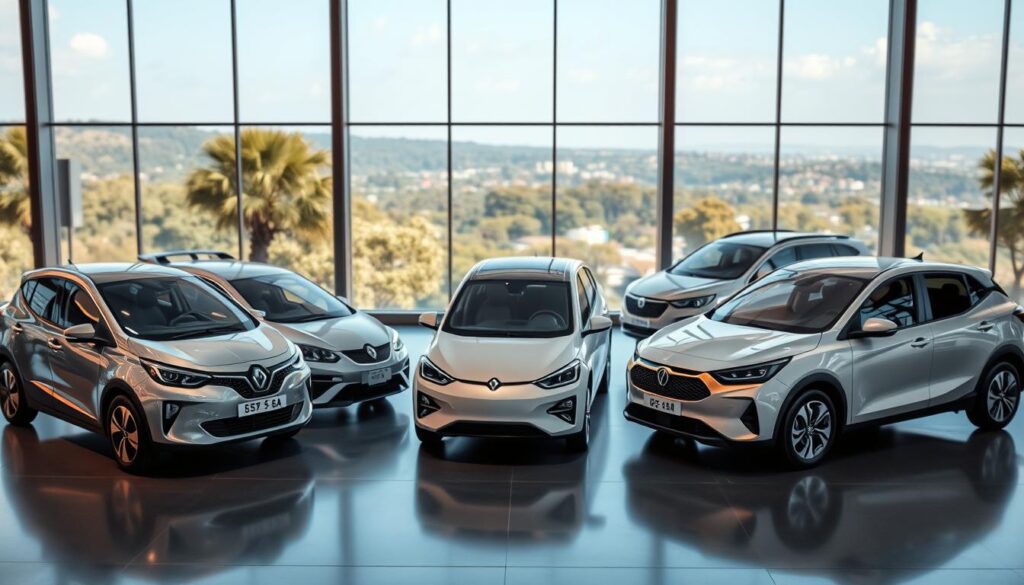
As noted by an industry expert, “The shift towards electric and hybrid vehicles is a critical step in reducing our reliance on fossil fuels and lowering emissions” (
“The Future of Electric Vehicles,” GreenTech Media
).
When considering an electric or hybrid vehicle, it’s essential to evaluate factors such as charging infrastructure, battery life, and overall cost of ownership.
Benefits of Electric and Hybrid Vehicles:
- Lower operating costs
- Reduced emissions
- Improved fuel efficiency
By choosing the right vehicle, individuals can make a significant impact on reducing fuel consumption and emissions, contributing to a more sustainable environment.
Understanding Emissions
As road transportation accounts for about 17% of worldwide energy-related CO2 emissions, grasping the concept of vehicle emissions is more important than ever. Vehicle emissions are not just a minor contributor to environmental pollution; they are a significant factor in climate change and air quality deterioration.
Types of Vehicle Emissions
Types of Vehicle Emissions
Vehicle emissions can be broadly categorized into several types, including carbon dioxide (CO2), nitrogen oxides (NOx), particulate matter (PM), and volatile organic compounds (VOCs). Each of these pollutants has a different impact on the environment and human health.
- CO2: A greenhouse gas that contributes to global warming.
- NOx: Can lead to the formation of ground-level ozone and smog.
- PM: Tiny particles that can cause respiratory problems.
- VOCs: Chemicals that can cause eye, nose, and throat irritation.
The Environmental Impact of Emissions
The Environmental Impact of Emissions
The environmental impact of vehicle emissions is multifaceted. CO2 emissions contribute to climate change, while NOx and VOCs can lead to air pollution, affecting both human health and the environment. According to the Environmental Protection Agency (EPA), reducing emissions from vehicles is crucial for improving air quality and mitigating climate change.
“Reducing emissions from vehicles is crucial for improving air quality and mitigating climate change.” – Environmental Protection Agency
To illustrate the impact of different vehicle types on emissions, consider the following table:
| Vehicle Type | CO2 Emissions (g/km) | NOx Emissions (g/km) |
|---|---|---|
| Gasoline | 150-200 | 0.1-0.5 |
| Diesel | 120-180 | 0.5-1.0 |
| Hybrid | 80-120 | 0.05-0.2 |
| Electric | 0 | 0 |
By understanding the types of vehicle emissions and their environmental impact, drivers can make informed choices about their driving habits and vehicle choices, contributing to a cleaner and healthier environment.
Technological Advances in Eco-Driving
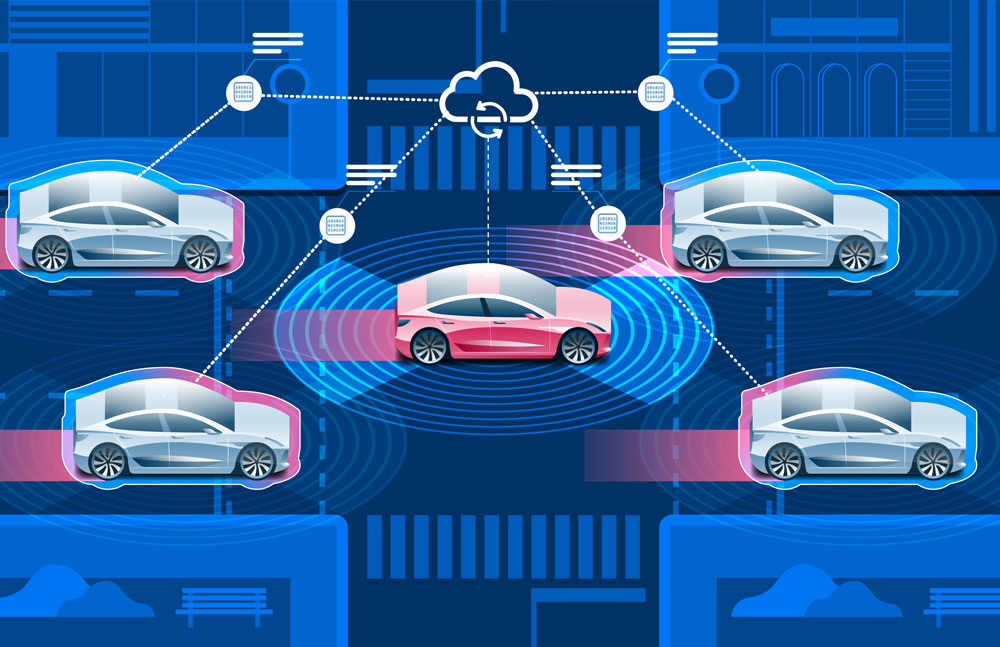
Technological advancements are playing a crucial role in enhancing fuel efficiency and reducing emissions. The integration of technology in vehicles and driving habits is transforming the way we approach eco-driving.
Eco-Driving Apps and Tools
Several apps and tools are designed to help drivers improve their fuel efficiency. For instance, apps like EcoDriver and FuelEconomy provide real-time feedback on driving habits, suggesting improvements. According to a study, using eco-driving apps can lead to a significant reduction in fuel consumption.
- Real-time monitoring of fuel efficiency
- Personalized driving tips
- Route optimization for less fuel consumption
“The use of eco-driving apps has been shown to reduce fuel consumption by up to 10%,” says a recent report. This is a significant step towards more sustainable driving practices.
In-Car Technology for Efficiency
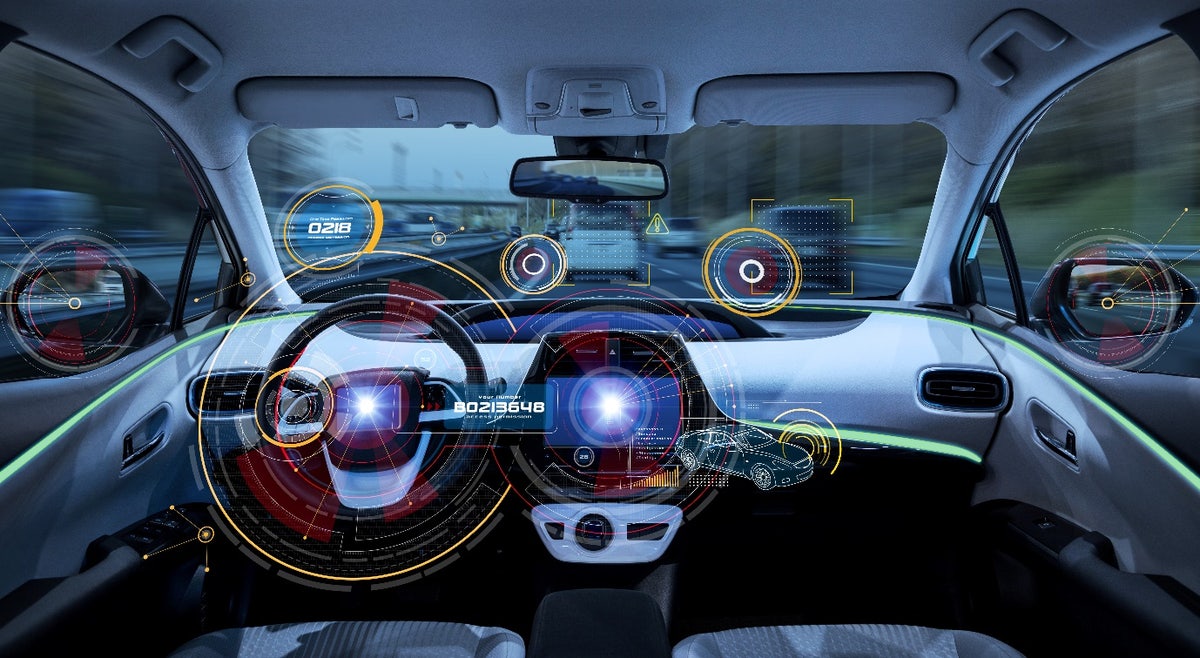
Modern vehicles are equipped with advanced in-car technologies designed to enhance fuel efficiency. Features such as automatic start/stop technology and regenerative braking in hybrid and electric vehicles contribute to reduced fuel consumption.
- Fuel-efficient driving modes
- Real-time driver feedback systems
- Aerodynamic enhancements
As noted by an automotive expert, “In-car technology is becoming increasingly sophisticated, making it easier for drivers to adopt eco-friendly driving habits.”
Community and Policy for Eco-Driving
As the world shifts towards more sustainable practices, community and policy initiatives play a crucial role in promoting eco-driving. Eco-driving is not just about reducing fuel consumption and emissions; it’s also about creating a culture that supports environmentally friendly driving habits.
Local Initiatives for Eco-Friendly Driving
Local initiatives are vital in encouraging eco-driving practices. Many communities are launching programs to educate drivers about the benefits of eco-driving and how to implement it in their daily lives. For example, some cities are offering workshops or online resources that provide eco-driving tips and techniques. These initiatives help drivers understand how simple changes, such as smooth acceleration and maintaining a steady speed, can make a significant difference.
Moreover, local carpooling and bike-to-work programs are becoming increasingly popular. These programs not only reduce the number of vehicles on the road but also promote a healthier lifestyle. By encouraging drivers to adopt more eco-friendly modes of transportation, communities can significantly reduce their carbon footprint.
The Role of Government Policies
Government policies play a crucial role in supporting eco-driving practices. By implementing policies that encourage fuel-efficient driving, governments can have a significant impact on reducing national emissions. For instance, policies that promote the use of electric and hybrid vehicles can lead to a substantial reduction in greenhouse gas emissions.
“Government policies can significantly influence driver behavior by creating incentives for eco-friendly driving practices.” –
Furthermore, governments can invest in infrastructure that supports eco-driving, such as installing charging stations for electric vehicles or creating bike lanes. These investments not only encourage the adoption of eco-friendly vehicles but also make it safer and more convenient for people to use them.
- Implementing low-emission zones in urban areas
- Offering tax incentives for purchasing eco-friendly vehicles
- Investing in public transportation infrastructure
By combining local initiatives with supportive government policies, we can create a comprehensive approach to promoting eco-driving. This multi-faceted strategy is essential for achieving significant reductions in fuel consumption and emissions.
Conclusion: The Importance of Eco-Driving
Eco-driving is a simple yet effective way to reduce fuel consumption and emissions. By adopting fuel-efficient driving habits and maintaining our vehicles, we can make a significant impact on the environment.
Personal Commitment to Change
Making a personal commitment to eco-driving practices is the first step towards a more sustainable future. This involves being mindful of our driving habits, such as accelerating smoothly and maintaining a steady speed, which can significantly reduce fuel waste.
Spreading the Word
Encouraging others to adopt green driving practices can amplify the positive impact. By sharing our knowledge and experiences with friends and family, we can create a ripple effect that promotes a culture of fuel-efficient driving.
Every individual’s actions count, and collectively, we can make a significant difference in reducing our carbon footprint. Embracing eco-driving is a crucial step towards a cleaner, healthier environment for future generations.
FAQ
What is eco-driving, and how can it help reduce fuel consumption?
How does vehicle maintenance impact fuel efficiency?
What role does driving habits play in fuel consumption?
How can I reduce fuel consumption by managing my vehicle’s weight and cargo?
What are some eco-friendly alternatives to driving alone?
How can technology help with eco-driving?
What are the benefits of choosing a fuel-efficient vehicle?
How do government policies and community initiatives promote eco-driving?
What can I do to make a personal commitment to eco-driving?
How can I encourage others to join me in practicing eco-driving?