



As the world shifts towards more sustainable options, electric vehicles are becoming increasingly popular. One of the significant advantages of owning an electric car is the reduced maintenance cost. According to recent data, electric vehicle owners spend half as much on routine maintenance compared to those with gasoline-powered cars.
This significant difference is due to the simpler design of electric vehicles, which have fewer moving parts. As a result, electric car owners can enjoy lower maintenance costs without compromising on performance.
Key Takeaways
- Electric vehicles have lower maintenance costs compared to gasoline-powered cars.
- The simpler design of EVs results in fewer moving parts.
- Electric car owners can enjoy reduced routine maintenance expenses.
- Proper electric car care is essential for optimal performance.
- Understanding ev maintenance can help owners save money.
Understanding the Basics of EV Maintenance
Unlike conventional vehicles, electric vehicles have unique maintenance requirements due to their simpler design. Electric vehicles (EVs) have fewer moving parts compared to traditional gasoline-powered cars, which inherently reduces the need for frequent maintenance. However, this doesn’t mean EVs require no maintenance at all.
What Makes EV Maintenance Different?
What Makes EV Maintenance Different?
One of the primary differences in EV maintenance stems from their powertrain. EVs are powered by an electric motor, which has fewer moving parts than a traditional internal combustion engine. This results in less wear and tear on the vehicle, reducing the need for certain maintenance tasks like oil changes. However, EVs still require regular checks on other critical components.
- Battery health monitoring
- Tire pressure and condition checks
- Brake system inspections
Moreover, EVs often come with advanced technology features that require software updates, similar to smartphones. These updates can improve performance, efficiency, and overall driving experience.
Key Components of an Electric Vehicle
Understanding the key components of an EV is crucial for effective maintenance. The main components include:
- Electric Motor: Converts electrical energy into mechanical energy to propel the vehicle.
- Battery: Stores the electrical energy needed to power the vehicle. Battery health is critical for the overall performance and range of the EV.
- Charging System: Allows the vehicle to be recharged from an external power source.
Regular maintenance of these components is essential to ensure the longevity and efficiency of your EV. For instance, keeping the battery charged between 20% and 80% can help prolong its lifespan, and regular tire rotations can ensure even wear.
By understanding these basics and taking proactive steps, EV owners can enjoy a smoother, more efficient driving experience while minimizing the need for costly repairs down the line.
Regular Battery Care for Longevity
Proper care for your electric vehicle’s battery is crucial for its longevity and overall performance. The battery is a critical component of your EV, and its maintenance plays a significant role in the vehicle’s efficiency, range, and lifespan.
Maintaining your EV’s battery involves understanding its needs and how to meet them. One of the key aspects is avoiding extreme temperatures, as both high heat and cold can affect the battery’s performance and longevity.
Importance of Battery Maintenance
Battery maintenance is not just about prolonging the battery’s life; it’s also about ensuring your EV runs efficiently. A well-maintained battery contributes to better vehicle performance, optimal range, and reduced risk of unexpected battery failures.
- Avoiding extreme temperatures can help in preserving the battery’s health.
- Monitoring the battery’s state of charge can prevent overcharging, which is detrimental to its longevity.
- Keeping the battery clean and ensuring good airflow around it can also contribute to its health.
As electric vehicle maintenance experts suggest, regular checks and balanced charging habits are key to maintaining the battery’s overall health.
Best Practices for Charging Your EV
Charging your EV correctly is vital for battery longevity. Here are some best practices to follow:
- Avoid Overcharging: Try to keep your battery level between 20% and 80% if you’re not going on a long trip. Avoiding a full charge can help reduce wear on the battery.
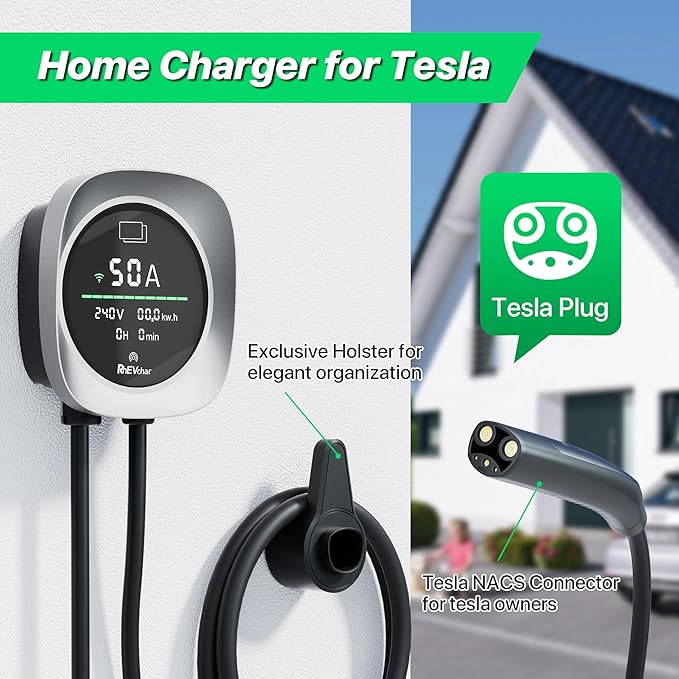
- Use the Right Charger: Using the manufacturer’s recommended charger or a high-quality third-party charger can ensure safe and efficient charging.
- Monitor Charging Speed: Fast charging is convenient, but frequent use can stress the battery. Balance fast charging with standard charging for daily use.
By following these guidelines and staying informed about ev servicing recommendations, you can significantly extend the life of your EV’s battery and enjoy a smoother, more efficient driving experience.
Tire Health: More Important Than You Think
The importance of tire maintenance cannot be overstated for EVs, which are typically heavier than their gasoline counterparts. This added weight puts additional stress on the tires, making regular checks and maintenance crucial for safety and efficiency.
Checking Tire Pressure and Tread
Maintaining the correct tire pressure is vital for electric vehicles. Underinflated tires can lead to reduced range and increased wear on the tires. It’s recommended to check tire pressure at least once a month and before long trips. Use a reliable pressure gauge to ensure accuracy.
Proper tire tread depth is also essential for safety. Tires with inadequate tread can lead to reduced traction, especially on wet or slippery roads. The tread depth should be checked regularly using a tread depth gauge. Most EVs come with tire pressure monitoring systems (TPMS) that alert you to underinflation, but it’s still important to manually check pressure and tread.
Rotating and Aligning Your Tires
Regular tire rotation is a critical maintenance task for EVs. Due to the weight distribution and instant torque of electric vehicles, tires can wear unevenly. Rotating tires every 5,000 to 8,000 miles helps ensure even wear and extends the life of the tires.
Wheel alignment is another important aspect of tire health. Misaligned wheels can cause uneven tire wear, leading to reduced tire life and potentially affecting the vehicle’s handling. It’s advisable to have your wheel alignment checked annually or whenever you notice signs of uneven wear.
| Tire Maintenance Task | Frequency | Benefits |
|---|---|---|
| Tire Pressure Check | Monthly | Improved range, safety, and tire life |
| Tire Rotation | Every 5,000 to 8,000 miles | Even wear, extended tire life |
| Wheel Alignment Check | Annually or as needed | Prevents uneven wear, improves handling |
Brake System Maintenance
Understanding how your electric vehicle’s brake system works is key to maintaining its overall health and performance. The brake system in electric vehicles (EVs) is unique due to the presence of regenerative braking, a technology that captures some of the kinetic energy and converts it back into electrical energy, thereby reducing the wear on traditional brake components.
How Regenerative Braking Works
Regenerative braking is a process that occurs when you lift off the accelerator or press the brake pedal in your EV. This action triggers the electric motor to act as a generator, capturing the kinetic energy and converting it into electricity, which is then stored in the vehicle’s battery. This not only improves the efficiency of the vehicle but also reduces the wear on the brake pads, as the regenerative system handles a significant portion of the braking.
Signs That Your Brakes Need Attention
Despite the reduced wear due to regenerative braking, it’s essential to regularly inspect your brake system. Here are some signs that indicate your brakes may need maintenance:
- Squealing or grinding noises when applying the brakes
- A spongy brake pedal or increased stopping distance
- Vibrations or pulsations when braking
- Illuminated brake warning lights on the dashboard
Regular inspections can help identify potential issues before they become major problems, ensuring your EV remains safe and efficient.
For optimal ev servicing, it’s recommended to follow the manufacturer’s guidelines for brake maintenance. This includes regular checks on the brake fluid level, condition of the brake pads, and the overall performance of the braking system.
Keeping Your EV Clean: A Practical Guide
Maintaining the cleanliness of your electric vehicle is crucial not only for its appearance but also for its overall health. Regular cleaning is essential for both the exterior and interior of your EV.
Exterior Cleaning Tips for Electric Cars
When it comes to cleaning the exterior of your EV, using the right techniques and materials is key. Avoid using harsh chemicals or abrasive materials that could damage the paint or other exterior components.
- Use a mild soap or a car wash product specifically designed for EVs.
- Regularly clean the wheels and tires to prevent brake dust buildup.
- Dry the vehicle thoroughly after washing to prevent water spots.
“A clean exterior not only looks great but also helps protect your EV’s surface from environmental damage.”
Interior Maintenance: Tips and Tricks
Interior cleaning is just as important as exterior cleaning. Vacuum the interior regularly to remove dust and debris that can accumulate on the seats, carpets, and dashboard.
- Use a soft cloth and a gentle cleaning product to wipe down surfaces.
- Pay special attention to the dashboard and controls, as these areas can be prone to wear.
- For tougher stains, consider using a specialized cleaning product designed for automotive interiors.
As noted by automotive experts,
“Regular interior cleaning can significantly enhance the driving experience and longevity of your EV’s interior components.”
Software Updates: Why They Matter
As electric vehicles (EVs) become increasingly sophisticated, the importance of software updates cannot be overstated. These updates are not just about fixing bugs; they’re about enhancing performance, adding new features, and even improving the overall driving experience.
Many EVs receive over-the-air software updates, which can be as simple as improving the vehicle’s navigation system or as complex as enhancing the battery management system. This technology allows EV manufacturers to continuously improve their vehicles even after they’ve been sold, much like how smartphones receive updates.
Understanding Over-the-Air Updates
Over-the-air updates refer to the wireless delivery of software updates to your EV. This means you don’t need to visit a service center for your vehicle to receive the latest software improvements. These updates can enhance various aspects of your vehicle, from performance and efficiency to safety features and infotainment systems.
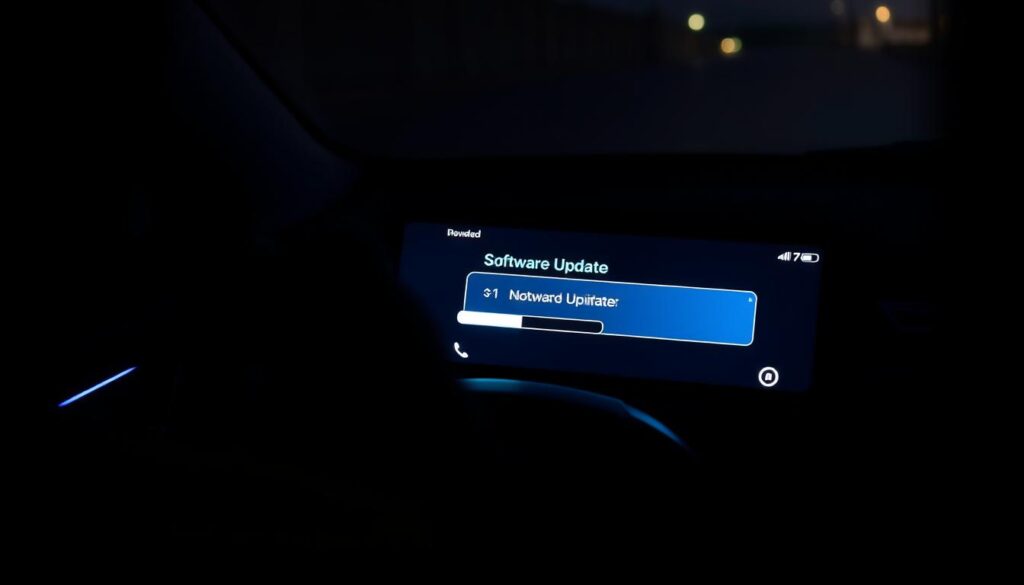
How to Check for Software Updates
Checking for software updates is typically a straightforward process. Most EVs have a dedicated screen or menu within their infotainment system where you can check for updates. The process may vary depending on the manufacturer, but generally, it involves navigating to the ‘Software Update’ or ‘Vehicle Software’ section and following the on-screen instructions.
Regularly checking for and installing software updates is a crucial part of EV maintenance. By keeping your vehicle’s software up to date, you ensure that your EV is running with the latest improvements and enhancements, which can improve its overall performance and longevity.
As the EV landscape continues to evolve, staying informed about and adhering to software updates will become an integral part of ev servicing. By doing so, you’ll not only be maintaining your vehicle’s health but also potentially improving its range, efficiency, and overall driving experience.
Cooling System Care
A well-maintained cooling system is essential for the health and longevity of your electric vehicle’s battery and other components. The cooling system plays a crucial role in regulating the temperature of your EV, preventing overheating, and ensuring optimal performance.
Importance of Your EV’s Cooling System
The cooling system is vital for maintaining the optimal operating temperature of your EV’s battery, electric motor, and other components. Proper cooling ensures that your vehicle operates efficiently, maintains its range, and prolongs the lifespan of its critical components. Neglecting the cooling system can lead to reduced performance, increased risk of component failure, and potentially costly repairs.
- Regulates battery temperature to maintain optimal performance and longevity
- Prevents overheating, which can cause damage to electrical components
- Enhances overall vehicle efficiency and range
Signs of a Cooling System Problem
Being aware of the signs that indicate a cooling system problem can help you address issues before they become major concerns. Common indicators include:
- Overheating warnings on your dashboard
- Leaks or drips under your vehicle, potentially indicating a coolant leak
- Reduced vehicle performance or range, which could be due to inefficient cooling
Regularly checking your EV’s cooling system and addressing any issues promptly is a key aspect of electric car care and ev servicing. By doing so, you can ensure your vehicle continues to operate efficiently and effectively, maintaining its overall health and longevity.
Electric Motor and Drive System Maintenance
To ensure your electric vehicle runs smoothly, understanding the maintenance needs of its motor and drive system is essential. The electric motor and drive system are critical components that require specific care to maintain optimal performance and longevity.
How to Care for the Electric Motor
The electric motor is a vital part of your EV, converting electrical energy into mechanical energy. To keep it in good condition, it’s essential to:
- Keep the motor clean and free from debris
- Monitor its performance for any unusual noises or vibrations
- Avoid extreme temperatures that could affect its efficiency
Regular checks can help identify potential issues early, ensuring your EV continues to operate efficiently.
Common Issues with Drive Systems
Drive systems can sometimes experience issues such as wear and tear on the gears or bearings. Being aware of these potential problems can help you address them before they become major issues.
| Issue | Description | Solution |
|---|---|---|
| Unusual Noises | Grinding or whining sounds from the drive system | Inspect for worn-out parts or misalignment |
| Vibrations | Excessive vibration during operation | Check for imbalance or loose components |
| Reduced Performance | Noticeable decrease in EV’s power or efficiency | Diagnose with a professional, potentially updating software or replacing worn parts |
Regular maintenance is key to preventing these issues and ensuring your EV’s drive system operates smoothly.
By understanding and addressing the needs of your EV’s electric motor and drive system, you can significantly enhance your vehicle’s performance and extend its lifespan. Regular ev maintenance and ev servicing are crucial for optimal operation.
Preparing for Seasonal Changes
Electric vehicles require special attention as the seasons change, including protecting the battery from extreme temperatures and adjusting charging habits. Adapting your maintenance routine is crucial for optimal performance and longevity.
Winter Maintenance Tips
Cold weather can significantly impact your EV’s battery performance and overall efficiency. To maintain your vehicle’s health during winter:
- Keep your EV charged between 20% and 80% if you’re not using it for an extended period.
- Use a charger suitable for cold weather to maintain battery health.
- Avoid extreme cold by parking in a garage or using a car cover.
- Plan your routes to include charging stops, as cold weather can reduce range.
According to a study, “Cold temperatures can reduce the range of an electric vehicle by up to 40%.”
“The impact of cold weather on EV batteries is significant, but with proper care, the effects can be minimized.”
| Winter Tip | Benefit |
|---|---|
| Maintain 20-80% charge | Prolongs battery life |
| Use cold-weather charger | Ensures safe charging |
| Park in a garage | Protects from extreme cold |
Summer Care for Electric Vehicles
High temperatures can also affect your EV’s performance and battery health. To keep your vehicle running smoothly during summer:
- Park in shaded areas or use a sunshade to reduce cabin temperature.
- Check your tire pressure regularly, as it can increase with temperature.
- Avoid rapid charging in high temperatures to prevent battery strain.
- Keep your EV’s software updated to ensure optimal performance.

Regular maintenance and adjustments to your driving habits can significantly enhance your EV’s performance and longevity across different seasons.
Finding a Qualified EV Service Provider
Proper electric car care relies heavily on finding a qualified service provider for EV servicing. A reliable service center can ensure your vehicle remains in top condition, maximizing its lifespan and performance.
Key Qualities to Look for in a Service Center
When searching for an EV service provider, look for centers with experience in handling electric vehicles. Specialized equipment and trained technicians are crucial for accurate diagnoses and effective repairs. Check for reviews and ask for referrals to gauge the service center’s reputation.
Advantages of Specialized Facilities
Specialized EV maintenance facilities offer several benefits, including technicians with in-depth knowledge of electric car care and access to the latest diagnostic tools. These facilities can provide tailored maintenance and repair services, ensuring your EV operates efficiently and safely.
FAQ
How often should I service my electric vehicle?
What are the key components of an electric vehicle that require maintenance?
How can I maintain my EV’s battery health?
Why is tire health important for EVs?
How does regenerative braking work in EVs?
How often should I check for software updates for my EV?
What are the signs of a cooling system problem in my EV?
How can I prepare my EV for seasonal changes?
What should I look for in a qualified EV service provider?
Are there any specific maintenance needs for the electric motor and drive system?