




Williams F1 team principal James Vowles discusses the increased driver mental workload with the new 2026 Formula 1 cars and why teams have six months to adapt before the season starts.
F1 2026 Driver Mental Workload Will Test Drivers Like Never Before
The F1 2026 driver mental workload is set to become one of the most talked-about challenges in motorsport. Williams team principal James Vowles says that while the upcoming regulation changes will significantly increase demands on drivers, there is still time for teams to refine systems and ease the learning curve before the new cars debut.
Biggest Regulation Overhaul in F1 History
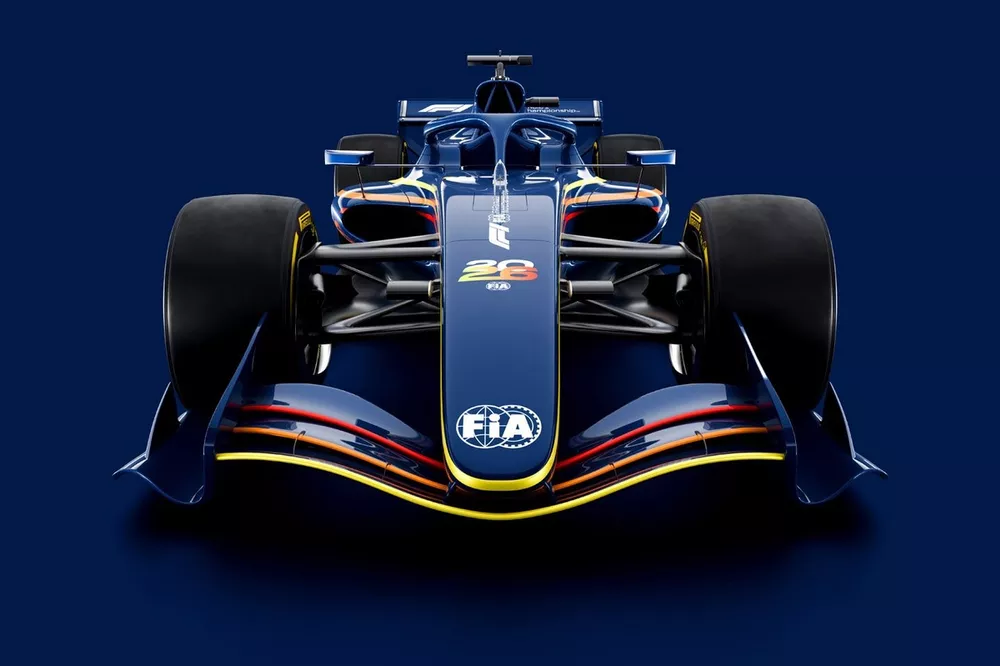
Starting in 2026, Formula 1 will see simultaneous changes to both chassis and power units — a shift widely considered one of the sport’s most dramatic regulation updates. The new rules place greater emphasis on electric power, aiming for a near 50-50 split between electric energy and the internal combustion engine.
This evolution will make energy management a critical performance factor during a lap, requiring drivers to balance speed, battery usage, and recovery more precisely than ever before.
Simulator Feedback Shows High Workload
Early trials in driver-in-the-loop simulators have revealed that the F1 2026 cars not only feel different to drive but also place a far greater mental burden on drivers.
- Charles Leclerc voiced frustration after testing the early simulation model, calling the experience challenging.
- Alex Albon, driving a more refined concept, acknowledged the heavy workload but compared it to Formula E’s strategic energy management — albeit less extreme.
Albon noted:
“Drivers who can manage and understand these demands will have the edge. Simulator work this winter will be critical.”

Vowles Urges Patience and Adaptation
Vowles believes initial panic is premature:
“The first time our simulator drivers tried the 2026 spec, it was tough. By the fourth time, it felt normal. We just need more time and refinement to reduce workload.”
He estimates that teams have six months to improve systems and make them more driver-friendly before winter testing in January.
Overtaking Could Improve, Not Decline
Contrary to concerns, Vowles sees active aerodynamics and the new manual override mode (replacing DRS) as tools that could enhance overtaking:
“You’ll see bigger straight-line speed differences and more strategic racing options. The faster car will have more ways to attack than in 2024.”
What’s Next for F1 2026 Development?
Teams will spend the remainder of 2025 refining energy deployment systems, optimising active aero strategies, and training drivers extensively in simulators to handle the increased mental workload.
If successful, the 2026 season could deliver some of the most strategic and dynamic racing in recent Formula 1 history.