





In 1886, Karl Benz, a German engineer, revolutionized the world with the invention of the first gasoline-powered automobile. This groundbreaking innovation marked the beginning of a new era in transportation and laid the foundation for one of the most renowned automobile brands – Mercedes-Benz.
The significance of Mercedes-Benz in the automotive industry cannot be overstated. With a rich heritage spanning over a century, the brand has been at the forefront of innovation, design, and performance. From its humble beginnings to its current status as a global leader, Mercedes-Benz has consistently pushed the boundaries of what is possible.
Key Takeaways
- The invention of the first gasoline-powered automobile by Karl Benz in 1886.
- The significance of Mercedes-Benz in the automotive industry.
- A rich heritage spanning over a century.
- Innovation, design, and performance driving the brand’s success.
- A global leader in the automotive industry.
The Birth of the Automobile: A Revolutionary Idea
On January 29, 1886, Karl Benz patented the Benz Patent-Motorwagen, a vehicle that would change the world. This invention marked the beginning of a new era in transportation, driven by innovative ideas and engineering prowess.
Early Innovations in Automotive Engineering
Karl Benz’s work was pivotal in the development of the first practical automobile. His innovations included the invention of the gasoline-powered internal combustion engine and the integration of various components into a single, functional vehicle.
The First Successful Gas-Powered Engine
The success of Benz’s gas-powered engine was a crucial milestone. This engine was the first to be designed for practical use in a vehicle, overcoming numerous technical challenges along the way.
| Year | Event | Innovation |
|---|---|---|
| 1886 | Karl Benz patents the Benz Patent-Motorwagen | First practical automobile |
| 1894 | First production automobile | Benz Velo |
| 1901 | Introduction of the Mercedes 35 HP | Modern car design |
The impact of Benz’s invention was profound, paving the way for the evolution of the automobile industry, including the development of the Mercedes brand. The Mercedes evolution is a testament to the innovative spirit that began with Karl Benz.
Rise of the Daimler-Motoren-Gesellschaft
With a shared vision for the future of transportation, Daimler and Maybach founded Daimler-Motoren-Gesellschaft, laying the groundwork for a legendary brand. The company’s early success was rooted in its commitment to innovation and quality.
The story of Daimler-Motoren-Gesellschaft is one of passion and perseverance. Gottlieb Daimler’s relentless pursuit of excellence drove the company forward, while Wilhelm Maybach’s technical genius helped to overcome the complex engineering challenges of the time.
Gottlieb Daimler’s Vision
Gottlieb Daimler, one of the Mercedes founders, played a pivotal role in shaping the company’s early direction. His vision for a high-speed, internal combustion engine became a reality with the development of the revolutionary four-stroke engine.
Daimler’s innovations didn’t stop there. He continued to push the boundaries of automotive engineering, experimenting with various configurations and applications for his engines.
The Role of Wilhelm Maybach
Wilhelm Maybach, Daimler’s trusted partner and chief engineer, was instrumental in turning Daimler’s ideas into reality. Maybach’s exceptional talent for design and engineering helped to refine the company’s products, making them more efficient and reliable.
Together, Daimler and Maybach achieved a series of milestones that contributed to the company’s growth and success. Their collaboration is a testament to the power of innovation and partnership in shaping the Mercedes origin.
| Year | Event | Significance |
|---|---|---|
| 1890 | Founding of Daimler-Motoren-Gesellschaft | Marked the beginning of a new era in automotive history |
| 1892 | Development of the Phönix engine | Improved performance and efficiency |
| 1901 | Introduction of the Mercedes brand | Signaled the rise of a legendary automotive brand |
The Creation of the Mercedes Brand
The creation of the Mercedes brand marked a significant milestone in the history of automotive engineering. This was largely due to the introduction of the 1901 Mercedes 35 HP, a vehicle that would become synonymous with quality and performance.
The 1901 Mercedes 35 HP
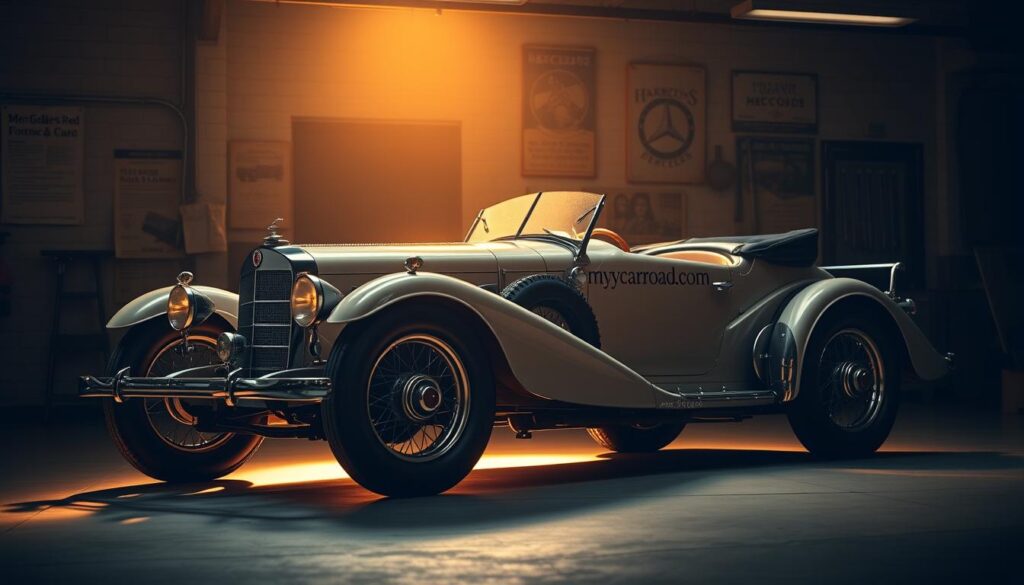
The 1901 Mercedes 35 HP was a groundbreaking car designed by Wilhelm Maybach. It was named after Mercedes Jellinek, the daughter of Emil Jellinek, a prominent businessman and enthusiast of Daimler-Motoren-Gesellschaft’s vehicles.
“The 1901 Mercedes 35 HP was a revolutionary car that set new standards in automotive engineering,” as noted by historians. It featured a powerful engine and an innovative design that would influence car manufacturing for decades to come.
Emil Jellinek’s Influence
Emil Jellinek played a crucial role in the development and promotion of the Mercedes brand. His enthusiasm for Daimler-Motoren-Gesellschaft’s vehicles and his business acumen helped to establish the brand’s reputation globally.
- He was instrumental in the design and development of the 1901 Mercedes 35 HP.
- Jellinek’s orders for the vehicle helped to boost production and sales.
- His influence extended beyond sales; he was a key figure in promoting the Mercedes brand.
As we look at the Mercedes timeline, it’s clear that the creation of the Mercedes brand was a pivotal moment in the history of Mercedes cars. The brand’s commitment to innovation and performance has continued to evolve, shaping the automotive industry in profound ways.
The Merger That Changed Everything: Daimler-Benz Formation
Uniting two of Germany’s most innovative automotive companies, the merger of Daimler-Motoren-Gesellschaft and Benz & Cie. created Daimler-Benz in 1926, marking a significant milestone in the Mercedes evolution.
The backdrop for this merger was complex, with the global economy and political landscape undergoing significant changes. World War I had a profound impact on the automotive industry, driving innovation but also presenting numerous challenges.
The Impact of World War I
World War I accelerated the development of automotive technology as manufacturers adapted their production lines to support the war effort. Daimler-Motoren-Gesellschaft and Benz & Cie. both contributed significantly to the war by producing vehicles, aircraft engines, and other military equipment.
- Innovations in engine technology
- Advancements in vehicle design for military use
- Expansion of manufacturing capabilities
These developments not only supported the war effort but also laid the groundwork for future innovations in the automotive industry.
Strategic Synergies Between Brands
The merger between Daimler-Motoren-Gesellschaft and Benz & Cie. was driven by the potential for strategic synergies. By combining their resources, expertise, and product lines, the newly formed Daimler-Benz aimed to enhance its competitive position in the global market.
The integration of the two companies allowed for:
- Streamlining of production processes
- Sharing of technological advancements
- Expansion into new markets
This strategic move was crucial in shaping the future of Daimler-Benz, contributing to its heritage as a leader in the automotive industry.
The formation of Daimler-Benz marked the beginning of a new era in the automotive industry, characterized by increased innovation, efficiency, and a commitment to excellence. This legacy continues to influence the company’s direction and Mercedes evolution to this day.
Iconic Models Through the Decades
Mercedes-Benz’s rich heritage is dotted with iconic models that have not only reflected the spirit of their times but have also set new benchmarks in the automotive world. Exploring the history of Mercedes cars reveals a timeline of innovation and excellence.
The 1930s were a transformative period for Mercedes-Benz, marked by the introduction of the 500K, a vehicle that epitomized luxury and performance.
The Mercedes-Benz 500K: 1930s Luxury
The Mercedes-Benz 500K was a masterpiece of its era, boasting a powerful engine and sleek design. It was one of the first cars to combine elegance with a robust performance capability, making it a favorite among the elite.
Following World War II, Mercedes-Benz continued its legacy of producing extraordinary vehicles, with the 300 SL Gullwing being a standout model.
The Post-War 300 SL Gullwing
Introduced in the 1950s, the 300 SL Gullwing was not only a marvel of engineering but also a work of art, with its distinctive gull-wing doors and sleek, aerodynamic design. It became an instant icon, symbolizing the resurgence of automotive innovation in the post-war era.
Both the 500K and the 300 SL Gullwing are significant milestones in the Mercedes timeline, showcasing the brand’s commitment to pushing the boundaries of what is possible in automotive design and engineering.
Innovation and Performance: A Commitment to Engineering
Engineering excellence has been at the heart of Mercedes-Benz’s success, from pioneering diesel technology to enhancing safety features. This commitment to innovation has driven the company’s evolution over the years.
The introduction of diesel technology marked a significant milestone in Mercedes-Benz’s history. Diesel engines offered improved fuel efficiency and performance, making them a popular choice among consumers. The first diesel engine was introduced by Mercedes-Benz in the early 20th century, and it paved the way for future innovations in diesel technology.
Introduction of Diesel Technology
The development of diesel engines was a crucial step in the evolution of Mercedes-Benz. The company’s engineers worked tirelessly to improve the performance and efficiency of diesel engines, leading to significant advancements in the field.
One of the key benefits of diesel technology is its ability to provide improved fuel efficiency without compromising on performance. This has made diesel engines a popular choice for long-distance driving and heavy-duty applications.
Advances in Safety Features
In addition to diesel technology, Mercedes-Benz has also made significant advancements in safety features. The company has been at the forefront of developing innovative safety technologies, including collision avoidance systems and advanced airbag systems.
These safety features have played a crucial role in reducing the risk of accidents and protecting occupants. Mercedes-Benz continues to invest in research and development to further enhance safety features in its vehicles.
The commitment to engineering excellence has enabled Mercedes-Benz to stay ahead of the curve in the automotive industry. By continuously innovating and improving its technologies, the company has established itself as a leader in the field.
Mercedes-Benz in Motorsports
With a legacy that spans decades, Mercedes-Benz has established itself as a formidable force in motorsports. The company’s involvement in racing has not only driven its engineering innovations but also significantly contributed to its brand identity.
Dominance in Formula 1 Racing
Mercedes-Benz’s journey in Formula 1 has been nothing short of spectacular. Since its return to the sport in 2010, the team has achieved unprecedented success, including multiple Constructors’ Championships. The innovative design and engineering prowess of Mercedes-Benz have been key factors in its dominance.
- Multiple Constructors’ Championships
- Numerous Drivers’ Championships
- Innovative car designs that have set new standards in F1
The Le Mans 24-Hour Challenge
Mercedes-Benz has also made a significant impact at the Le Mans 24-Hour race, a test of endurance and engineering excellence. The company’s participation in this prestigious event has led to several victories, further cementing its reputation in the motorsports world.
- Multiple Le Mans victories showcasing the durability and performance of Mercedes-Benz vehicles
- Innovative technology that has been transferred from the track to production cars
The legacy of Mercedes-Benz in motorsports is a testament to the company’s commitment to innovation and performance, values that are deeply rooted in its history and the vision of its founder.
The Modern Era: Embracing Sustainability
The automotive landscape is undergoing a significant transformation, and Mercedes-Benz is leading the charge. As the industry moves towards a more sustainable future, Mercedes-Benz is investing heavily in innovative technologies to reduce its environmental footprint.
One of the key areas of focus for Mercedes-Benz is electric vehicle development. The company is committed to expanding its electric vehicle lineup, offering a range of models that combine performance, luxury, and sustainability. This shift towards electric mobility is a crucial step in Mercedes-Benz’s evolution, reflecting its commitment to adapting to changing consumer demands and environmental regulations.
Electric Vehicle Development
Mercedes-Benz’s electric vehicle strategy includes the development of dedicated electric platforms, enabling the company to produce a wide range of electric models. From compact urban vehicles to luxury sedans and SUVs, Mercedes-Benz is working to ensure that its electric vehicles meet the high standards of quality and performance that the brand is known for.
The introduction of electric vehicles is not only a response to regulatory pressures but also a reflection of the brand’s commitment to innovation and customer satisfaction. By offering a diverse range of electric models, Mercedes-Benz aims to make electric mobility more accessible to a wider audience.
Hybrid Technology Innovations
In addition to electric vehicles, Mercedes-Benz is also advancing hybrid technology. Hybrid models combine the benefits of electric and gasoline engines, offering improved fuel efficiency and reduced emissions. Mercedes-Benz’s hybrid technology innovations are designed to provide drivers with a more sustainable driving experience without compromising on performance.
The company’s approach to hybrid technology involves sophisticated engineering that optimizes the interaction between the electric motor and the combustion engine. This results in vehicles that are not only more environmentally friendly but also offer a compelling driving experience.
As Mercedes-Benz continues to evolve, its commitment to sustainability through electric vehicle development and hybrid technology innovations positions the brand at the forefront of the automotive industry’s transition towards a more environmentally friendly future.
Design Philosophy: Blending Form and Function
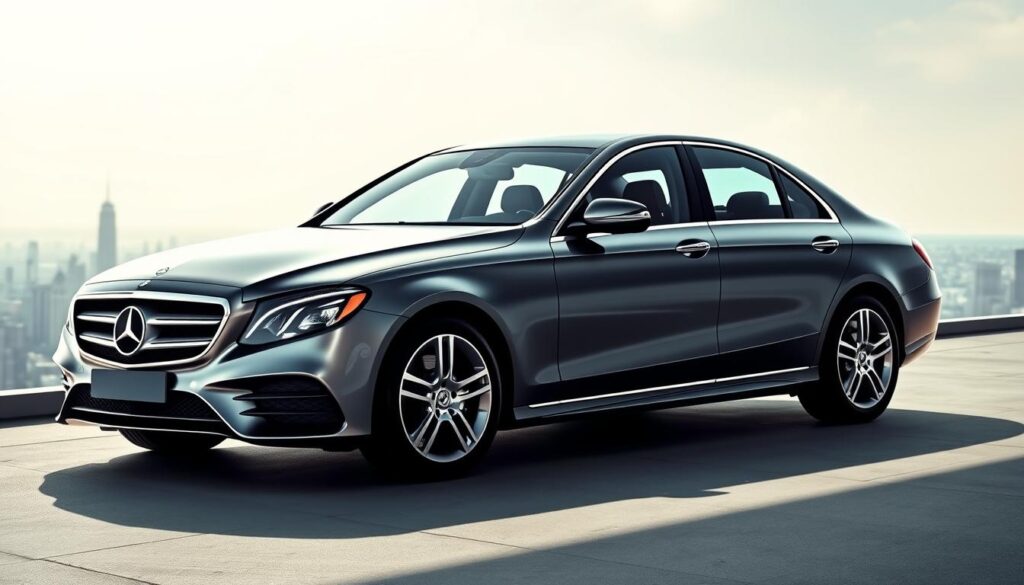
Mercedes-Benz’s approach to design has always been centered around creating a harmonious balance between visual appeal and functional performance. This philosophy has guided the company’s designers and engineers in crafting vehicles that are not only aesthetically pleasing but also technologically advanced and safe.
The Role of Aesthetics in Engineering
The aesthetic appeal of a Mercedes-Benz vehicle is not merely superficial; it is deeply intertwined with the engineering that goes into its making. Designers work closely with engineers to ensure that every curve, line, and feature not only looks appealing but also serves a functional purpose. For instance, the aerodynamic design of Mercedes-Benz cars is not just about reducing drag; it’s also about creating a visually sleek and powerful appearance.
Aerodynamics and Design: The airflow around a vehicle is carefully managed to improve its aerodynamics, which in turn enhances its performance and fuel efficiency. This is achieved through the use of air dams, spoilers, and carefully shaped body panels. The result is a vehicle that is both visually stunning and aerodynamically efficient.
Notable Designers Throughout History
Over the years, Mercedes-Benz has been fortunate to have had some highly talented designers who have left their mark on the company’s design language. One such notable designer is Bruno Sacco, who is credited with designing the iconic Mercedes-Benz S-Class. His designs have been influential in shaping the company’s aesthetic identity.
| Designer | Notable Designs | Years Active |
|---|---|---|
| Bruno Sacco | Mercedes-Benz S-Class | 1958-1999 |
| Gorden Wagener | Mercedes-Benz CLA, Mercedes-Benz GLE | 1999-Present |
| Robert Lešnik | Mercedes-Benz C-Class, Mercedes-Benz E-Class | 1990-2010 |
The legacy of these designers continues to influence Mercedes-Benz’s design philosophy, ensuring that the company’s vehicles remain at the forefront of automotive design. As the automotive industry evolves, Mercedes-Benz is poised to continue blending form and function in innovative ways, reflecting its rich heritage and commitment to excellence.
Global Expansion and Market Strategies
Mercedes-Benz’s global footprint expanded significantly over the years, with the company tailoring its approach to suit local markets and consumer preferences. This strategic adaptation has been crucial in establishing Mercedes-Benz as a leading luxury automotive brand worldwide.
Introduction of Mercedes-Benz in the U.S.
The introduction of Mercedes-Benz in the U.S. market marked a significant milestone in the company’s global expansion efforts. The U.S. became a critical market for Mercedes-Benz, with the brand focusing on delivering high-performance, luxury vehicles that met the unique demands of American consumers.
Key strategies included:
- Establishing a robust distribution network to ensure widespread availability of Mercedes-Benz vehicles.
- Tailoring marketing campaigns to resonate with American consumers, highlighting the brand’s heritage and the performance capabilities of its vehicles.
- Introducing models that catered specifically to the U.S. market, such as larger, more powerful vehicles.
Adapting to Local Markets
Adapting to local markets has been a cornerstone of Mercedes-Benz’s global strategy. The company has demonstrated an ability to understand and cater to the diverse needs of consumers across different regions.
Regional adaptations have included modifying vehicle specifications to comply with local regulations, offering region-specific models, and engaging in targeted marketing initiatives that resonate with local cultures.
For instance, in the U.S., Mercedes-Benz has focused on producing larger vehicles with powerful engines, while in Europe, the emphasis has been on more fuel-efficient and environmentally friendly models. This adaptability has enabled Mercedes-Benz to maintain its competitive edge in various markets.
Future Directions: What Lies Ahead for Mercedes-Benz
As Mercedes-Benz continues its legacy of innovation, the company is poised to shape the future of the automotive industry. With a rich history and a strong foundation in Mercedes heritage, the brand is embracing emerging technologies to drive its Mercedes evolution forward.
Advancements in Automotive Technology
The future of Mercedes-Benz is closely tied to its ability to innovate and adapt to changing consumer needs. Emerging technologies such as artificial intelligence, autonomous driving, and connectivity are set to play a significant role in the company’s future plans.
Electrifying the Future
Mercedes-Benz has made a significant commitment to electric mobility, with plans to expand its range of electric vehicles. This shift towards electric mobility is a key aspect of the company’s Mercedes evolution, as it seeks to reduce its environmental impact while maintaining its position at the forefront of the automotive industry.
FAQ
Who is credited with the invention of the first practical automobile?
What is the significance of the 1901 Mercedes 35 HP?
What was the impact of World War I on the Daimler-Motoren-Gesellschaft?
What are some of the iconic models produced by Mercedes-Benz?
How has Mercedes-Benz contributed to automotive innovation?
What is Mercedes-Benz’s history in motorsports?
How is Mercedes-Benz embracing sustainability?
Who are some notable designers in Mercedes-Benz’s history?
How has Mercedes-Benz expanded globally?
What are the future directions for Mercedes-Benz?