
In the 1930s, Germany was on the cusp of change, and it was during this time that the concept of the “People’s Car” was born, laying the foundation for what would become one of the world’s most recognized automotive brands. The idea was simple yet revolutionary: to create a reliable, affordable vehicle for the average citizen.
This vision, spearheaded by the German government and later developed by the Allies post-war, eventually led to the establishment of Volkswagen as we know it today. The company’s journey is a testament to innovation, perseverance, and the ability to adapt to changing times, transforming Volkswagen into a global leader in the automotive industry.
Key Takeaways
- The concept of the “People’s Car” was initiated in the 1930s.
- Volkswagen was officially established after World War II.
- The brand has evolved into a global automotive leader.
- Innovation and adaptability have been key to Volkswagen’s success.
- Volkswagen’s history is a story of transformation and perseverance.
The Birth of Volkswagen: The People’s Car Concept
In the 1930s, the German government initiated a project to create a ‘People’s Car,’ which would eventually become the Volkswagen we know today. This project was revolutionary, aiming to make car ownership accessible to the average citizen.
The concept was not only about creating an affordable vehicle but also about transforming the automotive industry.
The Vision of Ferdinand Porsche
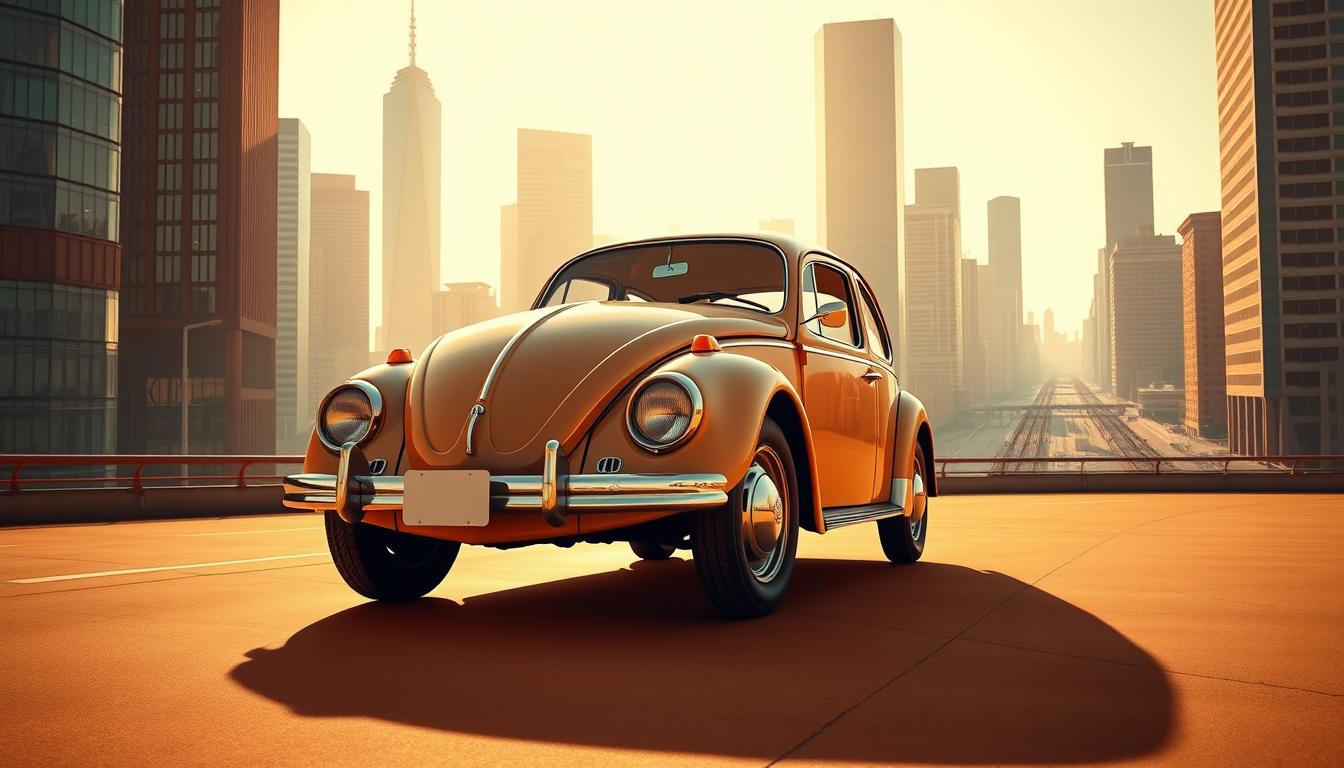
Ferdinand Porsche was instrumental in designing the first Volkswagen, known as the Beetle. His vision for a people’s car included a rear-engine, rear-wheel-drive design that was both innovative and practical.
Porsche’s design was influenced by the need for a simple, durable, and affordable vehicle.
Adolf Hitler’s Role in Volkswagen’s Foundation
Adolf Hitler’s influence on the foundation of Volkswagen was significant, as the project was backed by the Nazi government. The “People’s Car” project was part of Hitler’s broader initiative to boost the German economy and improve infrastructure.
The project was also seen as a way to promote motoring among the German people.
Some key features of the original Volkswagen design included:
- Air-cooled engine
- Rear-engine design
- Simple, durable construction
The combination of these features made the Volkswagen Beetle an iconic and enduring symbol of automotive design.
1945-1955: Post-War Challenges and Resurgence
The period following World War II was a challenging yet transformative time for Volkswagen. As the company navigated the complexities of post-war Germany, it faced significant hurdles, including rebuilding its factory and rebranding itself in a new global landscape.
Rebuilding the Factory
After 1945, Volkswagen’s factory in Wolfsburg was not only physically damaged but also faced the challenge of being under British control. The British Army’s Major Ivan Hirst played a crucial role in restarting production. The factory’s revival was a testament to the resilience of Volkswagen.
The process of rebuilding involved several key steps:
- Assessing and repairing the damage to the factory infrastructure
- Reorganizing production lines to adapt to new circumstances
- Training a new workforce to meet the demands of vehicle production
The Iconic Beetle: A Symbol of Hope
The Beetle, originally designed as the people’s car in the 1930s, became an unlikely symbol of hope and recovery in post-war Germany. Its production resumed in 1945, and it quickly gained popularity not just in Germany but worldwide. The Beetle’s impact on Volkswagen’s resurgence cannot be overstated.
Some of the factors that contributed to the Beetle’s success include:
- Its affordability and reliability, making it accessible to the average consumer
- The innovative design that stood out in the post-war automotive market
- The strategic marketing efforts that positioned the Beetle as a symbol of German recovery
By the early 1950s, the Beetle had become a staple of Volkswagen’s production, helping the company to not only survive but thrive in the post-war era. This period was crucial in establishing Volkswagen’s place in the global automotive industry, setting the stage for its future growth and success.
The 1960s: Expansion and Global Reach
As Volkswagen navigated the 1960s, the company embarked on a journey of significant growth, entering the American market and beyond. This decade was crucial for Volkswagen’s evolution, as it not only expanded its global footprint but also diversified its product offerings.
The American market presented a significant opportunity for Volkswagen. To capitalize on this, the company launched targeted marketing campaigns that highlighted the unique features and reliability of its vehicles, particularly the Beetle. Volkswagen’s entry into the American market was a strategic move that contributed to its global expansion.
Entering the American Market
Volkswagen’s foray into the American market was marked by innovative marketing strategies. The company focused on the durability and affordability of its cars, which resonated with American consumers. The Beetle, in particular, became an icon of the counterculture movement, further boosting its appeal.
The success in the American market was not accidental; it was the result of meticulous planning and market research. Volkswagen tailored its products to meet the needs and preferences of American consumers, thereby establishing a strong foothold in the region.

The Creation of New Models
Alongside its expansion into new markets, Volkswagen also focused on diversifying its product lineup. The introduction of new models such as the Type 3 and Type 4 complemented the Beetle, offering consumers a wider range of choices. These new models incorporated advanced features and designs, further enhancing Volkswagen’s reputation for innovation.
The creation of new models was a strategic response to changing consumer preferences and market trends. By expanding its product range, Volkswagen was able to cater to different segments of the market, thereby increasing its market share and reinforcing its position as a leading automotive brand.
The 1960s were a transformative period for Volkswagen, marking its transition from a regional brand to a global automotive leader. The evolution of Volkswagen during this decade laid the groundwork for its future success and global presence.
The 1970s: Innovation and Environmental Awareness
The 1970s were a transformative decade for Volkswagen, characterized by the launch of new models and a shift towards environmental sustainability. As concerns about the environment grew, Volkswagen began to adapt its manufacturing processes and product lineup to be more eco-friendly.
Introduction of the Golf
The introduction of the Golf model was a significant Volkswagen milestone. Replacing the iconic Beetle, the Golf became a popular choice among consumers and helped Volkswagen continue its growth trajectory. The Golf was not only a commercial success but also a testament to Volkswagen’s commitment to innovation.
The Golf’s impact on the market was substantial, offering a more modern and efficient alternative to the Beetle. Its success paved the way for future models and reinforced Volkswagen’s position in the global automotive market.
Early Steps Towards Sustainability
In the 1970s, Volkswagen started taking early steps towards sustainability. The company recognized the importance of reducing its environmental footprint and began implementing more eco-friendly practices in its manufacturing processes.
| Year | Initiative | Impact |
|---|---|---|
| 1971 | Introduction of emission-reducing technologies | Reduced environmental impact |
| 1974 | Launch of recycling programs for scrap vehicles | Increased recycling rates |
| 1978 | Implementation of energy-efficient manufacturing processes | Lowered energy consumption |
These initiatives marked the beginning of Volkswagen’s journey towards becoming a more sustainable and environmentally responsible company. The steps taken in the 1970s laid the groundwork for future innovations and environmental stewardship.
The 1980s: A Decade of Diversification
The 1980s were a transformative period for Volkswagen, marked by key acquisitions and a foray into the luxury vehicle segment. This decade was crucial for Volkswagen’s legacy, as it marked a period of significant growth and expansion.
New Brands and Acquisitions
During the 1980s, Volkswagen made strategic acquisitions to diversify its portfolio. One notable acquisition was that of SEAT, S.A. in 1986, a Spanish car manufacturer. This move not only expanded Volkswagen’s market reach but also enhanced its presence in Europe.
Volkswagen also explored other brands, strengthening its global position in the automotive industry. The company’s ability to integrate new brands into its portfolio demonstrated its commitment to growth and diversification.
The Appeal of Luxury Vehicles
In the 1980s, Volkswagen began to explore the luxury vehicle market, recognizing the potential for growth in this segment. By introducing models with premium features, Volkswagen aimed to appeal to a more affluent customer base.
As Martin Winterkorn, a former CEO of Volkswagen, once noted, “The key to our success lies in our ability to innovate and adapt to changing market conditions.” This forward-thinking approach enabled Volkswagen to establish a foothold in the luxury vehicle market.
“The future of the automotive industry lies in its ability to innovate and embrace new technologies.”
By diversifying its portfolio and exploring new markets, Volkswagen not only enhanced its brand but also contributed significantly to its legacy. The company’s strategic decisions during the 1980s laid the groundwork for its future success.
The 1990s: Technological Advances
As the automotive industry evolved in the 1990s, Volkswagen responded with cutting-edge technological advancements. This decade was pivotal for the company, marking significant strides in innovation and global market expansion.
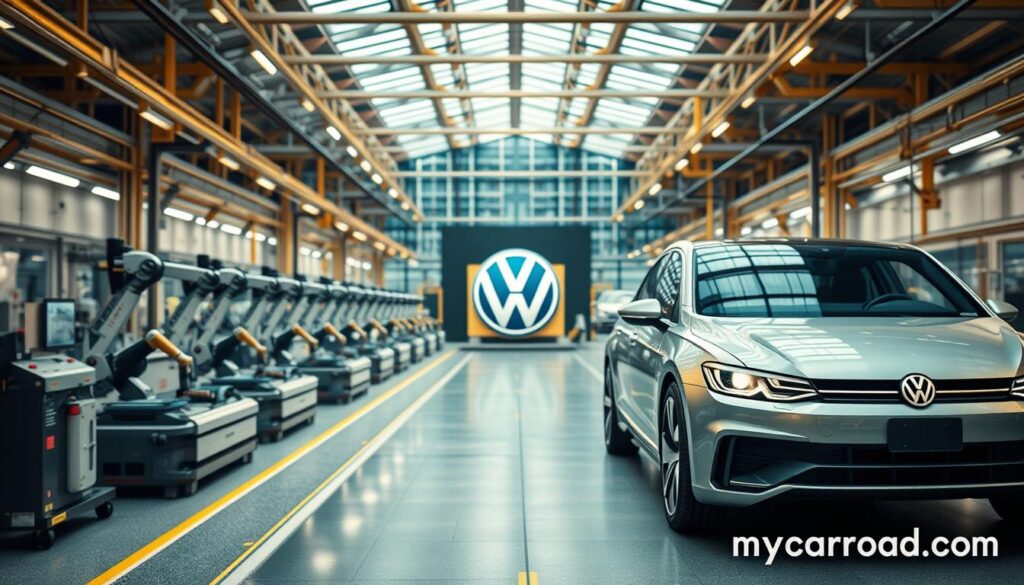
Introduction of Diesel Engines
One of the key technological advancements Volkswagen made in the 1990s was the introduction and refinement of diesel engines. These engines offered improved fuel efficiency and performance, catering to the growing demand for more economical and environmentally friendly vehicles. The direct injection technology implemented in these engines significantly reduced emissions and enhanced engine efficiency.
The development of diesel engines was a strategic move by Volkswagen to diversify its engine offerings and appeal to a broader market. The success of these engines contributed to Volkswagen’s reputation for producing reliable and efficient vehicles.
Global Strategy and Market Penetration
Alongside technological advancements, Volkswagen pursued an aggressive global strategy in the 1990s, focusing on market penetration and expansion. The company established new manufacturing facilities and partnerships in various regions, enhancing its global presence. This strategic expansion enabled Volkswagen to tap into emerging markets and strengthen its position in existing ones.
Volkswagen’s global strategy also involved adapting its products to meet local market needs, thereby increasing its appeal to a diverse customer base. The company’s efforts in the 1990s laid the groundwork for its future growth and success in the global automotive market.
By combining technological innovation with a robust global strategy, Volkswagen was able to navigate the challenges of the 1990s and emerge as a stronger, more competitive automaker. The decade’s advancements and strategic decisions played a crucial role in shaping Volkswagen’s future trajectory.
The 2000s: Challenges and Reform
The dawn of the 21st century brought new challenges for Volkswagen, testing its resilience and adaptability. As the automotive industry continued to evolve, Volkswagen faced significant hurdles that would shape its future.
Emissions Scandal Impact
The most significant challenge Volkswagen faced in the 2000s was the emissions scandal, which came to light in 2015 but had its roots in the previous decade. The company’s emissions practices were scrutinized, leading to widespread criticism and legal repercussions. This scandal had a profound impact on Volkswagen’s reputation and financial standing.
Volkswagen’s emissions scandal was a wake-up call, highlighting the need for stricter regulatory compliance and more transparent practices within the automotive industry. The company’s handling of the crisis was closely watched by consumers, regulators, and competitors alike.
Steps Towards Recovery and Innovation
In response to the emissions scandal, Volkswagen embarked on a path of recovery and innovation. The company invested heavily in clean technology and began to shift its focus towards more sustainable and environmentally friendly vehicles.
Volkswagen’s efforts to recover from the scandal involved not only addressing the immediate issues but also looking towards the future. The company started to explore new technologies and strategies to reduce its environmental footprint and comply with increasingly stringent regulations.
Some of the key steps included:
- Investing in electric vehicle technology
- Enhancing emissions testing procedures
- Improving transparency and corporate governance
By taking these steps, Volkswagen demonstrated its commitment to regaining the trust of its customers and stakeholders. The company’s journey through the 2000s was marked by challenges, but it also laid the groundwork for future innovation and growth.
The 2010s: Shifting Focus to EVs
The 2010s were a transformative decade for Volkswagen, driven by its commitment to embracing electric mobility. As the automotive industry began to shift towards more sustainable options, Volkswagen responded by prioritizing the development of electric vehicles (EVs).
Embracing Electric Mobility
Volkswagen’s journey into electric mobility was marked by significant investments in EV technology. The company recognized the importance of reducing its carbon footprint and meeting the growing demand for environmentally friendly vehicles. By investing heavily in research and development, Volkswagen was able to accelerate its transition towards electric mobility.
The introduction of new EV models was a key aspect of Volkswagen’s strategy. Models like the Volkswagen ID.4 represented a significant step forward in terms of design, performance, and sustainability. These vehicles not only appealed to environmentally conscious consumers but also showcased Volkswagen’s commitment to innovation.
Key Partnerships and Collaborations
To further advance its EV initiatives, Volkswagen engaged in key partnerships and collaborations. By working with other industry leaders and technology companies, Volkswagen was able to leverage expertise and resources to enhance its EV offerings. These partnerships played a crucial role in accelerating the development and adoption of electric vehicles.
One notable collaboration was with Argo AI, a company specializing in autonomous driving technology. Although the deal was ultimately discontinued, it highlighted Volkswagen’s willingness to explore new technologies and strategies to stay ahead in the EV market.
As Volkswagen continued to navigate the challenges and opportunities presented by the shift to electric mobility, its efforts in the 2010s laid the groundwork for future success. The company’s commitment to sustainable mobility solutions positioned it as a leader in the evolving automotive landscape.
Volkswagen Today: A Global Automotive Leader
Volkswagen’s status as a global automotive leader is underscored by its diverse portfolio of brands, commitment to innovation, and focus on future mobility solutions. The company’s evolution over the years has been marked by significant milestones, from its humble beginnings as the “people’s car” to its current position as a leader in the automotive industry.
Market Position and Competitors
Volkswagen operates in a highly competitive market, with key players like Toyota, General Motors, and Hyundai/Kia. Despite the competition, Volkswagen has maintained a strong market position through its commitment to quality, innovation, and customer satisfaction. The company’s diverse brand portfolio, including Audi, SEAT, and ŠKODA, further enhances its market presence.
Future Goals and Developments
Looking ahead, Volkswagen is focused on achieving several key goals, including the electrification of its vehicle lineup and advancements in autonomous driving technology. The company is investing heavily in research and development to stay ahead of the curve and meet the changing demands of the global market. Volkswagen’s commitment to sustainability and reducing its environmental footprint is also a key aspect of its future strategy.
As Volkswagen continues on its path of innovation and growth, it remains committed to delivering high-quality products and services that meet the evolving needs of its customers. With a strong foundation and a clear vision for the future, Volkswagen is poised to remain a leader in the global automotive industry for years to come.
Conclusion: The Ongoing Legacy of Volkswagen
Volkswagen’s journey from the “People’s Car” to a global automotive leader is a testament to its legacy of innovation and adaptation. Throughout its history, Volkswagen has left an indelible mark on the automotive industry.
Industry Impact
The company’s historical highlights, including the introduction of the iconic Beetle and the Golf, have significantly influenced the industry. Volkswagen’s commitment to sustainability and technological advancements has also raised the bar for automotive manufacturers worldwide.
Future Vision
As Volkswagen continues to evolve, its focus on electric mobility and innovative technologies is set to shape the future of the automotive industry. With a strong legacy and a clear vision, Volkswagen is poised to remain a leader in the global automotive market, driving progress and sustainability.
FAQ
When was Volkswagen founded?
What was the original purpose of Volkswagen?
Who designed the first Volkswagen?
What role did Adolf Hitler play in Volkswagen’s foundation?
What challenges did Volkswagen face after World War II?
How did the Beetle become a symbol of hope in post-war Germany?
When did Volkswagen enter the American market?
What significant models were introduced by Volkswagen in the 1970s?
How has Volkswagen contributed to environmental awareness?
What is Volkswagen’s current focus in terms of electric vehicles?
What are Volkswagen’s future goals?