




A GPS tracker is revolutionizing the way we manage and monitor vehicles. With the advancement in GPS technology, a car tracking system has become an indispensable tool for fleet managers and vehicle owners alike.
These systems utilize GPS to provide real-time location data, enabling users to keep tabs on their vehicles’ whereabouts at all times. This not only enhances security but also improves logistical efficiency and reduces operational costs.
The increasing popularity of car tracking systems underscores their utility and the benefits they offer. As we explore further, it becomes clear why integrating such a system could be a prudent decision for many.
Key Takeaways
- GPS technology is at the heart of car tracking systems.
- These systems offer real-time vehicle location tracking.
- They enhance vehicle security and logistical efficiency.
- Car tracking systems are becoming increasingly popular among fleet managers.
- They can lead to reduced operational costs.
What is a Car Tracking System?
Car tracking systems are sophisticated devices designed to track and monitor vehicles, providing real-time data on their location and status. These systems have become increasingly popular among vehicle owners and fleet managers due to their ability to enhance security, improve management, and reduce operational costs.
Definition and Purpose
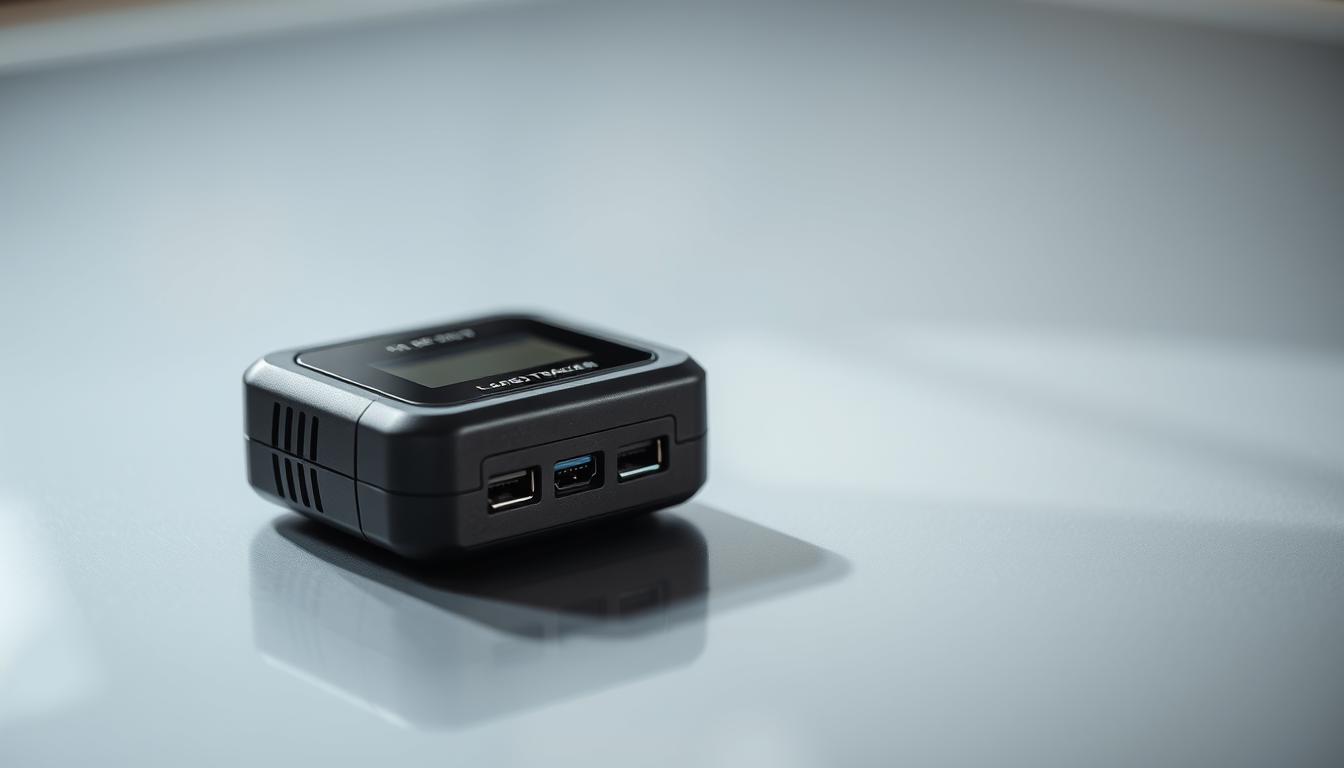
A car tracking system, also known as a gps tracker or vehicle tracking device, is a device installed in a vehicle to monitor its location, speed, and other parameters. The primary purpose of these systems is to provide vehicle owners and managers with accurate and up-to-date information about their vehicles’ whereabouts and status.
The use of car tracking systems has seen a significant rise due to their effectiveness in preventing theft, improving driver behavior, and optimizing fleet operations. According to recent data, the global vehicle tracking market is expected to grow substantially, driven by the increasing demand for advanced vehicle management solutions.
How It Differs from GPS and Navigation
While GPS navigation systems are designed to provide directions and guide drivers to their destinations, car tracking systems focus on monitoring the vehicle’s location and other vital parameters. GPS navigation is primarily used for route guidance, whereas car tracking systems are used for vehicle tracking, security, and management.
One of the key differences between GPS navigation and car tracking systems is their purpose. GPS navigation systems are designed to assist drivers in reaching their destinations, whereas car tracking systems are used to monitor and manage vehicles, often for security, logistics, or fleet management purposes.
| Feature | GPS Navigation | Car Tracking System |
|---|---|---|
| Purpose | Provides route guidance | Monitors vehicle location and status |
| Primary Use | Assists drivers in navigation | Used for vehicle security and management |
| Real-time Data | Provides real-time traffic updates | Offers real-time location tracking |
Types of Car Tracking Systems
There are several types of car tracking systems available, each with its unique features and benefits. The most common types include:
- Passive Tracking Systems: These systems store data on the vehicle’s movements, which can be retrieved later for analysis.
- Active Tracking Systems: These systems transmit real-time data on the vehicle’s location and status to a central server or user device.
- Hybrid Tracking Systems: These systems combine the features of both passive and active tracking systems, offering flexibility and comprehensive tracking capabilities.
Understanding the different types of car tracking systems is crucial for selecting the most appropriate solution for your needs. Whether you’re a personal vehicle owner or manage a large fleet, there’s a car tracking system designed to meet your requirements.
Key Components of a Car Tracking System
The effectiveness of a car tracking system depends on its core components, which include a GPS receiver, data transmission technology, and a software application. These elements work together seamlessly to provide accurate and real-time vehicle tracking.
GPS Receiver
A GPS receiver is a critical component of a car tracking system, responsible for capturing the vehicle’s location, speed, and direction. It uses signals from a network of satellites orbiting the Earth to determine the vehicle’s precise location.
Data Transmission Technology
Data transmission technology is another vital component that enables the car tracking system to send the collected data to a central server or cloud storage. This is typically done using cellular networks (like 4G or LTE) or satellite communication.
Software Application
The software application is where the data collected by the GPS receiver and transmitted via the data transmission technology is processed and analyzed. This application provides users with a user-friendly interface to track their vehicles, receive alerts, and analyze historical data.
| Component | Function |
|---|---|
| GPS Receiver | Captures vehicle location, speed, and direction |
| Data Transmission Technology | Sends collected data to central server or cloud storage |
| Software Application | Processes and analyzes data, provides user interface |
Understanding these key components is essential for appreciating how a car tracking system can enhance vehicle security, improve fleet management, and provide valuable insights into driver behavior.
How Car Tracking Systems Work
Car tracking systems have revolutionized the way we monitor and manage vehicles, providing a wealth of information at our fingertips. These systems utilize a combination of technologies to provide real-time location tracking, data collection and analysis, and alerts and notifications.
Real-Time Location Tracking
One of the primary functions of a car tracking system is its ability to provide real-time location tracking. This is achieved through a network of GPS satellites that communicate with a GPS receiver installed in the vehicle. The receiver determines the vehicle’s location, speed, and direction, transmitting this information to a central server. Fleet managers and vehicle owners can then access this information through a software application, allowing them to track their vehicles’ movements in real-time.
Data Collection and Analysis
Car tracking systems are not just limited to location tracking; they also collect a vast amount of data on vehicle performance, driver behavior, and other metrics. This data is then analyzed to provide insights into how vehicles are being used, helping to identify areas for improvement. For instance, data analysis can reveal patterns of inefficient driving, such as excessive idling or speeding, allowing fleet managers to take corrective action.
“The use of GPS tracking devices has been shown to reduce fuel consumption by up to 15% through improved route optimization and reduced idling.”
Alerts and Notifications
Another key feature of car tracking systems is their ability to send alerts and notifications. These can be triggered by a variety of events, such as when a vehicle enters or leaves a designated area (geofencing), when a vehicle is driven outside of working hours, or when a vehicle is involved in an accident. These alerts enable fleet managers to respond quickly to incidents, improving response times and reducing potential risks.
| Feature | Description | Benefit |
|---|---|---|
| Real-Time Tracking | Tracks vehicle location in real-time | Improved fleet management |
| Data Analysis | Analyzes vehicle performance and driver behavior | Enhanced operational efficiency |
| Alerts and Notifications | Sends alerts for specific events | Quick response to incidents |
Benefits of Using a Car Tracking System
Vehicle owners are turning to car tracking systems to improve security, efficiency, and overall management. The advantages of using such a system are multifaceted, catering to different needs whether you’re a personal car owner or manage a fleet of vehicles.
Improved Vehicle Security
One of the primary benefits of a car tracking system is the enhancement of vehicle security. With real-time location tracking, the risk of theft is significantly reduced. In the event of theft, the system enables swift recovery of the stolen vehicle. Many insurance companies offer discounts on premiums for vehicles equipped with tracking devices, acknowledging their effectiveness in crime prevention.

Enhanced Fleet Management
For businesses that rely on a fleet of vehicles, a car tracking system is indispensable. It allows for efficient route planning, monitoring of vehicle performance, and optimization of delivery schedules. By analyzing data collected from the tracking system, fleet managers can identify areas for improvement, reduce operational costs, and increase productivity.
Monitoring Driver Behavior
Another significant advantage of car tracking systems is the ability to monitor driver behavior. This includes tracking speeding incidents, harsh braking, and rapid acceleration. By analyzing this data, fleet managers can provide feedback to drivers, promote safer driving practices, and reduce the risk of accidents. This not only improves road safety but also reduces wear and tear on vehicles, leading to lower maintenance costs.
In conclusion, the benefits of using a car tracking system are clear. From improved vehicle security to enhanced fleet management and monitoring driver behavior, these systems offer a comprehensive solution for vehicle owners. As technology continues to evolve, the capabilities of car tracking systems are expected to expand, providing even more value to users.
Who Can Benefit from a Car Tracking System?
Various individuals and businesses can benefit significantly from installing a gps tracker or vehicle tracking device. These systems are designed to provide real-time location information and other valuable data that can be used by different groups in various ways.
Personal Car Owners
For personal car owners, a vehicle tracking device can be a valuable tool for recovering a stolen vehicle. It can also be useful for monitoring the driving habits of family members, such as teenagers or elderly drivers, to ensure their safety on the road.
Businesses with Fleets
Businesses that manage a fleet of vehicles can greatly benefit from using a gps tracker. These systems allow companies to monitor the location and status of their vehicles in real-time, improving route optimization, reducing fuel consumption, and enhancing overall fleet management.
Car Rental Agencies
Car rental agencies can also benefit from using vehicle tracking devices. By monitoring the location of their rental cars, agencies can reduce the risk of theft and improve the efficiency of their operations. Additionally, these systems can help agencies keep track of their vehicles’ condition and maintenance needs.
In conclusion, a gps tracker or vehicle tracking device can be a valuable investment for various individuals and businesses. Whether it’s for personal vehicle security, fleet management, or car rental operations, these systems provide essential data that can lead to cost savings, improved efficiency, and enhanced security.
Common Features of Car Tracking Systems
Advanced car tracking systems provide several key features that are crucial for efficient vehicle tracking. These features not only enhance the functionality of the tracking system but also offer numerous benefits to both personal car owners and businesses.
Geofencing
One of the most useful features of modern car tracking systems is geofencing. Geofencing allows users to set virtual boundaries around specific areas, receiving alerts when a tracked vehicle enters or leaves these designated zones. This feature is particularly beneficial for fleet managers who need to monitor the movement of their vehicles.
Driver Behavior Reports
Another significant feature is driver behavior reporting. These reports provide insights into driving habits such as speeding, harsh braking, and rapid acceleration. By analyzing these reports, fleet managers can identify areas where drivers may need additional training, improving overall safety and reducing the risk of accidents.
Maintenance Reminders
Car tracking systems also often include maintenance reminders. These reminders help ensure that vehicles are properly maintained by scheduling regular maintenance tasks such as oil changes and tire rotations. This not only prolongs the lifespan of the vehicles but also helps in preventing unexpected breakdowns.
In addition to these features, many car tracking systems offer:
- Real-time location tracking
- Detailed trip history
- Customizable alerts and notifications
- Integration with other business systems
By leveraging these features, users can significantly enhance their vehicle management capabilities. Whether you’re a personal car owner looking to improve vehicle security or a business aiming to optimize your fleet operations, a car tracking system with these advanced features can be a valuable tool.
Costs Involved in Car Tracking Systems
Understanding the costs associated with a car tracking system is crucial for making an informed decision.
When considering a car tracking system, it’s essential to evaluate the various costs involved to ensure it fits within your budget.
Initial Setup Costs
The initial setup cost is a one-time fee that includes the hardware and installation of the vehicle tracking device. This cost can vary depending on the type of device and the complexity of the installation.
Monthly Subscription Fees
Most car tracking systems require a monthly subscription fee for data services, including real-time tracking and data analysis. These fees can vary based on the service provider and the features included.
Additional Features and Upgrades
Additional features such as geofencing, driver behavior reports, and maintenance reminders may incur extra costs. Upgrading your system with new features or expanding your fleet’s tracking capabilities can also add to your overall expenses.
To help you better understand the costs involved, here’s a breakdown of typical expenses associated with car tracking systems:
| Cost Component | Typical Cost Range | Description |
|---|---|---|
| Initial Setup | $100 – $500 | Includes hardware and installation |
| Monthly Subscription | $10 – $50 per device | Covers data services and features |
| Additional Features | $5 – $20 per feature | Geofencing, driver reports, etc. |
By understanding these costs, you can make a more informed decision about your car tracking system investment.
Choosing the Right Car Tracking System
The process of selecting a car tracking system involves evaluating several key factors to ensure you get a system that meets your specific needs.
Factors to Consider
When choosing a car tracking system, several factors come into play. These include:
- Type of Vehicle: Different vehicles may require different types of tracking systems. For instance, a gps tracker for a car might differ from one used for a motorcycle or a fleet of trucks.
- Level of Tracking Required: Determine if you need real-time tracking, historical data, or both. Some systems offer more detailed tracking features than others.
- Budget: The cost of the tracking system, including any subscription fees, is a crucial consideration. Systems can range from relatively affordable to very expensive, depending on their features.

Top Brands and Models
Several top brands offer reliable car tracking systems. Some of the notable ones include:
- Brand A: Known for their real-time tracking capabilities and user-friendly interface.
- Brand B: Offers advanced geofencing features and detailed driver behavior reports.
- Brand C: Provides robust systems with long battery life and comprehensive data analysis.
Customer Reviews and Testimonials
Customer reviews can provide valuable insights into the performance and reliability of a vehicle tracking device. Look for reviews that mention:
- Ease of Installation: How easy was it to install the system?
- Accuracy of Tracking: How accurate is the tracking data provided?
- Customer Support: How responsive and helpful is the customer support team?
Legal Considerations for Car Tracking
As car tracking systems become increasingly prevalent, understanding the legal landscape surrounding their use is crucial. Car tracking involves the use of GPS technology to monitor the location and other parameters of vehicles, which can raise significant privacy concerns.
Privacy Laws in the U.S.
In the United States, privacy laws vary from state to state, but there are federal laws that provide a baseline for privacy protection. The use of car tracking systems must comply with these laws, particularly when it involves tracking individuals without their consent.
Key Aspects of U.S. Privacy Laws:
- Prohibition against unauthorized tracking
- Requirements for disclosure and consent
- Exceptions for law enforcement and other authorized entities
Consent and Disclosure Requirements
Consent and disclosure are critical components of legally using car tracking systems. Users must be informed about the tracking, and in many cases, explicit consent is required.
| Requirement | Description |
|---|---|
| Explicit Consent | Users must be fully informed and agree to the tracking. |
| Disclosure | Clear information about what data is collected and how it is used. |
| Opt-out Option | Users should have the ability to opt-out of tracking if possible. |
To comply with these regulations, businesses and individuals using car tracking systems should implement clear policies regarding data collection and use. This not only helps in avoiding legal issues but also fosters trust among users.
By understanding and adhering to these legal considerations, users of car tracking systems can ensure that they are using this technology responsibly and within the bounds of the law.
Installing a Car Tracking System
Whether you’re a personal car owner or manage a fleet, understanding how to install a car tracking system is essential. The process can vary depending on the type of system you’ve chosen and the vehicle it’s being installed in.
DIY Installation vs. Professional Installation
One of the first decisions you’ll need to make is whether to install the car tracking system yourself or hire a professional. Some car tracking systems are designed with the DIY installer in mind, coming with straightforward instructions and simple installation processes. However, others may require professional installation, especially if they involve complex wiring or integration with other vehicle systems.
DIY Installation: If you choose to install the system yourself, make sure you follow the manufacturer’s instructions carefully. It’s also a good idea to consult online forums or customer support if you encounter any issues.
Professional Installation: For more complex systems or if you’re not comfortable with DIY installations, professional installation is recommended. Many companies offer installation services, and some even provide mobile installation units that can come to your location.
Tips for Smooth Installation
To ensure a smooth installation process, consider the following tips:
- Read the manufacturer’s instructions thoroughly before starting.
- Ensure you have all the necessary tools and components.
- Test the system before finalizing the installation.
- Consider consulting online tutorials or customer support for additional guidance.
Common Installation Mistakes to Avoid
Avoiding common mistakes can save you time and ensure your car tracking system functions correctly. Some common mistakes include:
- Incorrectly wiring the system, which can lead to malfunction or damage to your vehicle’s electrical system.
- Failing to secure the GPS device properly, which can result in it being dislodged or tampered with.
- Not testing the system adequately before completing the installation.
By being aware of these potential pitfalls, you can take steps to avoid them and ensure your car tracking system is installed correctly and functions as expected.
Maintaining Your Car Tracking System
A well-maintained car tracking system is essential for optimal vehicle security and management. To ensure your gps tracker continues to function effectively, several maintenance tasks should be performed regularly.
Regular Software Updates
Just like any other technology, your vehicle tracking device needs regular software updates to stay efficient. These updates often include new features, bug fixes, and performance enhancements. To keep your system up-to-date:
- Enable automatic updates if available.
- Regularly check the manufacturer’s website for new software versions.
- Follow the manufacturer’s instructions for updating the software.
Checking Hardware Functionality
The hardware components of your car tracking system, such as the GPS receiver and data transmission technology, should be checked periodically to ensure they are functioning correctly. This includes:
- Inspecting the device for any physical damage.
- Verifying that the device is properly connected to the vehicle’s electrical system.
- Checking for any signs of wear or corrosion on the device and its components.
Troubleshooting Common Issues
Even with proper maintenance, issues can arise with your car tracking system. Common problems include loss of signal, inaccurate location data, and device malfunction. To troubleshoot these issues:
- Restart the device to see if it resolves the issue.
- Check the device’s configuration settings to ensure they are correct.
- Consult the user manual or contact the manufacturer’s support team for assistance.
By following these maintenance tips, you can ensure your car tracking system remains reliable and effective, providing you with accurate and timely information about your vehicle’s location and status.
Future of Car Tracking Technology
The car tracking system industry is on the cusp of a revolution, driven by advancements in GPS technology and integration with other technologies. As a result, gps tracker devices are becoming increasingly sophisticated, offering enhanced features and improved accuracy.
Emerging Trends
One of the key emerging trends in car tracking technology is the integration of artificial intelligence and machine learning. This enables car tracking systems to analyze driver behavior, predict maintenance needs, and optimize routes. Furthermore, the increasing adoption of Internet of Things (IoT) technology is facilitating seamless connectivity between devices, making it easier to track and manage vehicles.
Market Growth
The demand for car tracking systems is expected to grow significantly in the coming years, driven by the need for improved vehicle security and fleet management. As the technology continues to evolve, we can expect to see more widespread adoption across various industries, including logistics, transportation, and insurance.
With the car tracking system market poised for significant growth, businesses and individuals alike can benefit from the enhanced security, efficiency, and insights provided by these systems.
FAQ
What is a car tracking system, and how does it work?
How does a GPS tracker differ from a GPS navigation system?
What are the benefits of using a car tracking system for personal vehicle owners?
Can a car tracking system help businesses with fleet management?
How much does a car tracking system cost?
What are some common features of car tracking systems?
Do I need to install a car tracking system professionally?
Are there any legal considerations for using a car tracking system?
How can I maintain my car tracking system?
What is the future of car tracking technology?