




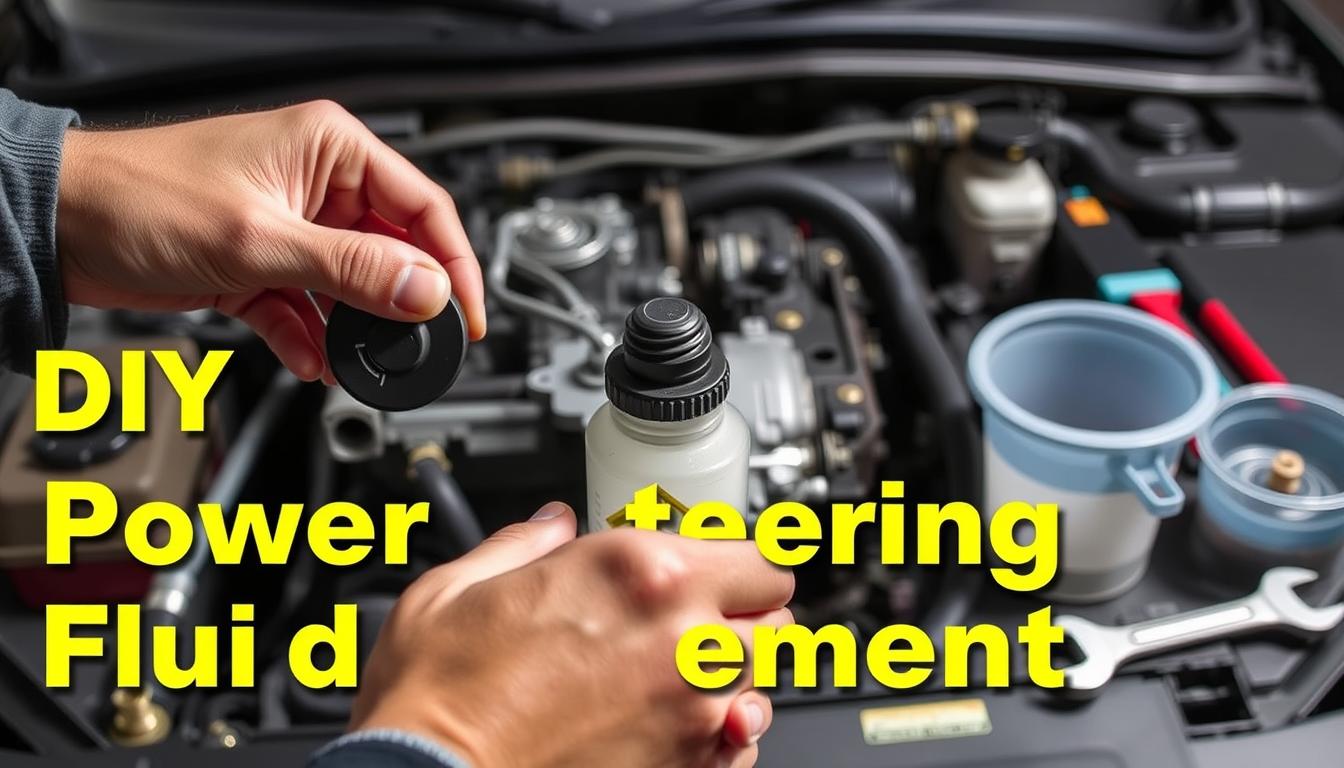
Maintaining your vehicle’s power steering system is crucial for a smooth driving experience. Over time, the fluid that facilitates this system can become degraded, leading to harder steering and potential damage.
Replacing the power steering fluid is a relatively simple process that you can do yourself with the right guidance. This not only saves you money on labor costs but also gives you a sense of accomplishment and control over your vehicle’s maintenance.
Key Takeaways
- Regular maintenance of power steering fluid is essential.
- DIY replacement can save labor costs.
- Improper fluid levels can lead to steering issues.
- Using the correct type of fluid is crucial.
- Regular checks can prevent system damage.
Understanding Power Steering Fluid
Understanding the role of power steering fluid is crucial for maintaining your vehicle’s steering system. Power steering fluid is a hydraulic fluid that plays a vital role in facilitating smooth steering by transmitting the power needed to turn the wheels.
What is Power Steering Fluid?
Power steering fluid is a type of hydraulic fluid that is used in power steering systems to make steering easier. It operates under high pressure, allowing drivers to steer their vehicles with minimal effort. The fluid is designed to lubricate the system’s components, prevent corrosion, and maintain the overall health of the power steering system.
Key characteristics of power steering fluid include:
- High viscosity index to maintain performance across various temperatures
- Corrosion protection to prevent damage to system components
- Compatibility with seals and hoses to prevent leaks and damage
Importance of Regular Maintenance
Regular maintenance of the power steering fluid is essential to ensure the longevity and performance of your vehicle’s steering system. Neglecting to check and replace the fluid can lead to issues such as stiff steering, noise, and potentially costly repairs.
According to a study by the Automotive Research Association, regular power steering fluid checks can help prevent up to 70% of steering system failures. As one expert notes, “Regular maintenance is key to extending the life of your vehicle’s steering system.”
“Regular maintenance is key to extending the life of your vehicle’s steering system.”
| Maintenance Task | Frequency | Benefit |
|---|---|---|
| Check Power Steering Fluid Level | Every 5,000 miles | Prevents low fluid levels that can cause damage |
| Inspect for Leaks | Every 10,000 miles | Identifies potential issues before they become major problems |
| Replace Power Steering Fluid | Every 30,000 to 50,000 miles | Maintains system performance and prevents wear |
By understanding the importance of power steering fluid and adhering to a regular maintenance schedule, you can ensure your vehicle’s steering system remains in optimal condition, providing a safe and comfortable driving experience.
Signs You Need to Change Power Steering Fluid
Power steering fluid plays a crucial role in your vehicle’s steering system, and there are clear signs when it needs to be replaced. Maintaining the right level of power steering fluid and ensuring its quality is vital for the longevity and performance of your vehicle’s steering system.
Unresponsive Steering
One of the most common signs that your power steering fluid needs to be changed is when your steering becomes unresponsive. If you notice that your steering wheel is harder to turn or feels stiff, it could be due to degraded power steering fluid. This degradation can lead to increased wear on the steering system components.
Checking your power steering fluid regularly can help you identify potential issues before they become major problems. If you’re experiencing stiff steering, it’s worth checking the fluid level and condition.
Whining Noises
A whining noise when turning the steering wheel is another indicator that your power steering fluid may need to be changed. This noise is often caused by air or degraded fluid in the power steering system. The whine can be more pronounced when the steering wheel is turned to the extremes.
“A well-maintained power steering system is key to a smooth driving experience. Neglecting power steering fluid changes can lead to unnecessary wear and potentially costly repairs.”
If you start to hear unusual noises when steering, it’s a good idea to inspect the power steering fluid. Dirty or low fluid levels can cause the pump to work harder, leading to noise and potentially damaging the system.
Fluid Leaks
Fluid leaks are a clear indication that there’s an issue with your power steering system. If you notice fluid dripping from the steering system or find a puddle of fluid under your vehicle where the front wheels are, it’s likely you have a leak. Power steering fluid is typically red or pink, making it distinguishable from other vehicle fluids.
| Signs | Description | Action Required |
|---|---|---|
| Unresponsive Steering | Steering feels stiff or hard to turn | Check power steering fluid level and condition |
| Whining Noises | Noise when turning the steering wheel | Inspect fluid for degradation or air in the system |
| Fluid Leaks | Visible fluid dripping or puddles under the vehicle | Identify and repair the leak, refill fluid as necessary |
Regularly checking your power steering fluid can help you catch these issues early. It’s also a good practice to include power steering fluid checks in your regular vehicle maintenance routine.

Tools Needed for the Job
To successfully replace your power steering fluid, you’ll need to have the right equipment on hand. This ensures a smooth and efficient DIY steering fluid replacement process.
Essential Tools Overview
The following tools are necessary for changing your power steering fluid:
- A socket or wrench to remove the reservoir cap
- A turkey baster or siphon pump to extract the old fluid
- A drain pan to catch the fluid
- New power steering fluid that meets your vehicle’s specifications
- Funnel to pour in the new fluid
Recommended Power Steering Fluid Brands
Choosing the right power steering fluid is crucial. Here are some recommended brands:
| Brand | Type | Compatibility |
|---|---|---|
| Motorcraft | Synthetic | Ford, Lincoln, Mercury |
| ACDelco | Conventional | GM, Chevrolet, Buick |
| Valvoline | Synthetic | Variety of models |
Always check your vehicle’s manual to ensure compatibility with the chosen fluid brand.
Step-by-Step Process to Change Power Steering Fluid
To keep your vehicle’s power steering system in top condition, it’s essential to know how to change the power steering fluid. This process involves a few straightforward steps that can be completed with basic tools.
Step1: Prepare Your Vehicle
Before you start, ensure your vehicle is parked on a level surface and turned off. Engage the parking brake and let the engine cool down. It’s also a good idea to consult your vehicle’s manual for any specific instructions related to changing the power steering fluid.
As AAA notes, “Regular maintenance is key to extending the life of your vehicle.” This includes changing the power steering fluid regularly.
Step2: Locate the Power Steering Reservoir
The next step is to locate the power steering reservoir. It’s typically a transparent plastic container with a cap, labeled with a steering wheel icon or the words “Power Steering.” Check your vehicle’s manual if you’re unsure where it’s located in your specific vehicle.

Step3: Drain the Old Fluid
To drain the old fluid, you’ll need to use a turkey baster or a similar tool to suck out the old fluid from the reservoir. Be sure to dispose of the old fluid properly, as it can be hazardous to the environment. As
“Proper disposal of automotive fluids is crucial for environmental protection,”
emphasizes the importance of responsible waste management.
After draining, inspect the reservoir for any signs of contamination or wear. Clean the reservoir if necessary before proceeding to refill it with new fluid.
How to Properly Dispose of Old Fluid
The disposal of used power steering fluid requires careful consideration to prevent environmental harm. As part of responsible car steering maintenance, it’s crucial to handle the disposal process correctly.
Local Disposal Options
To dispose of used power steering fluid, you should first identify local facilities that accept automotive fluids. Many auto repair shops and service centers have designated collection areas for used fluids. Additionally, some communities organize special collection events for hazardous waste, which may include used power steering fluid.
It’s also a good idea to contact local recycling centers or waste management facilities to inquire about their policies on accepting used automotive fluids. They can provide guidance on how to prepare the fluid for disposal and may offer drop-off locations or scheduled collection days.
Environmental Considerations
Used power steering fluid is considered hazardous waste because it can contaminate soil and water if not disposed of properly. As noted by environmental experts, “
Improper disposal of automotive fluids can lead to significant environmental pollution, affecting both wildlife and human health.
” Therefore, it’s essential to keep used fluids away from storm drains, sewage systems, and natural water bodies.
By taking the time to dispose of used power steering fluid correctly, you contribute to a cleaner environment and help protect public health. Always check with local authorities for the most current disposal guidelines and regulations in your area.
Adding New Power Steering Fluid
Adding new power steering fluid is a crucial step in ensuring your vehicle’s steering system operates smoothly. After you’ve drained the old fluid, it’s essential to choose the right replacement and fill the reservoir correctly.
Choosing the Right Fluid
Selecting the correct power steering fluid is vital for the longevity and performance of your vehicle’s steering system. Always refer to your vehicle’s manual to find out the recommended type of power steering fluid. Using the wrong fluid can lead to system damage and affect your vehicle’s overall performance.
“The type of power steering fluid you use can significantly impact your vehicle’s steering efficiency,” says Automotive Expert,
“Some vehicles require synthetic fluid, while others can use conventional power steering fluid. It’s crucial to get this right.”
How to Fill the Reservoir
Filling the power steering reservoir is a straightforward process, but it requires attention to detail. Start by locating the reservoir, usually marked with a steering wheel icon or labeled as “Power Steering.” Then, pour in the new fluid slowly while checking the level to avoid overfilling.
To ensure you’re doing it correctly, follow these steps:
- Open the reservoir cap.
- Pour in the new fluid slowly.
- Check the level frequently to avoid overfilling.
- Replace the cap securely.

By following these steps and choosing the right fluid, you can ensure your power steering system remains in good condition, enhancing your vehicle’s overall performance and safety.
Bleeding the Power Steering System
After changing the power steering fluid, bleeding the system is essential to remove any air that may have entered. Air in the power steering system can cause a range of problems, including noisy operation and reduced steering performance.
What is Bleeding?
Bleeding the power steering system involves removing air bubbles that may have formed within the system. This process ensures that the fluid flows smoothly and that the steering operates as intended.
Why is Bleeding Necessary? Bleeding is necessary because air in the system can lead to cavitation, where air bubbles collapse, causing damage to the power steering pump and other components.
Steps to Bleed the System Efficiently
Bleeding the power steering system can be done at home with a few simple steps:
- Start the engine and let it run for a few minutes.
- Turn the steering wheel from lock to lock several times to circulate the fluid.
- Check the fluid level and top it off as necessary.
- Repeat the process until the fluid is clear of air bubbles.
As
“Regular maintenance of the power steering system, including bleeding, is crucial for the longevity of your vehicle’s steering components.”
, said by a renowned automotive expert, underscores the importance of this process.
To illustrate the steps more clearly, here’s a simple table outlining the bleeding process:
| Step | Description |
|---|---|
| 1 | Start the engine and let it run. |
| 2 | Turn the steering wheel from lock to lock. |
| 3 | Check and top off the fluid level. |
| 4 | Repeat until the fluid is clear of air bubbles. |
By following these steps, you can ensure that your power steering system is properly bled, maintaining optimal steering performance and prolonging the life of your vehicle’s components.
Common Mistakes to Avoid
One of the most critical aspects of DIY steering fluid replacement is avoiding common mistakes. When you decide to change your power steering fluid, there are several pitfalls you should be aware of to ensure the longevity and health of your vehicle’s steering system.
Using the Wrong Fluid
Using the wrong type of power steering fluid can lead to significant problems, including damage to seals and other components of your steering system. It’s essential to consult your vehicle’s manual to determine the correct type of fluid to use.
Common Types of Power Steering Fluids:
| Fluid Type | Description | Compatibility |
|---|---|---|
| Conventional | Standard power steering fluid | Most vehicles |
| Synthetic | High-performance fluid | High-performance vehicles |
| Universal | Compatible with most systems | Variety of vehicles |
Overfilling the Reservoir
Overfilling the power steering reservoir is another common mistake that can lead to foaming and reduced system performance. Always check the level against the manufacturer’s guidelines.

To avoid overfilling, it’s crucial to understand the capacity of your power steering reservoir and to fill it accordingly. The vehicle’s manual will provide this information.
When to Seek Professional Help
While changing power steering fluid can be a DIY task, there are situations where seeking professional help is the best course of action. If you’re unsure or uncomfortable at any point during the process, it’s wise to consult a professional mechanic.
Signs You Should Consult a Mechanic
There are several signs that indicate you should seek the help of a professional mechanic when dealing with your car’s power steering system. These include:
- Persistent whining or grinding noises after changing the fluid
- Steering remains unresponsive or stiff
- Visible signs of leakage around the power steering system
- Unusual vibrations when steering
If you notice any of these symptoms, it’s a clear indication that there’s more to the issue than just the power steering fluid. A professional mechanic can diagnose and fix underlying problems, ensuring your car’s steering system operates smoothly and safely.
“A well-maintained power steering system is crucial for safe driving. If in doubt, always consult a professional.”
Finding a Reliable Auto Service
When you decide to seek professional help, finding a reliable auto service is crucial. Here are some tips:
| Criteria | Description | Importance Level |
|---|---|---|
| Experience | Look for mechanics with experience in handling your car’s make and model | High |
| Reviews | Check online reviews and ratings from previous customers | High |
| Certifications | Ensure the mechanic is certified by a reputable organization | Medium |
By considering these factors, you can find a reliable auto service that will diagnose and fix your car’s power steering issues efficiently.
Maintaining your car’s power steering system is vital for its overall performance and your safety on the road. Don’t hesitate to seek professional help when needed.
Maintenance Tips for Power Steering System
A well-maintained power steering system ensures a comfortable and safe driving experience. To achieve this, it’s essential to follow a few key maintenance tips.
Regular Fluid Checks
One of the most critical aspects of maintaining your power steering system is regular fluid checks. The power steering fluid lubricates the system, allowing for smooth steering. Over time, this fluid can degrade or leak out, leading to stiff steering or other issues. Checking the fluid level regularly can help you identify potential problems early.
As recommended by most vehicle manufacturers, you should check your power steering fluid every few months or during routine maintenance checks. Make sure to refer to your vehicle’s manual for the correct type of fluid to use and the recommended checking procedure.
Importance of Checking for Leaks
Another crucial maintenance task is checking for leaks in the power steering system. Leaks can lead to a drop in fluid levels, causing the system to work harder and potentially leading to component failure. Inspect the system regularly for signs of leakage, such as fluid droplets on the ground or on the components themselves.
“Regular maintenance, including fluid checks and leak inspections, is vital for extending the life of your power steering system and ensuring your vehicle’s overall performance and safety.”
By staying on top of these maintenance tasks, you can help prevent costly repairs and ensure your vehicle remains safe to drive.

Frequently Asked Questions
Changing power steering fluid is a maintenance task that comes with its own set of frequently asked questions. Understanding these can help you navigate the process more smoothly.
How Often Should I Change the Fluid?
The frequency of changing power steering fluid varies depending on your vehicle’s make and model. Typically, it’s recommended to change the fluid every 30,000 to 60,000 miles. However, it’s best to consult your vehicle’s owner’s manual for the manufacturer’s specific recommendation. Some modern vehicles may have a longer interval between changes, so it’s crucial to check.
Can I Change the Fluid Myself?
Yes, you can change the power steering fluid yourself if you have the right tools and follow the correct steps. It’s a relatively straightforward process that involves locating the power steering reservoir, draining the old fluid, and refilling it with new fluid. However, if you’re not comfortable with DIY tasks or if your vehicle has a complex power steering system, it’s advisable to seek professional help.
Before attempting to change the power steering fluid, ensure you have the correct type of fluid for your vehicle. Using the wrong fluid can lead to system damage. Additionally, be prepared to bleed the system to remove any air that may have entered during the fluid change.
Conclusion
Regular car steering maintenance is crucial for optimal vehicle performance. By changing the power steering fluid and checking for leaks, you can ensure your vehicle’s steering system operates smoothly.
Key Takeaways
We’ve discussed the importance of understanding power steering fluid, signs that indicate the need for a change, and the step-by-step process to replace it. Proper disposal of old fluid and bleeding the system are also vital for car steering maintenance.
Stay on Top of Maintenance
To keep your vehicle’s power steering system in top condition, regular fluid checks and timely replacements are essential. By following these guidelines, you can prevent potential issues and maintain your vehicle’s overall performance.
For car steering maintenance, it’s recommended to consult a professional mechanic if you’re unsure about any part of the process. Regular maintenance not only enhances your vehicle’s performance but also ensures your safety on the road.