





Maintaining your car’s health is crucial for its longevity, and one of the simplest ways to do this is by changing the engine oil regularly.
Changing the oil at home might seem daunting, but it’s a straightforward process that can save you money and help you understand your vehicle better. By following a few simple steps, you can ensure your car continues to run smoothly.
This guide is designed to walk you through the process, making DIY car maintenance accessible to everyone, regardless of experience level.
Key Takeaways
- Learn the basics of engine oil change.
- Understand the importance of regular maintenance.
- Discover how to save money by doing it yourself.
- Gain confidence in performing DIY car maintenance.
- Extend the life of your vehicle with simple upkeep.
Understanding Engine Oil
Engine oil is the lifeblood of your car’s engine, playing a crucial role in its performance and longevity. It lubricates the engine’s moving parts, reduces friction, and helps to cool the engine. Regular oil changes are vital to remove dirt and debris that can damage the engine over time.
What is Engine Oil?
Engine oil, also known as motor oil, is a substance used to lubricate the internal combustion engine. It is designed to reduce wear on moving parts, improve engine efficiency, and prevent corrosion. Engine oil comes into contact with high temperatures and pressures, making its quality crucial for engine longevity.
Types of Engine Oil Available
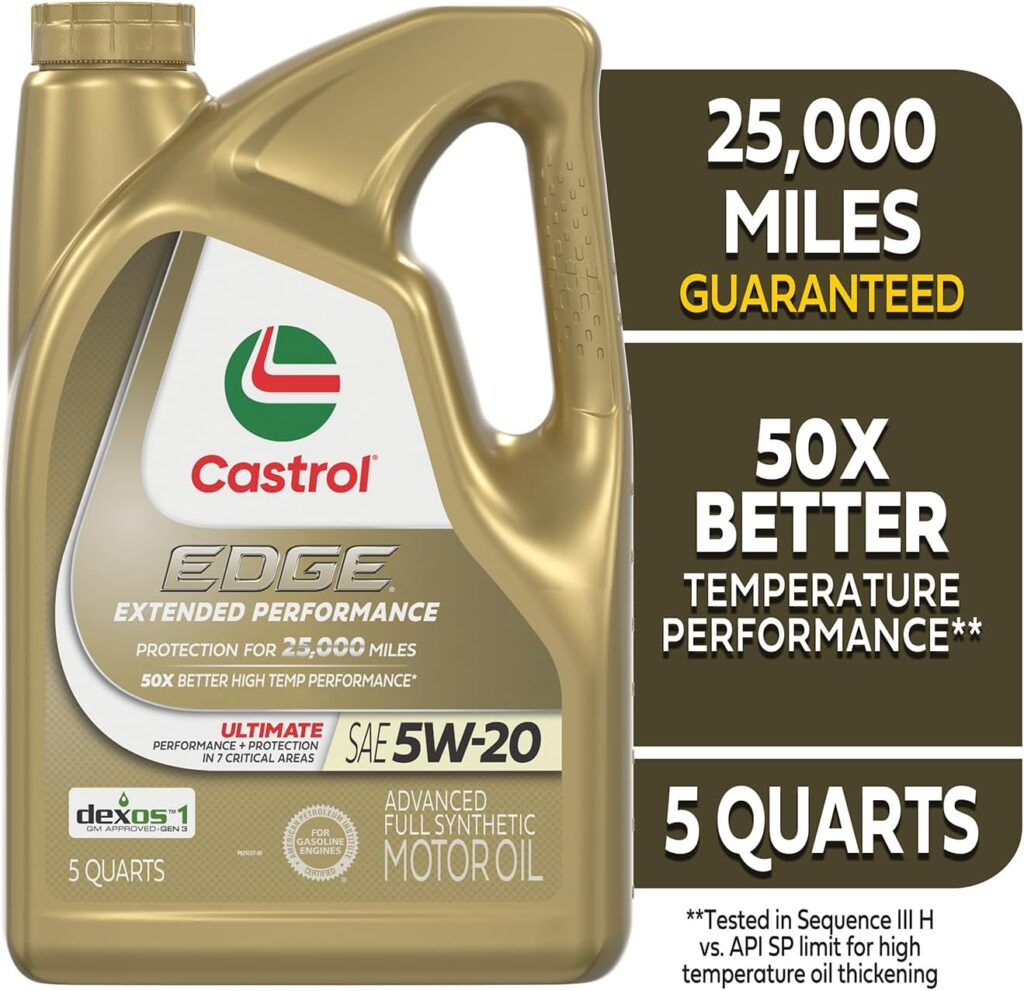
There are several types of engine oil available, including conventional, synthetic, and synthetic blend oils. Conventional oil is the most commonly used type and is suitable for most passenger vehicles. Synthetic oil, on the other hand, offers superior performance in extreme temperatures and is ideal for high-performance vehicles or those driven in harsh conditions. Synthetic blend oil combines the benefits of both conventional and synthetic oils.
Importance of Regular Oil Changes
Regular oil changes are essential to maintain your car’s health. Fresh oil helps to remove contaminants and wear metals that can accumulate in the oil over time. Neglecting to change your oil can lead to decreased engine performance, reduced fuel efficiency, and potentially catastrophic engine failure. By staying on top of oil changes, you can extend the life of your engine and ensure your car runs smoothly for years to come.
Tools and Supplies You’ll Need
Before you start changing your engine oil, it’s crucial to gather all the necessary tools and supplies. Having everything on hand will make the process smoother and more efficient.
Essential Tools for an Oil Change
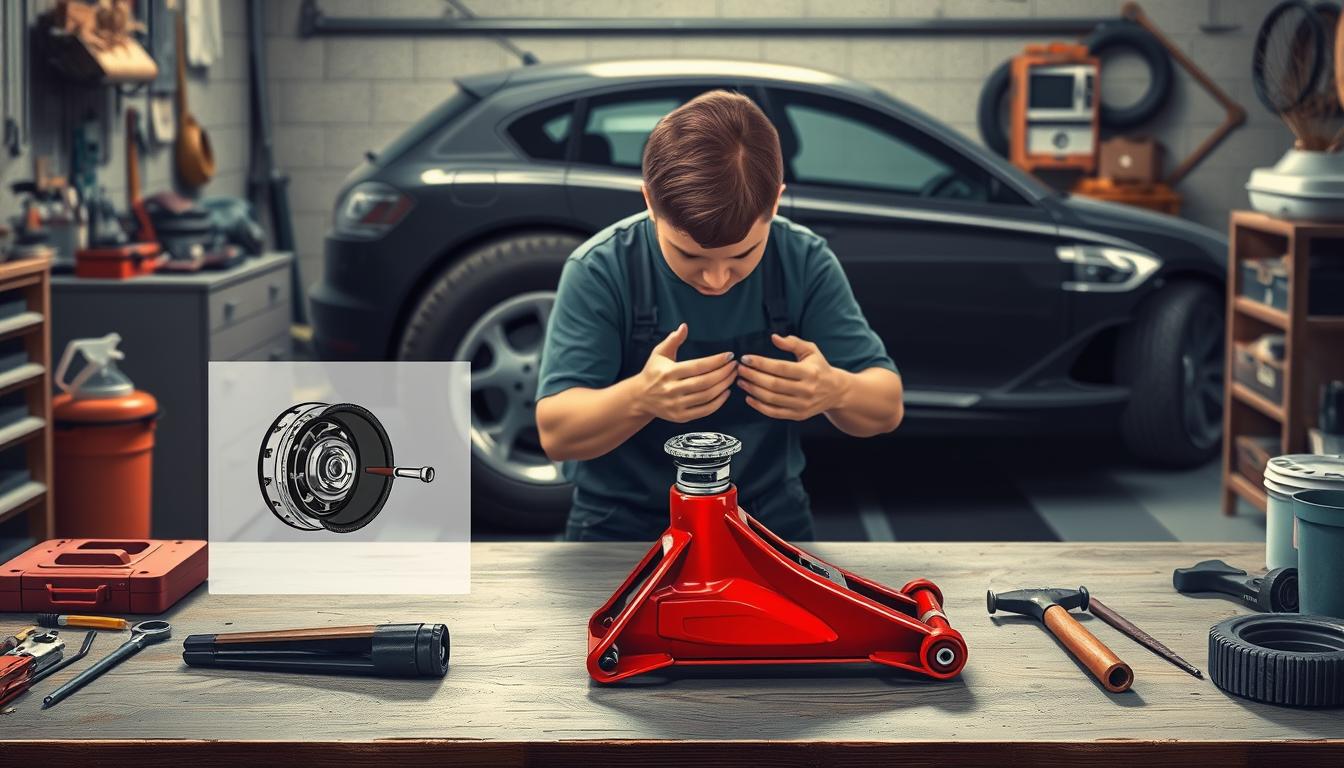
To change your engine oil, you’ll need a few essential tools. These include a socket wrench to remove the oil drain plug, an oil filter wrench to remove the oil filter, a funnel to pour in the new oil, a drain pan to catch the old oil, and an automotive jack to lift your vehicle. Make sure your socket wrench fits the bolts on your vehicle’s oil pan.
- Socket wrench
- Oil filter wrench
- Funnel
- Drain pan
- Automotive jack
Required Engine Oil and Filter
Choosing the right engine oil and filter is critical for your vehicle’s health. Always refer to your vehicle’s manual to determine the correct type of engine oil and filter to use. Using the wrong type can lead to decreased performance and potential engine damage.
| Vehicle Type | Recommended Oil Type | Filter Type |
|---|---|---|
| Most passenger vehicles | Conventional or Synthetic | Standard Oil Filter |
| High-performance vehicles | Synthetic | High-performance Oil Filter |
Safety Gear to Consider
Safety should always be your top priority when working on your vehicle. Wear protective gloves to prevent skin irritation from the oil, and safety glasses to protect your eyes from spills. Additionally, ensure your workspace is well-ventilated to avoid inhaling fumes.
“Safety is not just a precaution, it’s a necessity when working with potentially hazardous materials like engine oil.”
By having the right tools and supplies, you’ll be well-prepared to change your engine oil efficiently and safely.
Preparing Your Vehicle for an Oil Change
Preparing your vehicle for an oil change is a critical step that can make a significant difference in the outcome of your DIY car maintenance project. It’s not just about getting the job done; it’s about doing it safely and effectively.
Gather Necessary Tools and Supplies
Before you start, make sure you have all the necessary tools and supplies within reach. This includes the oil drain pan, new oil filter, enough motor oil to fill your vehicle, and a socket wrench or ratchet and socket to remove the drain plug. Having everything ready will streamline the process and reduce the risk of complications.
Park Your Vehicle Safely
It’s crucial to park your vehicle on a flat and stable surface. This ensures that the oil drains evenly and reduces the risk of accidents. Additionally, engage the parking brake to prevent the vehicle from moving during the oil change. Ensuring your safety is paramount, so take the time to secure your vehicle properly.
Let the Engine Cool Down
Warm up your car’s engine for a few minutes, then let it cool down. This step is essential because you don’t want to risk burning yourself on hot engine parts. Letting the engine cool down also helps the oil drain more completely, as it becomes less viscous and flows more easily.
By following these steps, you’ll be well-prepared to change your car’s oil safely and effectively, setting yourself up for success in your DIY car maintenance endeavors.
Draining the Old Oil
Draining the old engine oil is essential for a successful oil change. This step ensures that your engine is free from dirty oil that can cause damage over time.
Locate the Oil Drain Plug
The first step in draining the old oil is to locate the oil drain plug. This is typically found at the bottom of the engine, and its position can vary depending on the make and model of your vehicle. Consult your owner’s manual or look underneath your car to find it.
Removing the Drain Plug Safely
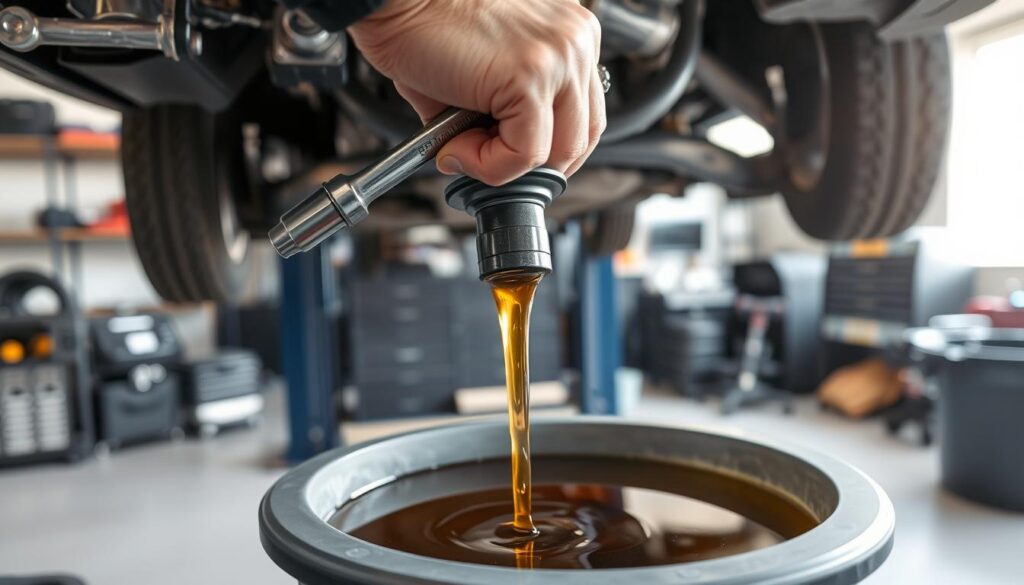
Once you’ve located the oil drain plug, use a socket wrench to loosen it. Be prepared for the oil to start draining out. After loosening, you can remove the plug by hand, allowing the oil to flow into a drain pan placed underneath. Be cautious as the oil may be hot.
Allowing the Oil to Drain Completely
Let the oil drain completely into the drain pan. This may take several minutes, depending on the amount of oil in your vehicle. It’s crucial to be patient and ensure that the oil has stopped dripping before proceeding to the next step.
By following these steps, you’ll be able to drain the old oil safely and effectively, preparing your vehicle for new oil.
Replacing the Oil Filter
Changing the oil filter is a simple yet vital task that ensures your engine remains clean and efficient. This process is crucial for preventing contaminants from entering the engine and causing damage.
Why Change the Oil Filter?
The oil filter plays a critical role in DIY car maintenance by filtering out contaminants and debris from the engine oil. Over time, the filter becomes clogged with dirt and loses its effectiveness. If not replaced, it can lead to premature engine wear and potentially cause costly repairs.
Here are some key reasons to change the oil filter:
- Prevents contaminants from entering the engine
- Maintains optimal engine performance
- Extends the life of the engine
- Enhances overall engine health
Selecting the Right Oil Filter
Choosing the correct oil filter is essential for your vehicle’s engine health. Refer to your vehicle’s manual or consult with a professional to determine the right filter for your car. Consider factors such as filter efficiency, compatibility, and manufacturer recommendations.
It’s also important to purchase from reputable brands to ensure quality and reliability.
Steps to Remove and Replace the Filter
Replacing the oil filter involves a few straightforward steps:
- Locate the oil filter: Check your vehicle’s manual to find the oil filter’s position.
- Remove the filter: Use a filter wrench to loosen and remove the oil filter. Be prepared for any spills.
- Install a new filter: Place a new oil filter on the mounting hub and hand tighten it.
- Tighten the filter: Use a filter wrench to tighten the filter an additional 1/2 to 3/4 turn.
By following these steps, you can ensure that your engine oil change is completed effectively, maintaining your vehicle’s performance and longevity.
Adding New Engine Oil
The next crucial step in the oil change process is adding new engine oil. This step is vital for ensuring your engine remains lubricated and runs smoothly.
How to Choose the Right Engine Oil
Choosing the right engine oil is critical and should be based on your vehicle’s manufacturer recommendations. You can find this information in your vehicle’s owner’s manual or on the manufacturer’s website. Using the correct type of oil ensures optimal engine performance and longevity.
- Check the viscosity: The owner’s manual will specify the correct viscosity for your vehicle.
- Consider synthetic vs. conventional: Synthetic oil offers better performance in extreme temperatures, but conventional oil is sufficient for most drivers.
- Look for certifications: Oils that meet or exceed industry standards (e.g., API Certification) are preferable.
Checking the Oil Level
Before pouring in new oil, it’s a good practice to check the oil level using the dipstick. This ensures you’re not overfilling or underfilling your engine.
- Locate the dipstick: It’s usually labeled “Oil” or has an oil can symbol.
- Pull out the dipstick and wipe it clean.
- Insert it back into the oil reservoir and pull it out again to check the level.
Pouring in the New Oil
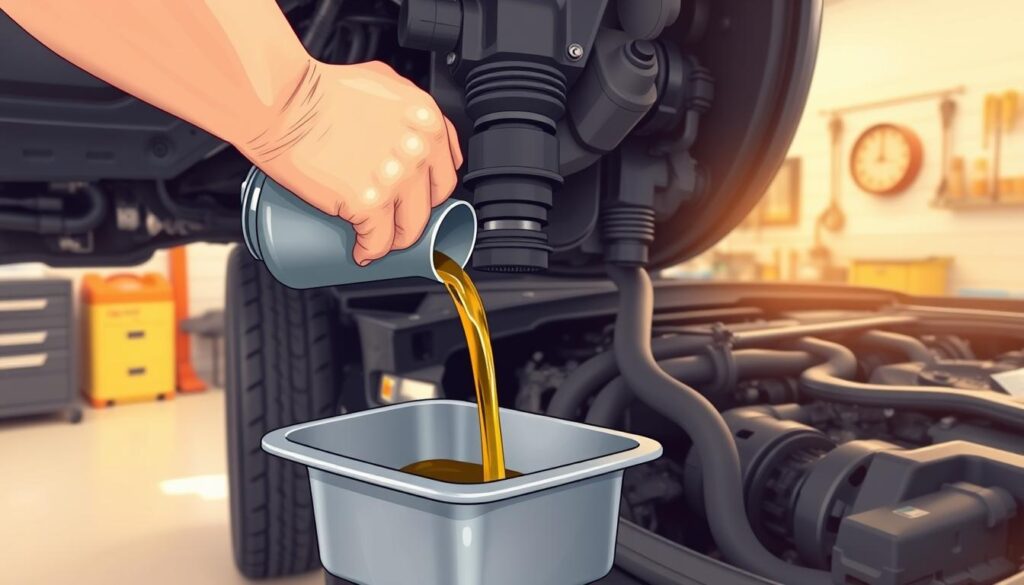
When pouring in the new oil, do so slowly and check the level frequently with the dipstick to avoid overfilling. Overfilling can be just as harmful as underfilling, so patience is key.
- Use a funnel to prevent spills.
- Refer to your vehicle’s manual for the correct oil capacity.
- Replace the oil cap securely once finished.
By following these steps, you can ensure your engine is properly lubricated, enhancing its performance and lifespan. Regular DIY car maintenance, such as oil changes, not only saves you money but also gives you a deeper understanding of your vehicle’s needs.
Final Checks and Cleanup
Now that you’ve changed your engine oil, it’s time for some final checks and cleanup tasks to ensure your vehicle is running smoothly and safely.
Inspecting for Leaks
Begin by inspecting the oil drain plug and oil filter for any signs of leaks. Make sure both are tightened properly to prevent any oil spills or leaks in the future. A simple visual inspection can help you identify any potential issues early on.
Cleaning Up Tools and Supplies
Next, clean up any tools and supplies used during the oil change. Dispose of any rags or paper towels used to clean up spills responsibly. It’s also a good idea to clean your tools to prevent any oil residue from causing damage or rust.
Proper Disposal of Old Oil and Filter
Properly disposing of the old oil and filter is crucial for environmental protection. Take the used oil to a recycling center or an auto parts store that accepts used oil. Many service stations and repair shops also have designated collection facilities. For the oil filter, check with local recycling guidelines as some communities have specific procedures for handling used automotive filters.
| Item | Disposal Method | Notes |
|---|---|---|
| Used Engine Oil | Recycling Center or Auto Parts Store | Many communities have designated facilities |
| Used Oil Filter | Check Local Recycling Guidelines | Some communities have specific procedures |
| Rags/Paper Towels | Dispose in Trash or Laundry | Be cautious of oil-soaked materials |
By following these final checks and cleanup procedures, you’ll not only ensure your vehicle remains in good condition but also contribute to a more environmentally friendly DIY car maintenance practice.
Tips for a Successful Oil Change
The key to a successful oil change lies in understanding the process and avoiding common pitfalls. By being aware of the potential mistakes and taking steps to maintain your vehicle’s engine, you can ensure a smooth and effective oil change.
Common Mistakes to Avoid
When changing your engine oil, there are several common mistakes to watch out for. Over-tightening the oil drain plug can damage the threads, while under-tightening the oil filter can lead to leaks. It’s also crucial to use the correct type of oil and filter for your vehicle.
Here’s a list of common mistakes to avoid:
- Over-tightening the oil drain plug
- Under-tightening the oil filter
- Using the wrong type of oil
- Not replacing the oil filter
- Not checking for leaks after the oil change
Maintaining the Right Oil Change Schedule
Maintaining the right oil change schedule is vital for keeping your engine healthy. The frequency of oil changes depends on various factors, including the type of oil used, driving conditions, and the manufacturer’s recommendations.
| Vehicle Type | Oil Change Interval |
|---|---|
| Most passenger vehicles | 5,000 to 7,500 miles |
| Vehicles using synthetic oil | 7,500 to 10,000 miles |
| Severe driving conditions | 3,000 to 5,000 miles |
Keeping Your Engine Healthy
Regular oil changes are just one part of keeping your engine healthy. Monitoring your oil level, checking for signs of wear, and addressing any issues promptly can help extend the life of your engine.
How Often Should You Change Your Oil?
Understanding how often to change your engine oil is vital for your vehicle’s health. Regular oil changes are a crucial aspect of DIY car maintenance, ensuring your engine runs smoothly and prolonging its lifespan.
Factors Influencing Oil Change Frequency
The frequency of oil changes depends on several factors, including the type of oil used, driving conditions, and the age of your vehicle. For instance, if you drive in extreme temperatures, tow a trailer, or drive in stop-and-go traffic, you may need to change your oil more frequently.
- Driving conditions: Extreme temperatures, towing, or stop-and-go traffic.
- Type of oil used: Synthetic, conventional, or a blend.
- Vehicle age and model: Older vehicles or those with specific engine types.
Manufacturer Recommendations
It’s essential to consult your vehicle’s manufacturer recommendations for oil change intervals. Most car manufacturers provide guidelines in the owner’s manual, which can range from 5,000 to 7,500 miles or more, depending on the vehicle and oil type.
For example, some modern vehicles using synthetic oil can go up to 10,000 miles or more between oil changes. Always check your owner’s manual or consult with a dealership or mechanic if you’re unsure.
Signs Your Engine Oil Needs Changing
Besides following the recommended oil change schedule, there are signs that indicate your engine oil needs changing. These include:
- Dark or dirty oil: If the oil on the dipstick appears dark or dirty, it’s a sign that it’s lost its effectiveness.
- Low oil level: If the oil level is consistently low, it may indicate a leak or excessive consumption.
- Unusual engine noises: Knocking or grinding noises can signal that the oil is not lubricating properly.
By being aware of these factors and signs, you can ensure your engine oil is changed at the right time, maintaining your vehicle’s performance and longevity.
DIY vs. Professional Oil Changes
When it comes to changing your car’s oil, you have two primary options: doing it yourself or seeking professional help. Both methods have their advantages and disadvantages, which are discussed below.
Pros and Cons of DIY Oil Changes
DIY oil changes can be a cost-effective way to maintain your vehicle. By doing it yourself, you can save money on labor costs. However, it requires a significant amount of time and effort, including gathering the necessary tools and supplies, and properly disposing of the used oil and filter.
Benefits of DIY Oil Changes:
- Cost savings on labor
- Flexibility to choose the type of oil and filter
- Opportunity to learn about your vehicle’s engine
However, DIY oil changes also have some drawbacks:
- Requires time and mechanical aptitude
- Risk of improper disposal of used oil and filter
- Potential for mistakes that could damage your engine
When to Seek Professional Help
If you’re unsure or uncomfortable with the oil change process, it’s recommended to seek professional help. Professional mechanics have the necessary training and experience to do the job efficiently and correctly.
Signs You Need Professional Help:
- You’re unsure about the type of oil to use
- You don’t have the necessary tools or space
- You’ve noticed signs of engine trouble
Cost Comparison
The cost of DIY oil changes versus professional oil changes can vary significantly. While DIY oil changes save on labor costs, professional services offer the convenience of having it done for you.
| Service | Cost |
|---|---|
| DIY Oil Change | $50-$100 (parts only) |
| Professional Oil Change | $75-$200 (parts and labor) |
Troubleshooting Common Issues
Identifying and resolving common oil change-related problems is key to maintaining your vehicle’s health. After changing your engine oil, being aware of potential issues can help you address them before they become major problems.
Oil Leaks: Causes and Solutions
Oil leaks are a common issue that can occur after an oil change. They can be caused by a variety of factors, including:
- Loose or improperly tightened drain plugs
- Damaged or worn-out gaskets
- Improperly installed oil filters
To fix an oil leak, first, identify the source. Check the drain plug and oil filter for any signs of leakage. Tightening the drain plug or replacing the oil filter gasket can often resolve the issue. If the leak persists, it may be necessary to consult a professional mechanic.
Low Oil Pressure Warning Light
The low oil pressure warning light indicates that your engine’s oil pressure is lower than normal. This could be due to several reasons, including:
- Insufficient oil level
- Faulty oil pressure sensor
- Internal engine wear
If the light comes on, check your oil level immediately. If it’s low, add the recommended type of oil. If the light stays on after topping off the oil, it may indicate a more serious issue, such as a faulty oil pump or internal engine damage. In such cases, it’s advisable to seek professional help.
Oil Change Related Noises
Sometimes, after an oil change, you might notice unusual noises coming from your engine. Common causes include:
- Insufficient oil level: Ensure your oil level is at the recommended level.
- Incorrect oil type: Using the wrong viscosity or type of oil can cause engine noise.
- Air in the oil system: Bleed the system to remove any air pockets.
If the noise persists, it’s a good idea to have your vehicle inspected by a mechanic to rule out any serious issues.
By being aware of these common issues and knowing how to troubleshoot them, you can ensure your DIY oil change is successful and your vehicle remains in good health.
Conclusion: Enjoy the Benefits of DIY Oil Changes
By mastering the process of changing your engine oil at home, you’re taking a significant step towards maintaining your vehicle’s health and extending its lifespan. Regular engine oil changes are crucial for keeping your engine running smoothly.
Key Takeaways
To recap, we’ve covered the essential steps for a successful DIY oil change, including understanding engine oil, preparing your vehicle, draining the old oil, replacing the oil filter, and adding new engine oil. By following these steps, you’ll be able to perform a how to change car oil procedure safely and effectively.
Long-Term Benefits
Regular diy car maintenance, such as engine oil changes, will become second nature. Your vehicle will benefit from improved performance, and you’ll enjoy the cost savings of not having to visit a mechanic for every oil change. Stay on top of your engine oil change schedule to keep your vehicle running at its best.
Next Steps
As you become more comfortable with diy car maintenance, you’ll be empowered to tackle other routine tasks. This confidence will help you maintain your vehicle’s overall health, ensuring it continues to run smoothly for years to come.
FAQ
What type of engine oil should I use for my vehicle?
How often should I change my engine oil?
What are the signs that indicate my engine oil needs changing?
Can I change my engine oil at home, or should I seek professional help?
What are the common mistakes to avoid when changing my engine oil?
How do I dispose of the old oil and filter responsibly?
What are the benefits of DIY oil changes?
How do I troubleshoot common issues related to oil changes?