




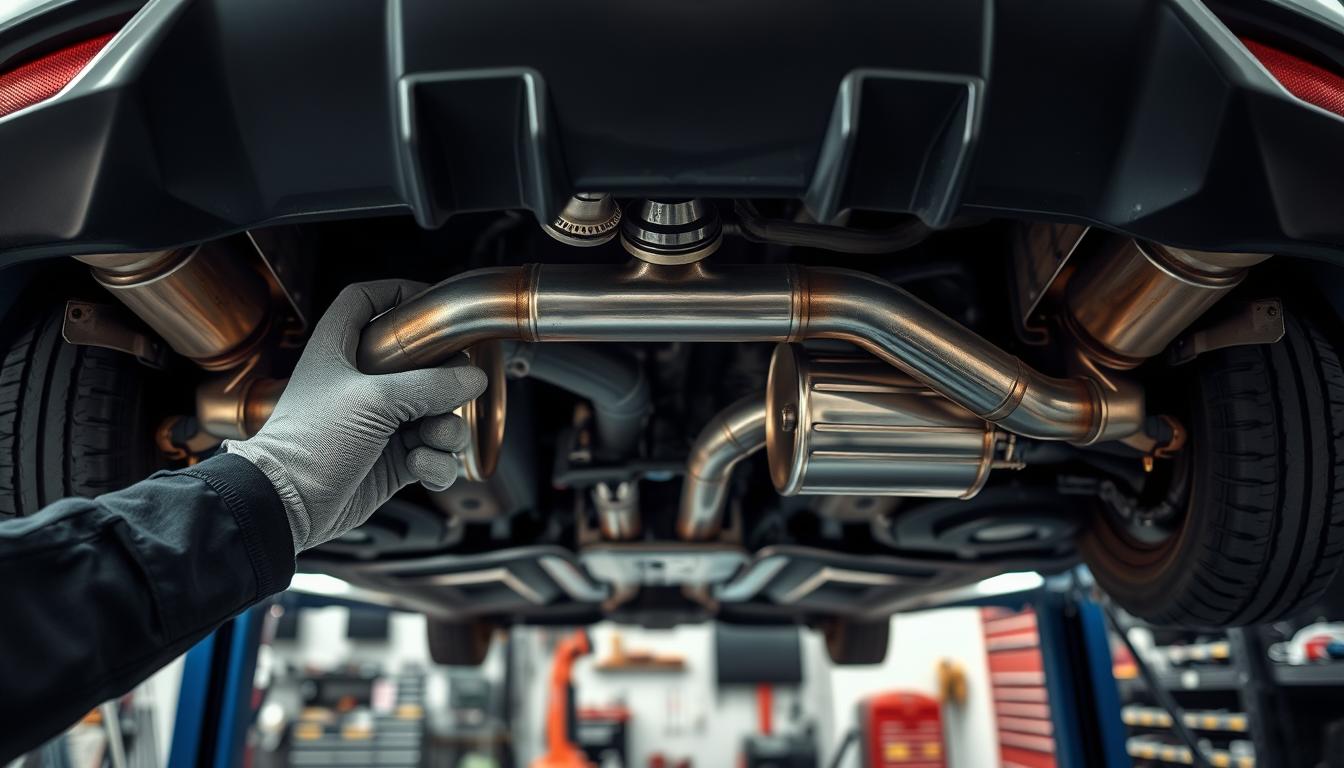
A well-functioning exhaust system is crucial for your vehicle’s overall performance, safety, and environmental compliance. Regular maintenance is key to ensuring your vehicle runs efficiently and reduces harmful emissions.
Neglecting your exhaust system can lead to decreased fuel efficiency, increased emissions, and potentially costly repairs down the line. In this article, we’ll walk you through the process of checking and maintaining your vehicle’s exhaust system, covering signs that it needs attention and providing DIY tips for keeping it in top condition.
Key Takeaways
- Understand the importance of regular exhaust system maintenance
- Learn how to identify signs that your exhaust system needs attention
- Discover DIY tips for maintaining your vehicle’s exhaust system
- Improve your vehicle’s overall efficiency and reduce emissions
- Save on potentially costly repairs by staying on top of maintenance
Understanding Car Exhaust Systems
Understanding your car’s exhaust system is essential for maintaining its overall health and efficiency. The exhaust system is a complex assembly of components that work together to reduce emissions and minimize noise pollution.
Components of an Exhaust System
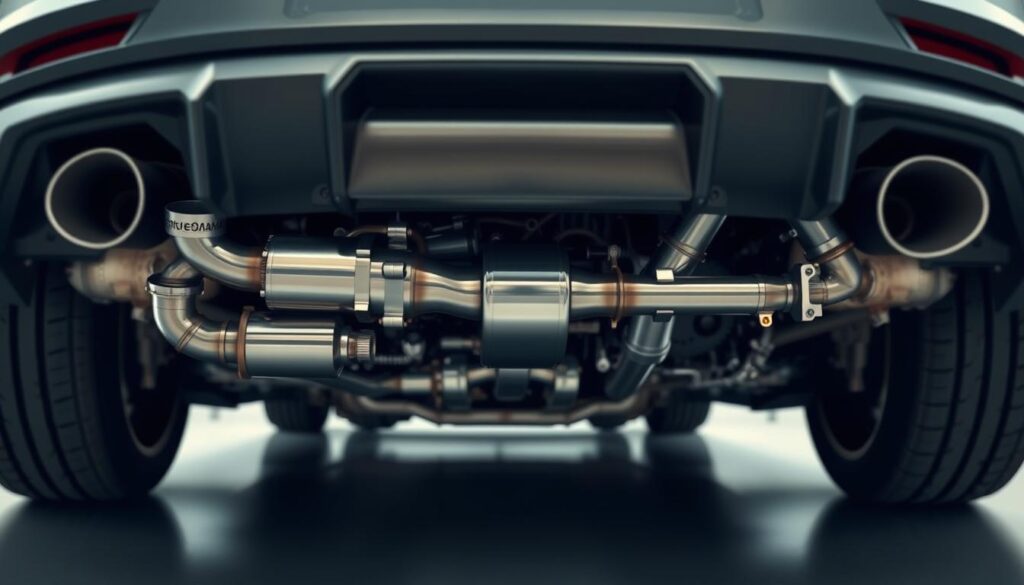
A typical exhaust system consists of several key components, including the exhaust manifold, catalytic converter, muffler, and exhaust pipes. Each part plays a vital role in ensuring your vehicle runs smoothly and environmentally friendly.
- Exhaust Manifold: Collects exhaust gases from the engine cylinders.
- Catalytic Converter: Reduces harmful emissions through chemical reactions. Regular catalytic converter service is crucial for its longevity.
- Muffler: Minimizes the noise produced by the engine. Over time, it may require muffler repair or replacement.
- Exhaust Pipes: Channels exhaust gases from the manifold to the muffler. Damage or rust can lead to leaks, necessitating exhaust pipe replacement.
Common Issues with Exhaust Systems
Despite its importance, the exhaust system can be prone to various issues. Common problems include leaks, rust, and damage to the components. These issues can lead to decreased vehicle performance, increased emissions, and potentially costly repairs if not addressed promptly.
| Issue | Description | Potential Solution |
|---|---|---|
| Leaks | Exhaust gases escape due to damage or rust. | Inspect and repair or replace damaged sections. |
| Rust | Corrosion weakens exhaust system components. | Apply rust-proof coatings or replace rusted parts. |
| Damage | Physical harm to components like the muffler or pipes. | Assess and repair or replace damaged components. |
By understanding the components and common issues associated with your car’s exhaust system, you can take proactive steps to maintain its health. Regular inspections and timely repairs, such as muffler repair or catalytic converter service, are essential for optimal vehicle performance and compliance with environmental regulations.
Importance of Regular Exhaust Maintenance
The importance of regular exhaust maintenance cannot be overstated, as it impacts both your vehicle’s efficiency and its environmental impact. A well-maintained exhaust system is crucial for ensuring your vehicle runs smoothly and minimizes harmful emissions.
Benefits for Vehicle Performance
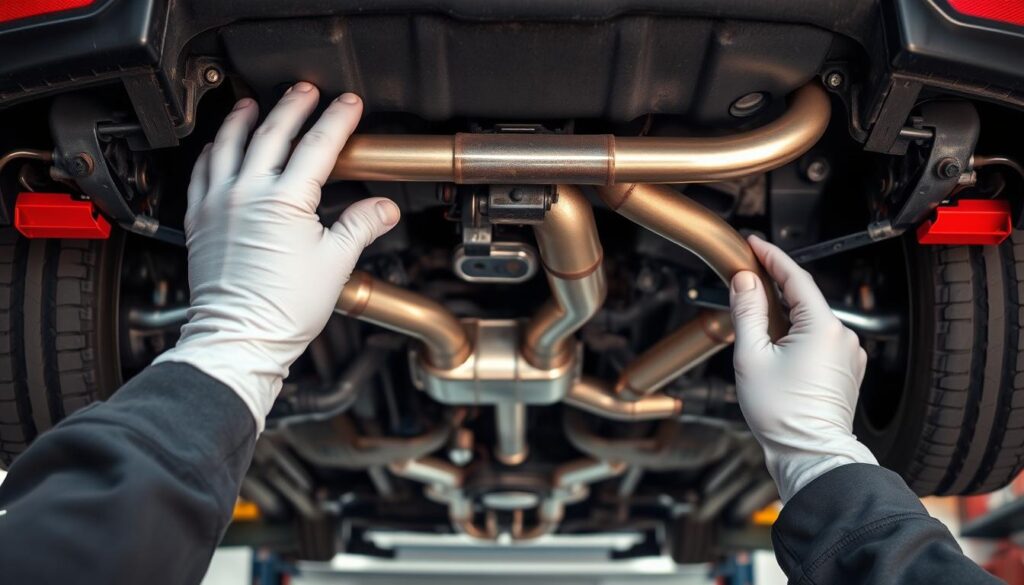
Regular maintenance of your car’s exhaust system can significantly enhance its performance. By ensuring that the exhaust system is in good condition, you can improve your vehicle’s fuel economy and overall efficiency. A clean and functional exhaust system helps in reducing backpressure, which can otherwise lead to decreased performance and increased fuel consumption.
Moreover, a well-maintained exhaust system can also contribute to a smoother engine operation. It helps in reducing the risk of engine damage caused by faulty exhaust components, thereby prolonging the lifespan of your vehicle.
Environmental Considerations
Regular exhaust maintenance is not just beneficial for your vehicle; it’s also crucial for minimizing its environmental impact. A properly functioning exhaust system ensures that harmful emissions are reduced, contributing to a cleaner environment. Regular vehicle emissions checks are an essential part of this maintenance, helping to identify any issues that could lead to increased emissions.
Furthermore, an efficient exhaust system plays a vital role in the emission control system inspection, ensuring that your vehicle complies with environmental regulations. By maintaining your exhaust system, you can help reduce the overall environmental footprint of your vehicle.
Signs Your Exhaust System Needs Attention
Recognizing the signs that your car’s exhaust system needs repair can save you from costly fixes down the line. Being aware of the condition of your vehicle’s exhaust system is crucial for maintaining its overall health and performance.
Unusual Noises from the Exhaust
One of the most common indicators of an issue with your exhaust system is unusual noises. Rattling or hissing sounds can signal that there’s a problem that needs to be addressed. These noises can be due to a variety of reasons such as a loose heat shield, a leak in the exhaust system, or a damaged muffler. It’s essential to investigate the source of these noises to prevent further damage.
Increased Fuel Consumption
Another sign that your exhaust system may need attention is an increase in fuel consumption. If your car’s exhaust system is not functioning correctly, it can lead to decreased fuel efficiency, causing you to spend more on gas. A damaged or clogged exhaust system can cause your engine to work harder, thereby consuming more fuel.
| Signs | Possible Causes | Recommended Action |
|---|---|---|
| Unusual Noises | Loose heat shield, exhaust leak, damaged muffler | Inspect the exhaust system, repair or replace damaged parts |
| Increased Fuel Consumption | Clogged exhaust, damaged catalytic converter | Check for blockages, inspect and replace the catalytic converter if necessary |
By being vigilant about these signs and taking prompt action, you can ensure your car’s exhaust system remains in good condition, enhancing your vehicle’s performance and reducing harmful emissions.
How to Inspect Your Car Exhaust
Inspecting your car’s exhaust system is a crucial maintenance task that ensures your vehicle runs efficiently and safely. Regular exhaust system maintenance can help identify potential issues before they become major problems.
Visual Inspection Checklist
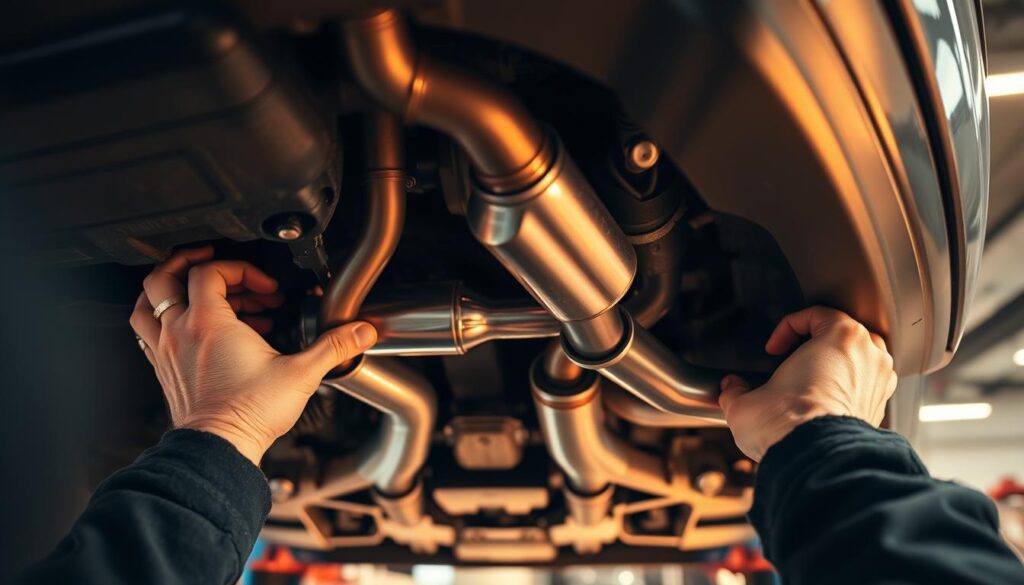
Begin with a visual inspection of your car’s exhaust system. Check for signs of rust, damage, or leaks in the exhaust pipes and components. Look for:
- Rust spots or holes in the exhaust pipes
- Loose or damaged heat shields
- Signs of leakage around the muffler and exhaust manifold
If you notice any of these issues, it may be time to visit a muffler shop near me to get professional assistance.
Listening for Sounds During Operation
In addition to a visual inspection, listening for unusual sounds during operation can help pinpoint problems. Pay attention to:
- Loud or unusual noises coming from the exhaust area
- Rattling sounds that could indicate loose components
- Hissing sounds that may suggest leaks in the system
By following this simple checklist, you can ensure that your exhaust system is in good condition and perform necessary exhaust system maintenance to keep your car running smoothly.
DIY Exhaust Maintenance Tips
Keeping your car’s exhaust system well-maintained is easier than you think, and it starts with simple DIY tips. Regular maintenance not only improves your vehicle’s performance but also contributes to a cleaner environment by ensuring your exhaust system is functioning properly.
Cleaning the Exhaust Tips
One of the simplest ways to maintain your exhaust system is by cleaning the exhaust tips. Over time, exhaust tips can accumulate grime and soot, affecting the appearance of your vehicle. To clean them, you’ll need a soft cloth, some soap, and water. For tougher grime, a metal polish can be effective. Regular cleaning can keep your exhaust tips looking like new and maintain your vehicle’s overall appearance.
Checking for Rust and Damage
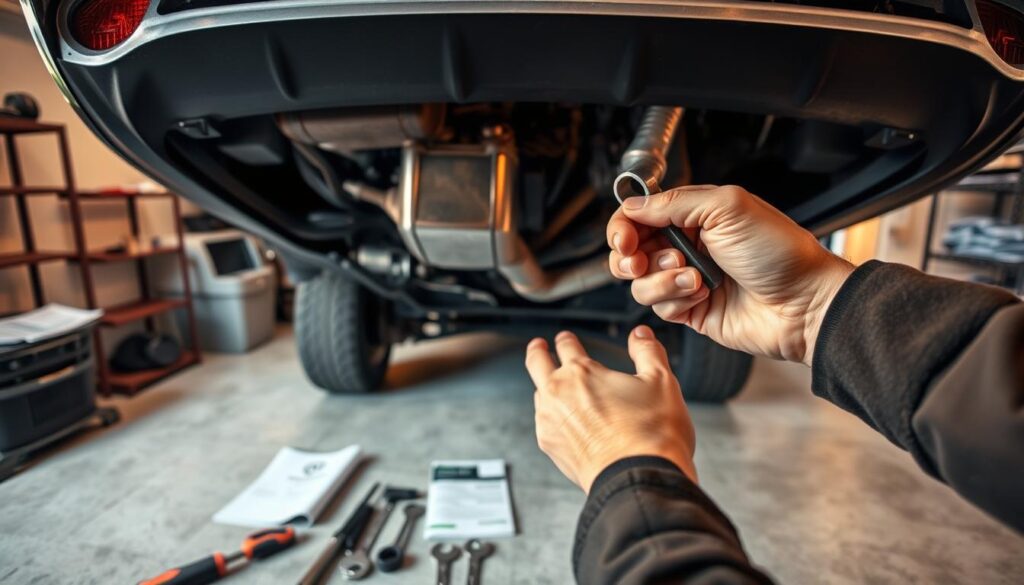
Another crucial DIY task is checking your exhaust system for rust and damage. Rust can weaken the exhaust pipes, leading to leaks and other issues. Inspect your exhaust system regularly for any signs of rust, holes, or damage. Pay particular attention to the areas around the muffler and exhaust pipes, as these are common places for rust to develop. If you notice any damage, consider replacing the affected parts, such as the exhaust pipe, to prevent further issues.
By following these DIY tips, you can significantly prolong the life of your car’s exhaust system and ensure it continues to perform optimally. Regular checks and maintenance can help you identify potential problems early, saving you money on costly repairs down the line.
Professional Exhaust System Services
When it comes to maintaining your car’s exhaust system, knowing when to seek professional help is crucial. While DIY maintenance is beneficial, there are times when a professional mechanic’s expertise is necessary to diagnose and repair complex issues.
When to Seek a Mechanic’s Help
If you’re unsure about the condition of your exhaust system or have identified a problem that requires specialized tools or expertise, it’s time to visit a mechanic. Some signs that indicate the need for professional help include:
- Unusual noises coming from the exhaust system
- Visible signs of rust or damage on the exhaust components
- Decreased vehicle performance or fuel efficiency
If you notice any of these symptoms, don’t hesitate to seek the help of a professional mechanic who can provide a thorough inspection and necessary repairs.
What to Expect During a Professional Check
During a professional check, you can expect a thorough inspection of your exhaust system, including checks for leaks, damage, and performance issues. The mechanic will inspect the catalytic converter and other components to ensure they are functioning properly. Some of the services you can expect include:
- A visual inspection of the exhaust system for signs of damage or wear
- A check for leaks in the exhaust system
- A performance test to ensure the exhaust system is functioning correctly
If any issues are found, the mechanic will provide recommendations for auto exhaust repair or replacement of damaged components. By seeking professional help, you can ensure your exhaust system is in good condition and your vehicle is running efficiently.

In conclusion, while DIY maintenance is important, there are times when professional help is necessary to ensure your exhaust system is functioning correctly. By knowing when to seek help and what to expect during a professional check, you can keep your vehicle running smoothly and efficiently.
Exhaust System Upgrades
Enhancing your car’s exhaust system is a simple yet effective way to improve its overall performance and sound quality. For those looking to take their vehicle to the next level, exhaust system upgrades offer a range of benefits.
Aftermarket Exhaust Options
Aftermarket exhaust systems are designed to replace the factory-installed exhaust system, offering improved performance and a more aggressive sound. These systems come in various configurations, including:
- Cat-back exhaust systems, which replace the exhaust components from the catalytic converter back.
- Axle-back exhaust systems, which focus on the rear section of the exhaust.
- Full exhaust systems, which replace the entire exhaust system from the headers to the tailpipe.
When selecting an aftermarket exhaust system, it’s crucial to consider factors such as material, design, and compatibility with your vehicle.
Benefits of Upgrading Your Exhaust
Upgrading your exhaust system can have several benefits, including:
- Improved Performance: A well-designed exhaust system can improve engine performance by reducing backpressure and increasing the efficiency of exhaust gas flow.
- Enhanced Sound: Aftermarket exhaust systems can provide a more aggressive and sporty sound, enhancing the overall driving experience.
- Increased Efficiency: Some exhaust system upgrades can lead to slight improvements in fuel efficiency, especially when paired with other performance modifications.
It’s also worth noting that a proper exhaust system diagnosis before upgrading can help identify any existing issues that might impact the performance of the new system. Additionally, considering muffler repair or replacement as part of the upgrade can further enhance the overall outcome.
Environmental Regulations and Compliance
Compliance with environmental regulations is not just a legal necessity but also a step towards a cleaner environment. Vehicle emissions are a significant contributor to air pollution, and regulatory bodies have set strict emission standards to mitigate this issue.
Understanding Emission Standards
Emission standards are designed to limit the amount of pollutants released into the atmosphere by vehicles. These standards vary by region but generally include limits on carbon monoxide, nitrogen oxides, and particulate matter. Understanding these standards is crucial for vehicle owners to ensure their cars are compliant.
Emission standards are a critical component of environmental regulations. They are designed to reduce the harmful impact of vehicle emissions on the environment. For instance, the United States Environmental Protection Agency (EPA) sets stringent standards for vehicle emissions, including limits on pollutants such as carbon monoxide and nitrogen oxides.
Importance of a Functional Exhaust
A functional exhaust system is vital for reducing vehicle emissions. It helps in controlling the pollutants released into the atmosphere, thereby playing a crucial role in meeting emission standards. A well-maintained exhaust system ensures that your vehicle is running efficiently and emitting fewer pollutants.
A well-maintained exhaust system is not just about performance; it’s also about compliance with environmental regulations. The exhaust system is responsible for reducing harmful emissions through various mechanisms, including catalytic converters that convert pollutants into less harmful substances. Regular maintenance of the exhaust system, such as checking for leaks and ensuring that all components are in good condition, is essential for minimizing environmental impact.
“Reducing emissions is not just a regulatory requirement; it’s a necessity for a sustainable future.” – Environmental Protection Agency
By ensuring your vehicle complies with emission standards and maintaining a functional exhaust system, you contribute to a cleaner environment and a healthier community.
Conclusion and Best Practices
Maintaining your car’s exhaust system is crucial for vehicle performance and environmental sustainability. By following the guidelines outlined in this article, you can ensure the longevity of your vehicle’s exhaust system.
Key Takeaways for Exhaust System Care
Regular car exhaust maintenance involves inspecting your exhaust system for signs of damage, rust, or wear. Timely repairs and cleaning can significantly improve your vehicle’s performance and reduce its environmental impact.
Effective exhaust system maintenance also involves being aware of the signs that indicate your exhaust system needs attention, such as unusual noises or increased fuel consumption. By staying vigilant and addressing issues promptly, you can prevent more severe problems from developing.
Long-Term Benefits of Proper Maintenance
Proper car exhaust maintenance not only enhances your vehicle’s performance but also contributes to a cleaner environment by reducing emissions. By incorporating these best practices into your vehicle care routine, you can enjoy a healthier, more efficient vehicle for years to come.