




Maintaining your vehicle’s engine is crucial for its longevity, and one key aspect is ensuring the coolant level is adequate. Coolant, also known as antifreeze, plays a vital role in regulating engine temperature, preventing it from overheating or freezing. Neglecting coolant maintenance can lead to serious engine damage, costly repairs, and even render your vehicle undrivable.
Understanding how to check car coolant levels and refill it when necessary is a simple yet vital task. This guide will walk you through the process, helping you keep your engine running smoothly and efficiently.
Key Takeaways
- Regular coolant checks can prevent engine overheating.
- Neglecting coolant maintenance can lead to costly repairs.
- Understanding the type of coolant your vehicle needs is crucial.
- Refilling coolant is a straightforward process with the right guidance.
- Proper coolant maintenance enhances engine longevity.
Why Checking Your Car Coolant is Important
Maintaining your car’s coolant is crucial for preventing overheating and ensuring the longevity of your engine. Coolant, also known as antifreeze, plays a pivotal role in regulating your engine’s temperature, preventing it from overheating or freezing in extreme conditions.
Understanding the Role of Coolant
Coolant circulates through your engine, absorbing heat and transferring it to the radiator where it’s cooled down. This process is essential for maintaining an optimal engine temperature. Without sufficient coolant, your engine can overheat, leading to costly repairs. The coolant also contains additives that protect your engine’s metal components from corrosion.
Signs of Low Coolant Levels
Recognizing the signs of low coolant levels can help you address the issue before it becomes a major problem. Common indicators include:
- The coolant level is below the minimum mark on the reservoir.
- The dashboard warning light for the coolant temperature is illuminated.
- You notice a sweet, syrupy smell inside or outside your car, indicating a coolant leak.
- The engine temperature gauge is higher than usual.
The Consequences of Neglecting Coolant
Neglecting your car’s coolant can have severe consequences, including engine overheating, which can lead to expensive repairs or even require a new engine. Overheating can cause the engine’s metal parts to warp or crack, and in severe cases, it can lead to a complete engine failure. Regularly checking and maintaining your coolant levels is a simple and effective way to prevent these issues.
Tools You’ll Need to Check Coolant
To ensure a smooth and safe coolant check, you’ll need to have the right equipment on hand. Checking your car’s coolant level is a straightforward process when you’re properly prepared.
Essential Tools for the Job
Having the correct tools is crucial for checking coolant levels and maintaining your vehicle’s health. Here are the essential tools you’ll need:
- Coolant Reservoir Cap: This is usually located on top of the radiator or on a separate coolant reservoir.
- Coolant Level Indicator: Some cars have a transparent reservoir with level markings.
- Funnel: To prevent spills when refilling coolant.
- Rag or Paper Towels: For cleaning up any spills.
- Gloves and Safety Glasses: For protecting yourself from potential chemical splashes.

Safety Gear for Checking Coolant
Safety should be your top priority when working with your car’s coolant system. The coolant can be harmful if it comes into contact with your skin or eyes. Here’s a summary of the safety gear you should use:
| Safety Gear | Purpose |
|---|---|
| Gloves | Protects hands from chemical burns and stains |
| Safety Glasses | Protects eyes from coolant splashes |
| Long Sleeves and Pants | Provides additional protection against skin contact |
By having the right tools and safety gear, you’ll be well-prepared to check and refill your car’s coolant safely and efficiently, ensuring your vehicle remains in good condition.
When is the Best Time to Check Coolant?
Understanding the best times to check your car’s coolant can save you from potential engine damage. Regular checks help in car overheating prevention and ensure your vehicle runs smoothly.
Seasonal Considerations
Different seasons bring different challenges for your car’s cooling system. In the summer, your car’s engine is more prone to overheating due to the high temperatures. Therefore, it’s crucial to check car coolant levels before the hot season begins. Ensure the coolant level is at the recommended level, and consider changing it if it’s been a while since the last check.
In the winter, the coolant’s antifreeze properties are just as important. Check that your coolant is suitable for the cold temperatures to prevent it from freezing. A mixture that’s too diluted can freeze, causing engine damage.
Pre-Long Trip Checks
Before embarking on a long trip, checking your car’s coolant is a must. A road trip can put extra strain on your engine, and a malfunctioning cooling system can leave you stranded. Make sure to inspect the coolant level, condition, and the overall cooling system for any signs of leaks or damage.
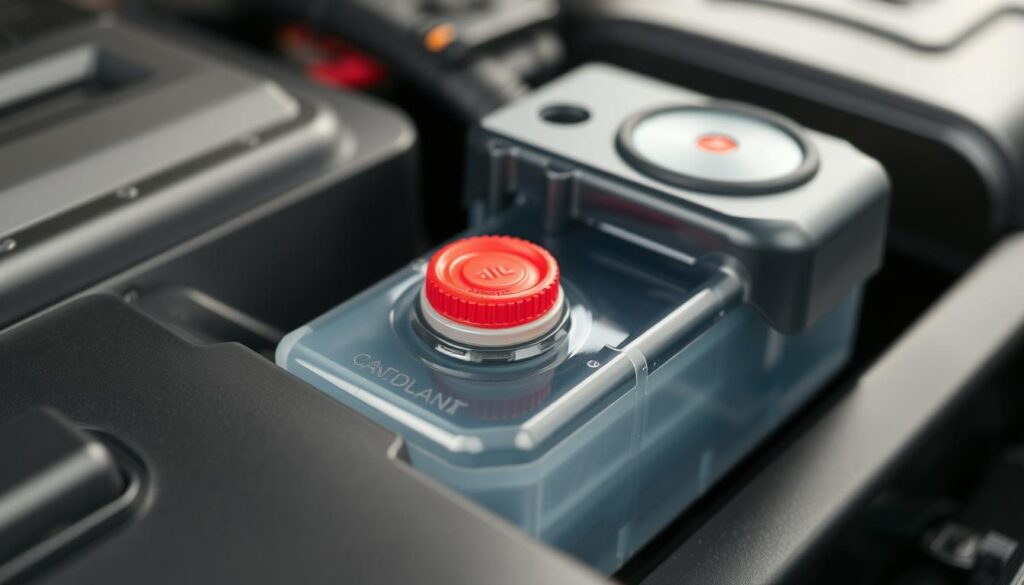
By being proactive and checking your coolant at the right times, you can avoid many potential issues. Regular maintenance is key to a healthy engine and a safe driving experience.
Step-by-Step Guide to Checking Coolant
Don’t wait until your car overheats; learn how to check your coolant level with this step-by-step guide. Checking your car’s coolant is a straightforward process that can save you from costly repairs down the line.
Pop the Hood and Locate the Reservoir
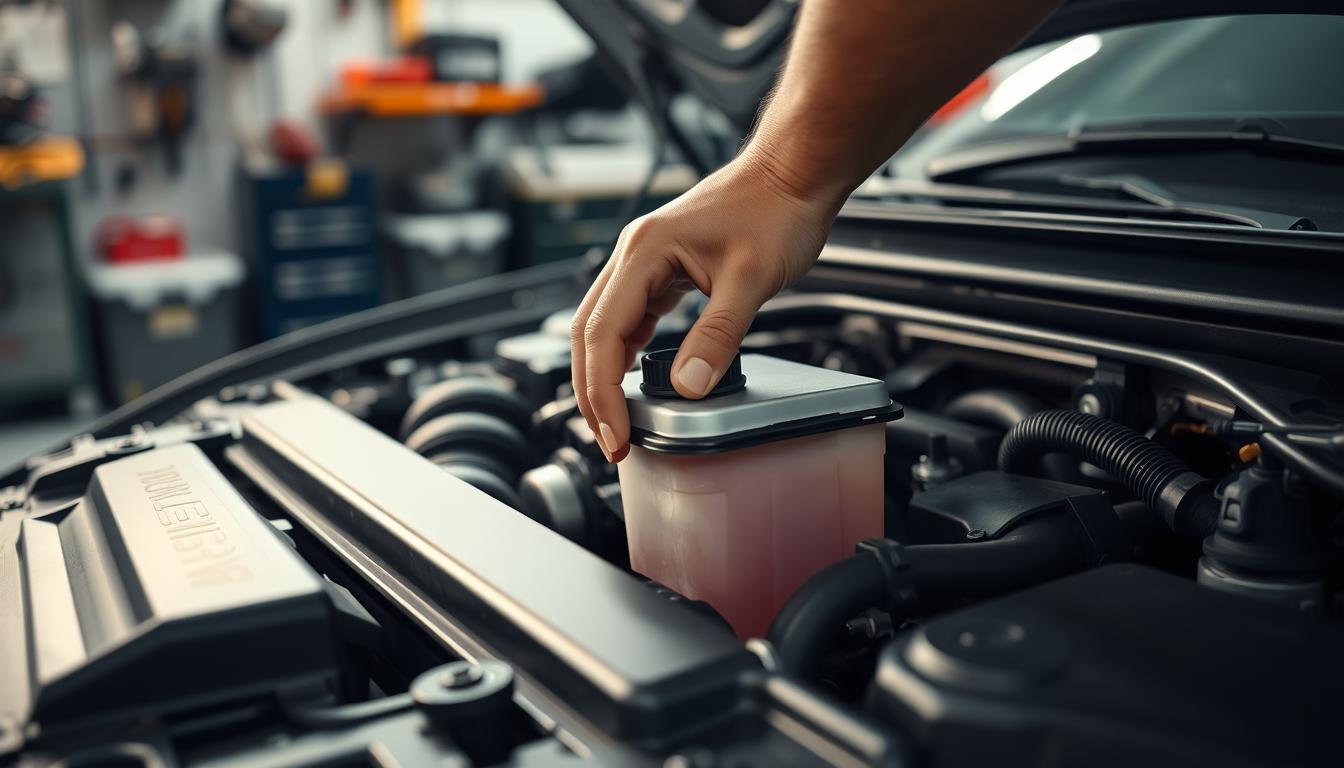
First, ensure your car is parked on a level surface and turned off. Locate the coolant reservoir, usually a transparent plastic tank with markings for minimum and maximum levels. It’s often near the radiator, so consult your car’s manual if you’re unsure.

Checking Coolant Levels with the Dipstick
Some cars use a dipstick to check the coolant level, while others rely on the reservoir’s level markings. For those with a dipstick, remove it, wipe it clean, and insert it back into the reservoir to get an accurate reading. The level should be between the minimum and maximum marks. For cars without a dipstick, simply check the level against the reservoir’s markings.
As a general rule, the coolant level should be at or near the maximum mark when the engine is cold. A low level could indicate a leak or excessive consumption, so it’s crucial to investigate further if you notice a significant drop.
What to Do When Coolant is Low
If your coolant level is low, you’ll need to top it off. Refer to your car’s manual to determine the correct type of coolant to use. When adding coolant, do so slowly to prevent air bubbles from forming in the system. It’s also a good opportunity to inspect the system for leaks or other issues.
“Regular checks can prevent overheating and costly repairs. It’s a simple maintenance task that pays off in the long run.”
For a DIY coolant refill, ensure you’re using the correct mixture of coolant and water, typically a 50/50 mix, but this can vary. Always dispose of any leftover coolant properly, as it’s hazardous to the environment.
| Coolant Type | Recommended Mix | Notes |
|---|---|---|
| Ethylene Glycol | 50/50 with water | Common in most vehicles |
| Propylene Glycol | 50/50 with water | Some Asian vehicles |
| Organic Acid Technology (OAT) | Varies, check manual | Long-life coolant |
By following these steps, you can ensure your car’s cooling system is functioning properly, helping to prevent overheating and prolonging the life of your engine.
How to Refill Coolant Safely
Coolant maintenance is crucial for your car’s health, and refilling it safely is easier than you think. Ensuring that your coolant levels are adequate is vital for preventing engine overheating and damage. In this section, we will guide you through the process of refilling your car’s coolant safely and effectively.

Choosing the Right Type of Coolant
The first step in refilling your coolant is selecting the correct type. There are several types of coolant available, including green ethylene glycol-based coolant, orange or yellow OAT (Organic Acid Technology) coolant, and pink or red HOAT (Hybrid Organic Acid Technology) coolant. It’s essential to consult your vehicle’s owner’s manual to determine the recommended coolant type for your car.
Key Considerations:
- Check the owner’s manual for the recommended coolant type.
- Consider the climate you drive in; some coolants are better suited for extreme temperatures.
- Be aware of the compatibility of different coolant types with your vehicle’s materials.
As noted by a leading automotive expert, “Using the wrong type of coolant can lead to corrosion and damage to your engine’s components.”
“The choice of coolant is not just about preventing freezing or boiling; it’s also about protecting your engine’s longevity.”
Step-by-Step Refilling Process
Once you have the correct coolant, follow these steps to refill it safely:
- Ensure your car is parked on a level surface and turned off. Allow the engine to cool down completely before starting.
- Locate the coolant reservoir, typically a transparent plastic tank with markings for minimum and maximum levels.
- Check the current coolant level against the markings on the reservoir.
- If the level is low, prepare the new coolant according to the manufacturer’s instructions. Some coolants come pre-mixed, while others need to be mixed with distilled water.
- Slowly pour the new coolant into the reservoir until it reaches the recommended level.
- Replace the reservoir cap securely.
- Start the engine and let it run for a few minutes. Monitor the dashboard for any warning lights.
- Check the coolant level again after the engine has cooled down and top it off if necessary.
Remember, safety first: Always wear protective gloves and eyewear when handling coolant to avoid skin and eye irritation.
Common Mistakes When Handling Coolant
Understanding the correct way to handle coolant is vital for preventing car overheating and ensuring the longevity of your vehicle’s engine. Despite its importance, many drivers unknowingly commit errors when checking and refilling their car’s coolant. Two of the most common mistakes include overfilling the reservoir and mixing different types of coolant.
Overfilling the Reservoir
Overfilling the coolant reservoir can lead to pressure build-up, potentially causing leaks or damage to the cooling system. It’s essential to check the coolant level against the maximum mark on the reservoir. Always refer to your vehicle’s manual for the correct procedure. Leaving the coolant at the recommended level helps in maintaining the system’s integrity and prevents unnecessary repairs.

Mixing Different Types of Coolant
Mixing different types of coolant can result in a chemical reaction that reduces the coolant’s effectiveness or even damages the engine. It’s crucial to use the type of coolant recommended by your vehicle’s manufacturer. If you’re unsure about the type of coolant in your vehicle or need to top it off, consult your vehicle’s manual or contact a professional mechanic for advice.
Signs That Your Coolant Needs Replacement
Knowing the signs that indicate your coolant needs replacement can save you from costly repairs. Coolant, also known as antifreeze, plays a crucial role in regulating your car’s engine temperature. Over time, it can degrade, losing its effectiveness.
Changes in Color and Texture
One of the primary indicators that your coolant needs replacement is a change in its color and texture. Fresh coolant is typically a vibrant green, orange, or pink, depending on its type. As it ages, it can become dull, murky, or even rusty. Check your coolant’s color against the manufacturer’s recommended color to determine if it’s still good.
Besides color, the texture of the coolant can also indicate its condition. If it appears sludgy or contains particles, it’s a sign that the coolant has broken down and is no longer effective. Regularly inspecting your coolant can help you catch these issues early.
Unusual Smells from Coolant
Another sign that your coolant needs replacement is an unusual or unpleasant smell. Fresh coolant has a sweet, slightly chemical odor. If your coolant smells sour, musty, or strongly chemical, it may be degrading. An unusual smell can indicate that the coolant has broken down and is no longer doing its job properly.
- Pay attention to any unusual odors when you check your coolant level.
- If you notice a persistent bad smell, consider having your coolant checked or replaced.
By being aware of these signs, you can ensure your car’s coolant is always in good condition, protecting your engine from overheating and damage.
How to Dispose of Old Coolant Properly
Used coolant disposal requires careful consideration to prevent environmental harm. Coolant, also known as antifreeze, is a toxic substance that can contaminate soil and water if not disposed of correctly. As part of responsible car maintenance, understanding how to handle old coolant is crucial.
Understanding Coolant Hazards
Coolant contains ethylene glycol or propylene glycol, which are hazardous to humans, pets, and wildlife. Improper disposal, such as pouring it down the drain or into the ground, can lead to serious environmental issues. It’s essential to recognize the risks associated with used coolant to take appropriate action.
“The improper disposal of hazardous waste, including used coolant, poses significant risks to our environment and public health. It’s our responsibility to ensure that such materials are handled and disposed of in an environmentally responsible manner.”
Eco-Friendly Disposal Methods
So, how can you dispose of old coolant in an eco-friendly way? Here are some steps to follow:
- Check with local service stations or garages to see if they accept used coolant for recycling.
- Contact local waste management facilities to inquire about hazardous waste collection events or designated drop-off locations.
- Participate in community recycling programs that accept automotive fluids.
Some communities also have specific collection facilities for hazardous household waste, which may include used coolant. It’s also worth noting that some coolant manufacturers offer recycling programs for their products.
| Disposal Method | Eco-Friendliness | Convenience |
|---|---|---|
| Local Recycling Centers | High | Moderate |
| Hazardous Waste Collection Events | High | Low |
| Manufacturer Recycling Programs | High | Moderate |
By choosing the right disposal method, you’re not only protecting the environment but also contributing to a safer community. Remember, responsible coolant disposal is a critical aspect of DIY coolant refill and overall car maintenance.
Professional Services for Coolant Checks
Professional services for coolant checks offer a hassle-free way to ensure your vehicle’s cooling system is functioning properly. Many car owners prefer to have a professional mechanic handle coolant checks, especially if they’re unsure about the process or have complex vehicle systems.
What to Expect from a Mechanic
When you take your car to a professional mechanic for a coolant check, you can expect a thorough inspection of your vehicle’s cooling system. This includes checking the coolant level and condition, inspecting the radiator, hoses, and other components for leaks or damage, and ensuring the cooling system is functioning correctly.
- Checking the coolant level and condition
- Inspecting the radiator, hoses, and other components for leaks or damage
- Ensuring the cooling system is functioning correctly
When to Seek Professional Help
It’s advisable to seek professional help if you’re unsure about checking your coolant or if you’ve noticed any signs of coolant-related issues, such as:
- Overheating engine: If your engine is consistently running hot, it may indicate a problem with the cooling system.
- Leaks or spills: If you notice coolant leaking or spilled around the engine or radiator, it’s best to have a professional inspect and repair the issue.
- Unusual noises or smells: Strange noises or smells coming from the engine or cooling system can signal a problem that requires professional attention.
By seeking professional services for coolant maintenance, you can ensure your vehicle remains in good condition and avoid potential issues down the road.
Maintaining Optimal Coolant Levels
To keep your car’s engine running smoothly, maintaining optimal coolant levels is crucial. Regular checks and consistent maintenance can prevent overheating and costly repairs. When you perform a DIY coolant refill, ensure you’re using the correct type of coolant for your vehicle.
Tips for Regular Checks
Schedule regular coolant checks every few months or during routine maintenance visits. Inspect the coolant reservoir for signs of leaks or contamination. Check the coolant level against the minimum and maximum marks on the reservoir to ensure it’s within the recommended range.
The Importance of Consistency
Consistency is key to maintaining optimal coolant levels. Make it a habit to check your coolant regularly, especially before long trips or during seasonal changes. By doing so, you’ll be able to identify potential issues early and keep your car’s engine protected. Regularly checking your car coolant can help prevent engine damage and ensure a smooth driving experience.