





Maintaining your vehicle’s health is crucial, and one often overlooked aspect is the transmission fluid. Knowing how to check it like a professional can save you from costly repairs and ensure your car runs smoothly.
Checking your vehicle’s transmission fluid is a simple yet vital process. It involves locating the transmission dipstick, checking the fluid’s color and level, and ensuring it’s at the recommended level. By doing so, you’ll be able to identify any potential issues before they become major problems.
Key Takeaways
- Understand the importance of checking transmission fluid for your vehicle’s health.
- Learn the steps to check transmission fluid like a professional.
- Identify potential issues with your vehicle’s transmission early on.
- Save money by avoiding costly repairs through regular checks.
- Ensure your car runs smoothly and efficiently.
Why Transmission Fluid is Important
Transmission fluid is the lifeblood of your vehicle’s transmission system, playing a crucial role in its performance and longevity. It serves multiple critical functions, including lubricating the transmission’s components, regulating temperature, and facilitating smooth gear shifts.
The Role of Transmission Fluid in Vehicle Performance
The transmission fluid is essential for maintaining the health of your vehicle’s transmission. It lubricates the moving parts, reducing friction and preventing wear and tear. Additionally, it helps in regulating the transmission’s temperature, ensuring that it operates within a safe range. This is crucial because excessive heat can lead to fluid degradation and transmission damage.

Signs of Low Transmission Fluid
Low transmission fluid levels can lead to a range of issues, including slipping gears, unusual noises, and delayed or harsh shifting. If you notice any of these symptoms, it’s essential to check your transmission fluid level promptly. Other signs may include a burning smell or a leaking fluid under your vehicle.
Consequences of Neglecting Transmission Fluid
Neglecting transmission fluid maintenance can have severe consequences, including costly repairs or even complete transmission failure. When the fluid level drops or becomes contaminated, it can no longer perform its critical functions effectively. Regular checks and maintenance of the transmission fluid are vital to prevent such outcomes and ensure your vehicle runs smoothly.
When to Check Your Transmission Fluid
To keep your vehicle running smoothly, it’s vital to know when to check the transmission fluid. Regular checks can help identify potential issues before they become major problems.
Recommended Intervals for Fluid Checks
Most vehicle manufacturers recommend checking transmission fluid at specific intervals, which can vary depending on the vehicle’s make and model. Typically, the recommended interval is between 30,000 to 60,000 miles. However, it’s essential to consult your vehicle’s owner’s manual for the manufacturer’s recommended schedule.
Some general guidelines to keep in mind:
- Check transmission fluid every 30,000 to 60,000 miles for normal driving conditions.
- For vehicles subjected to severe driving conditions (e.g., towing, extreme temperatures), check more frequently, typically every 15,000 to 30,000 miles.
Cues from Your Vehicle’s Owner Manual
The best source for determining when to check your transmission fluid is your vehicle’s owner’s manual. The manual will provide the manufacturer’s recommended maintenance schedule, including when to check the transmission fluid. It’s crucial to follow this schedule to ensure your vehicle’s transmission operates smoothly.
If you’re unsure where to find this information in your owner’s manual, look for sections titled “Maintenance Schedule” or “Transmission Fluid Check.” Some manuals may also include a maintenance log where you can record the date and mileage of your transmission fluid checks.
Types of Transmission Fluid You May Encounter
Transmission fluids come in various formulations, each designed to meet the specific needs of different vehicles. Understanding these differences is crucial for maintaining your vehicle’s transmission health.
Conventional vs. Synthetic Transmission Fluids
Conventional transmission fluids are derived from petroleum-based hydrocarbons, while synthetic transmission fluids are formulated from chemical compounds that offer superior performance in extreme temperatures. Synthetic fluids generally provide better lubrication, wear protection, and fuel efficiency compared to their conventional counterparts.
The choice between conventional and synthetic transmission fluid depends on your vehicle’s specifications and your driving habits. For instance, if you drive in extreme temperatures or engage in heavy-duty driving, synthetic transmission fluid might be the better choice.
| Fluid Type | Characteristics | Best For |
|---|---|---|
| Conventional | Petroleum-based, standard performance | Typical driving conditions, standard vehicle types |
| Synthetic | Chemically formulated, superior performance in extreme temperatures | Extreme temperatures, heavy-duty driving, high-performance vehicles |
Specific Fluid Requirements for Different Vehicles
Different vehicles have specific transmission fluid requirements, as outlined in the owner’s manual. Using the wrong type of fluid can lead to decreased performance and potentially damage your transmission.
For example, some vehicles require ATF (Automatic Transmission Fluid), while others might need CVT (Continuously Variable Transmission) fluid or MTF (Manual Transmission Fluid). It’s essential to consult your vehicle’s manufacturer guidelines to determine the correct fluid type.
By understanding the types of transmission fluids available and their specific applications, you can make informed decisions about your vehicle’s car maintenance fluids and ensure the longevity of your transmission.
Essential Tools for Checking Transmission Fluid
Checking your transmission fluid like a pro starts with having the essential tools at your disposal. A well-prepared DIY enthusiast is better equipped to handle the task safely and effectively.
What You Need to Get Started
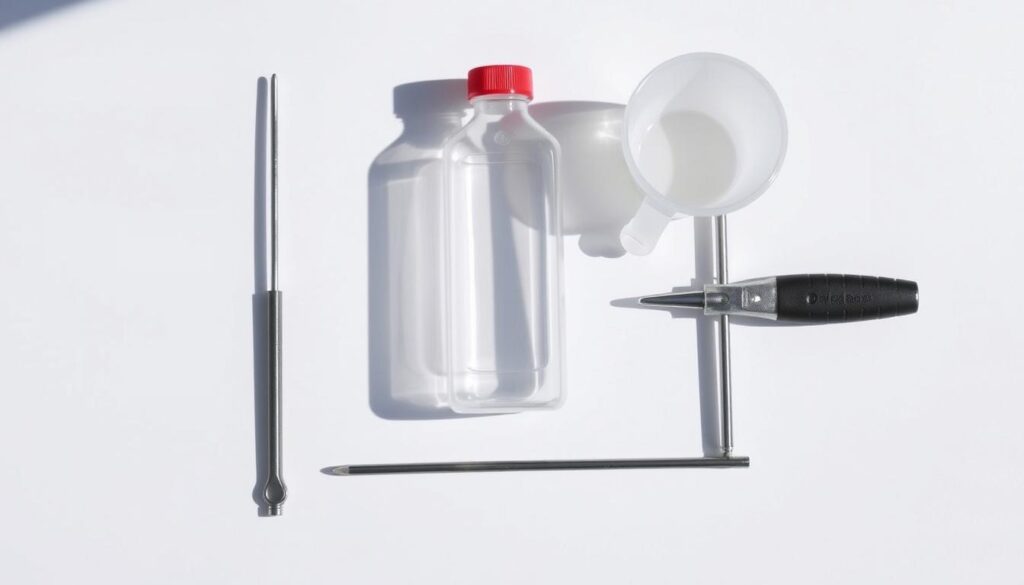
To check your transmission fluid, you’ll need a few basic tools. First and foremost, you’ll need the dipstick specifically designed for your vehicle’s transmission. This is usually labeled and can be found under the hood. A lint-free rag is also necessary for wiping the dipstick clean to ensure an accurate reading. Additionally, having a pair of safety gloves and protective eyewear can protect you from any potential spills or splashes.
As Popular Mechanics notes, “The right tools can make all the difference in DIY car maintenance.” Having the correct equipment not only makes the process smoother but also enhances safety.
Safety Gear and Precautions
Safety should always be your top priority when working under the hood. Ensure your vehicle is parked on a level surface and apply the parking brake. It’s also a good idea to consult your vehicle’s owner’s manual for any specific safety recommendations related to transmission fluid checks.
- Wear protective gear such as gloves and eyewear.
- Ensure the vehicle is in park (or the appropriate gear for your vehicle type) and apply the parking brake.
- Be cautious of hot engine parts.
By being prepared with the right tools and taking necessary safety precautions, you’ll be able to check your transmission fluid with confidence. As
“A well-maintained vehicle is a safe vehicle,”
emphasizes the importance of regular checks and maintenance.
Steps to Check Your Transmission Fluid
Understanding how to check your transmission fluid is crucial for the longevity of your vehicle’s transmission system. Regular checks can help you identify potential issues before they become major problems.
Finding the Dipstick
The first step in checking your transmission fluid is locating the dipstick. The dipstick is typically labeled and is found under the hood of your vehicle. Consult your vehicle’s owner’s manual if you’re having trouble finding it, as the location can vary between different models.

How to Interpret Fluid Color and Consistency
Once you’ve located and pulled out the dipstick, you’ll need to inspect the fluid’s color and consistency. Transmission fluid should be pink or red and have a smooth consistency. If the fluid is dark or has a burnt smell, it may be a sign that it’s dirty or degraded.
“Transmission fluid that’s dark or has particles in it is a clear indication that it needs to be changed.”
Checking Fluid Level: A Step-by-Step Guide
To check the fluid level, follow these steps:
- Ensure your vehicle is parked on a level surface.
- Engage the parking brake and put the transmission in park (automatic) or neutral (manual).
- Pull out the dipstick, wipe it clean with a lint-free cloth, and insert it back into the transmission.
- Pull out the dipstick again and check the fluid level against the markings on the dipstick.
The fluid level should be between the “MIN” and “MAX” marks. If it’s below the “MIN” mark, you’ll need to add more fluid. Be sure to use the correct type of transmission fluid for your vehicle, as specified in the owner’s manual.
Troubleshooting Common Issues
Transmission fluid checks can reveal potential problems, and knowing how to address them is crucial. When you check your car’s gearbox fluid, you’re not just ensuring the fluid level is adequate; you’re also looking out for signs of trouble that could lead to serious transmission damage if left unchecked.
Identifying Potential Problems from Fluid Checks
During a DIY transmission fluid check, you might notice that the fluid level is lower than recommended or that the fluid appears dirty or contaminated. These are clear indicators of potential issues. Low fluid levels could be due to leaks in the system, while dirty or contaminated fluid might suggest that the fluid has broken down over time or has been compromised by debris or moisture.

What to Do If Fluid is Low or Dirty
If you find that your transmission fluid is low, the first step is to check for leaks in the transmission system. Inspect the area around the transmission and the fluid pan for any signs of leakage. If you find a leak, it’s advisable to consult a professional mechanic to repair it.
If the fluid is dirty or contaminated, it may be necessary to change the transmission fluid. This involves draining the old fluid and replacing it with new fluid that meets the specifications outlined in your vehicle’s owner’s manual. For most vehicles, this is a task that can be done at home with the right tools, but it’s always a good idea to consult a professional if you’re unsure.
Regular checks and maintenance of your car’s gearbox fluid are essential for preventing transmission problems. By staying on top of fluid checks and addressing any issues promptly, you can help ensure your vehicle runs smoothly and prolong the life of your transmission.
How Often Should You Change Transmission Fluid?
Understanding when to change your transmission fluid can significantly impact your vehicle’s performance and longevity. The frequency of transmission fluid changes is not a one-size-fits-all answer, as it depends on several factors including the type of vehicle, driving conditions, and the manufacturer’s recommendations.
Factors Influencing Fluid Change Frequency
Several factors can influence how often you should change your car maintenance fluids, particularly transmission fluid. These include:
- The type of transmission your vehicle has (automatic, manual, CVT, etc.)
- Driving conditions such as extreme temperatures, towing, or frequent stop-and-go traffic
- The age and mileage of your vehicle
- The manufacturer’s recommended maintenance schedule
Expert Recommendations on Fluid Change Timing
While manufacturer recommendations vary, many experts suggest changing transmission fluid every 30,000 to 60,000 miles. However, it’s crucial to check your vehicle’s owner manual or consult with a professional mechanic to determine the best schedule for your specific vehicle. Some modern vehicles may have longer intervals between recommended changes, thanks to advancements in transmission fluid technology.
Monitoring your vehicle’s transmission oil level and condition can also provide insights into when a change might be necessary. Dark or dirty fluid can be a sign that it’s time for a change, regardless of the mileage.
DIY vs. Professional Transmission Fluid Maintenance
When it comes to checking transmission fluid, many car owners face a dilemma: should they do it themselves or seek professional help? Both approaches have their merits and drawbacks.
Pros and Cons of Checking Fluid Yourself
Checking your transmission fluid yourself can be cost-effective and allows you to monitor your vehicle’s health regularly. However, it requires some knowledge and the right tools.
- Advantages:
- Saves money on labor costs
- Helps you understand your vehicle’s condition better
- Can be done at your convenience
- Disadvantages:
- Requires knowledge of the process
- Risk of incorrect assessment if not done properly
Finding a Reliable Mechanic for Fluid Maintenance
If you decide to have a professional check your transmission fluid, finding a reliable mechanic is crucial. Look for someone with experience and good reviews.
- Ask for referrals from friends or family
- Check online reviews and ratings
- Ensure they have experience with your vehicle’s make
By choosing the right approach for your transmission fluid maintenance, you can ensure your vehicle runs smoothly and prolong its lifespan.
Additional Tips for Maintaining Your Transmission
Beyond checking transmission fluid levels, there are several other routine checks you can perform to keep your transmission healthy. Regular maintenance is crucial for the longevity and performance of your vehicle’s transmission.
Routine Checks Beyond Fluid Levels
Monitoring your vehicle’s performance and being aware of any unusual signs can help in identifying potential transmission issues early. Some key checks include:
- Listening for unusual noises, such as grinding or whining sounds, which can indicate worn-out parts or low fluid levels.
- Noticing any delays or hesitation in gear shifting, which could signal transmission problems.
- Checking for any signs of leakage around the transmission area, which could lead to low fluid levels.
Signs Your Transmission May Need Attention
Being aware of the signs that indicate your transmission needs professional attention can save you from costly repairs down the line. Some of these signs include:
- Slipping or hesitation between gears.
- Unusual noises, such as clunking, whining, or humming.
- Leaks or signs of moisture around the transmission.
Regularly checking these aspects can help in maintaining your transmission’s health. Here’s a summary of key checks and their significance:
| Check | Significance |
|---|---|
| Fluid Level Check | Ensures there’s enough fluid to lubricate and cool the transmission. |
| Noise Monitoring | Unusual noises can indicate worn-out parts or low fluid levels. |
| Leak Inspection | Identifies potential leaks that could lead to low fluid levels and transmission damage. |
By incorporating these checks into your routine maintenance, you can significantly extend the life of your transmission and prevent costly repairs.
Consequences of Infrequent Fluid Checks
Regular transmission fluid checks are crucial; skipping them can have serious repercussions on your vehicle’s performance. “Neglecting transmission maintenance is a surefire way to invite costly problems down the road,” as many automotive experts would agree.
Long-Term Impact on Vehicle Performance
Infrequent transmission fluid checks can lead to a decline in vehicle performance. Over time, the transmission may start to slip, causing hesitation between gear shifts. This can result in a rough driving experience and potentially lead to more severe mechanical issues if left unaddressed.
Decreased Performance: Low transmission fluid levels can cause the transmission to work harder, leading to increased wear and tear on the components. This can result in decreased fuel efficiency and overall vehicle performance.
Potential Repair Costs from Neglecting Checks
Neglecting transmission fluid checks can lead to significant repair costs down the line. If the transmission fluid becomes dirty or degraded, it can cause damage to the transmission’s internal components. In severe cases, this can result in transmission failure, requiring costly repairs or even replacement.
The Cost of Neglect: Failing to maintain proper transmission fluid levels can lead to costly repairs, including the potential need for transmission replacement. According to industry experts, the average cost of transmission replacement can range from $1,800 to $3,400, depending on the vehicle’s make and model.
By staying on top of DIY transmission fluid checks and maintaining the recommended fluid levels, you can avoid these costly repairs and ensure your vehicle runs smoothly for years to come.
Conclusion: Keeping Your Transmission Healthy
Maintaining your vehicle’s transmission is crucial for its longevity and performance. Regular checks and maintenance can help prevent costly repairs and ensure a smooth driving experience.
Key Takeaways
To keep your transmission healthy, it’s essential to check transmission fluid regularly. This simple task can help you identify potential issues before they become major problems. Understanding the type of car gearbox fluid your vehicle requires is also vital, as using the wrong type can lead to damage.
Making Transmission Maintenance a Habit
By incorporating transmission fluid checks into your regular vehicle maintenance routine, you can help extend the life of your transmission. Refer to your owner’s manual for the recommended intervals and make it a point to inspect the fluid level and condition. With consistent care, your vehicle’s transmission will continue to perform optimally, providing you with a reliable and comfortable driving experience.