



Is your vehicle making unusual sounds? Diagnosing car noises is crucial for maintaining your car’s health and preventing costly repairs. Unusual sounds can be an indication of underlying issues that need to be addressed.
By being proactive, you can avoid more significant problems down the road. Understanding the source of the noise is the first step towards a solution. In this article, we’ll guide you through the process of identifying and potentially fixing these noises.
Key Takeaways
- Understand the importance of diagnosing unusual car sounds.
- Learn how to identify the source of the noise.
- Discover steps to potentially fix common issues.
- Maintain your car’s health and prevent costly repairs.
- Be proactive in addressing unusual vehicle sounds.
Understanding the Importance of Diagnosing Car Noises
Every car noise is a message, and decoding it is essential for car owners. The sounds your car produces are indicators of its condition, and understanding these signs can help you address potential issues before they escalate into major problems.
Why Listening Matters
Listening to your car is akin to having a conversation with it. The noises it makes are its way of communicating what’s going on internally. By paying attention to these sounds, you can identify issues early on, potentially saving you from costly repairs down the line. For instance, a grinding noise when applying the brakes could indicate worn-out brake pads, a relatively simple and inexpensive fix if caught early.
Active listening can also enhance your overall driving experience. By being attuned to your car’s sounds, you’re more likely to notice any changes or anomalies, allowing you to take proactive measures to maintain your vehicle’s health.
Types of Car Noises to Watch Out For
Different noises can signal various problems. Here are some common car noises and what they might indicate:
- Squealing or grinding noises when braking
- Clunking or rattling sounds when driving over bumps
- Hissing sounds coming from the engine area
- Whining or grinding noises when accelerating
Understanding these noises is the first step in diagnosing and addressing the underlying issues. The table below provides a quick reference guide to some common car noises and their potential causes.
| Noice Type | Possible Cause |
|---|---|
| Squealing Brakes | Worn-out brake pads |
| Clunking Sounds | Loose or worn-out suspension parts |
| Hissing Engine Noise | Leak in the cooling system or vacuum leak |

By being aware of the types of noises your car makes and understanding what they might indicate, you can take the necessary steps to address potential issues before they become major problems. Regular maintenance and inspections can also help in identifying and fixing issues early on.
Common Car Noises and Their Meanings
The sounds your car makes can be more than just annoying; they can be indicative of underlying car engine sound problems. When you notice unusual noises, it’s essential to identify their source to prevent minor issues from becoming major repairs.

Grinding or Squeaking Brakes
Grinding or squeaking brakes are often a sign of worn-out brake pads or other brake system issues. If you hear a grinding noise when you press the brake pedal, it may indicate that your brake pads are severely worn and need immediate attention. Squeaking can also be a sign of worn pads, but it could also mean that your brake pads are contaminated with debris or are in need of lubrication.
Hissing Sounds from the Engine
A hissing sound emanating from the engine area can be quite alarming. This noise might suggest a leak in the engine’s cooling system or a vacuum leak. It’s crucial to investigate the source of the hiss to determine if it’s related to a loose hose, a damaged radiator, or another issue. Ignoring this sound could lead to overheating or decreased engine performance.
Clunking Noises When Turning
Clunking noises when turning can be related to suspension or steering issues. Worn-out ball joints, loose steering components, or a failing steering rack can all cause clunking sounds. It’s vital to have these issues diagnosed by a professional to ensure your vehicle’s safety and reliability.
As
“A well-maintained vehicle is not just about aesthetics; it’s about safety and performance.”
Regularly checking your car for unusual noises and addressing them promptly can significantly enhance your driving experience.
Diagnosing Noises Under the Hood
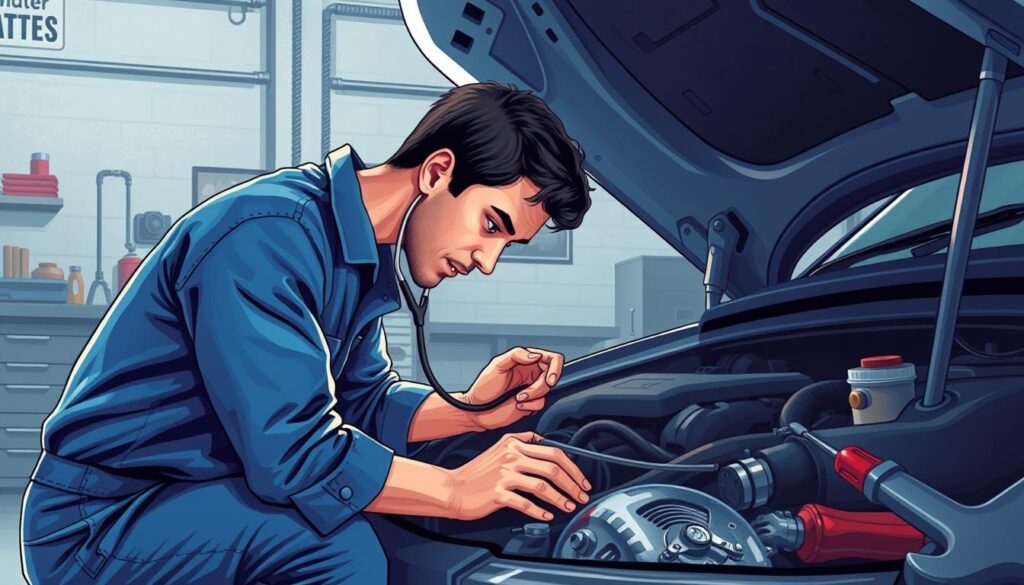
Diagnosing noises under the hood is a crucial step in maintaining your car’s health and preventing costly repairs. The area under the hood houses critical components such as the engine, belts, and hoses, which can be sources of various noises.
When you notice unusual sounds coming from under the hood, it’s essential to identify the type of noise and its potential cause. This can help you address the issue before it becomes a major problem.
Identifying Engine Noises
Engine noises can range from knocking or tapping sounds to hissing or grinding noises. Each type of noise can indicate different potential issues:
- Knocking or Tapping Sounds: Often related to issues with the engine’s valves, lifters, or pistons. Low oil pressure or improper lubrication can also cause these sounds.
- Hissing Sounds: Typically indicate a leak in the engine’s vacuum system or a problem with the cooling system.
- Grinding Noises: Can be a sign of worn or failing engine bearings or other internal engine components.
Identifying the exact nature of the noise is crucial for determining the appropriate fix. For instance, a knocking sound might require checking the oil level and quality, while a hissing sound could necessitate inspecting the hoses and connections for leaks.
Exhaust Emissions and Their Sounds
Exhaust emissions and their associated sounds can also provide valuable clues about your car’s condition. Unusual exhaust noises can indicate issues such as:
- Leaks in the Exhaust System: Holes or cracks in the exhaust manifold or pipes can cause hissing or roaring sounds.
- Clogged or Dirty Exhaust Components: A clogged catalytic converter or muffler can lead to unusual noises, such as rattling or droning.
- Faulty Oxygen Sensor: A malfunctioning oxygen sensor can cause the engine to run rich or lean, potentially leading to unusual exhaust sounds.
Addressing exhaust emission issues not only helps in reducing harmful emissions but also improves your car’s performance and fuel efficiency. If you’re unsure about the source of the noise or how to fix it, consulting a professional mechanic is always a good idea.
By paying attention to the noises under the hood and taking prompt action, you can help ensure your car runs smoothly and efficiently, potentially saving you from costly repairs down the line.
Noises from the Tires and Suspension
Noises from the tires and suspension can be just as alarming as those coming from under the hood, and they require prompt attention. These sounds can indicate a range of issues, from minor problems to more serious mechanical failures.

Exploring Tire Issues
Tire-related noises are often a sign of uneven wear, improper inflation, or damage to the tire itself. Uneven wear can cause a variety of sounds, including thumping or squealing noises, depending on the nature of the wear. For instance, if the tread is worn down on one side, it might produce a sound similar to a constant humming while driving.
To diagnose tire issues, start by checking the tire pressure and looking for signs of uneven wear. If the tires are worn unevenly, it might be necessary to rotate them or adjust the wheel alignment. In cases where the tire is damaged, such as a bubble or a puncture, repair or replacement might be necessary.
Recognizing Suspension Problems
The suspension system is designed to absorb bumps and provide a smooth ride. When it starts to fail, it can produce clunking, creaking, or rattling noises, especially when driving over uneven surfaces. Suspension problems can lead to a decrease in vehicle handling and safety.
Common signs of suspension issues include a bouncy ride or a clunking noise when hitting bumps. If you notice any of these symptoms, it’s essential to have your suspension inspected by a professional. They can identify the source of the problem and recommend the necessary repairs.
By addressing tire and suspension issues promptly, you can prevent more severe problems from developing, ensuring your car remains safe and reliable on the road.
Interior Noises and What They Indicate
Interior noises in your car are more than just a nuisance; they can be indicative of underlying issues. These sounds can range from faint rattles to loud clunks, and understanding their causes is crucial for maintaining your vehicle’s health.

Sounds from the Dashboard
The dashboard is a complex area with various components, including the heating and cooling system controls, radio, and wiper controls. Noises from this area, such as clicking or rattling sounds, can indicate worn-out or loose parts. For instance, a rattling noise from the dashboard might suggest that the glove compartment is loose or that there’s an issue with the internal mechanisms of the HVAC controls.
Common causes of dashboard noises include:
- Loose trim or molding
- Faulty or worn-out controls
- Malfunctioning HVAC system components
A/C and Heating System Noises
The air conditioning and heating system is another common source of interior noises. Sounds like rattling, whirring, or hissing can indicate problems within the system. For example, a rattling noise when you turn on the A/C might suggest that the compressor clutch is worn out or that there’s debris in the system.
| Noise Type | Possible Cause |
|---|---|
| Rattling | Loose or worn-out compressor clutch |
| Whirring | Failing blower motor |
| Hissing | Refrigerant leak or blockage in the system |
Understanding these common car noises can help you identify potential issues before they become major problems. Regular checks and maintenance can prevent these noises from occurring in the first place.
When to Consult a Professional Mechanic
While some car noises can be diagnosed at home, others require the expertise of a professional mechanic. Car engine sound problems, in particular, can be complex and require specialized knowledge to diagnose and repair correctly. Understanding when to seek help is crucial for car owners to prevent minor issues from becoming major problems.
Signs it’s Time to Seek Help
There are several signs that indicate it’s time to consult a professional mechanic. These include:
- Persistent or Worsening Noises: If the noise doesn’t go away or gets louder over time, it’s a sign that the issue is serious.
- Noises Accompanied by Other Symptoms: If the noise is accompanied by vibrations, warning lights on the dashboard, or other unusual symptoms, it’s time to seek help.
- Unusual Sounds from Critical Systems: Noises from the engine, transmission, or braking system are particularly concerning and should be checked by a professional.
Choosing the Right Mechanic
Once you’ve decided to seek professional help, choosing the right mechanic is the next crucial step. Consider the following:
- Experience and Expertise: Look for a mechanic with experience in dealing with your car’s make and model, and with the specific issue you’re facing.
- Reputation and Reviews: Check online reviews and ask for referrals from friends or family to find a reputable mechanic.
- Certifications and Qualifications: Ensure the mechanic is certified by a recognized automotive organization, such as the National Institute for Automotive Service Excellence (ASE).
Quick Tips for At-Home Diagnosis
At-home diagnosis is a cost-effective way to tackle strange car noises before consulting a professional. By having the right tools and following some basic steps, you can often identify the source of the noise and potentially fix the issue.
Before you start, it’s essential to understand that some car noises can be harmless, while others might indicate a serious problem. Listening carefully to the noise and observing when it occurs can provide valuable clues. For instance, does the noise happen when you’re idling, accelerating, or braking?
Tools You Might Need
Having the right tools can make a significant difference in diagnosing car noises. Here are some basic tools you might need:
- A flashlight to inspect dark or hard-to-reach areas
- An inspection mirror to view areas behind or under components
- A basic toolkit (screwdrivers, pliers, etc.) to inspect or adjust parts
- A car manual or repair guide specific to your vehicle’s make and model
Basic Troubleshooting Steps
Once you have the necessary tools, follow these basic troubleshooting steps:
- Identify when the noise occurs: Is it constant, or does it happen under specific conditions like when turning or braking?
- Locate the source of the noise: Use your ears and the tools mentioned to pinpoint where the noise is coming from.
- Inspect the area: Look for signs of wear, damage, or loose parts.
- Consult resources: Use your car manual or online forums to understand what the noise might indicate.
For example, a hissing sound from under the hood could indicate a leak in the cooling system. Referring to your car’s manual can help you understand the potential causes and solutions.
| Noise Type | Possible Cause | Action |
|---|---|---|
| Grinding or Squeaking | Worn-out brake pads | Inspect brake pads, consider replacement |
| Hissing | Leak in the cooling system | Check coolant level, inspect for leaks |
| Clunking | Loose or worn-out suspension parts | Inspect suspension, tighten or replace parts as needed |
As a seasoned mechanic once said, “The key to diagnosing car problems is listening; the car will tell you what’s wrong if you pay attention.”
“Paying attention to your car’s noises is the first step towards maintaining its health.”
Preventive Measures to Avoid Noises
To keep your car running smoothly and quietly, adopting preventive measures is crucial. By being proactive, you can identify and address potential issues before they escalate into more significant problems.
One of the key preventive measures is conducting regular maintenance checks. This involves routine inspections of your vehicle’s critical systems, including the engine, brakes, suspension, and tires. Regular checks can help you catch wear and tear early, reducing the likelihood of annoying noises.
Regular Maintenance Checks
Regular maintenance checks are vital for the longevity and health of your vehicle. During these checks, mechanics can identify worn-out parts, misalignments, or other issues that could lead to noises. For instance, worn-out brake pads can cause squealing or grinding noises when you apply the brakes. By replacing these parts early, you can avoid more severe problems down the line.
Additionally, regular maintenance checks provide an opportunity to inspect your vehicle’s belts, hoses, and other components that are prone to wear and tear. Replacing these parts at the recommended intervals can prevent unexpected failures and the associated noises.
Importance of Quality Parts
Using quality parts during repairs or replacements is another crucial aspect of preventing car noises. While cheaper alternatives might seem appealing, they often don’t last as long or perform as well as their higher-quality counterparts. This can lead to more frequent replacements and potentially more noise or issues in the future.
Investing in quality parts might seem more expensive upfront, but it pays off in the long run by reducing the need for frequent repairs and minimizing the risk of noise-related problems. For example, high-quality brake pads may cost more than generic ones but will generally provide better performance and longer lifespan, reducing the likelihood of brake noise.
By combining regular maintenance checks with the use of quality parts, you can significantly reduce the occurrence of unwanted car noises. This proactive approach not only enhances your driving experience but also contributes to the overall health and longevity of your vehicle.
Conclusion: Staying Proactive About Car Care
Staying proactive about car care is crucial for extending the life of your vehicle and preventing costly repairs. By being attentive to the sounds your car makes, you can diagnose car noises that may indicate potential issues.
Listen to Your Vehicle
Listening to your vehicle is the first step in maintaining its health. Unusual noises can signal problems that need to be addressed. Whether it’s a grinding noise when applying the brakes or a hissing sound from the engine, understanding what these noises mean can help you take corrective action.
Maintain Your Car Regularly
Regular maintenance checks are essential for keeping your car in top condition. By staying on top of routine maintenance, you can identify and fix problems early, reducing the risk of more severe issues developing. This proactive approach can help you diagnose car noises before they become major problems.
By combining attentive listening with regular maintenance, you can ensure your car runs smoothly and safely for years to come.