




Maintaining your vehicle’s engine health is crucial for its longevity and performance. Regular maintenance and proper driving habits play a significant role in keeping your engine running smoothly. By adopting a few simple strategies, you can significantly enhance your engine’s lifespan.
Simple practices such as regular oil changes, timely repairs, and avoiding extreme driving conditions can make a substantial difference. Understanding the importance of these practices is key to ensuring your vehicle’s engine remains efficient and effective over time.
Key Takeaways
- Regular maintenance is crucial for engine longevity.
- Proper driving habits can significantly impact engine health.
- Timely repairs help prevent major engine issues.
- Avoiding extreme driving conditions can enhance engine life.
- Regular oil changes are essential for engine performance.
Understanding Your Car Engine and Its Components
Knowing the intricacies of your car engine is the first step towards ensuring its longevity and performance. Your car’s engine is a complex system made up of numerous components that work together to generate power and propel your vehicle forward.
Key Components of a Car Engine
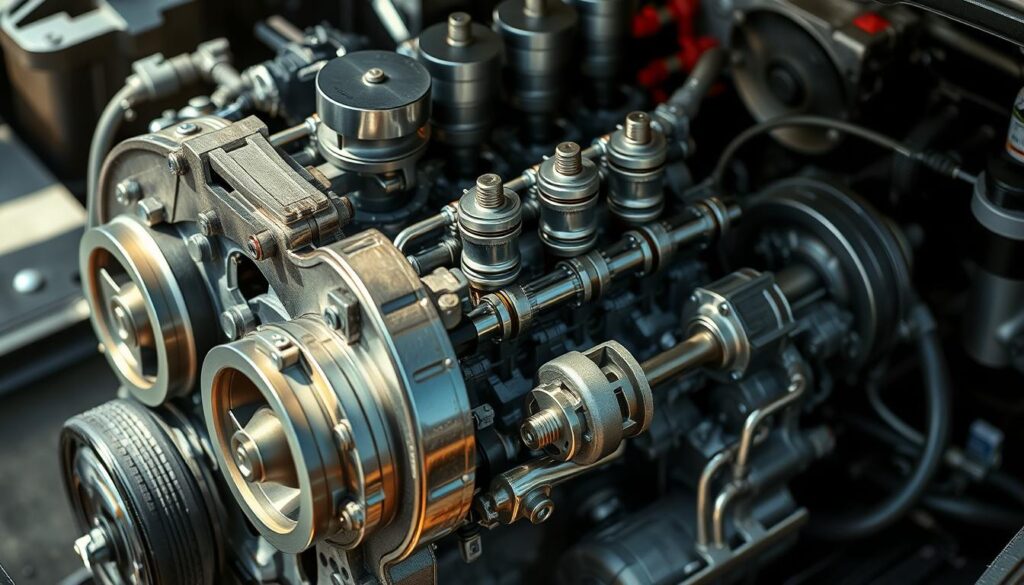
The engine consists of several key components, including cylinders, pistons, valves, and crankshafts. The cylinders are where the magic happens, as they are the chambers where the fuel is ignited to produce power. The pistons move up and down within these cylinders, driven by the explosive force of the fuel ignition. The valves control the flow of air and fuel into the cylinders and the exhaust gases out of the cylinders.
“A well-maintained engine is the heart of a well-performing vehicle,” as emphasized by automotive experts. Regular checks on these components can help identify potential issues before they become major problems.
How the Engine Operates
The operation of a car engine involves a complex interplay of various systems. The four-stroke cycle – intake, compression, power, and exhaust – is fundamental to how most car engines work. During the intake stroke, air and fuel are drawn into the cylinder. The compression stroke follows, where the air-fuel mixture is compressed. The power stroke is where the spark plug ignites the compressed air-fuel mixture, causing the piston to move. Finally, during the exhaust stroke, the exhaust valve opens, and the piston pushes the exhaust gases out of the cylinder.
Importance of Regular Maintenance
Regular maintenance is crucial for the longevity of your car engine. This includes tasks such as oil changes, filter replacements, and regular inspections. Oil changes are vital as they ensure that the engine’s moving parts are well-lubricated, reducing wear and tear. Filter replacements, including air and fuel filters, help maintain the quality of the air-fuel mixture entering the engine. Regular inspections can help identify potential issues early on, preventing costly repairs down the line.
By understanding your car engine and its components, you can take proactive steps to maintain its health and extend its lifespan. As the saying goes, “A stitch in time saves nine,” regular maintenance can save you from significant repair bills and ensure your car runs smoothly for years to come.
Importance of Regular Oil Changes
One of the most critical engine maintenance tips is to change your oil regularly, a practice that significantly extends your car’s lifespan. Regular oil changes are vital for engine upkeep, ensuring that your vehicle’s engine remains lubricated, cool, and free from corrosion.
Engine oil plays a crucial role in the overall health of your car’s engine. It lubricates moving parts, prevents corrosion, and helps to cool the engine. Without regular oil changes, the oil becomes dirty and less effective, potentially leading to engine damage.
Recommended Oil Change Intervals
The frequency of oil changes depends on various factors, including the type of oil used and the vehicle manufacturer’s recommendations. Typically, conventional oil should be changed every 5,000 to 7,500 miles, while synthetic oil can last longer, typically between 7,500 to 10,000 miles.
Choosing the Right Engine Oil
Using the right type of oil for your vehicle is crucial. Different engines require different types of oil, so it’s essential to consult your owner’s manual or speak with a mechanic to determine the best oil for your car.
Signs You Need an Oil Change
Being able to identify signs that an oil change is needed is vital for maintaining your engine. Look out for dark or dirty oil, increased engine noise, or a dashboard warning light indicating low oil level or dirty oil.
By following these engine maintenance tips and staying on top of oil changes, you can significantly extend the lifespan of your car’s engine and ensure it runs smoothly for years to come.
Keeping the Cooling System in Check
Maintaining your car’s cooling system is crucial for ensuring the longevity of your engine. The cooling system plays a vital role in regulating engine temperature, preventing overheating, and ensuring your car runs smoothly.
How the Cooling System Works
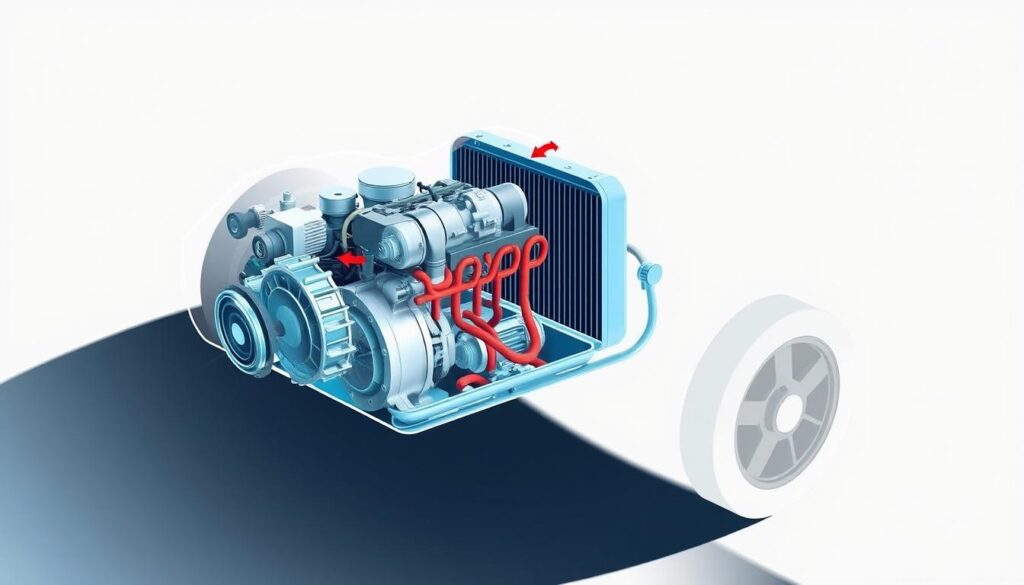
The cooling system works by circulating coolant through the engine to absorb heat, which is then dissipated through the radiator. This process involves several key components, including the radiator, water pump, thermostat, and coolant hoses. Regular maintenance of these components is essential to prevent cooling system failures.
Importance of Coolant Levels
Maintaining the correct coolant level is vital to prevent overheating, which can cause significant damage to your engine. It’s recommended to check the coolant level regularly and top it off as needed. Using the right type of coolant is also crucial, as specified in your car’s owner’s manual.
Signs of Cooling System Issues
Being aware of the signs of cooling system issues can help you address problems before they become serious. Common signs include leaks, overheating, and discoloration of the coolant. If you notice any of these signs, it’s essential to have your cooling system inspected by a professional mechanic.
Some common signs of cooling system issues to watch out for include:
- Leaks in the coolant hoses or radiator
- Overheating engine
- Discoloration or contamination of the coolant
- Corrosion on the radiator or engine components
By staying on top of your cooling system’s maintenance and addressing any issues promptly, you can help ensure the longevity of your car engine and prevent costly repairs down the road.
Regularly Checking Fluid Levels
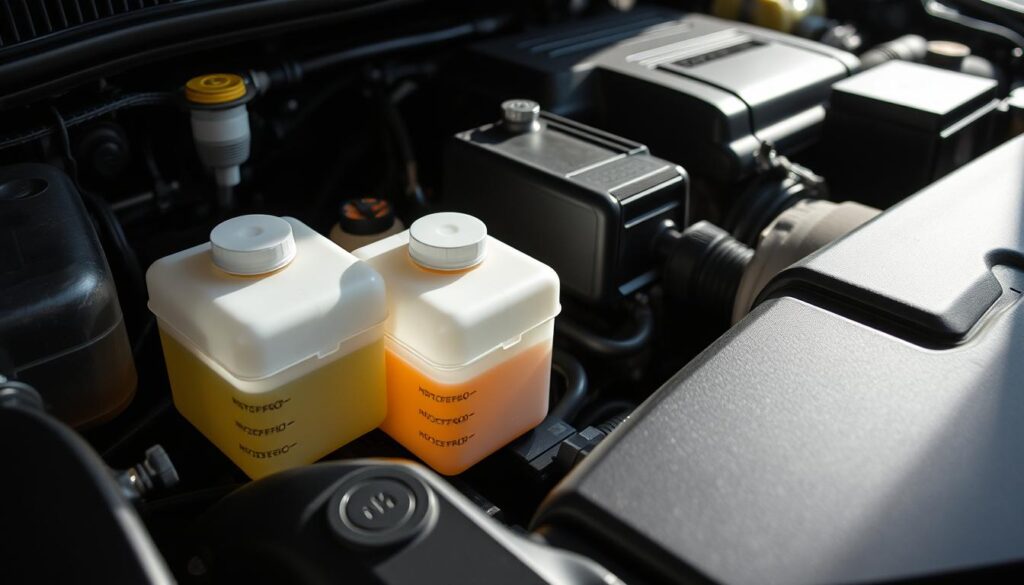
Regular fluid level checks are a simple yet effective way to ensure your car’s longevity. Besides engine oil, other vital fluids play a crucial role in your vehicle’s operation, including coolant, brake fluid, and transmission fluid.
Essential Fluids to Monitor
Your vehicle relies on several key fluids to operate efficiently. Engine oil lubricates the engine’s moving parts, while coolant prevents overheating. Brake fluid is essential for the proper functioning of your brakes, and transmission fluid ensures smooth gear transitions.
- Engine Oil: Lubricates engine parts and prevents wear.
- Coolant: Regulates engine temperature.
- Brake Fluid: Transfers pressure to the brakes.
- Transmission Fluid: Facilitates smooth gear shifting.
How to Check Fluid Levels
Checking fluid levels is a straightforward process that can be done at home. First, ensure your vehicle is parked on a level surface. Then, consult your owner’s manual to locate the fluid reservoirs under the hood. For most fluids, you’ll find dipsticks or level indicators that show whether the levels are adequate.
Tips for Checking Fluids:
- Refer to your owner’s manual for the correct procedure.
- Check fluids when the engine is cold or at the recommended temperature.
- Look for signs of leakage or contamination.
How Often to Check Fluid Levels
The frequency of checking fluid levels depends on your vehicle’s make, model, and age. As a general rule, it’s advisable to check fluids during every oil change or at least once a month. Regular checks can help identify potential issues before they become major problems.
By incorporating regular fluid checks into your engine maintenance tips, you can significantly contribute to your vehicle’s engine upkeep. This simple habit can help prevent damage, reduce repair costs, and ensure your car runs smoothly for years to come.
Understanding the Importance of Air Filters
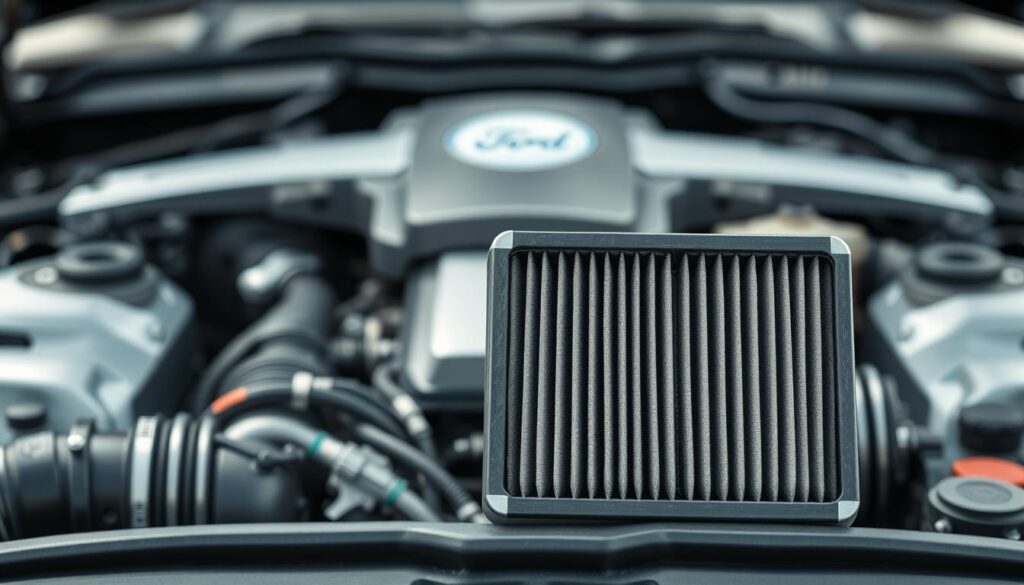
To keep your car engine in top condition, understanding the importance of air filters is essential. Air filters play a crucial role in maintaining your engine’s performance by ensuring it receives clean air. A dirty or clogged air filter can lead to decreased fuel efficiency, reduced performance, and increased emissions.
Role of Air Filters in Engine Performance
The air filter is responsible for filtering out dust, pollen, and other contaminants from the air entering your engine. This helps in preventing damage to the engine’s internal components and maintaining its efficiency. A clean air filter ensures that your engine gets the clean air it needs to run smoothly.
Key benefits of a clean air filter include:
- Improved fuel efficiency
- Enhanced engine performance
- Reduced emissions
- Longer engine lifespan
Signs Your Air Filter Needs Replacement
Recognizing the signs that your air filter needs replacement is key to maintaining your engine’s health. Some common indicators include:
- Decreased engine performance
- Dirty or clogged air filter
- Increased fuel consumption
- Unusual engine noises
| Signs | Description | Action Required |
|---|---|---|
| Decreased Performance | Engine does not perform as expected | Check and replace air filter |
| Dirty Air Filter | Visible dirt or debris on the filter | Clean or replace air filter |
| Increased Fuel Consumption | Noticeable increase in fuel usage | Inspect air filter and replace if necessary |
How to Clean or Replace Your Air Filter
Knowing how to clean or replace your air filter is a straightforward process that can significantly impact your engine’s longevity. To clean or replace the air filter, follow these steps:
- Locate the air filter housing
- Open the housing and remove the filter
- Inspect the filter for dirt and debris
- Clean the filter if it’s reusable or replace it if it’s disposable
- Reinstall the filter and close the housing
By following these steps and regularly checking your air filter, you can help ensure your car engine remains in good condition, enhancing its longevity and performance.
Keeping the Fuel System Clean
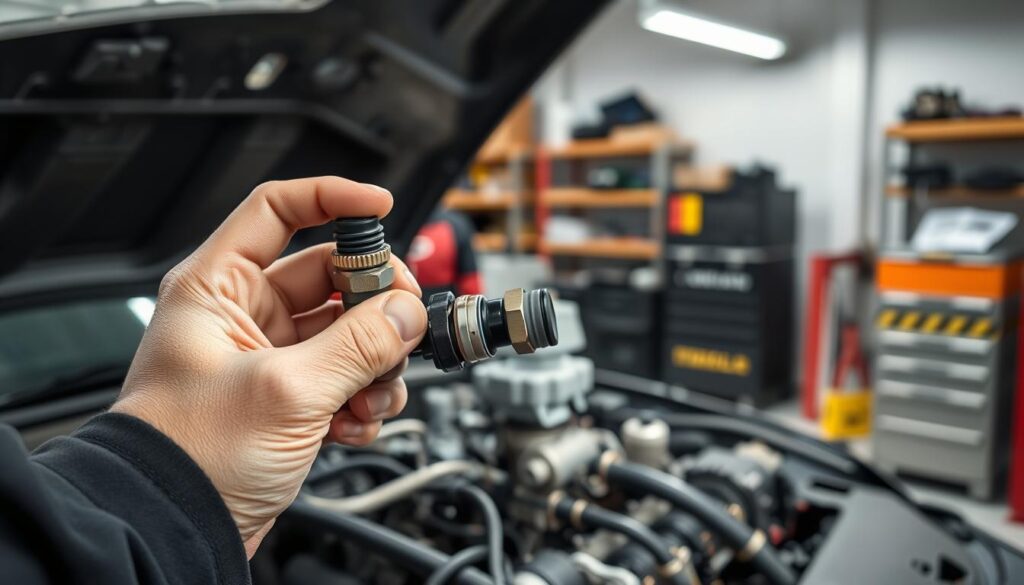
A well-maintained fuel system is the backbone of a healthy engine, ensuring optimal fuel efficiency and performance. The fuel system is responsible for delivering fuel to the engine’s combustion chamber, where it’s mixed with air and ignited to produce power.
Importance of a Clean Fuel System
A clean fuel system is essential for maintaining your car’s performance and fuel efficiency. When the fuel system is clogged with debris, it can lead to decreased engine performance, reduced fuel efficiency, and potentially cause damage to other engine components.
Key benefits of a clean fuel system include:
- Improved engine performance
- Better fuel efficiency
- Reduced emissions
- Extended engine lifespan
Signs of Fuel System Problems
Identifying signs of fuel system problems early can help prevent more severe issues from developing. Common indicators include:
- Difficulty starting the engine
- Rough idling or stalling
- Decreased fuel efficiency
- Loss of power or hesitation during acceleration
If you notice any of these symptoms, it’s crucial to inspect your fuel system and address any issues promptly.
How to Maintain Fuel Injectors
Fuel injectors are a critical component of the fuel system, responsible for spraying fuel into the engine’s combustion chamber. Over time, they can become clogged with debris, reducing their effectiveness.
| Maintenance Task | Frequency | Benefits |
|---|---|---|
| Fuel Injector Cleaning | Every 15,000 to 30,000 miles | Restores fuel injector performance, improves engine efficiency |
| Fuel Filter Replacement | Every 5,000 to 10,000 miles | Prevents debris from reaching fuel injectors, maintains fuel system health |
| Using Fuel Additives | As needed, based on vehicle manufacturer’s recommendations | Helps clean fuel system, can improve fuel efficiency and performance |
By following these maintenance tips and staying vigilant for signs of fuel system problems, you can help ensure your car’s engine remains healthy and performs optimally.
Monitoring Engine Performance
Engine performance monitoring is a key aspect of car maintenance that should not be overlooked. By keeping a close eye on how your engine is running, you can identify potential issues early on, reducing the risk of major repairs down the line.
Signs of Engine Trouble
There are several signs that may indicate your engine is experiencing trouble. These can include unusual noises, such as knocking or grinding sounds, decreased performance, like reduced power or efficiency, and warning lights on your dashboard. If you notice any of these symptoms, it’s crucial to investigate further.
Importance of Diagnostic Tests
Diagnostic tests play a vital role in identifying the root cause of engine problems. These tests can help pinpoint issues such as faulty sensors, clogged fuel injectors, or other internal engine problems. By understanding the results of these tests, you can make informed decisions about the necessary repairs.
| Diagnostic Test | Purpose | Benefit |
|---|---|---|
| OBD-II Scan | Identifies trouble codes stored in the engine control module | Helps diagnose issues quickly and accurately |
| Compression Test | Measures engine compression in each cylinder | Indicates internal engine health and potential leaks |
| Fuel System Pressure Test | Checks fuel system pressure for leaks or blockages | Ensures proper fuel delivery to the engine |
When to Consult a Mechanic
While some engine issues can be diagnosed and repaired by car owners themselves, more complex problems often require the expertise of a professional mechanic. If you’re unsure about the cause of an issue or how to fix it, it’s always best to consult a mechanic. They can provide a detailed assessment and recommend the necessary repairs to get your car running smoothly again.
By monitoring your engine’s performance and addressing any issues promptly, you can significantly extend its lifespan and ensure your car continues to run reliably.
Utilizing Quality Parts and Accessories
Using high-quality parts and accessories is essential for maintaining your car’s engine performance and longevity. The type of parts and accessories you choose can significantly impact how well your engine runs and how long it lasts.
Benefits of OEM vs. Aftermarket Parts
Original Equipment Manufacturer (OEM) parts are designed to meet the manufacturer’s specifications, ensuring a precise fit and function. OEM parts are typically more reliable and less likely to cause compatibility issues. On the other hand, aftermarket parts can offer cost savings and sometimes improved performance. However, the quality of aftermarket parts can vary significantly between manufacturers.
When deciding between OEM and aftermarket parts, consider the following factors:
- Reliability and warranty offered
- Compatibility with your vehicle’s make and model
- Performance enhancements or specifications
- Cost and value for money
Choosing the Right Accessories
Accessories such as air filters, spark plugs, and belts play a crucial role in your car’s engine performance. Choosing the right accessories involves understanding your vehicle’s specific needs and the demands of your driving habits.
For instance, if you drive in dusty conditions, a high-quality air filter can significantly improve your engine’s performance and longevity. Similarly, spark plugs that are designed for high-performance can enhance your engine’s efficiency and power.
Impact of Quality on Engine Longevity
The quality of parts and accessories directly impacts your car’s engine longevity. High-quality components reduce the risk of premature wear and tear, minimize the likelihood of breakdowns, and ensure that your engine operates within optimal parameters.
By investing in quality parts and accessories, you not only enhance your car’s performance but also contribute to its overall health, ensuring it runs smoothly for years to come.
The Role of Driving Habits
Your driving habits play a crucial role in determining the longevity of your car’s engine. The way you drive can either contribute to the overall health of your vehicle or accelerate its wear and tear. By adopting smooth driving techniques and being mindful of your driving habits, you can significantly extend the life of your car’s engine.
Tips for Smooth Driving
Smooth driving is about more than just comfort; it’s also about maintaining your car’s health. To drive smoothly, avoid sudden accelerations and hard braking. Instead, gradually accelerate and use gentle braking. This not only reduces wear on your engine and brakes but also improves fuel efficiency.
Additionally, maintaining a consistent speed, especially on highways, can help in reducing the strain on your engine. Using cruise control when appropriate can aid in achieving this consistency.
How Hard Acceleration Affects Your Engine
Hard acceleration puts additional stress on your car’s engine, potentially leading to premature wear. When you accelerate hard, your engine works harder, generating more heat and putting extra strain on engine components. Over time, this can lead to increased engine wear and potentially result in costly repairs.
By avoiding hard acceleration, you can reduce the risk of engine damage and help maintain your car’s performance over its lifespan.
Importance of Warm-Up Period
Allowing your engine a warm-up period, especially in cold weather, is crucial for its health. When you start your car, the engine oil is thicker and less effective at lubricating the engine until it warms up. By giving your engine a few minutes to warm up before driving aggressively, you ensure that it is properly lubricated, reducing wear on moving parts.
This simple habit can make a significant difference in the long-term health of your engine, contributing to better performance and longevity.
Seasonal Maintenance Tips
Different seasons bring different challenges for your car’s engine, requiring timely upkeep to ensure longevity. As the weather changes, so do the demands on your vehicle’s engine and its components.
Preparing for Summer Heat
Summer can be particularly harsh on car engines due to the high temperatures. To prepare your vehicle for the summer heat, it’s essential to check your cooling system. Ensure that your coolant levels are adequate and that there are no leaks in the system. Proper tire pressure is also crucial, as underinflated tires can lead to decreased fuel efficiency and increased engine strain.
Summer Maintenance Checklist:
- Check coolant levels and condition
- Inspect the cooling system for leaks
- Ensure proper tire pressure
- Replace worn-out belts and hoses
Winterizing Your Vehicle
Winter brings its own set of challenges, including cold temperatures that can affect your car’s battery, antifreeze, and heating system. To winterize your vehicle, start by checking your battery’s condition and ensuring it’s fully charged. The antifreeze should be checked to ensure it’s at the recommended level and mix. Also, make sure your vehicle’s heating system is functioning correctly to keep you warm and to defrost your windshield.
Winter Maintenance Checklist:
- Check battery condition and charge
- Inspect antifreeze level and mix
- Test the heating system
- Use winter tires for improved traction
Year-Round Checklists
Maintaining a year-round checklist can help ensure that you don’t overlook critical maintenance tasks. Regular checks on fluid levels, air filters, and tire condition are essential for the longevity of your car’s engine.
| Maintenance Task | Frequency | Importance |
|---|---|---|
| Oil Change | Every 5,000 to 7,500 miles | High |
| Tire Pressure Check | Monthly | High |
| Air Filter Replacement | Every 15,000 to 30,000 miles | Medium |
| Fluid Level Checks | Every oil change | High |
Conclusion: Your Car’s Lifespan Starts with You
Extending the life of your car engine is largely within your control. By adopting a proactive approach to maintenance and driving habits, you can significantly impact your engine’s longevity.
Proactive Maintenance
Regular engine maintenance tips, such as timely oil changes and fluid checks, play a crucial role in keeping your engine healthy. By following these practices, you can prevent premature wear and tear, ensuring your engine runs smoothly for years to come.
Long-Term Benefits
The long-term benefits of maintaining your car engine include improved performance, reduced repair needs, and cost savings. By investing time and effort into engine care, you can enjoy a well-maintained engine that provides reliable service.
To extend car engine life, it’s essential to be mindful of your driving habits and the quality of parts and accessories used. By combining these practices with regular maintenance, you can maximize your engine’s lifespan and enjoy a smoother driving experience.