




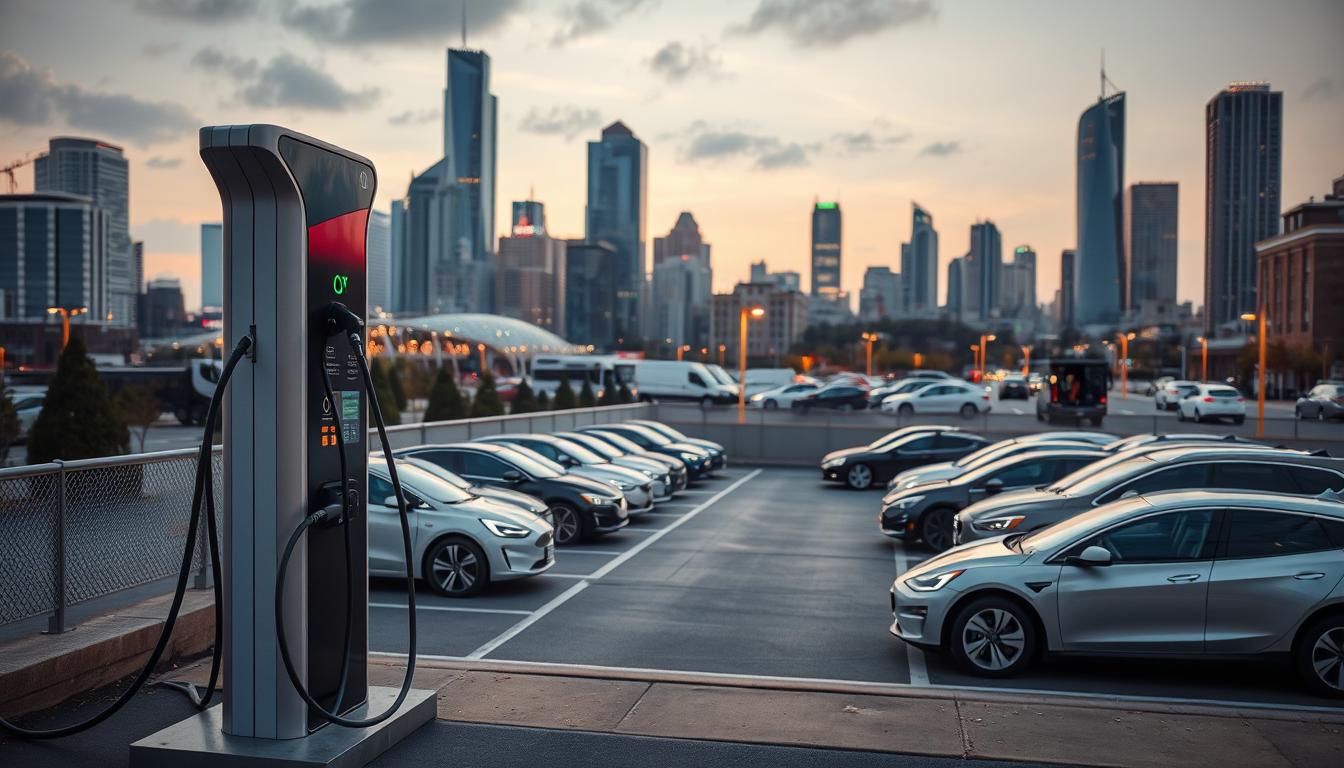
As the world shifts towards more sustainable options, electric vehicles (EVs) are becoming increasingly popular. One of the key concerns for EV owners is finding reliable electric car charging options. The U.S. Department of Energy’s Alternative Fuels Data Center provides a valuable resource with its Alternative Fueling Station Locator, detailing ev charging stations across the United States.
This article will guide you through the process of locating and utilizing these stations effectively, making your EV ownership experience smoother and more convenient.
Key Takeaways
- Understanding the different types of EV charging available
- Locating EV charging stations in your area
- Using the Alternative Fueling Station Locator tool
- Tips for efficient electric car charging
- Benefits of using public EV charging stations
What Are EV Charging Stations?
EV charging stations are a vital component of the electric vehicle ecosystem. They provide the necessary infrastructure for electric vehicle (EV) owners to charge their vehicles, making long-distance travel and daily driving convenient.
Definition and Purpose
An EV charging station is a facility that supplies electric energy for recharging electric vehicles. The primary purpose of these stations is to support the widespread adoption of electric vehicles by providing accessible and efficient charging solutions.
Types of Charging Stations
There are several types of EV charging stations, catering to different needs and charging speeds. ChargePoint, a leading provider of EV charging solutions, offers various types of charging stations, including:
- Level 1: Uses a standard household outlet and is suitable for slow charging.
- Level 2: Requires a dedicated 240-volt charging station and is faster than Level 1.
- DC Fast Charging: Provides rapid charging, capable of charging an EV to 80% in under 30 minutes.
Importance for Electric Vehicle Owners
EV charging stations are crucial for electric vehicle owners, offering the convenience of charging on the go. Public EV chargers are particularly important, as they enable owners to charge their vehicles when away from home.
| Type of Charging Station | Charging Speed | Typical Use |
|---|---|---|
| Level 1 | Slow | Overnight charging at home |
| Level 2 | Moderate | Public charging, workplace charging |
| DC Fast Charging | Fast | Long-distance travel, quick top-ups |
The availability and accessibility of EV charging stations, such as those provided by ChargePoint, play a significant role in supporting the electric vehicle community and encouraging the adoption of sustainable transportation.
How to Locate EV Charging Stations
As an electric vehicle owner, knowing where to find charging stations is essential. With the increasing adoption of electric vehicles, the infrastructure for charging is rapidly expanding. However, navigating the various options can be daunting.
Mobile Apps for Charging Station Finder
One of the most convenient ways to locate EV charging stations is through mobile apps. Apps like PlugShare, ChargePoint, and Alternative Fueling Station Locator provide real-time information on nearby charging stations. These apps often include filters for charging speed, network affiliation, and payment methods, making it easier to find a station that suits your needs.
- PlugShare: Offers a comprehensive map of charging stations and user reviews.
- ChargePoint: Allows users to find charging stations and initiate charging sessions directly through the app.
- Alternative Fueling Station Locator: A useful tool provided by the U.S. Department of Energy to find alternative fueling stations, including EV charging.
Websites and Online Maps
For those who prefer planning their charging stops on a larger screen, websites and online maps are invaluable resources. Websites like the Alternative Fueling Station Locator and online maps integrated with EV navigation systems provide detailed information on charging station locations, types of chargers available, and sometimes even the cost of charging.
Local Utility Companies
Local utility companies are also becoming involved in the EV charging infrastructure by providing resources for finding charging stations. Many utility companies offer maps or lists of public charging locations on their websites. Some even provide incentives for using certain charging stations or for installing home charging equipment.
By utilizing these resources—mobile apps, websites, and local utility companies—electric vehicle owners can easily locate EV charging stations, making long trips and daily commutes more manageable.
Understanding Charging Levels
As electric vehicle (EV) adoption grows, understanding the different levels of EV charging becomes increasingly important. Electric vehicle charging is not a one-size-fits-all solution; it comes in various levels that cater to different needs and situations.
Level 1 Charging Stations
Level 1 charging is the most basic form of EV charging, using a standard 120-volt household outlet. It’s convenient for overnight charging at home but is relatively slow, providing about 2-5 miles of range per hour of charging. Level 1 charging is best suited for those with short commutes or those who can charge their vehicles for extended periods.
Level 2 Charging Stations
Level 2 charging stations use 240-volt charging units, significantly reducing charging times compared to Level 1. They can provide 10-25 miles of range per hour of charging, making them ideal for daily driving needs. Level 2 chargers are commonly found in public charging stations, workplaces, and shopping centers, offering a convenient and faster charging option for EV owners on the go.
DC Fast Charging Stations
DC Fast Charging is the fastest charging method available, capable of charging an EV to 80% in under 30 minutes. These chargers are typically found along highways and in high-traffic areas, making them perfect for long-distance travel and quick top-ups. ChargePoint and other charging networks offer DC Fast Charging, providing EV owners with the convenience of rapid charging.
Understanding the different charging levels is crucial for electric vehicle owners to maximize their driving experience. By choosing the right charging level for their needs, EV owners can ensure they’re always on the go.
Factors to Consider When Choosing a Charging Station
The decision to use a particular EV charging station depends on several key factors. As the demand for electric vehicles continues to grow, understanding these factors becomes increasingly important for EV owners.
Charging Speed and Availability
One of the primary considerations is the charging speed of the station. DC Fast Charging Stations can charge an EV to 80% in under 30 minutes, while Level 2 Charging Stations may take several hours. The availability of charging stations in your area or along your route is also crucial.
Services like ChargePoint allow users to find charging stations based on factors like charging speed and cost, making it easier to plan your charging stops.
Location Convenience
The location of a charging station is another significant factor. Stations that are conveniently located near shopping centers, restaurants, or workplaces can be particularly useful, as they allow you to charge your vehicle while you’re occupied.
Cost and Payment Options
The cost of charging and the available payment options also play a critical role in choosing a charging station. Some stations may offer free charging, while others may require a fee. Understanding the payment options, such as credit card payments or mobile app payments, can help you make an informed decision.
| Charging Station Type | Charging Speed | Typical Cost |
|---|---|---|
| Level 1 | Slow (12-24 hours for full charge) | $0 – $2 per charge |
| Level 2 | Moderate (4-8 hours for full charge) | $2 – $5 per charge |
| DC Fast Charging | Fast (30 minutes for 80% charge) | $5 – $10 per charge |
By considering these factors and utilizing resources like ChargePoint, EV owners can make informed decisions about which charging stations to use, ensuring a convenient and cost-effective charging experience.
How to Use EV Charging Stations
With the rise of electric vehicles, understanding how to utilize EV charging stations is crucial for a seamless driving experience. As the infrastructure for EVs continues to expand, knowing how to use these charging stations effectively can make a significant difference in your daily commute or long-distance travels.
Step-by-Step Guide
Using an EV charging station involves a few straightforward steps:
- First, locate a charging station near you using a mobile app or website. ChargePoint is a popular option that provides a user-friendly interface for finding and using charging stations.
- Once you’ve arrived at the charging station, check the available charging points and their status.
- Plug in your vehicle using the appropriate connector. Most public charging stations provide multiple types of connectors, including Type 1, Type 2, and CCS.
- Authorize the charging session using the station’s payment system or mobile app. Some stations may require you to create an account or use a specific payment method.
- Once charging begins, you can monitor the progress on the station’s screen or through the app.
As ChargePoint highlights, their app allows users to start and pay for charging sessions seamlessly, making the process convenient and efficient.
Necessary Equipment and Adapters
To charge your EV, you’ll need the right equipment. Most EVs come with a standard charging cable, but you may need additional adapters for different types of charging stations. For instance, a Type 2 to CCS adapter can be useful for accessing DC Fast Charging stations.
“The right equipment can make all the difference in ensuring a smooth charging experience,” notes industry experts. It’s essential to check your vehicle’s manual to understand its charging requirements and compatibility with different charging stations.
Tips for First-time Users
For those new to EV charging, here are a few tips to get you started:
- Download a reliable charging station finder app to locate charging points.
- Familiarize yourself with the different types of charging connectors and adapters.
- Understand the payment methods accepted by charging stations, as they can vary.
- Keep an eye on the charging station’s screen or your vehicle’s dashboard to monitor the charging progress.
By following these steps and tips, you’ll be well on your way to becoming proficient in using EV charging stations. As the EV community continues to grow, sharing knowledge and experiences can help make the transition to electric vehicles smoother for everyone.
“As we move towards a more sustainable future, the ease of using EV charging stations will play a crucial role in the widespread adoption of electric vehicles.”
Benefits of Using EV Charging Stations
Using public EV chargers not only supports a sustainable environment but also provides financial benefits. As electric vehicles become increasingly popular, understanding the advantages of EV charging stations is crucial for both current and prospective EV owners.
Environmental Impact
One of the most significant benefits of using EV charging stations is their positive environmental impact. According to the U.S. Department of Energy, EV charging can significantly reduce greenhouse gas emissions. By switching to electric vehicles and using public EV chargers, individuals can contribute to cleaner air and a healthier environment.
The environmental benefits are further emphasized by the fact that EVs produce zero tailpipe emissions, reducing the overall carbon footprint associated with transportation. As the grid continues to incorporate more renewable energy sources, the environmental advantages of EVs will only continue to grow.
Cost Savings Compared to Gasoline
Another compelling benefit of using EV charging stations is the cost savings compared to gasoline. EVs are generally cheaper to run, with electricity being less expensive than gasoline on a per-mile basis. According to various studies, charging an EV can cost as little as half of what it costs to fuel a gasoline-powered vehicle.
Additionally, EVs require less maintenance than traditional vehicles, with fewer moving parts and no oil changes needed. This translates to further savings for EV owners over the lifetime of their vehicle.
Supporting Local Infrastructure
By using public EV chargers, EV owners are also supporting local infrastructure development. The installation and maintenance of EV charging stations create jobs and stimulate local economies. Moreover, the presence of EV charging infrastructure can enhance property values and attract businesses that cater to EV owners.
Supporting local infrastructure through the use of public EV chargers contributes to a more sustainable and economically vibrant community. As the demand for EVs continues to grow, the importance of robust charging infrastructure will become increasingly evident.
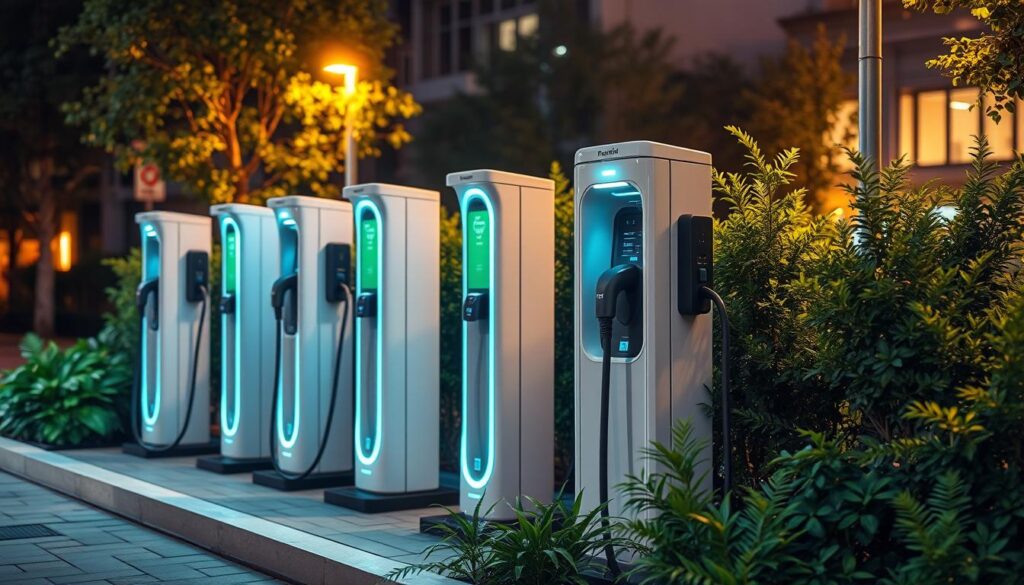
In conclusion, the benefits of using EV charging stations are multifaceted, encompassing environmental, economic, and infrastructural advantages. As the world continues to transition towards electric vehicles, the role of public EV chargers will become increasingly pivotal.
Common Issues Faced at Charging Stations
As the adoption of electric vehicles accelerates, the challenges associated with public EV charging stations become more apparent. While the infrastructure for electric vehicles expands, EV owners continue to experience difficulties at charging stations.
Overcrowding and Availability Problems
One of the significant issues faced by EV owners is the overcrowding of charging stations, particularly during peak hours or in high-demand areas. This can lead to availability problems, where drivers may arrive at a station only to find all chargers in use.
ChargePoint, a leading provider of EV charging solutions, has implemented various measures to mitigate overcrowding. These include real-time updates on charger availability through their mobile app, helping drivers plan their charging stops more efficiently.
| Charging Station | Average Wait Time | Peak Hours |
|---|---|---|
| Urban Areas | 15-30 minutes | 7-9 am, 4-6 pm |
| Highway Rest Stops | 30-60 minutes | 12-2 pm, 6-8 pm |
| Shopping Malls | 10-20 minutes | 10 am-12 pm, 2-4 pm |
Malfunctioning Charging Equipment
Another common issue is the malfunctioning of charging equipment, which can be frustrating for EV owners who rely on these stations. Regular maintenance and updates are crucial to ensuring that charging stations operate smoothly.
Providers like ChargePoint have measures in place to minimize equipment malfunction, including regular software updates and prompt maintenance when issues are reported.
Payment and Access Difficulties
Payment and access difficulties are also prevalent, with some users experiencing issues with payment processing or accessing the charging stations due to membership requirements or technical glitches.
To address these issues, many charging networks are simplifying their payment processes and improving access through mobile apps that allow for seamless payment and station access.
Future of EV Charging Infrastructure
Electric vehicle charging infrastructure is on the cusp of a revolution, driven by technological advancements and government support. This transformation is crucial for the widespread adoption of electric vehicles (EVs) and for reducing our reliance on fossil fuels.
Expansion of Charging Networks
The expansion of EV charging networks is a critical component in making electric vehicles a viable option for more people. Charging networks are expanding across the United States, with a focus on both urban and rural areas.
- Increased investment in charging infrastructure
- Development of new charging technologies
- Strategic placement of charging stations along highways and in public areas
Innovations in Charging Technology
Innovations in EV charging technology are making charging faster, more efficient, and more convenient. Some of the advancements include:
- High-power charging stations capable of charging vehicles in under 30 minutes
- Wireless charging technology that eliminates the need for cables
- Smart charging systems that optimize charging based on the grid’s load and the vehicle’s needs
Government Initiatives and Support
Government initiatives play a vital role in supporting the development of EV charging infrastructure. Programs like the National Electric Vehicle Infrastructure (NEVI) Formula Program are providing funding and guidance for the expansion of charging networks across the country.
| Program | Objective | Impact |
|---|---|---|
| NEVI Formula Program | Expand EV charging infrastructure along highways | Increased accessibility to EV charging |
| State EV Plans | Develop state-specific EV charging strategies | Tailored approach to EV infrastructure development |
The future of EV charging infrastructure looks promising, with continued investment, innovation, and government support. As the network expands and technology improves, electric vehicles will become an increasingly practical choice for consumers.
Tips for Planning Long Trips with an EV
Planning a long trip with an electric vehicle (EV) requires some extra consideration, especially when it comes to finding public EV chargers along your route. With the increasing adoption of EVs, the infrastructure for ev charging stations is rapidly expanding, making long-distance travel more feasible.
Route Planning with Charging Stations
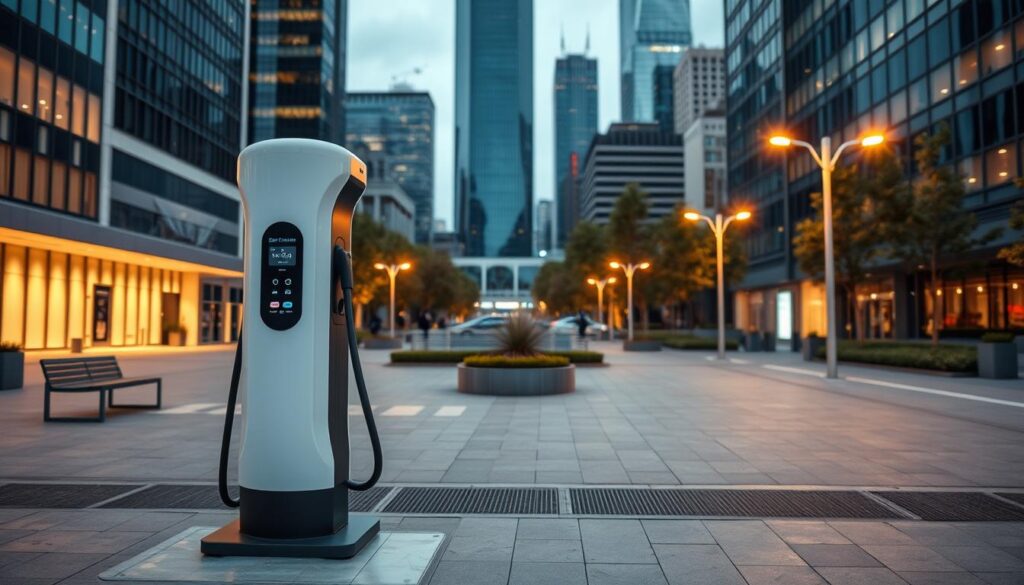
One of the key steps in planning a long trip with an EV is to map out your route and identify ev charging stations along the way. Tools like ChargePoint’s app allow users to plan routes with charging stops, ensuring that you can keep your vehicle powered up throughout your journey.
Charging Stop Durations
When planning your stops, it’s essential to consider the duration of each charging session. DC Fast Charging can charge your EV to 80% in under 30 minutes, but it’s a good idea to factor in some extra time for any unexpected delays.
Backup Plans for Charging Emergencies
Even with thorough planning, unexpected issues can arise. It’s always a good idea to have a backup plan, such as knowing the location of additional ev charging stations or having access to emergency charging services.
By taking these steps, you can enjoy a stress-free and enjoyable trip in your EV, knowing that you’re prepared for whatever the road ahead may bring.
The Role of Businesses in Providing Charging Stations
As electric vehicles become increasingly popular, businesses are playing a crucial role in supporting their owners by installing EV charging stations. This not only enhances the shopping experience but also encourages customers to stay longer, thereby increasing foot traffic and potential sales.
Incentives for Businesses to Install Chargers
Businesses have several incentives to install EV charging stations. For instance, ChargePoint works with businesses to provide EV charging solutions, offering various incentives and benefits. Installing charging stations can attract EV-owning customers, setting a business apart from competitors and potentially increasing customer loyalty.
- Attracting EV-owning customers
- Increasing customer loyalty
- Enhancing the shopping experience
Benefits for Customers
The presence of EV charging stations benefits customers by providing them with convenient and accessible charging options. This is particularly valuable for customers who are on the go and need to charge their vehicles quickly.
Key benefits include:
- Convenience
- Accessibility
- Reduced range anxiety
Partnerships with Charging Networks
Businesses can partner with charging networks like ChargePoint to install and manage EV charging stations. These partnerships can simplify the process of providing charging infrastructure and offer additional benefits such as maintenance and customer support.
| Benefits | Businesses | Customers |
|---|---|---|
| Increased customer loyalty | Yes | Yes |
| Convenient charging | No | Yes |
| Competitive advantage | Yes | No |
FAQs About EV Charging Stations
As electric vehicle ownership becomes more common, many drivers have questions about using public EV charging stations. Here are some answers to frequently asked questions about electric car charging.
How Long Does it Take to Charge an EV?
Charging time varies depending on the type of charger used. DC Fast Charging can charge an EV to 80% in under 30 minutes, while Level 2 charging may take several hours. ChargePoint and other public ev charger networks provide information on charging times at their stations.
Are EV Charging Stations Free?
Not all public ev charger stations are free. Many networks, including ChargePoint, offer transparent pricing, with costs varying by location and charging speed. Some businesses may offer free electric car charging as an incentive.
Can You Charge at Home?
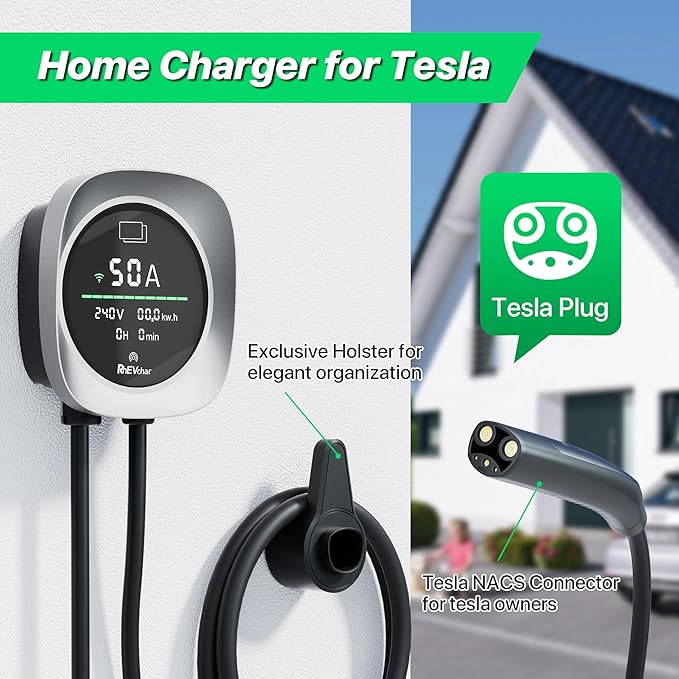
Yes, you can charge your EV at home using a home charging solution like ChargePoint. Home charging is convenient for overnight charging, and many EV owners find it a comfortable way to start the day with a full battery.