



Dealing with a vehicle that refuses to start can be frustrating, especially when you’re in a hurry. Understanding the basics of troubleshooting can save you time and potentially avoid costly repairs.
Several common issues can cause a car not to start, ranging from a dead battery to faulty spark plugs. Before taking your vehicle to a mechanic, there are some simple checks you can perform to diagnose the problem.
By following these straightforward steps, you may be able to identify and potentially fix the issue yourself, getting back on the road quickly.
Key Takeaways
- Identify common causes of a car not starting
- Perform simple checks to diagnose the issue
- Potentially fix the problem without professional help
- Save time and avoid costly repairs
- Understand the basics of troubleshooting car starting issues
Understanding Common Reasons Your Car Won’t Start
Diagnosing a car that won’t start involves understanding several key factors that could be contributing to the problem. When you’re faced with a vehicle that refuses to start, it’s crucial to consider the most common causes to identify the root of the issue.
Battery Issues
Battery issues are among the most common reasons a car won’t start. A dead or weak battery can prevent your car from starting. Symptoms of battery issues include dim or flickering headlights, slow engine crank, or the complete inability to start the engine.
To diagnose battery issues, check the battery terminals for corrosion, ensure the battery water level is adequate (if applicable), and test the battery voltage using a multimeter. A fully charged battery should read around 12.6 volts.
Ignition System Problems
The ignition system is another critical area to examine when your car won’t start. Ignition system problems can range from a faulty ignition switch to worn-out spark plugs. If the ignition switch is malfunctioning, it might not send the proper signal to start the engine.
Inspect the spark plugs for wear or fouling, and check the ignition coil for proper function. Replacing worn-out spark plugs or a faulty ignition coil can often resolve starting issues.
Fuel Delivery Failures
Fuel delivery failures can also prevent your car from starting. This could be due to a faulty fuel pump, clogged fuel filter, or issues with the fuel injectors. If the fuel pump is not functioning, the engine won’t receive the necessary fuel to start.
Check the fuel filter for blockages and consider replacing it if necessary. Listen for the fuel pump’s humming noise when you turn the key to the “on” position; if it’s not making any sound, it might be faulty.
Basic Tools You Should Have on Hand
Equipping yourself with the necessary tools is the first step towards becoming a proficient DIY car repair enthusiast. When it comes to easy DIY car starting solutions, having the right equipment can make all the difference.
Essential Hand Tools
A good set of hand tools is indispensable for any car repair task. These include:
- A socket set with various sizes
- Pliers and punches for gripping and bending
- Screwdrivers (both flathead and Phillips)
- A wrench set for tightening and loosening bolts
- A hammer for tapping parts into place
As noted by automotive expert,
“A well-stocked toolbox is the backbone of any successful car repair endeavor.”
Diagnostic Equipment
Diagnostic tools help you identify the root cause of the problem. Essential diagnostic equipment includes:
| Tool | Purpose |
|---|---|
| Multimeter | Measures electrical voltage, current, and resistance |
| OBD-II Scanner | Retrieves error codes from the car’s computer |
| Compression Tester | Checks engine compression levels |
Using these tools, you can accurately diagnose issues and plan your repairs.
Safety Gear
Safety should always be your top priority when working on your car. Essential safety gear includes:
- Gloves to protect your hands from cuts and abrasions
- Safety glasses to shield your eyes from debris
- A fire extinguisher to handle any potential fires
- Jack stands to support the car while you work underneath

By having these basic tools on hand, you’ll be well-prepared to tackle common car repair tasks, including diagnosing and fixing a car that won’t start. Remember, being prepared is key to successful DIY car repairs.
Step-by-Step Battery Checks
Diagnosing a car that won’t start often begins with a thorough examination of the battery. A car’s battery is fundamental to its operation, providing the necessary power to start the engine and support various electrical systems.
Inspecting Battery Connections
The first step in checking your car’s battery is to inspect the connections. Corrosion or loose connections can prevent your car from starting. To inspect the connections:
- Turn off the engine and ensure the car is in park (automatic) or neutral (manual).
- Check the battery terminals for signs of corrosion, such as a white or greenish powder.
- Clean the terminals with a wire brush and baking soda if necessary.
- Tighten any loose connections.
Testing Battery Voltage
To determine if your battery is holding a charge, you’ll need to test its voltage using a multimeter. Here’s how:
- Set the multimeter to DC volts (20V).
- Connect the positive lead to the positive terminal and the negative lead to the negative terminal.
- A fully charged battery should read around 12.6 volts.
Battery Voltage Readings:
| Voltage Reading | Battery Condition |
|---|---|
| 12.6V or higher | Fully charged |
| 12.4V – 12.5V | Partially discharged |
| Below 12.4V | Discharged or weak |
Jump Starting a Dead Battery
If your battery is dead, jump-starting can get you back on the road temporarily. To jump-start your car:
- Find another vehicle with a working battery and park it close to yours.
- Connect the positive jumper cable to the positive terminal of the dead battery, then to the positive terminal of the good battery.
- Connect the negative jumper cable to the negative terminal of the good battery, then to a metal surface on your car’s engine or frame.
- Start the working car’s engine, then start your car.
Remember to remove the cables in the reverse order they were attached.
Assessing Your Ignition System
Assessing the ignition system is a vital step in diagnosing why your car won’t start. The ignition system is complex, involving several key components that work together to ignite the fuel in your engine.
Checking Ignition Switch Function
The ignition switch is the first component to check. Ensure it’s functioning correctly by verifying that it engages and disengages properly. A faulty ignition switch can prevent your car from starting. To test it, turn the switch to the “on” position and check if the dashboard lights and accessories power on. If not, the switch might be defective.
Symptoms of a failing ignition switch include:
- Intermittent starting issues
- Dashboard lights flickering or not turning on
- Accessories not functioning
Evaluating Spark Plugs
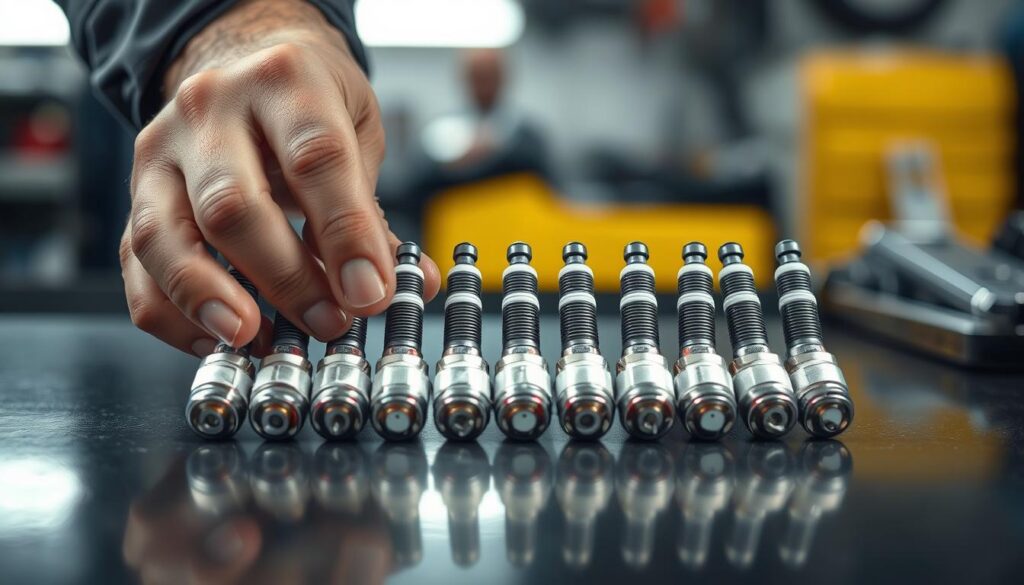
Spark plugs are essential for igniting the fuel in your engine. Check for wear, fouling, or damage. Replacing spark plugs is a relatively simple process that can resolve starting issues if they are found to be faulty.
To evaluate spark plugs:
- Remove the spark plug wire
- Use a spark plug socket to remove the plug
- Inspect for signs of wear or fouling
Testing Ignition Coil
The ignition coil generates the voltage needed for spark plugs to ignite the fuel. Testing it involves checking for the correct voltage output. A multimeter can be used for this purpose.
| Test | Expected Result |
|---|---|
| Resistance test | Within manufacturer’s specifications |
| Voltage output test | Correct voltage as per specifications |
“A well-maintained ignition system is crucial for the overall performance of your vehicle. Regular checks can prevent starting issues and ensure your car runs smoothly.” –
By assessing these components of the ignition system, you can identify and potentially fix the issue preventing your car from starting.
Fuel System Troubleshooting
Troubleshooting the fuel system is a crucial step in diagnosing why your car won’t start. The fuel system is responsible for delivering fuel to the engine, and any issues within this system can prevent your car from starting.
Checking the Fuel Pump
The fuel pump is a critical component that pressurizes the fuel system. A faulty fuel pump can prevent fuel from reaching the engine, causing starting issues. To check the fuel pump, listen for a humming noise when you turn the ignition on; if it’s not making noise, it might be faulty.
Steps to Check the Fuel Pump:
- Turn the ignition switch to the “ON” position without starting the engine.
- Listen carefully near the fuel tank for the humming sound of the fuel pump.
- If you don’t hear the noise, check the fuel pump relay and fuse.
Inspecting Fuel Filters
Clogged fuel filters can restrict fuel flow, preventing your car from starting. Regular inspection and replacement of fuel filters are essential for maintaining a healthy fuel system.
To inspect fuel filters:
- Locate the fuel filter, usually found along the fuel line or inside the fuel tank.
- Remove the filter and inspect it for dirt, debris, or damage.
- Replace the filter if it’s clogged or damaged.
Verifying Fuel Injector Operation
Fuel injectors spray fuel into the engine’s cylinders. Dirty or faulty injectors can cause starting issues. Verifying their operation involves checking for proper resistance and cleaning or replacing them as needed.
| Fuel Injector Status | Possible Cause | Recommended Action |
|---|---|---|
| Dirty Injectors | Fuel contamination or wear | Clean the injectors |
| Faulty Injectors | Electrical or mechanical failure | Replace the injectors |
By systematically checking the fuel pump, inspecting fuel filters, and verifying fuel injector operation, you can identify and potentially fix fuel-related starting issues in your car.
Electrical System Diagnostics
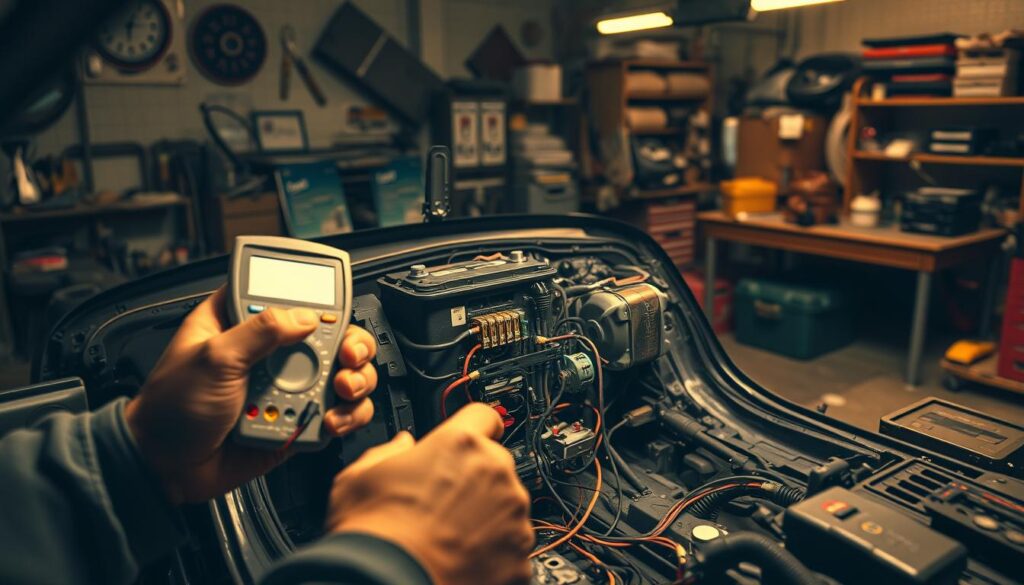
The electrical system plays a vital role in starting your car, and diagnosing its issues can be a straightforward DIY task. When your car won’t start, it’s essential to examine the electrical system components methodically.
Examining Fuses and Relays
Fuses and relays are critical components of your car’s electrical system. A blown fuse or faulty relay can prevent your car from starting, making it crucial to inspect these elements. Check your car’s fuse box for any blown fuses and replace them as needed.
Relays should be tested according to the manufacturer’s instructions, typically involving a multimeter to check for continuity. If a relay is found to be faulty, replacing it with a new one can resolve starting issues.
Testing Wiring Connections
Wiring connections are another potential weak point in the electrical system. Corrosion or damage to wiring can disrupt the flow of electricity, preventing your car from starting. Inspect wiring connections for signs of wear or corrosion.
Clean any corroded connections with a wire brush and apply a protective coating to prevent future corrosion. Ensuring that wiring connections are secure and free from damage is crucial for reliable electrical system operation.
Diagnosing Starter Motor Problems
The starter motor is responsible for turning the engine over when you start your car. If the starter motor fails, your car won’t start. Listen for clicking sounds when turning the key; if you hear clicking but the engine doesn’t turn over, it could indicate a starter motor issue.
To diagnose starter motor problems, you can perform a simple test by applying voltage directly to the starter motor. If it engages, the issue may lie elsewhere in the starting circuit. However, if it doesn’t engage, the starter motor may need to be replaced.
By following these steps for electrical system diagnostics, you can identify and potentially fix issues preventing your car from starting. This DIY approach can save time and money, empowering you to get back on the road quickly.
Signs of a Failing Starter Motor
Identifying the signs of a failing starter motor is crucial for timely repairs. A starter motor that is on its way out can leave you stranded, and understanding the warning signs can help you address the issue before it becomes a major problem.
How to Identify Starter Issues
Starter motor issues can be tricky to diagnose because they can mimic other problems, such as battery or ignition switch faults. However, there are specific signs to look out for. If your car is having trouble starting, it’s essential to pay attention to the symptoms.
- Slow cranking: If the engine cranks slowly, it could be a sign of a weak starter motor.
- No cranking: If the engine doesn’t crank at all, it might indicate a more severe starter motor failure.
- Clicking sounds: A clicking noise when you turn the key can suggest a faulty starter motor or solenoid.
Listening for Noises
One of the most telling signs of a failing starter motor is the presence of unusual noises. When you turn the key, listen carefully for any abnormal sounds.
Common noises associated with starter motor issues include:
- Grinding or whirring sounds
- Clicking or clunking noises
- A high-pitched whine
If you notice any of these sounds, it’s worth investigating further.
Testing Starter Functionality
To determine if your starter motor is functioning correctly, you can perform a few simple tests. First, ensure that your battery is fully charged, as a weak battery can mimic starter motor issues.
Next, try jump-starting your car. If it starts with a jump, but not with the key, it could indicate a starter motor problem. You can also use a multimeter to test the voltage drop across the starter motor when it’s engaged.
By following these steps, you can gain a better understanding of your starter motor’s condition and decide on the best course of action for repairs or replacement.
The Role of the Alternator
A well-functioning alternator is essential for the overall health of your vehicle, as it recharges the battery and supplies power to various components. As part of a comprehensive vehicle troubleshooting guide, understanding the alternator’s role can help you diagnose and fix issues related to your car’s electrical system.
Identifying Alternator Malfunctions
Alternator malfunctions can manifest in various ways, including dim or flickering headlights, dead batteries, or strange noises from the alternator. If you notice any of these signs, it’s crucial to investigate further to determine if the alternator is the culprit.
One of the first steps in diagnosing an alternator issue is to check the dashboard warning lights. Many modern vehicles have a battery or alternator warning light that illuminates when there’s a problem with the charging system.
Testing Alternator Output
To test the alternator’s output, you’ll need a multimeter. Start by measuring the voltage across the battery terminals with the engine off. Then, start the engine and measure the voltage again. A functioning alternator should show an increase in voltage, typically between 13.5 and 14.5 volts.
If the voltage doesn’t increase or is too high, it could indicate a problem with the alternator. As part of a do it yourself car repair guide, learning to test the alternator’s output is a valuable skill that can help you identify potential issues before they become major problems.
Importance of Charging Systems
The charging system, which includes the alternator, battery, and voltage regulator, is vital for your vehicle’s operation. A properly functioning charging system ensures that your battery remains charged and your electrical systems operate correctly.
Regular maintenance, such as checking the alternator belt for wear and ensuring the battery terminals are clean, can help prevent charging system issues. By understanding the importance of the charging system and how to maintain it, you can keep your vehicle running smoothly and avoid unexpected breakdowns.
Understanding Error Codes
When your car won’t start, error codes can provide valuable insights into what’s going wrong. Modern cars are equipped with onboard diagnostics (OBD) that monitor various systems and can identify issues that might be preventing your car from starting.
Using an OBD-II Scanner
An OBD-II scanner is a tool that connects to your car’s OBD port, typically located under the steering column. It retrieves error codes stored in your car’s computer, which can indicate problems with the engine, transmission, or other critical systems.
To use an OBD-II scanner:
- Locate the OBD port in your vehicle.
- Plug in the OBD-II scanner.
- Turn on the ignition (but do not start the engine).
- Follow the scanner’s instructions to retrieve error codes.
Interpreting Error Codes
Once you have retrieved the error codes, you need to interpret them. Error codes are typically a combination of letters and numbers. The first character indicates the code type (e.g., P for Powertrain). The next few characters specify the issue.
For example, a code starting with “P0” indicates a generic code that can be applied across different vehicle manufacturers.
Common Codes Related to Starting Issues
Some error codes are more relevant to starting issues than others. Here are a few common ones:
| Code | Description |
|---|---|
| P0335 | Crankshaft Position Sensor Circuit Malfunction |
| P0122 | Throttle/Pedal Position Sensor/Switch Circuit Low Input |
| P0685 | ECM/PCM Power Relay Control Circuit/Open |
As illustrated in the table, these codes can point to issues with sensors, relays, or other components critical to starting your car.
By understanding and interpreting error codes, you can diagnose car starting problems more effectively. This knowledge empowers you to take the right steps towards fixing the issue, whether it involves replacing a faulty sensor or addressing a more complex problem.
“The use of OBD-II scanners has simplified the process of diagnosing car issues, making it more accessible for car owners to identify and potentially fix problems on their own.”
When to Seek Professional Help
Not every car problem can be solved with a DIY fix; knowing when to seek professional help is crucial. While troubleshooting and fixing car starting issues can be empowering, some problems are too complex or require specialized tools and expertise.
Identifying Complex Problems
Complex problems often involve intricate systems or require advanced diagnostic equipment. For instance, issues with modern car’s computer systems or problems that involve complex electrical circuits may be challenging for DIY enthusiasts to resolve.
- Problems that involve the car’s computer system or network.
- Issues with advanced safety features or driver-assistance systems.
- Complex electrical problems that require specialized testing equipment.
Knowing Your Limits
It’s essential to be honest about your DIY skills and knowledge. If you’re unsure about how to proceed with a diagnosis or repair, it’s better to seek help than to risk making the problem worse.
Recognizing your limits can save you from potential safety hazards and costly repairs down the line.
Consider the following:
- Assess your level of comfort with DIY repairs.
- Evaluate the complexity of the problem you’re facing.
- Consider seeking a second opinion from a professional.
Cost Considerations
Sometimes, the cost of attempting a DIY fix can outweigh the benefits, especially if you’re not sure what you’re doing. Professional mechanics can provide a clear estimate of the costs involved and help you make an informed decision.

When deciding whether to seek professional help, consider the potential costs of parts, labor, and any additional repairs that might be needed. A professional can help you avoid costly misdiagnoses and ensure that the problem is fixed correctly the first time.
Preventative Maintenance Tips
Regular maintenance checks can significantly reduce the likelihood of your car failing to start. By staying on top of simple checks and maintenance tasks, you can ensure your vehicle remains in good condition and avoid the frustration of a dead car.
Regular Battery Checks
Your car’s battery is a critical component that requires regular inspection. Start by checking the battery terminals for signs of corrosion or wear. Clean the terminals with a wire brush and baking soda if necessary. Ensure the battery water level is adequate, and top it off with distilled water if your battery is not maintenance-free.
- Inspect battery cables for damage or corrosion.
- Test the battery voltage using a multimeter.
- Consider replacing your battery every 3-5 years or as recommended by the manufacturer.
Routine Fuel System Maintenance
A well-maintained fuel system is essential for your car’s performance and starting reliability. Regularly check your fuel filter and replace it if it’s clogged or dirty. Use a fuel system cleaner periodically to keep your fuel injectors clean and functioning properly.
- Check your fuel filter every 15,000 to 30,000 miles.
- Use a high-quality fuel additive to clean your fuel system.
- Listen for unusual noises from the fuel pump.
Periodic Electrical System Inspections
The electrical system is vital for starting your car. Regularly inspect your fuses and relays, replacing any that are blown or worn out. Check your wiring for signs of damage or wear, and ensure all connections are clean and secure.
Key areas to inspect include:
- Fuses and relays for the starter motor and ignition system.
- Wiring connections at the battery, starter, and alternator.
- The condition of your alternator belt and other related components.
By following these preventative maintenance tips, you can significantly reduce the risk of your car failing to start. Regular checks and maintenance not only ensure your vehicle’s reliability but also contribute to its overall longevity and performance.
Seasonal Considerations for Starting Problems
The changing seasons can have a profound effect on your vehicle’s starting capabilities, making some issues more prevalent at certain times of the year. Understanding these seasonal challenges can help you prepare and potentially avoid starting problems.
Winter Weather Effects
Winter brings its own set of challenges for car owners. Cold temperatures can significantly impact your car’s battery, making it harder for the engine to turn over. To combat this:
- Check your battery’s condition and charge level before winter sets in.
- Consider using a battery blanket or block heater to keep your engine warm.
- Ensure your battery terminals are clean and free of corrosion.

Summer Heat Challenges
While less commonly associated with starting issues, summer heat can still cause problems, particularly with the electrical system. To mitigate these risks:
- Keep an eye on your dashboard warning lights, as they can indicate overheating issues.
- Check your alternator belt for signs of wear, as a failing belt can lead to starting problems.
- Ensure your cooling system is functioning properly to prevent overheating.
Preparing Your Car Year-Round
To minimize starting issues throughout the year, regular maintenance is key. This includes:
- Regularly checking and maintaining your battery.
- Keeping your fuel system clean and ensuring proper fuel levels.
- Inspecting your starter motor and ignition system periodically.
By being proactive and addressing these seasonal challenges, you can significantly reduce the likelihood of encountering starting problems with your vehicle.
The Importance of Keeping Your Car Clean
Keeping your car clean can significantly impact its functionality and lifespan. A clean car not only looks better, but it also helps in maintaining its overall health.
Cleaning Battery Terminals
One crucial aspect of maintaining your car’s health is cleaning the battery terminals. Corrosion on the terminals can lead to starting issues. To clean them, mix baking soda and water to form a paste, and apply it to the terminals. Use a brush to scrub away the corrosion, then rinse with water.
Tip: Regularly cleaning your battery terminals can prevent costly repairs down the line.
Maintaining a Clean Fuel System
A clean fuel system is vital for your car’s performance. Dirt and debris can clog fuel injectors and filters, leading to poor engine performance. Use a fuel system cleaner periodically to keep your fuel system clean.
- Check your fuel filter regularly and replace it as needed.
- Use a high-quality fuel system cleaner.
- Avoid using low-quality fuel that can contain contaminants.
Benefits of Regular Washes
Regular car washes not only keep your car looking new, but they also help protect the paint and body from damage caused by dirt and road salt. Regular washing can prevent rust and corrosion, especially in areas where road salt is used during winter.
| Benefits | Description |
|---|---|
| Paint Protection | Regular washing protects the paint from damage caused by dirt and contaminants. |
| Rust Prevention | Washing your car regularly, especially after exposure to road salt, can prevent rust. |
| Overall Appearance | A clean car looks better and can boost its resale value. |
By maintaining your car’s cleanliness, you’re not only enhancing its appearance but also contributing to its overall health and longevity. Regular cleaning, whether it’s the exterior or interior components like the battery and fuel system, plays a significant role in preventing issues that could lead to costly repairs.
How to Prepare for Your DIY Fix
Preparing for a DIY repair is a crucial step in troubleshooting car starting issues. It involves several key steps that ensure you’re ready to tackle the problem efficiently.
Gathering the Right Information
Before starting your DIY fix, it’s essential to gather all relevant information about your car’s issue. This includes understanding the symptoms, potential causes, and the steps involved in the repair.
- Consult your car’s manual for troubleshooting guides.
- Research online forums and repair guides specific to your car’s make and model.
- Take note of any error codes displayed by your car’s onboard diagnostics system.
Creating an Organized Workspace
An organized workspace is crucial for an efficient DIY repair. It helps in reducing the time spent on the repair and minimizes the risk of misplacing tools or parts.
- Clear a flat workspace in your garage or driveway.
- Organize your tools and equipment within easy reach.
- Use containers or trays to keep small parts organized.
Setting a Time for Repairs
Setting aside dedicated time for your DIY repair is vital. It ensures that you’re not rushed and can focus on completing the task without interruptions.
- Schedule a specific time and day for your repair.
- Ensure you have all necessary tools and parts before starting.
- Consider the complexity of the task and allocate sufficient time.
By following these steps, you’ll be well-prepared to tackle the issue with your car. A well-planned approach not only makes the process smoother but also enhances your ability to diagnose and fix the problem effectively.
| Preparation Step | Description | Benefits |
|---|---|---|
| Gathering Information | Researching the issue, consulting manuals, and noting error codes. | Understanding the problem, identifying potential causes. |
| Organizing Workspace | Clearing a workspace, organizing tools, and keeping parts in containers. | Efficient workflow, reduced risk of losing parts. |
| Setting Repair Time | Scheduling a specific time, ensuring necessary tools and parts are available. | Focused work, minimized interruptions, timely completion. |
Conclusion: Empowering Yourself with DIY Skills
Mastering the skills to fix a car that won’t start is a valuable asset for any car owner. By following this do it yourself car repair guide, you’ve taken the first step towards becoming self-sufficient in car maintenance and repair.
Embracing the DIY mindset not only saves money but also enhances your understanding of your vehicle’s mechanics. As you tackle more DIY car won’t start fix projects, you’ll become more confident in your ability to diagnose and repair issues.
Practical Experience and Knowledge Sharing
Learning from experience is a crucial part of the DIY journey. By applying the steps outlined in this guide, you’ll gain hands-on experience that will help you tackle future car troubles. Sharing your knowledge with others fosters a community of DIY enthusiasts who can learn from each other’s experiences.
As you continue to hone your DIY skills, you’ll find that fixing a car that won’t start is just the beginning. You’ll be equipped to handle a wide range of car repairs, from routine maintenance to more complex issues.