





Dealing with a malfunctioning car window can be frustrating, but repairing it at home can be a cost-effective solution. Understanding the basics of car window repair is the first step towards fixing the issue.
Common issues such as stuck or broken windows can often be resolved with the right tools and a bit of guidance. By learning how to diagnose and fix these problems, you can save time and money.
Key Takeaways
- Understand the basics of car window mechanics
- Learn to diagnose common car window issues
- Discover the tools needed for car window repair
- Know when to seek professional help for complex problems
- Save money by performing simple repairs at home
Understanding Common Car Window Problems
Car window issues can range from minor annoyances to major safety concerns, making it essential to understand the common problems. Whether you’re dealing with a stuck window, broken glass, or a malfunctioning power window, knowing what’s gone wrong is the first step to fixing it.
Types of Car Window Issues
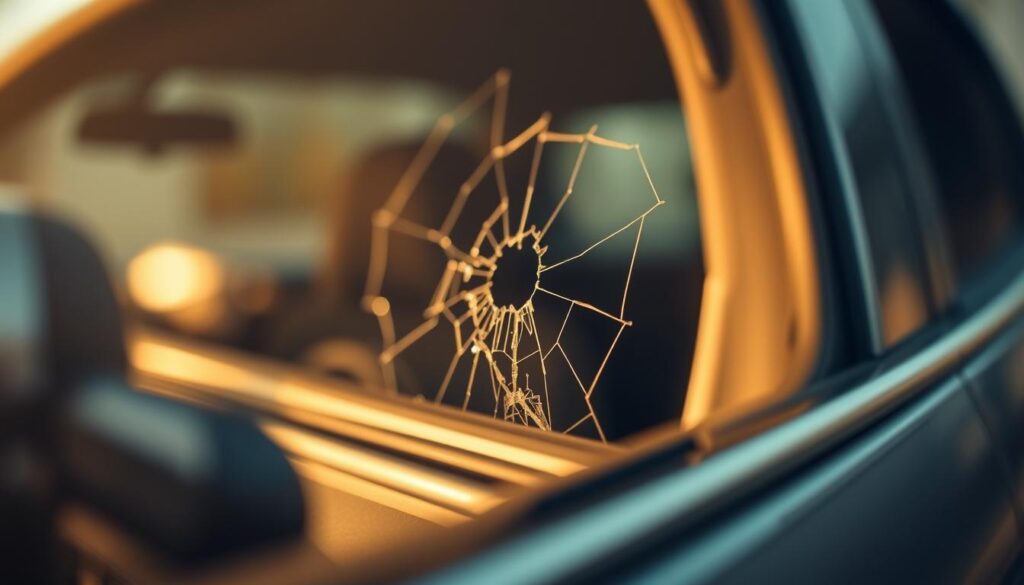
Car windows can experience a variety of problems, including faulty window regulators, broken glass, or malfunctioning power windows. Faulty window regulators can cause the window to become stuck or fall off its tracks, while broken glass poses a safety risk and requires immediate attention.
Power windows, on the other hand, can be affected by issues such as faulty switches, motor failures, or wiring problems. Understanding these different types of issues is crucial for effective repair.
Symptoms to Look For
Identifying the symptoms of car window problems early on can help prevent further damage and costly repairs. Common symptoms include windows that are stuck or won’t move, unusual noises when operating the window, or water leaks due to damaged seals.
If you notice any of these symptoms, it’s essential to diagnose the problem promptly. For instance, a grinding noise when rolling up the window could indicate a worn-out regulator, while water leaks might suggest a damaged seal or misaligned window.
When to Seek Professional Help
While some car window problems can be fixed at home, others require professional assistance. If you’re dealing with complex issues like a faulty window motor or extensive glass damage, it’s best to seek help from a professional.
Additionally, if you’re unsure about the diagnosis or feel uncomfortable with DIY repairs, consulting a professional can save you time and money in the long run.
Tools and Materials Needed for Repairs
Before diving into car window repairs, it’s essential to gather the necessary tools and materials. Having the right equipment on hand will make the process smoother and more efficient, whether you’re dealing with a stuck window or preparing for a window regulator replacement.
Essential Tools for Car Window Repair
To tackle most car window repairs, you’ll need a variety of basic and specialized tools. These include:
- Screwdrivers (flathead and Phillips)
- Pliers and punch tools for handling small parts
- Wrenches for removing bolts and nuts
- A trim removal tool to safely take out interior panels without damage
For more complex tasks, such as power window repair, you may also require:
- A multimeter to test electrical circuits
- A drill and bits for making new holes or enlarging existing ones
- Socket sets for handling various bolt sizes
As “A well-prepared technician is a successful one,” having these tools at your disposal will significantly simplify the repair process.
Recommended Materials for Fixing Windows
In addition to the right tools, having the correct materials is crucial for a successful repair. Depending on the nature of the issue, you might need:
- Replacement glass or window motors
- Window regulators or cables
- Sealants or adhesives for reattaching parts or sealing leaks
For a window regulator replacement, ensure you have the correct model for your vehicle. It’s also a good idea to consult your car’s manual or a parts supplier to confirm compatibility.

By being well-prepared with the necessary tools and materials, you’ll be able to tackle car window repairs with confidence. Whether it’s a simple fix or a more complex task like power window repair, having everything you need at the outset will save time and reduce frustration.
Fixing Power Window Issues
When your car’s power windows fail, it can be a major hassle, but understanding the root cause can simplify the repair. Power window issues can stem from various problems, including faulty switches, malfunctioning motors, or wiring issues.
Diagnosing Power Window Problems
To fix a power window issue, you first need to diagnose the problem. Start by checking the window switch; if it’s not functioning correctly, the window won’t move. You can test the switch by swapping it with another one or using a multimeter to check for electrical continuity.
Common signs of a faulty switch include:
- Unresponsive buttons
- Intermittent operation
- No lights or indicator when pressing the switch
Repairing or Replacing Window Switches
If the switch is the problem, you may need to repair or replace it. To replace a window switch, you’ll typically need to remove the door panel to access the switch assembly. Once removed, disconnect the electrical connector and replace the switch with a new one.
Steps to replace a window switch:
- Remove the door panel
- Disconnect the electrical connector
- Remove the old switch
- Install the new switch
- Reconnect the electrical connector
- Replace the door panel
Dealing with Window Motor Failures
A faulty window motor can also cause power window issues. Symptoms include slow or noisy window operation, or the window not moving at all. To diagnose a motor issue, listen for unusual noises when operating the window and check if the motor is receiving power.

To replace a window motor:
- Remove the door panel to access the motor
- Disconnect the motor from the window regulator
- Remove the old motor and install a new one
- Reconnect the motor to the regulator
- Replace the door panel
By following these steps, you can effectively diagnose and fix common power window issues, ensuring your car’s windows operate smoothly again.
Addressing Manual Window Problems
Manual car window issues can be annoying, but with the right troubleshooting steps, you can get back on track. Manual windows are simpler than power windows, but they still require maintenance to function smoothly.
Troubleshooting Manual Window Mechanisms
When your manual window starts to malfunction, the first step is to identify the problem. Check if the window is stuck or if the handle is loose. A loose handle might just need tightening, while a stuck window could be due to dirt or worn-out parts.
Common issues with manual window mechanisms include:
- Dirt and debris accumulation
- Worn-out or broken window regulators
- Loose or broken window handles
Inspecting these areas can help you pinpoint the problem. For instance, if the window is stuck due to dirt, cleaning it might resolve the issue. However, if the regulator is broken, you might need to replace it.
Lubrication Tips for Smooth Operation
Lubrication is key to keeping your manual windows operating smoothly. Regularly applying lubricant to the window tracks and hinges can prevent sticking and reduce wear on the components.
Here are some lubrication tips:
- Use a silicone-based lubricant to avoid attracting dirt
- Apply lubricant to the window regulator and hinges
- Operate the window several times after lubrication to ensure it spreads evenly
By following these tips, you can extend the life of your manual windows and ensure they continue to function properly. Regular maintenance, including cleaning and lubrication, is crucial for car window repair and overall door functionality, including door glass repair.

Resolving Stuck Windows
A stuck car window is not just an inconvenience; it’s often a sign of an underlying issue that needs to be addressed. Whether you’re dealing with a power window or a manual one, a stuck window can disrupt your daily routine. Understanding the causes and knowing how to fix them can save you time and potentially costly repairs.
Causes of Stuck Windows
Several factors can cause a car window to stick. Worn-out or damaged window regulators are a common culprit, as they can misalign or break, preventing the window from moving smoothly. Additionally, dirt and debris accumulation in the window tracks can hinder the window’s movement. In some cases, the issue might be with the window motor or the switch in power windows.
Another significant factor is the window tinting process. If not done correctly, it can cause the window to stick or not seal properly. It’s essential to have window tinting done by professionals to avoid such issues.
Step-by-Step Guide to Unsticking a Window
To resolve a stuck window, start by cleaning the window tracks. Use a brush or a cloth to remove any dirt or debris that might be causing the window to stick. Next, lubricate the window tracks with a silicone-based lubricant to ensure smooth movement.
If the window is still stuck, you may need to inspect the window regulator for any signs of damage or wear. In some cases, replacing the regulator might be necessary. For power windows, checking the window motor and switch for any faults is also crucial.
“The key to resolving stuck windows often lies in regular maintenance and timely repairs. By keeping your car’s windows clean and well-lubricated, you can prevent many issues.”
In cases where the window is beyond repair, considering car window replacement might be the best option. Ensure that any replacement parts are of high quality to avoid future problems.
By following these steps and understanding the causes, you can effectively resolve stuck window issues and maintain your car’s windows in good condition.
Fixing a Broken Window Regulator
Replacing a broken window regulator is a manageable task that can restore your car window’s functionality. A faulty regulator can cause your window to stick or move unevenly, and addressing this issue promptly can prevent further damage to your car’s window system.
Identifying a Faulty Regulator
To determine if your window regulator is faulty, look out for symptoms such as uneven window movement, strange noises when operating the window, or the window getting stuck. If you notice any of these signs, it’s likely that your window regulator needs attention.
Here are some common indicators of a faulty window regulator:
- Uneven or jerky window movement
- Strange noises when operating the window
- Window gets stuck or won’t move
Inspecting the regulator mechanism can also help you identify any potential issues. Check for worn-out or damaged parts, and ensure that the regulator is properly lubricated.
How to Replace a Window Regulator
Replacing a window regulator involves several steps, including removing the door panel, disconnecting the old regulator, and installing the new one. Here’s a step-by-step guide to help you through the process:
First, you’ll need to remove the door panel to access the window regulator. This typically involves removing screws and clips that hold the panel in place.
Once you have access to the regulator, you’ll need to disconnect it from the window and the motor. Take note of the wiring and connections to ensure you can reconnect everything properly when installing the new regulator.
When sourcing a replacement regulator, ensure it’s compatible with your car’s make and model. Here are some key considerations:
| Compatibility Factor | Description |
|---|---|
| Make and Model | Ensure the regulator is designed for your car’s specific make and model. |
| Window Type | Check if the regulator is suitable for your car’s window type (power or manual). |
| Regulator Type | Verify if it’s a cable-driven or scissor-type regulator, matching your car’s existing setup. |
After installing the new regulator, reconnect the wiring and test the window to ensure it’s working smoothly.

By following these steps and sourcing the right replacement parts, you can successfully replace a broken window regulator and get your car window working properly again.
Sealing Window Leaks
One of the most effective ways to maintain your vehicle’s comfort and reduce potential damage is by sealing window leaks. Window leaks can lead to water ingress, noise, and reduced vehicle insulation, making your driving experience less comfortable.
Causes of Window Leaks
Window leaks are often caused by worn-out seals or misaligned windows. Over time, the seals around your car windows can deteriorate due to exposure to the elements, leading to leaks. Similarly, if your windows are not properly aligned, it can create gaps that allow water and air to seep in.
Common causes include:
- Worn-out or damaged window seals
- Misaligned windows
- Clogged drainage systems
DIY Sealing Techniques
Sealing window leaks can be a relatively simple DIY task. Here are some techniques to help you get started:
- Inspect and Clean the Area: Before applying any sealant, make sure the area around the leak is clean and free of debris.
- Apply a Sealant: Use a high-quality automotive sealant to fill in the gaps. For more significant leaks, consider using a rubber or silicone-based sealant for better durability.
- Check and Adjust Window Alignment: If the leak is due to a misaligned window, you may need to adjust the window’s position. This might involve loosening the window regulator and repositioning the window.
By following these steps and using the right materials, you can effectively seal window leaks and enhance your vehicle’s overall comfort and integrity. Regular maintenance, including checking your window seals and ensuring proper window alignment, can help prevent future leaks.
“A well-maintained vehicle is not just about looks; it’s about ensuring all components work harmoniously to provide a safe and comfortable driving experience.”
Replacing Car Window Glass
When your car’s window glass is damaged beyond repair, knowing how to replace it is essential. Car window replacement can be a cost-effective solution when done correctly.
When to Replace Rather Than Repair
Not all damages to car window glass require a full replacement. However, if the damage is extensive, such as large cracks or chips that obstruct your view, replacing the glass is the safest option. Extensive damage can compromise the structural integrity of your vehicle’s door, making replacement a necessity for safety reasons.
To determine whether you should repair or replace your car window glass, consider the size and location of the damage. If the damage is minor and in a non-critical area, a repair might suffice. However, if the damage is significant or in a critical area, such as directly in your line of sight, replacement is usually the better choice.
How to Remove and Install New Glass
Replacing car window glass involves several steps, starting with removing the damaged glass. Begin by carefully removing any remaining glass shards from the window frame to prevent injury or further damage.
Next, you’ll need to disconnect the window regulator from the glass. This usually involves removing the bolts that hold the glass in place. Once the glass is free, you can remove it from the door. When installing the new glass, ensure it’s properly aligned with the window regulator before securing it with bolts.
After installing the new glass, test the window to ensure it operates smoothly. This includes checking that the window moves up and down without obstruction and that there are no leaks around the glass.
Replacing your car’s window glass can be a DIY-friendly task if you have the right tools and follow the correct steps. Always refer to your vehicle’s manual for specific instructions related to your car’s make and model.
Maintaining Your Car Windows for Longevity
To keep your car windows functioning properly, regular maintenance is essential. By adopting a few simple habits, you can extend the life of your car windows and avoid costly repairs down the line.
Tips for Regular Care
Cleaning your car windows regularly is a crucial step in maintaining their clarity and functionality. Use a high-quality glass cleaner and a microfiber cloth to remove dirt and debris. Additionally, check your window regulators for any signs of wear or damage, as faulty regulators can lead to more significant problems if left unaddressed.
The Importance of Prompt Action
Addressing car window issues promptly is vital to prevent minor problems from escalating into major repairs. Whether you need to fix car window problems or undergo car window repair, timely action can save you time and money. Furthermore, considering window tinting can help protect your windows from UV damage and reduce heat gain inside your vehicle.
By following these simple maintenance tips and staying proactive about car window repair, you can enjoy well-functioning car windows for years to come.