





Are you frustrated with your car’s power windows that refuse to budge? Whether they’re stuck in the up or down position, this issue can be both inconvenient and concerning. Fortunately, fixing this problem might be easier than you think, and you might be able to do it yourself.
Before taking your car to a mechanic, consider attempting a DIY repair. This can save you time and money, and it’s a great way to learn more about your vehicle. The process involves checking the window’s electrical components, lubricating the window tracks, and potentially replacing worn-out parts.
Key Takeaways
- Identify common causes of stuck power windows
- Learn simple DIY steps to fix the issue
- Understand when to seek professional help
- Discover maintenance tips to prevent future problems
- Save time and money by attempting a DIY repair
Understanding Power Windows: The Basics
Understanding how power windows work is essential for troubleshooting and fixing issues that may arise. Power windows are a complex system involving electrical, mechanical, and electronic components.
What Are Power Windows?
Power windows are a feature in vehicles that allow drivers and passengers to open and close windows using electric motors rather than manual cranks. This convenience has become a standard expectation in modern vehicles.
How Do They Work?
The operation of power windows involves a system where an electric motor is connected to a regulator mechanism. When the window switch is activated, it sends an electrical signal to the motor, which then turns a gear mechanism to move the window up or down. The regulator is responsible for guiding the window along its path.
Key Components Involved:
- Window Switch
- Electric Motor
- Regulator Mechanism
- Window Glass
- Wiring and Electrical Connections
Common Components of Power Windows
The common components of power windows include the window switch, electric motor, regulator, and wiring. Each of these components plays a crucial role in the proper functioning of the power window system.
| Component | Function |
|---|---|
| Window Switch | Controls the direction of the window movement |
| Electric Motor | Provides the power to move the window |
| Regulator | Guides the window along its path |
| Wiring | Transmits electrical signals between components |
As
“The complexity of power window systems requires a comprehensive understanding of their components and functionality to effectively troubleshoot issues.”
, understanding these basics is crucial for identifying and fixing problems.
By grasping how power windows work and their common components, vehicle owners can better diagnose issues and decide whether to attempt DIY repairs or seek professional help.
Identifying the Problem
When your car’s power windows malfunction, it’s crucial to identify the root cause to apply the correct fix. Power windows are complex systems involving electrical and mechanical components, and diagnosing the issue requires a systematic approach.
Symptoms of Power Window Issues
The first step in diagnosing power window problems is recognizing the symptoms. These can include windows that won’t move at all, move only partially, or move erratically. Sometimes, you might hear strange noises when operating the window. Paying attention to these symptoms is crucial as they can point towards the underlying cause.
Initial Diagnostic Steps
To start diagnosing, check if the issue is with a single window or multiple windows. If it’s just one window, the problem is likely specific to that window’s circuit or mechanism. Try operating the window from both the driver’s control panel and the individual switch for that window to see if the issue is with the switch or elsewhere. This simple test can help narrow down the problem.
When to Seek Professional Help
While many power window issues can be diagnosed and fixed at home, some problems require professional assistance. If you’ve checked the fuse and it’s not blown, or if replacing the switch doesn’t solve the issue, it might be time to consult a professional. Additionally, if you’re not comfortable with DIY repairs or if the problem involves complex electrical or mechanical components, seeking help from a certified mechanic is advisable. They can provide expert car window repair tips and ensure the job is done correctly.
Following an electric window repair guide can also be helpful, but be cautious of guides that suggest bypassing safety mechanisms or complex repairs without proper expertise.
Tools Needed for DIY Power Window Repair
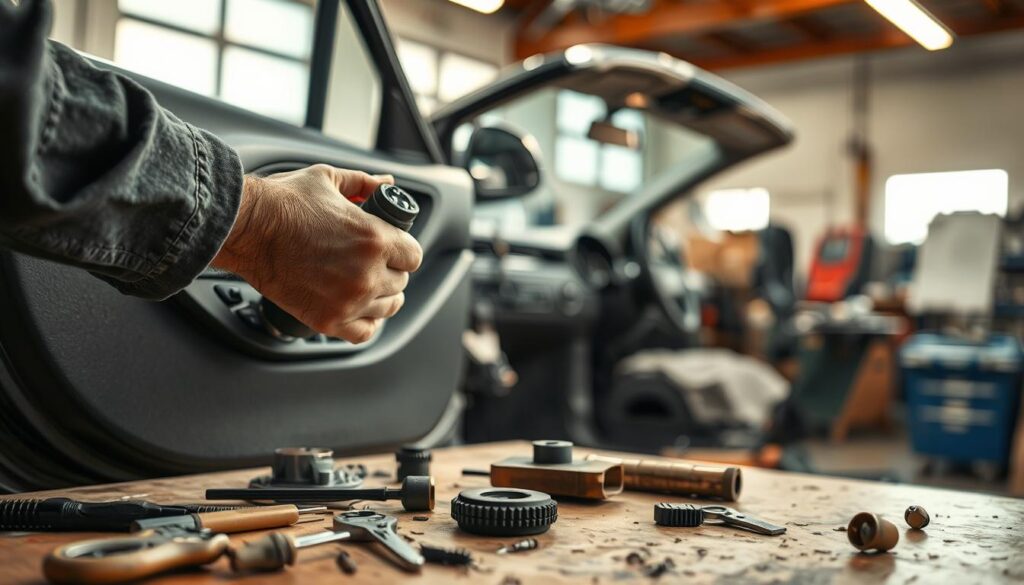
Before diving into DIY power window repair, it’s crucial to gather the right tools. Having the correct equipment not only makes the process smoother but also ensures your safety during the repair.
Essential Tools for the Job
To effectively repair your power windows, you’ll need a variety of tools. These include:
- Screwdrivers: Both flathead and Phillips-head screwdrivers are necessary for removing screws and other fasteners.
- Pliers and Wrenches: Needle-nose pliers are useful for gripping small parts, while adjustable wrenches can help with bolts and nuts.
- Multimeter: A multimeter is essential for diagnosing electrical issues within your power window system.
- Trim Removal Tools: These tools help in removing interior trim and panels without causing damage.
| Tool | Purpose |
|---|---|
| Screwdrivers | Removing screws and fasteners |
| Pliers and Wrenches | Gripping small parts and adjusting bolts/nuts |
| Multimeter | Diagnosing electrical issues |
| Trim Removal Tools | Removing interior trim and panels |
Safety Gear and Precautions
Safety should be your top priority when performing DIY auto glass repair or any other automotive repair. Ensure you have the following safety gear:
- Safety Glasses: Protect your eyes from debris or electrical sparks.
- Gloves: Work gloves can protect your hands from cuts and abrasions.
- First Aid Kit: A basic first aid kit should be nearby in case of minor accidents.
By having the right tools and safety gear, you’ll be well-prepared to tackle your DIY power window repair efficiently and safely.
Common Causes of Power Window Failure
The functionality of power windows relies on several critical components, and failures often stem from issues with these parts. Understanding the root causes of these failures is essential for effective repair.

Faulty Window Switches
One of the most common causes of power window failure is a faulty window switch. Over time, these switches can wear out due to repeated use, leading to malfunction. Replacing a faulty window switch is often a straightforward process, but it requires careful diagnosis to confirm the issue lies with the switch.
Symptoms of a faulty switch include windows that won’t move or intermittent operation. In some cases, cleaning the switch contacts can resolve the issue, but often, a power window switch replacement is necessary.
Malfunctioning Regulators
The window regulator is another critical component that can cause power window failure if it malfunctions. The regulator is responsible for moving the window up and down. When it fails, the window may get stuck or not move at all.
Regulator failure can be due to mechanical wear or electrical issues. Inspecting the regulator for signs of wear or damage is crucial. In many cases, a faulty regulator needs to be replaced entirely.
Wiring Issues
Wiring problems are another common cause of power window failure. Damaged or corroded wiring can disrupt the electrical signal needed to operate the windows. Checking the wiring for any signs of damage or corrosion is an essential step in diagnosing power window issues.
Repairing wiring issues often involves fixing or replacing the damaged sections. Ensuring that all connections are clean and secure is vital for restoring proper function.
By understanding these common causes, car owners can better diagnose and address power window issues, potentially saving time and money on repairs.
Troubleshooting Power Window Issues
Troubleshooting power window issues can seem daunting, but with a systematic approach, you can identify and potentially fix the problem. Power windows are complex systems involving electrical, mechanical, and sometimes hydraulic components, making diagnosis a bit challenging.
Step-by-Step Troubleshooting Guide
To effectively troubleshoot your power window, follow these steps:
- Check the window switch for any signs of malfunction or wear.
- Inspect the wiring and connections for damage or corrosion.
- Test the window motor to ensure it’s functioning correctly.
- Examine the window regulator for any mechanical issues.
Testing the Window Motor
The window motor is a crucial component of the power window system. To test it, you’ll need a multimeter to check for electrical power reaching the motor. If the motor is not receiving power, the issue may lie in the wiring or the switch.
Steps to test the window motor:
- Disconnect the electrical connector from the motor.
- Use a multimeter to check for voltage at the connector when the window switch is activated.
- If voltage is present but the motor doesn’t work, it’s likely faulty and needs replacement.
Checking for Electrical Power
Electrical issues are common in power window malfunctions. Checking for electrical power involves inspecting the fuse, wiring, and connections.
Key areas to inspect:
- The fuse box for blown fuses related to the power windows.
- Wiring for any signs of damage, such as cuts, burns, or corrosion.
- Connections at the switch, motor, and regulator for looseness or corrosion.
By following these troubleshooting steps, you can identify the root cause of your power window issue and take the necessary steps to repair it.
Repairing Power Window Switches
Repairing a power window switch is a relatively straightforward process that can save you money and hassle in the long run. The switch is a critical component of your vehicle’s window system, and addressing any issues with it promptly can prevent further complications.
How to Remove the Switch Panel
To start repairing your power window switch, you first need to remove the switch panel. This usually involves prying off the panel gently with a flathead screwdriver. Be careful not to damage the surrounding trim or the panel itself.
- Locate the switch panel and identify the screws or clips holding it in place.
- Use a suitable tool to remove the screws or release the clips.
- Gently pull the panel away from the door or dashboard.
Cleaning and Inspecting the Switch
Once the switch panel is removed, you can access the switch for cleaning and inspection. Dirt, dust, and wear can cause the switch to malfunction.
- Use compressed air or a soft brush to clean out any debris from around the switch.
- Inspect the switch contacts for signs of wear or corrosion.
- If the switch is dirty, use a contact cleaner to improve its functionality.
Replacing a Faulty Switch
If cleaning the switch doesn’t resolve the issue, it may be necessary to replace it. Replacing a faulty switch involves sourcing a compatible replacement and installing it.
Steps to Replace the Switch:
- Disconnect the electrical connector from the old switch.
- Remove any retaining clips or screws holding the switch in place.
- Install the new switch, ensuring it’s securely fastened.
- Reconnect the electrical connector.

By following these steps, you can effectively repair or replace your power window switch, restoring your window’s functionality. Regular maintenance and prompt repairs can help prevent more significant issues down the line.
Fixing Window Regulators
The window regulator plays a crucial role in the operation of your car’s power windows. It is the mechanism responsible for moving the window up and down. When it fails, it can cause significant inconvenience.
Identifying Regulator Problems
To diagnose a faulty window regulator, look for signs such as slow or uneven window movement, or a window that is stuck in one position. You might also hear unusual noises coming from the window area when you try to operate it.
If you notice any of these symptoms, it’s likely that your window regulator needs attention. Inspecting the regulator and its components can help you determine the extent of the problem.
How to Remove the Window Regulator
Removing the window regulator involves several steps. First, you need to remove the door panel to access the regulator. This typically involves removing screws and gently prying the panel away from the door frame.
Once the panel is removed, you’ll see the regulator and its associated components. You’ll need to disconnect the electrical connector and any cables attached to the regulator. Then, remove the bolts holding the regulator in place, and carefully lift it out of the door.
Installing a New Window Regulator
Installing a new window regulator is essentially the reverse of the removal process. Start by placing the new regulator into the door and securing it with the appropriate bolts. Reconnect any electrical connectors and cables.
Before reassembling the door panel, test the window to ensure it’s working correctly. Once you’re satisfied that everything is functioning properly, reattach the door panel, making sure it’s securely fastened with screws.
By following these steps, you can successfully repair or replace your window regulator, restoring your power window to full functionality.
Dealing with Window Motors
Understanding how to deal with window motors is essential for fixing power window issues. The window motor is a critical component that enables the power window to move up and down. When it fails, it can cause significant inconvenience.
Testing the Window Motor
Before replacing the window motor, it’s crucial to test it to confirm that it’s faulty. To do this, you’ll need a multimeter to check the voltage supply to the motor. Ensure the window switch is in the correct position and the ignition is on. If the voltage is present but the motor isn’t working, it’s likely the motor is faulty.
Steps to Test the Window Motor:
- Disconnect the electrical connector from the window motor.
- Use a multimeter to check for voltage at the connector when the window switch is activated.
- If voltage is present, connect the motor directly to a power source (like a car battery) to test its operation.

Motor Replacement Process
If the window motor is faulty, replacing it is the next step. This process involves removing the window regulator, which the motor is attached to, and then detaching the motor from the regulator.
Motor Replacement Steps:
- Remove the door panel to access the window regulator.
- Detach the window from the regulator.
- Remove the regulator and motor assembly.
- Disconnect the motor from the regulator.
- Install the new motor and reassemble everything in reverse order.
Reconnecting Electrical Connections
After replacing the window motor, reconnecting the electrical connections properly is vital. Ensure all connectors are securely attached and the wiring is not damaged.
Tips for Reconnecting Electrical Connections:
| Step | Description |
|---|---|
| 1 | Inspect the wiring for any damage or corrosion. |
| 2 | Reconnect the electrical connector to the new motor. |
| 3 | Test the window operation to ensure it’s working correctly. |
By following these steps, you can successfully diagnose and replace a faulty window motor, restoring your power window’s functionality.
Repairing Wiring Issues
Power window wiring problems can be frustrating, but they are often repairable with the right guidance. Wiring issues can manifest in various ways, such as a window that won’t move or a switch that doesn’t respond.
Common Wiring Problems
Wiring issues in power windows can arise from several common problems. These include:
- Frayed or damaged wires
- Corrosion on connectors
- Blown fuses
- Faulty relays
Identifying the specific issue is crucial for effective repair. For instance, a blown fuse might indicate an overload or short circuit elsewhere in the system.
How to Inspect Wiring
Inspecting the wiring involves a systematic check of the power window circuit. Start by:
- Checking the fuse box for blown fuses related to the power window circuit
- Examining wiring harnesses for signs of damage or wear
- Testing connectors for corrosion or loose connections
Table: Common Wiring Issues and Symptoms
| Issue | Symptoms |
|---|---|
| Frayed Wires | Intermittent window operation, complete failure |
| Corrosion on Connectors | Window doesn’t move, switch doesn’t light up |
| Blown Fuse | Complete loss of power window function |
Repair Techniques
Once the issue is identified, the appropriate repair technique can be applied. For frayed wires, repair or replacement is necessary. Corrosion on connectors can often be cleaned with appropriate contact cleaners.
For a comprehensive electric window repair guide, it’s essential to consult resources that provide detailed repair techniques and safety precautions. This ensures that the repair is done correctly and safely.
Lubricating Power Window Components
One often overlooked aspect of power window maintenance is the lubrication of its components. Proper lubrication ensures that the mechanical parts of your power windows move smoothly, reducing wear and tear on the system.
Importance of Lubrication
Lubrication plays a crucial role in the longevity and functionality of your car’s power windows. It helps to reduce friction between moving parts, preventing corrosion and ensuring that the windows operate smoothly. Without adequate lubrication, the components can wear out faster, leading to costly repairs.
Benefits of Lubrication include:
- Reduced friction between moving parts
- Prevention of corrosion
- Smoother operation of power windows
- Extended lifespan of components
Recommended Lubricants
Choosing the right lubricant is essential for effective power window maintenance. Silicone-based lubricants are highly recommended because they provide excellent lubrication and are resistant to extreme temperatures. Other options include white lithium grease and powder lubricants like graphite.
When selecting a lubricant, consider the following factors:
- Compatibility with the materials used in your power window system
- Operating temperature range
- Durability and longevity of the lubricant
How to Properly Lubricate
Lubricating your power window components is a straightforward process that requires some basic knowledge and the right tools. Start by identifying the moving parts that need lubrication, such as the window tracks and hinges.
Apply a small amount of lubricant to these areas, ensuring not to over-lubricate, which can attract dirt and debris. Use a clean cloth to wipe away any excess lubricant.
Regular lubrication, as part of your car maintenance routine, can significantly enhance the performance and lifespan of your power windows. By following these simple steps, you can keep your power windows operating smoothly for years to come.
Reassembling Your Power Window
Reassembling your power window is a crucial step in ensuring it functions properly after repairs. This process involves reversing the steps you took to disassemble it, with careful attention to detail.
Steps for Reassembly
To reassemble your power window, follow these steps in reverse order of how you disassembled it. Ensure all parts are clean and free of debris before reattaching them. Start by reinstalling the window regulator, making sure it’s properly aligned and secured.
Next, reattach the window motor, ensuring it’s firmly connected to the regulator. Reconnect any electrical connectors you had disconnected, and make sure they’re secure.
Testing the Window Functionality
Once you’ve reassembled the power window, it’s essential to test its functionality. Turn the ignition on and use the window switch to roll the window up and down. Listen for any unusual noises and check if the window moves smoothly.
If the window doesn’t move or makes strange noises, you may need to revisit your reassembly steps or check for any loose connections.
Final Checklist
Before considering your DIY power window repair complete, go through this final checklist:
- The window moves up and down smoothly without any jerks or unusual noises.
- All electrical connections are secure.
- The window is properly aligned within its frame.
- The window switch functions correctly.
By following these steps and checking off each item on your final checklist, you can be confident that your power window is working correctly and will continue to do so for a long time.
Preventing Future Power Window Issues
Regular maintenance is key to ensuring your car’s power windows continue to work efficiently. By taking a few simple steps, you can prevent many common issues that lead to power window failure.
Regular Maintenance Tips
To keep your power windows in good working order, it’s essential to perform regular maintenance. This includes:
- Cleaning the window tracks and regulators to prevent dirt and debris buildup
- Lubricating moving parts with a silicone-based lubricant
- Checking the window seals for signs of wear or damage
- Ensuring the window switches are clean and functioning correctly
Lubrication is particularly important as it reduces friction and prevents wear on moving parts. Use a silicone-based lubricant to lubricate the window tracks and regulators.
Recognizing Early Signs of Trouble
Being able to identify early signs of power window issues can help you address problems before they become major repairs. Look out for:
- Slow or uneven window movement
- Unusual noises when operating the windows
- Windows that won’t stay up or keep falling
- Faulty window switches or buttons
If you notice any of these symptoms, it’s crucial to investigate further and take corrective action.
Importance of Prompt Repairs
When you identify a problem with your power windows, it’s vital to address it promptly. Delaying repairs can lead to more extensive and costly fixes down the line. For instance, a faulty window regulator can cause the window to fall into the door panel, requiring expensive repairs.
| Issue | Consequence of Delay | Prompt Repair Benefit |
|---|---|---|
| Faulty Window Regulator | Window falls into door panel | Avoids costly door panel repair |
| Dirty Window Tracks | Increased wear on window motor | Reduces risk of motor failure |
| Malfunctioning Window Switch | Inconvenience and potential safety issue | Restores convenient and safe operation |

By following these tips and being proactive about power window maintenance, you can significantly reduce the likelihood of encountering problems and ensure your car’s power windows continue to function smoothly.
Resources for Further Help
For those still struggling with power window issues, there are numerous resources available to provide further assistance. Whether you’re looking for community support, visual guidance, or professional help, several options can aid in resolving your power window problems.
Useful Online Forums and Communities
Online forums and communities are invaluable resources for DIY car repairs, including power window issues. Websites like Reddit’s DIY community and other automotive forums offer a wealth of knowledge from experienced car owners and mechanics. You can post your specific problem and receive advice from people who have faced similar issues.
Recommended DIY Repair Videos
Visual guidance can be incredibly helpful when it comes to car repairs. YouTube and other video-sharing platforms host a variety of DIY repair videos that can walk you through the process of troubleshooting and fixing power window issues. These videos can provide step-by-step instructions and close-up views of the repair process, making it easier to understand and replicate.
Professional Mechanic Resources
Sometimes, despite our best efforts, professional help is necessary. If you’re not comfortable with DIY repairs or if the problem is beyond your expertise, seeking the help of a professional mechanic is the best course of action. They have the tools, experience, and knowledge to diagnose and fix complex issues with your power windows. You can find certified mechanics through local garages, dealerships, or online directories.
By leveraging these resources, you can find the help you need to get your power windows working smoothly again. Whether it’s through online communities, video tutorials, or professional services, don’t hesitate to reach out for assistance.
Understanding Warranty and Repair Costs
Before diving into power window repairs, it’s essential to understand the costs involved and your warranty coverage. Many car owners are unaware that power window issues can sometimes be covered under a manufacturer’s warranty or an extended warranty plan.
Warranty Coverage on Power Windows
Warranty coverage for power windows varies by manufacturer and the specific terms of your warranty. Generally, new vehicles come with a manufacturer’s warranty that covers repairs and replacements for parts and labor for a certain period or number of miles. If your power window issue arises within this warranty period, the repair costs will likely be covered. It’s crucial to review your warranty documentation or contact your dealership to determine the specifics of your coverage.
“According to a recent study, nearly 20% of vehicle owners are not aware of what their warranty covers,” said John Smith, an automotive expert. “Understanding your warranty can save you hundreds, if not thousands, of dollars in repair costs.”
Average Repair Costs
The cost of repairing or replacing a power window can vary significantly depending on the nature of the problem. For instance, a faulty window switch might cost between $50 to $200 to replace, whereas a malfunctioning window regulator can cost anywhere from $200 to $500 or more, including labor. Power window motor replacement is another potentially costly repair, with prices ranging from $150 to over $500, depending on the vehicle’s make and model.
| Repair Type | Average Cost |
|---|---|
| Window Switch Replacement | $50-$200 |
| Window Regulator Repair | $200-$500 |
| Power Window Motor Replacement | $150-$500+ |
When to Consider Professional Help
While DIY repairs can be cost-effective for simple issues like a faulty switch, more complex problems such as a malfunctioning window regulator or a failed power window motor may require professional assistance. If you’re not comfortable with DIY repairs or if the problem persists after attempting a fix, it’s advisable to seek help from a professional mechanic. They can diagnose the issue accurately and perform the necessary repairs efficiently.
When deciding whether to DIY or seek professional help, consider the complexity of the repair and your level of comfort with automotive repairs. For complex issues or if you’re unsure about the diagnosis, professional help is recommended to avoid further damage to your vehicle.
Conclusion: Enjoying Fully Functional Power Windows
With the steps outlined in this electric window repair guide, you’re now equipped to tackle power window issues in your vehicle. By following these car window repair tips, you can restore your power windows to their optimal functioning state.
Key Takeaways
The DIY steps covered in this article have walked you through identifying the problem, troubleshooting, and repairing or replacing faulty components. Regular maintenance, such as lubricating power window components, can help prevent future issues.
Tackling the Repair with Confidence
Armed with the knowledge gained from this guide, you can confidently address power window problems. Whether it’s a faulty switch, malfunctioning regulator, or wiring issue, you’re now prepared to take on the challenge.
Maintaining Your Power Windows
To keep your power windows functioning smoothly, remember to regularly inspect and maintain the components. By doing so, you’ll enjoy the convenience and comfort of fully functional power windows for years to come.