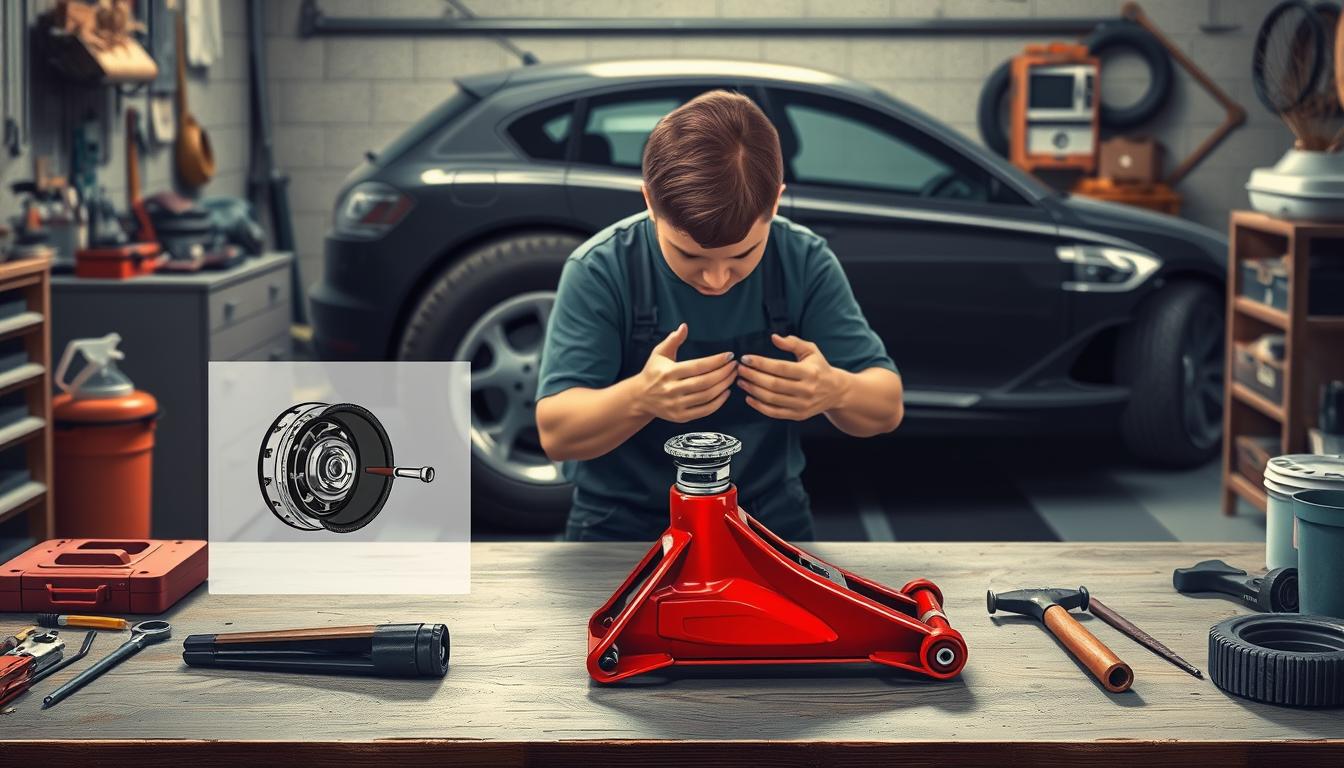






A well-maintained suspension system is crucial for a smooth ride and overall vehicle safety. It plays a key role in ensuring your car handles properly and provides a comfortable driving experience.
Neglecting your vehicle’s suspension can lead to uneven tire wear, reduced traction, and compromised safety. Regular suspension care can help prevent these issues and prolong the life of your vehicle’s suspension.
By understanding the importance of suspension maintenance and following simple care tips, you can keep your vehicle’s suspension in top condition.
Key Takeaways
- Regularly inspect your vehicle’s suspension for signs of wear.
- Replace worn-out components to maintain optimal performance.
- Ensure proper tire pressure to reduce stress on the suspension.
- Avoid overloading your vehicle to prevent excessive strain.
- Schedule regular maintenance checks with a professional mechanic.
Understanding Car Suspension Systems
The suspension system plays a vital role in absorbing bumps and providing stability to your vehicle. It’s a complex network of components designed to work together to ensure a smooth ride and responsive handling. A well-functioning suspension system is essential for the overall performance and safety of your car.

What Is a Car Suspension?
A car suspension is a system of springs, shock absorbers, and linkages that connect a vehicle to its wheels. Its primary function is to absorb bumps and irregularities in the road, providing a smoother ride for the occupants. The suspension system also helps to maintain tire contact with the road, ensuring better traction and control.
“A good suspension system is the backbone of a vehicle’s handling and stability,” says an automotive expert. “It’s what makes the difference between a comfortable ride and a rough one.”
Why Is Suspension Important?
The suspension system is crucial for several reasons. Firstly, it enhances ride comfort by absorbing road shocks. Secondly, it improves handling by keeping the tires in contact with the road. Lastly, it plays a significant role in the safety of the vehicle by maintaining stability during various driving conditions.
Regular suspension system checks can help identify potential issues before they become major problems. This proactive approach can save car owners from costly repairs down the line.
Key Components of Suspension Systems
The key components of a suspension system include shocks and struts, springs, control arms, and stabilizer bars. Shocks and struts are critical for absorbing bumps, while springs support the weight of the vehicle. Control arms and stabilizer bars help in maintaining the stability and alignment of the suspension.
- Shocks and Struts: Absorb bumps and provide damping.
- Springs: Support the vehicle’s weight.
- Control Arms: Connect the suspension to the vehicle’s frame.
- Stabilizer Bars: Enhance stability during cornering.
Understanding these components and their functions can help car owners appreciate the complexity of their vehicle’s suspension system and the importance of regular maintenance.
Signs Your Suspension Needs Attention
Your car’s suspension plays a key role in its performance, and being aware of the warning signs of suspension problems can save you from costly repairs. Maintaining your suspension is crucial for a smooth ride and overall vehicle health.
Bumpy Rides and Excessive Noise
A bumpy ride or excessive noise while driving can be indicative of suspension issues. If your car bounces more than usual after hitting a bump, or if you notice clunking, creaking, or grinding noises, it’s a sign that your suspension components might be worn out or damaged. Regular suspension care tips can help mitigate these problems.

Uneven Tire Wear
Uneven tire wear is another critical indicator of suspension problems. If your suspension isn’t functioning correctly, it can cause your tires to wear down unevenly, leading to reduced traction and potentially dangerous driving conditions. Checking your tire wear regularly is a simple yet effective way to maintain suspension health.
Fluid Leaks Under the Vehicle
Noticing fluid leaks under your vehicle can be a sign of a suspension issue, particularly if the leak is related to the shock absorbers or struts. These components are filled with fluid that helps absorb bumps, and a leak can lead to a significant decrease in suspension performance. Inspecting your vehicle regularly for signs of leaks is a proactive step in maintaining your suspension.
By being aware of these signs and taking proactive steps, you can address suspension issues before they become major problems, ensuring your car remains safe and comfortable to drive. Regular inspections and maintenance are key to extending the life of your suspension system.
Routine Maintenance Practices
Regular maintenance is the key to extending the life of your car’s suspension and preventing costly repairs. By incorporating routine checks and maintenance tasks into your car care schedule, you can ensure that your suspension system continues to perform optimally.
Regular Inspections
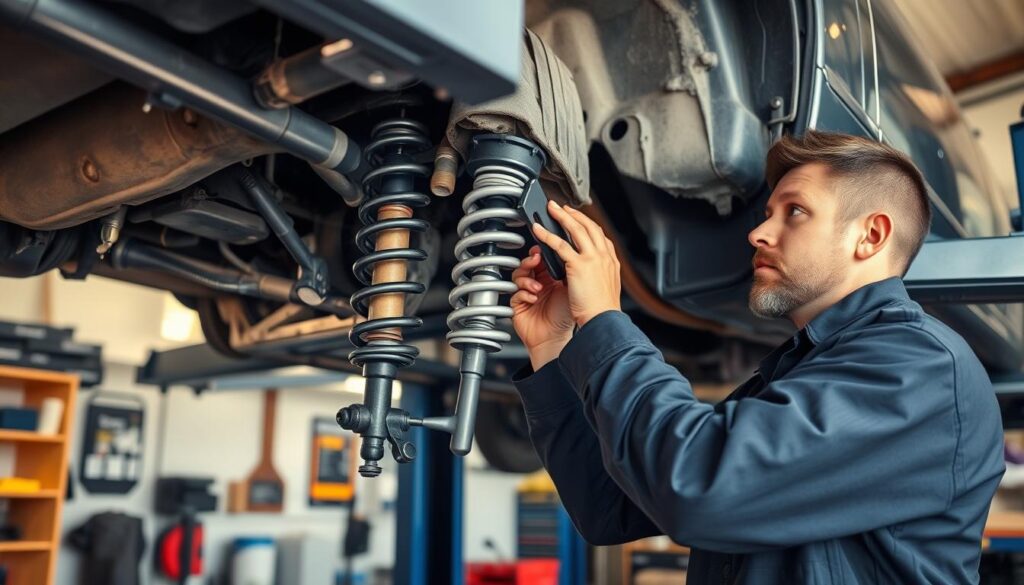
Regular inspections are crucial for identifying wear and tear on your suspension components before they become major issues. During a suspension system check, look for signs of damage, such as leaks, dents, or excessive rust on shock absorbers and struts. It’s also essential to check for loose or worn-out bushings and mounts.
Inspection Checklist:
- Shock absorbers and struts for leaks or damage
- Bushings and mounts for wear or looseness
- Springs for signs of sagging or breakage
Cleaning Suspension Parts
Cleaning suspension parts is another vital maintenance task. Dirt, grime, and road salt can cause corrosion on suspension components, leading to premature wear. Use a soft brush and mild detergent to clean parts, and avoid using high-pressure washes that could damage seals or dislodge critical components.
Alignments and Balancing
Proper wheel alignments and balancing are also critical for maintaining your suspension system’s health. Misaligned wheels can cause uneven tire wear, which puts additional stress on suspension components. Regular balancing ensures that tires wear evenly, reducing the risk of suspension damage.
| Maintenance Task | Frequency | Benefit |
|---|---|---|
| Regular Inspections | Every 12,000 miles | Early detection of wear and tear |
| Cleaning Suspension Parts | Every 6,000 miles | Prevents corrosion and premature wear |
| Wheel Alignments | Every 12,000 miles or when replacing tires | Ensures even tire wear and reduces suspension stress |
By following these routine maintenance practices, you can significantly extend the life of your car’s suspension system, improve your vehicle’s performance, and enhance your safety on the road.
Importance of Quality Parts
The performance and longevity of your car’s suspension system heavily rely on the quality of its parts. Maintaining your car’s suspension is crucial for a smooth ride and overall vehicle health.
Choosing the Right Suspension Components
Selecting the appropriate suspension components is vital for optimal performance. It’s essential to consider factors such as your vehicle’s make, model, and driving conditions when choosing parts. High-quality components can significantly enhance your car’s handling and stability.
When deciding on suspension parts, it’s also important to think about the type of driving you’ll be doing most often. For instance, if you frequently drive on rough roads, you may need more durable components.
OEM vs. Aftermarket Parts
The debate between Original Equipment Manufacturer (OEM) parts and aftermarket parts is ongoing. OEM parts are made by the same manufacturer that produced the original parts for your vehicle, ensuring a precise fit and maintaining the car’s original performance standards.
Aftermarket parts, on the other hand, are produced by third-party companies and can offer a range of benefits, including cost savings and potentially improved performance. However, the quality can vary significantly between manufacturers.
| Part Type | OEM | Aftermarket |
|---|---|---|
| Quality | High | Variable |
| Cost | Generally Higher | Can be Lower |
| Warranty | Typically Includes Warranty | Warranty Varies by Manufacturer |
How Quality Affects Performance
The quality of suspension parts directly impacts your car’s performance. High-quality parts ensure a smoother ride, better handling, and improved safety. Conversely, low-quality parts can lead to a bumpy ride, reduced stability, and potentially dangerous driving conditions.
Maintaining suspension through the use of quality parts is a critical aspect of car care. It not only enhances your driving experience but also prolongs the lifespan of your vehicle.

By understanding the importance of quality parts and making informed decisions, you can keep your car’s suspension system in good shape, ensuring a comfortable and safe driving experience.
DIY Suspension Checks
Regular DIY suspension checks can help extend the life of your vehicle’s suspension system and improve overall performance. By conducting simple inspections, you can identify potential issues before they become major problems, saving you money on repairs and ensuring a smoother ride.
Tools You’ll Need
Before you start, it’s essential to have the right tools for the job. For a basic DIY suspension check, you’ll need:
- A socket set
- A wrench set
- A flashlight
- A jack and jack stands
- A tire pressure gauge
Having these tools on hand will allow you to inspect your suspension system thoroughly.
How to Inspect Shock Absorbers
Inspecting your shock absorbers is a critical part of maintaining your suspension system. Here’s how to do it:
- Visually inspect the shock absorbers for signs of leakage or damage.
- Check for excessive wear on the shock absorber mounts.
- Bounce the vehicle to test the shock absorbers’ performance. If it bounces more than twice, they may be worn out.
Tip: If you notice any fluid leaks or excessive bouncing, it’s a sign that your shock absorbers need to be replaced.
Checking for Loose Components
Loose components can cause a range of problems, from uneven tire wear to decreased handling performance. To check for loose components:
- Inspect the suspension links and bushings for any signs of wear or looseness.
- Check the ball joints for any play or movement.
- Tighten any loose bolts or nuts you find during your inspection.

By following these steps, you can conduct a basic DIY suspension check, helping you maintain your vehicle’s suspension system and potentially saving you money on repairs.
Professional Suspension Services
Maintaining your car’s suspension isn’t just about DIY checks; knowing when to seek professional help is equally important. While regular inspections and maintenance can be performed by car owners, certain issues require the expertise of a professional mechanic.
When to Seek Expert Help
If you notice any unusual signs such as uneven tire wear, excessive noise while driving, or a bumpy ride, it’s time to consult a professional. Additionally, if you’ve recently hit a pothole or curb, having your suspension checked by an expert can prevent further damage.
Key Indicators for Professional Help:
- Unusual noises from the suspension area
- Visible signs of wear or damage
- Changes in handling or ride quality
What to Expect During a Suspension Inspection
During a professional suspension inspection, your mechanic will thoroughly examine the suspension system, including shock absorbers, struts, springs, and other components. They will check for signs of wear, damage, or leaks, and assess the overall condition of the system.
“A professional suspension inspection can identify potential issues before they become major problems, ensuring your vehicle remains safe and comfortable to drive.”
The inspection may also include a test drive to assess how the vehicle handles and to identify any issues that aren’t apparent during a static inspection.
Costs of Professional Maintenance
The cost of professional suspension maintenance can vary widely depending on the type of service required, the make and model of your vehicle, and the rates charged by your mechanic or repair shop.
| Service | Average Cost |
|---|---|
| Suspension Inspection | $100-$200 |
| Shock Absorber Replacement | $200-$500 per axle |
| Full Suspension System Overhaul | $1,000-$2,500 |
While the costs can seem significant, investing in professional suspension services can prevent more costly repairs down the line and ensure your vehicle remains safe and comfortable to drive.
Seasonal Suspension Care
Different seasons bring unique challenges for your car’s suspension, making seasonal care essential. Ensuring your vehicle’s suspension is prepared for the changing weather conditions can significantly impact its performance and longevity.
Preparing for Winter Conditions
Winter can be particularly harsh on your car’s suspension due to cold temperatures, snow, and ice. To prepare, check your shocks and struts for any signs of wear. Consider having your suspension inspected by a professional to identify any potential issues before they become major problems. Additionally, using winter tires can help improve your vehicle’s stability on snowy and icy roads.
It’s also crucial to ensure your vehicle’s alignment is proper, as misaligned wheels can lead to uneven tire wear and put extra strain on your suspension. Regularly cleaning your suspension parts can help prevent corrosion caused by salt and de-icing chemicals used on roads during winter.
Inspecting Suspension after Storms
After severe storms, it’s a good idea to inspect your suspension for any damage caused by flooding or debris. Water can damage your shocks and struts, leading to reduced suspension performance. Look for signs of fluid leaks around your suspension components and check for any loose or damaged parts.
If you’ve driven through flooded areas, have your suspension checked as soon as possible. Water can compromise the integrity of your suspension, leading to costly repairs if not addressed promptly.
Spring Check-Up Tips
With spring’s arrival, it’s time to give your suspension a thorough check-up. Start by inspecting your vehicle’s suspension for any signs of wear or damage accumulated during the winter. Check your suspension care tips to ensure you’re following the best maintenance practices.
- Inspect your shocks and struts for leaks or damage.
- Check your vehicle’s alignment to prevent uneven tire wear.
- Ensure all suspension components are securely tightened.
By following these seasonal care tips, you can help extend the life of your car’s suspension and ensure it continues to perform well throughout the year.
The Role of Tires in Suspension Health
A well-maintained suspension system relies heavily on the condition and performance of your vehicle’s tires. The tires are the only contact between your vehicle and the road, making their condition crucial for the overall health of your car’s suspension.
How Tires Affect Suspension Performance
Tires play a significant role in how your suspension operates. Underinflated or overinflated tires can lead to uneven wear on suspension components, reducing their lifespan. Properly inflated tires, on the other hand, ensure that your suspension can operate as intended, providing a smoother ride and better handling.
The tread depth and condition of your tires also impact suspension performance. Worn-out tires can cause your vehicle to vibrate more, putting additional stress on suspension components. Regularly checking tire tread depth and replacing tires when necessary is crucial.
Tire Pressure and Suspension Wear
Maintaining the correct tire pressure is vital for minimizing suspension wear. Incorrect tire pressure can lead to uneven tire wear, which in turn affects how your suspension components wear out. It’s essential to check tire pressure regularly and adjust it according to the manufacturer’s recommendations.
| Tire Pressure Condition | Effect on Suspension |
|---|---|
| Underinflated | Increased stress on suspension components, leading to premature wear. |
| Overinflated | Reduced traction, potentially causing suspension to work harder, leading to wear. |
| Properly Inflated | Optimal suspension performance, reduced wear on components. |
Choosing the Right Tires
Selecting the appropriate tires for your vehicle is crucial for maintaining suspension health. Tires designed for your vehicle’s specific make and model will ensure optimal performance and minimize unnecessary stress on your suspension.
“The right tires can make all the difference in how your vehicle handles and how your suspension components wear out.”
When choosing tires, consider factors such as driving conditions, vehicle load, and personal driving habits. Consulting with a tire professional can help you make an informed decision that benefits your vehicle’s suspension health.
By understanding the connection between tires and suspension, you can take steps to maintain your suspension system effectively. Regular tire checks and maintenance are integral parts of a comprehensive suspension care routine.
Suspension Upgrades and Enhancements
Upgrading your car’s suspension can significantly enhance its performance and ride quality. Whether you’re looking to improve handling, increase stability, or simply enjoy a smoother ride, suspension upgrades can be a worthwhile investment. In this section, we’ll explore when to consider suspension upgrades, popular suspension modifications, and the benefits of upgrading.
When to Consider Upgrades
If you’re experiencing a bumpy ride, excessive noise, or uneven tire wear, it might be time to consider upgrading your suspension. Additionally, if you’ve modified your vehicle for performance or added significant weight, suspension upgrades can help maintain or improve its handling and stability. Regular suspension care tips can also help identify when an upgrade is necessary.
Upgrading your suspension can be particularly beneficial if you’ve noticed a decline in your vehicle’s performance or if you’re planning to use your vehicle for more demanding activities, such as off-roading or track driving. Consulting with a professional can help determine if an upgrade is right for you.
Popular Suspension Modifications
There are several popular suspension modifications that can enhance your vehicle’s performance. Upgrading to high-performance car shocks and struts is a common modification that can significantly improve handling and ride quality. Other modifications include installing coilovers, sway bars, and control arms, which can further enhance stability and responsiveness.
For those looking to take their vehicle to the next level, more extensive modifications such as lift kits or custom suspension setups can be considered. However, it’s essential to ensure that any modifications are compatible with your vehicle and comply with local regulations.
Benefits of Upgrading
Upgrading your suspension can offer numerous benefits, including improved handling, increased stability, and a smoother ride. Enhanced performance can also lead to a more enjoyable driving experience, whether you’re cruising down the highway or navigating tight corners. Furthermore, a well-upgraded suspension can help extend the lifespan of other vehicle components by reducing wear and tear.
By investing in suspension upgrades, you can tailor your vehicle’s performance to your driving preferences and needs. Whether you’re a daily driver or a weekend enthusiast, upgrading your suspension can make a significant difference in how your vehicle performs and feels on the road.
Conclusion: Keeping Your Suspension in Top Shape
Maintaining your car’s suspension is crucial for its overall performance, safety, and longevity. By understanding your suspension system and following the tips outlined in this article, you can keep your suspension in top shape.
Key Takeaways for Effective Maintenance
Regular inspections, cleaning suspension parts, and alignments are essential car suspension maintenance practices. By staying committed to these tasks, you’ll be able to identify potential issues early on and prevent costly repairs down the line.
Staying on Track with Suspension Care
To maintain your suspension effectively, remember to check for signs of wear, such as bumpy rides or uneven tire wear. Implementing suspension care tips like these will help you enjoy a smoother ride and extend the life of your vehicle.
Final Tips for Long-Term Suspension Health
In conclusion, maintaining your car’s suspension requires ongoing effort, but the benefits are well worth it. By prioritizing maintain suspension practices and staying proactive, you’ll be able to enjoy improved handling, reduced wear on other components, and a longer vehicle lifespan.