




A well-maintained car paint finish is not just about aesthetics; it’s also about protecting your vehicle from environmental damage. Regular care can significantly extend the life of your car’s paint job.
To keep your vehicle looking its best, it’s essential to follow a consistent car paint care routine. This includes regular washing, waxing, and protecting your car from harmful environmental factors.
By following these simple steps, you can maintain your car’s paint and achieve a showroom finish. Proper care will not only enhance your vehicle’s appearance but also preserve its overall value.
Key Takeaways
- Regular washing is crucial for maintaining car paint.
- Waxing protects the paint from environmental damage.
- Environmental factors can harm car paint if not addressed.
- A consistent car care routine is essential.
- Proper care preserves the vehicle’s overall value.
Understand the Importance of Car Paint Maintenance
The paint on your car is more than just a cosmetic feature; it’s a protective layer that shields the metal from environmental damage. Car paint maintenance is crucial for preserving the overall integrity and appearance of your vehicle. By understanding its importance, you can take the necessary steps to protect your car’s paint and maintain its value.

Why Car Paint Matters
Car paint serves as the first line of defense against rust and corrosion. It protects the metal body of your car from moisture and oxygen, which can cause significant damage over time. Moreover, a well-maintained paint job enhances the aesthetic appeal of your vehicle, making it look newer for longer. Preserving car paint is not just about maintaining appearance; it’s also about protecting your car’s structural integrity.
The Impact of Environmental Factors
Environmental factors such as UV rays, rain, snow, and pollutants can significantly impact your car’s paint. UV rays can cause fading and discoloration, while rain and snow can lead to rust if the paint is damaged. Pollutants can etch into the paint, causing irreversible damage. Protecting car paint from these elements is essential for maintaining its condition. Regular maintenance and the use of protective coatings can help mitigate these effects, ensuring your car remains in good condition.
By understanding the factors that affect car paint and taking proactive steps to protecting car paint, you can extend the life of your vehicle’s paint job. This not only maintains your car’s appearance but also its overall value. Regular washing, waxing, and the application of paint sealants are some of the measures you can take to safeguard your car’s paint against environmental damage.
Regular Washing: The First Step
Regular washing is the first line of defense against dirt and contaminants that can damage your car’s paint. Maintaining your car’s appearance and protecting its paint requires a consistent and proper washing routine.
When it comes to washing your car, the soap you use is just as important as the technique. Using the right car wash soap can help remove dirt and grime without damaging the paint.
Choosing the Right Car Wash Soap
Not all car wash soaps are created equal. It’s essential to choose a soap that is specifically designed for automotive paint. Avoid using household cleaners or harsh chemicals, as they can strip away the wax and damage the paint. Look for a mild soap that is pH-balanced and free of abrasives.
Some popular car wash soap brands include:
- Meguiar’s Gold Class Car Wash Soap
- Chemical Guys Car Wash Soap
- Autoglym Car Wash
| Brand | pH Level | Abrasive Content |
|---|---|---|
| Meguiar’s | pH-balanced | No |
| Chemical Guys | pH-balanced | No |
| Autoglym | pH-balanced | No |
Ideal Washing Techniques
In addition to using the right soap, employing the correct washing technique is crucial. Start by rinsing your car thoroughly to remove loose dirt. Then, use a soft, microfiber mitt to wash the car, working from top to bottom. Avoid using circular motions, which can create scratches; instead, use straight, overlapping strokes.
Tips for Effective Washing:
- Wash your car in a shaded area to prevent soap from drying onto the paint.
- Use two buckets: one for soapy water and another for clean water to rinse your mitt.
- Dry your car thoroughly after washing to prevent water spots.
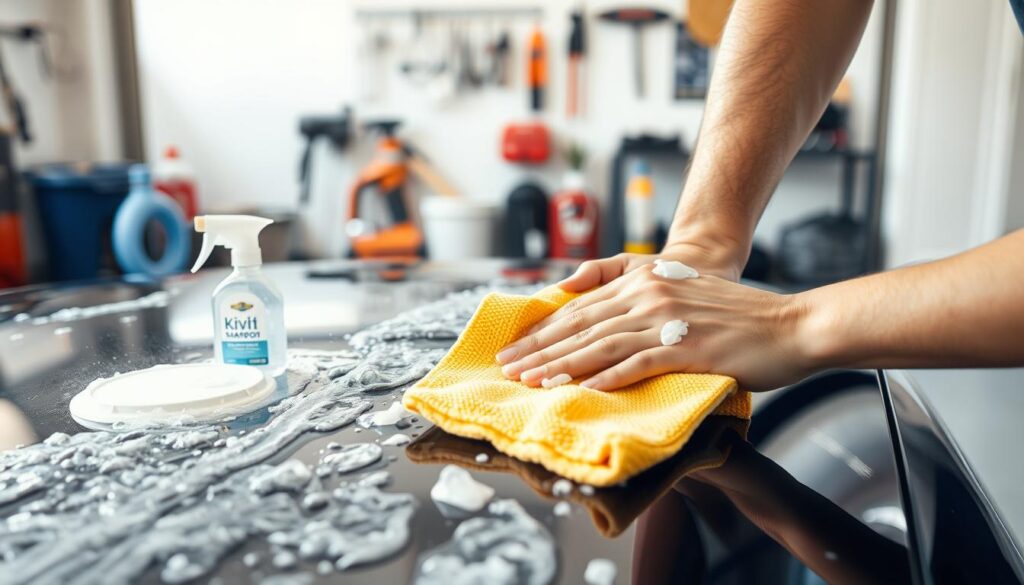
By following these guidelines for regular washing, you can keep your car’s paint looking clean, vibrant, and well-maintained. Regular washing is not just about keeping your car looking good; it’s also a critical step in maintaining the integrity of the paint.
Waxing for Protection and Shine
A well-waxed car not only looks great but is also better protected against the elements. Waxing provides a protective barrier that shields your car’s paint from harmful UV rays, rain, and pollutants, thereby maintaining its showroom finish.
Types of Car Wax
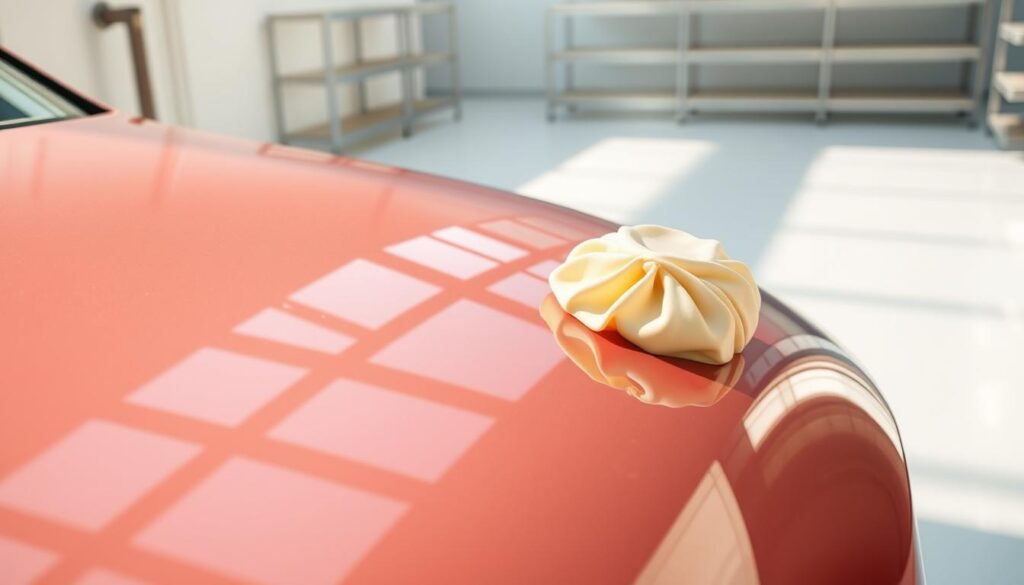
Choosing the right car wax can be overwhelming due to the numerous options available. Car waxes are generally categorized into three types: natural, synthetic, and hybrid.
- Natural Waxes: Derived from natural sources like carnauba wax, these provide a deep, warm glow.
- Synthetic Waxes: Man-made, offering longer durability and easier application.
- Hybrid Waxes: Combining the benefits of both natural and synthetic waxes, they offer a balance between durability and shine.
When selecting a car wax, consider factors such as durability, ease of application, and the level of protection you need.
How Often Should You Wax?
The frequency of waxing depends on several factors, including the type of wax used, environmental conditions, and how often you use your car. As a general rule, waxing your car every 2-3 months is recommended. However, if you live in an area with harsh weather conditions or park your car outside frequently, you may need to wax more often.
Regular waxing not only maintains your car’s paint but also makes future washes easier by creating a hydrophobic surface that repels water and contaminants.
Paint Sealants: An Additional Layer of Protection
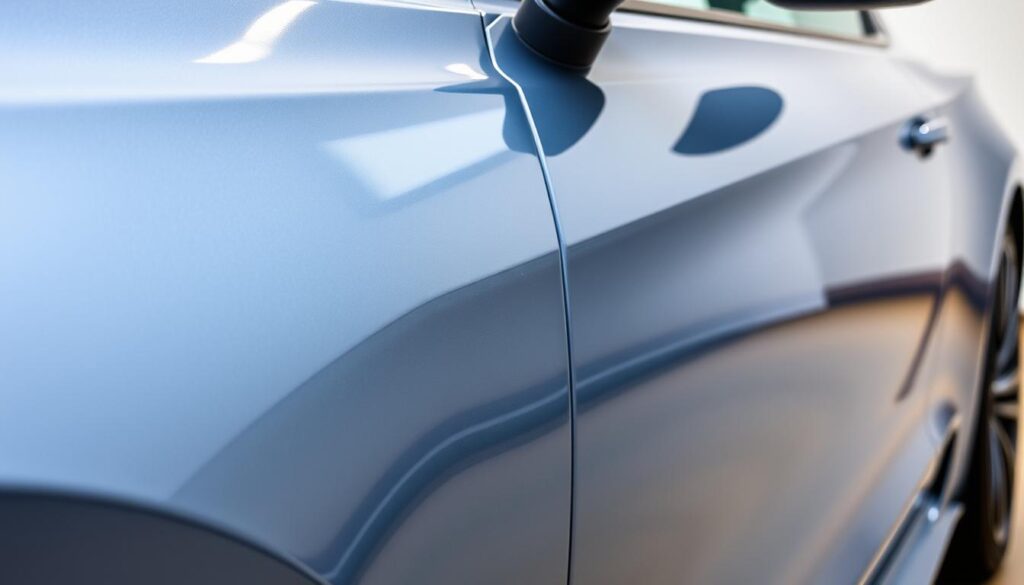
To protect your car’s paint and maintain its showroom finish, consider applying a paint sealant. Paint sealants offer a robust layer of protection that goes beyond traditional waxing, providing a durable barrier against environmental factors that can damage your car’s paint.
What Are Paint Sealants?
Paint sealants are synthetic products designed to bond with your car’s paint, creating a strong, hydrophobic layer that repels water and contaminants. Unlike natural wax, which can be derived from plants or animals, paint sealants are made from advanced polymers that provide a longer-lasting barrier against the elements.
These sealants are particularly beneficial for car owners who want to maintain their vehicle’s appearance without frequent reapplication of protective coatings. By forming a tight bond with the paint, sealants ensure that the surface remains protected and looks newer for longer.
Benefits of Using Sealants
The benefits of using paint sealants are numerous. Firstly, they provide enhanced durability compared to traditional waxes, lasting significantly longer and requiring less frequent reapplication. Secondly, paint sealants offer improved gloss, making your car’s paint look vibrant and healthy. Additionally, they make maintenance easier by repelling dirt and water, reducing the frequency of washes needed to keep your car looking clean.
- Long-lasting protection against UV rays and contaminants
- Enhanced gloss and shine for a showroom finish
- Hydrophobic properties that make water and dirt bead off easily
- Easy maintenance, reducing the need for frequent washing
By incorporating a paint sealant into your car care routine, you can enjoy a protected and visually appealing vehicle with minimal effort. Whether you’re a car enthusiast or simply a proud owner, paint sealants are a valuable tool in preserving your car’s paint and maintaining its overall appearance.
Detailing for a Professional Look
For car enthusiasts, detailing is an art that transforms the vehicle’s look and feel. It’s a meticulous process that involves more than just a simple wash; it’s about restoring and maintaining your car’s interior and exterior to its original glory.
What is Car Detailing?
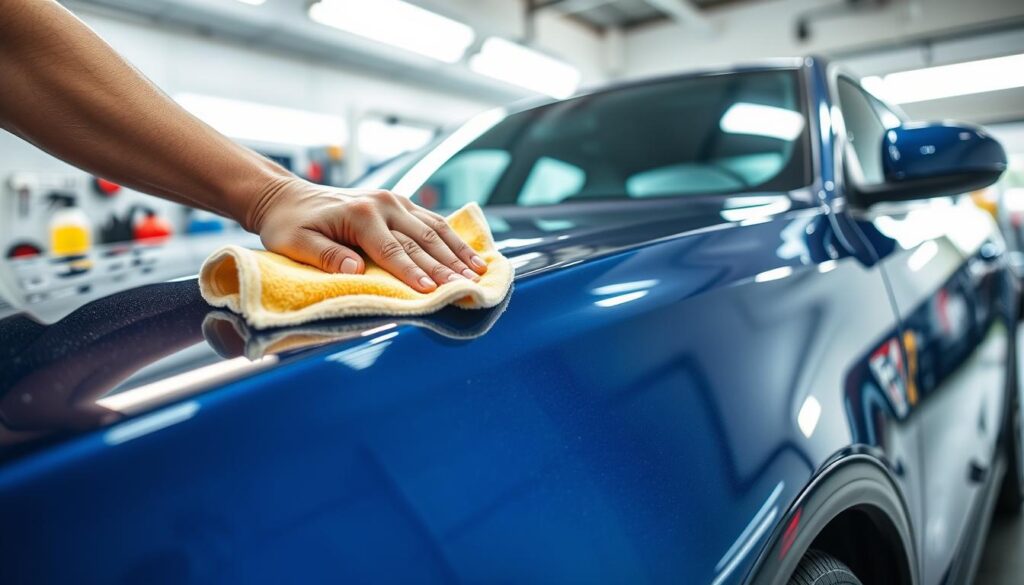
Car detailing is a comprehensive service that includes a thorough cleaning, restoration, and protection of your vehicle. It involves a deep clean of the interior, including the dashboard, seats, and carpets, as well as a meticulous exterior cleaning that includes the paint, wheels, and trim. Effective detailing enhances your car’s appearance and protects its surfaces from damage.
Key Areas to Focus On during Detailing
When detailing your car, there are several key areas to focus on to achieve a professional look. These include:
- The paint: Ensuring it’s free from scratches, swirls, and imperfections.
- The wheels: Cleaning and dressing the wheels and tires.
- The trim: Restoring the exterior trim to its original condition.
- The interior: Deep cleaning the interior, including the upholstery, carpets, and dashboard.
By focusing on these areas, you can significantly enhance your car’s appearance and maintain its value. Regular detailing is an essential part of car paint maintenance and overall vehicle care.
Addressing Scratches and Swirls
Scratches and swirls are not just cosmetic issues; they can compromise your car’s paint integrity. Over time, these imperfections can lead to more significant problems, such as rust formation, if not addressed properly. Maintaining your car’s paint finish requires a proactive approach to dealing with these issues.
To effectively address scratches and swirls, it’s crucial to understand their causes and the appropriate corrective measures. Environmental factors, improper washing techniques, and minor accidents can all contribute to these imperfections. By identifying the source of the problem, you can choose the best method for correction.
Tools for Scratch Removal
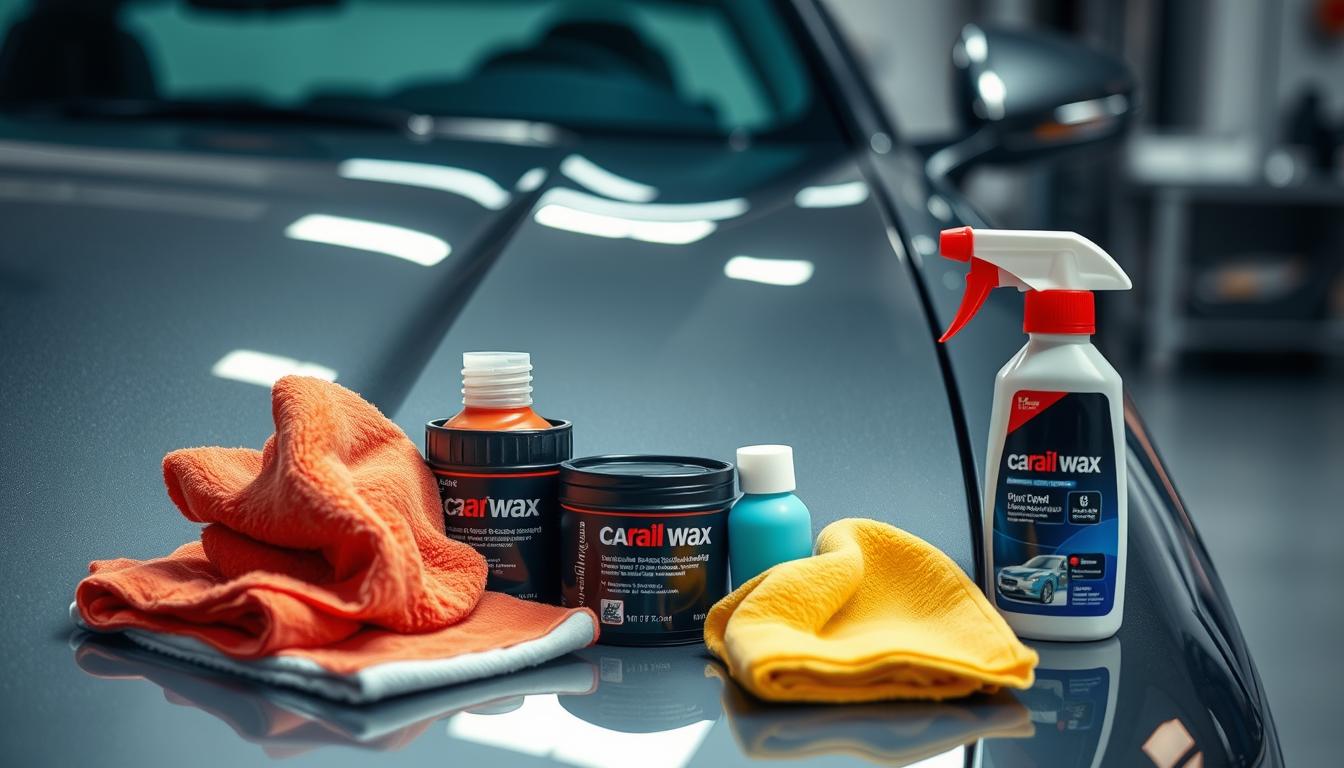
Having the right tools is essential for successfully removing scratches from your car’s paint. Some of the most effective tools include:
- Scratch removers: Specially formulated products designed to fill and hide minor scratches.
- Polishing compounds: Used to smooth out the paint surface and remove swirls.
- Microfiber cloths: Gentle on the paint and effective for applying products and buffing.
For more severe scratches, you may need to use a touch-up paint or seek professional assistance. It’s also important to follow the manufacturer’s instructions for any products you use to avoid causing further damage.
DIY vs. Professional Solutions
When it comes to addressing scratches and swirls, car owners have the option of DIY methods or seeking professional help. DIY solutions can be cost-effective and allow for immediate action. However, they require some skill and knowledge to execute correctly.
| Method | Advantages | Disadvantages |
|---|---|---|
| DIY Scratch Removal | Cost-effective, immediate action | Risk of further damage, requires skill |
| Professional Detailing | Expertise, high-quality results | Higher cost, requires scheduling |
Professional detailing services offer the advantage of expertise and high-quality results. Professionals have the necessary experience and equipment to correct scratches and swirls effectively, ensuring a showroom finish. While this option may be more expensive, it’s a worthwhile investment for maintaining your car’s appearance and preserving its paint.
By understanding the causes of scratches and swirls and using the right tools and techniques, you can maintain your car’s paint finish and keep it looking its best. Whether you choose a DIY approach or professional detailing, addressing these imperfections is a crucial part of car paint care tips and overall car paint preservation.
Protecting Against Environmental Damage
Environmental damage can compromise your car’s paint finish, but proactive measures can help. The elements can be harsh on your vehicle’s exterior, causing damage that not only affects its appearance but also its overall value.
To maintain your car’s showroom finish, it’s crucial to understand the impact of environmental factors and how to mitigate them. Here are some strategies to protect your car’s paint from the elements.
Ways to Shield Your Car from UV Rays
UV rays from the sun can cause significant damage to your car’s paint, leading to fading and discoloration. To shield your car, consider the following methods:
- Use a UV-blocking coating: Applying a coating that blocks UV rays can help protect your car’s paint from sun damage.
- Park in shaded areas: Whenever possible, park your car in a garage or under a shaded area to reduce direct sun exposure.
- Use a sunshade: For cars parked outdoors, using a sunshade can help block direct sunlight.
Guarding Against Bird Droppings and Tree Sap
Bird droppings and tree sap are not just unsightly; they can also damage your car’s paint if left unchecked. Here are some tips to guard against these contaminants:
- Regularly clean your car: Frequent washing can help remove bird droppings and tree sap before they cause damage.
- Use a detailing spray: A detailing spray can help loosen and remove stubborn contaminants.
- Apply a protective wax or sealant: A layer of wax or sealant can make it harder for contaminants to stick to your car’s paint.
By taking these steps, you can effectively protect your car’s paint from environmental damage, ensuring it remains in great condition for years to come.
Choosing the Right Garage or Parking Space
Where you park your vehicle can either protect or harm its paint job, depending on the conditions. The right parking spot can shield your car from various environmental stressors that can damage its paint over time.
One of the most effective ways to protect your car’s paint is by parking indoors. Indoor parking offers a controlled environment that is shielded from direct sunlight, rain, and other harsh weather conditions.
Benefits of Indoor Parking
Indoor parking provides several benefits for maintaining your car’s paint finish:
- Protection from UV rays that can cause fading and discoloration
- Shielding from rain and hail that can damage the paint surface
- Reduced exposure to pollutants and dust
- Avoidance of tree sap and bird droppings that can stain the paint
What to Look for in Outdoor Parking
If indoor parking is not available, there are still ways to choose an outdoor parking spot that minimizes risks to your car’s paint. When selecting an outdoor parking spot, consider the following factors:
| Factor | Why It Matters |
|---|---|
| Shade | Reduces exposure to direct sunlight, which can cause paint fading |
| Proximity to Trees | Avoids exposure to tree sap and bird droppings |
| Overhead Obstructions | Minimizes the risk of damage from falling branches or other overhead hazards |
By considering these factors, you can significantly reduce the risk of damage to your car’s paint, even when parking outdoors. Effective car paint protection starts with choosing the right parking spot.
Maintaining your car’s paint is a multifaceted process that includes regular washing, waxing, and protecting it from environmental stressors. By combining these practices with careful parking choices, you can keep your car’s paint looking its best for years to come.
Seasonal Care for Your Car’s Paint
To keep your car’s paint looking its best, it’s crucial to adapt your maintenance strategy to the changing seasons. Different weather conditions throughout the year can significantly impact your car’s paint, making seasonal care an essential part of car paint maintenance.
Winter Precautions
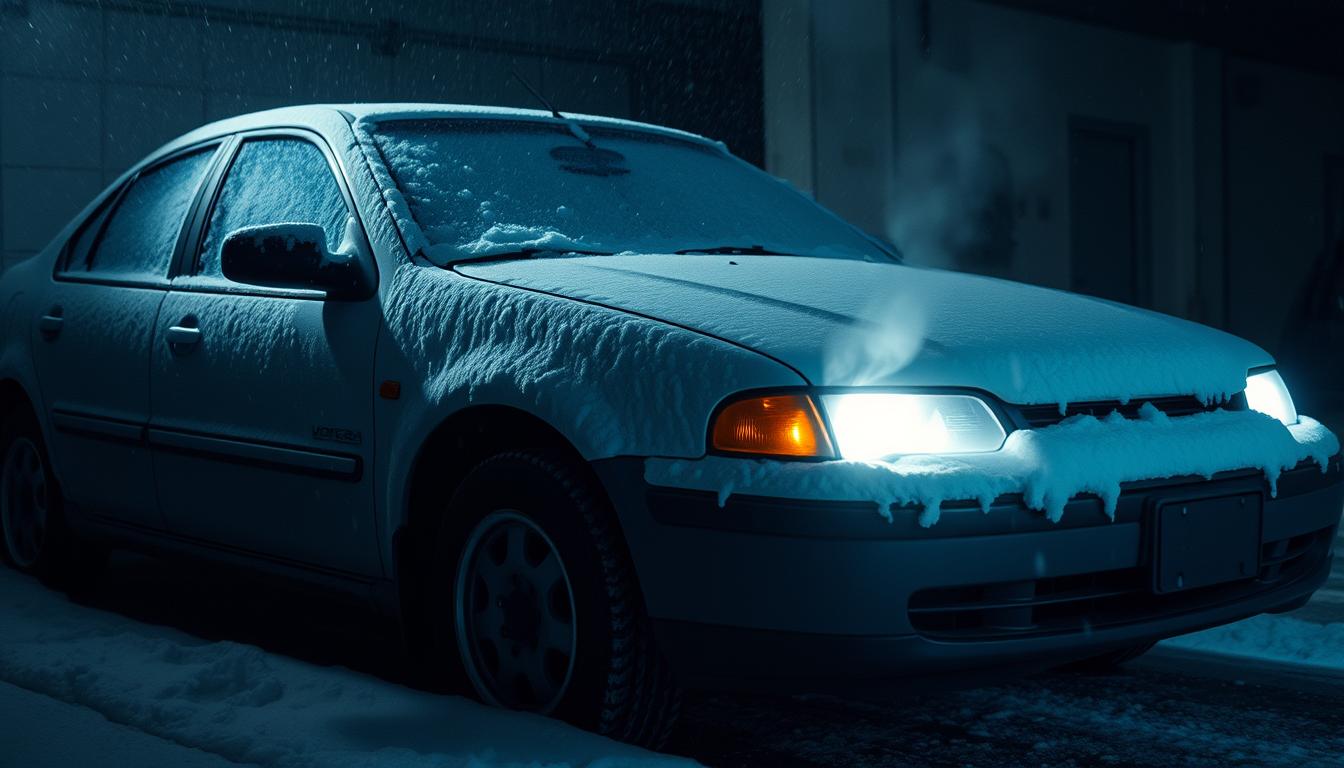
Winter brings harsh conditions that can damage your car’s paint. Salt, snow, and freezing temperatures are particularly harmful. To protect your car’s paint during winter:
- Wash your car more frequently to remove salt and other contaminants.
- Use a gentle car wash soap that’s designed for winter conditions.
- Avoid using hot water, which can cause paint to contract and potentially lead to cracking.
- Apply a layer of wax before winter starts to provide an extra layer of protection.
Preparing for Summer Heat
Summer heat can cause fading and oxidation of your car’s paint. To preserve your car’s paint during the summer months:
- Use a UV-blocking coating to protect against the sun’s harmful rays.
- Park your car in shaded areas whenever possible.
- Avoid parking under trees, as sap can damage the paint.
- Regularly wash and wax your car to maintain the protective layer.
Here’s a comparison of winter and summer care tips in a tabular format:
| Season | Care Tips |
|---|---|
| Winter | Frequent washing, gentle soap, avoid hot water, apply wax before winter. |
| Summer | UV-blocking coating, park in shade, avoid trees, regular washing and waxing. |
By following these seasonal care tips, you can effectively preserve your car’s paint and maintain its appearance throughout the year. Regular preserving car paint efforts will pay off in the long run, keeping your car looking newer for longer.
When to Seek Professional Help
While regular maintenance is crucial for car paint preservation, there are instances where professional assistance is necessary to restore your car’s paint to its original condition.
Identifying the Need for Professional Attention
Deep scratches, faded paint, or stubborn stains are signs that your car needs professional care. A professional detailer can assess the condition of your car’s paint and provide the necessary car paint care tips to maintain its appearance.
Selecting a Reputable Detailer
To find a reliable detailer, look for reviews, ask for referrals, and check their portfolio. A reputable detailer will have the expertise to provide car paint preservation services, ensuring your car’s paint remains in excellent condition. By seeking professional help when needed, you can maintain your car’s paint and keep it looking its best.
Maintaining your car’s paint requires ongoing effort, but with the right car paint care tips and professional help when needed, you can enjoy a showroom finish for years to come.