



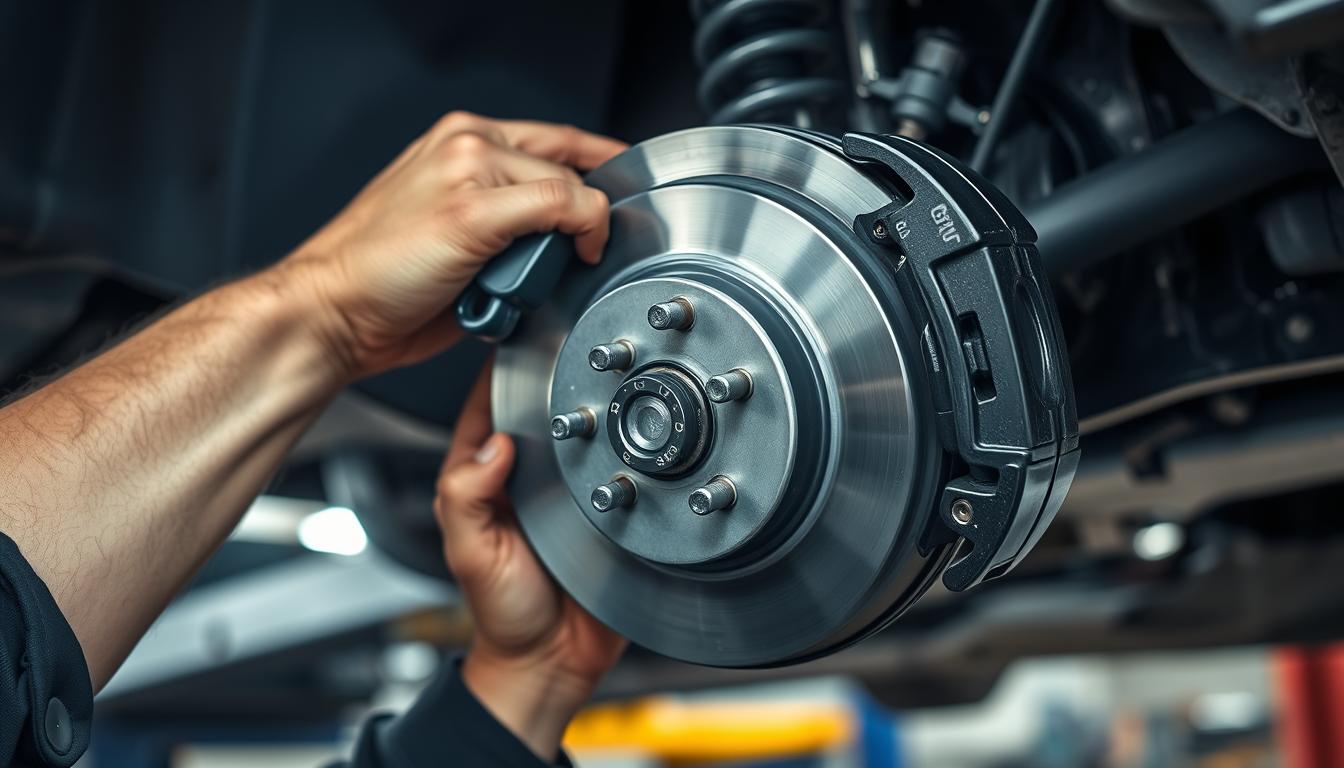
Ensuring your vehicle’s brakes are in top condition is vital for safety on the road. Proper brake maintenance not only saves lives but also reduces the risk of accidents.
By following the guidelines outlined in this article, drivers can keep their vehicle’s brakes in optimal condition. This includes understanding the importance of regular checks and knowing how to identify potential issues before they become major problems.
Key Takeaways
- Regularly inspect brake pads and rotors for wear.
- Understand the signs of brake fluid leaks.
- Learn how to properly maintain brake components.
- Discover the importance of brake safety tips.
- Follow a routine maintenance schedule.
Understanding the Importance of Brake Maintenance
Brake maintenance is not just a routine task; it’s a critical aspect of vehicle safety. Regular checks and maintenance of your car’s brakes can significantly reduce the risk of accidents. In this section, we’ll explore why regular maintenance matters and the consequences of neglecting brake care.
Why Regular Maintenance Matters
Regular brake maintenance is essential for ensuring that your vehicle’s braking system functions properly. This includes inspecting brake pads, rotors, and brake fluid. By doing so, you can identify potential issues before they become major problems. Regular inspections can help prevent brake failure, which is a leading cause of accidents on the road.
A well-maintained brake system also enhances your vehicle’s overall performance. For instance, proper brake function ensures that you can stop your vehicle smoothly and efficiently, which is crucial for avoiding collisions. Moreover, regular maintenance can help extend the lifespan of your brake components, saving you money in the long run.
| Maintenance Task | Frequency | Benefit |
|---|---|---|
| Brake Pad Inspection | Every 10,000 miles | Prevents brake failure |
| Brake Fluid Check | Every 5,000 miles | Ensures proper brake function |
| Rotor Resurfacing/Replacement | As needed | Improves braking performance |
Consequences of Neglecting Brake Care
Neglecting brake maintenance can have severe consequences, including increased stopping distances and reduced braking performance. If brake issues are not addressed, they can lead to catastrophic brake failure, resulting in accidents that can cause injury or even death.
Furthermore, failing to maintain your brakes can lead to costly repairs down the line. For example, neglecting to replace worn-out brake pads can damage the rotors, requiring more extensive and expensive repairs. By prioritizing brake maintenance, you can avoid these unnecessary costs and ensure your safety on the road.
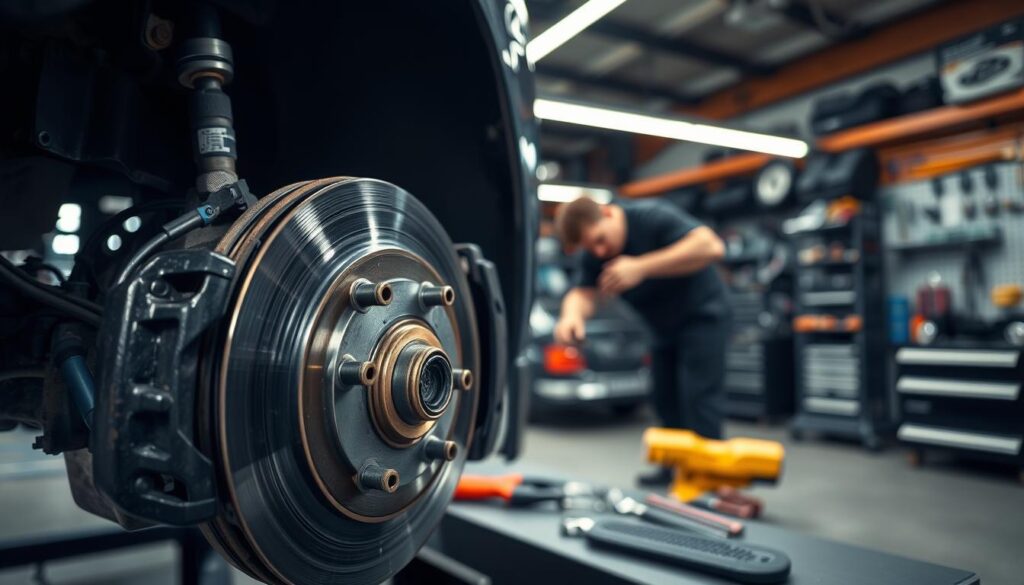
Identifying Signs of Wear and Tear
To maintain maximum brake safety, it’s essential to identify the early warning signs of wear and tear. Your car’s brakes are a critical safety feature, and being aware of their condition can prevent accidents and ensure a smooth driving experience.
Squeaking or Grinding Noises
One of the most common indicators of brake wear is unusual noises when applying the brakes. Squeaking or grinding sounds often signal that your brake pads are worn out or that there’s an issue with your rotors. If you notice these noises, it’s crucial to have your brakes inspected by a professional as part of a regular car brake service.
| Noise Type | Possible Cause | Recommended Action |
|---|---|---|
| Squeaking | Worn brake pads | Inspect and replace brake pads |
| Grinding | Severe wear on brake pads or rotors | Immediate inspection and possible replacement of brake components |
Brake Pedal Feel and Response
The feel and response of your brake pedal can also indicate the condition of your brakes. A spongy brake pedal or one that feels unusually soft may suggest air in the brake system or worn-out brake pads. Conversely, a hard or vibrating pedal could indicate warped rotors or brake fluid issues. Regular brake safety tips include checking your brake pedal’s feel during routine drives.
Warning Lights on Your Dashboard
Modern vehicles are equipped with sophisticated warning systems. If the brake warning light on your dashboard illuminates, it could be signaling a problem with your brake system. This might be due to worn brake pads, low brake fluid, or a malfunction in the brake system. It’s essential to consult your vehicle’s manual or a professional mechanic to diagnose the issue accurately.
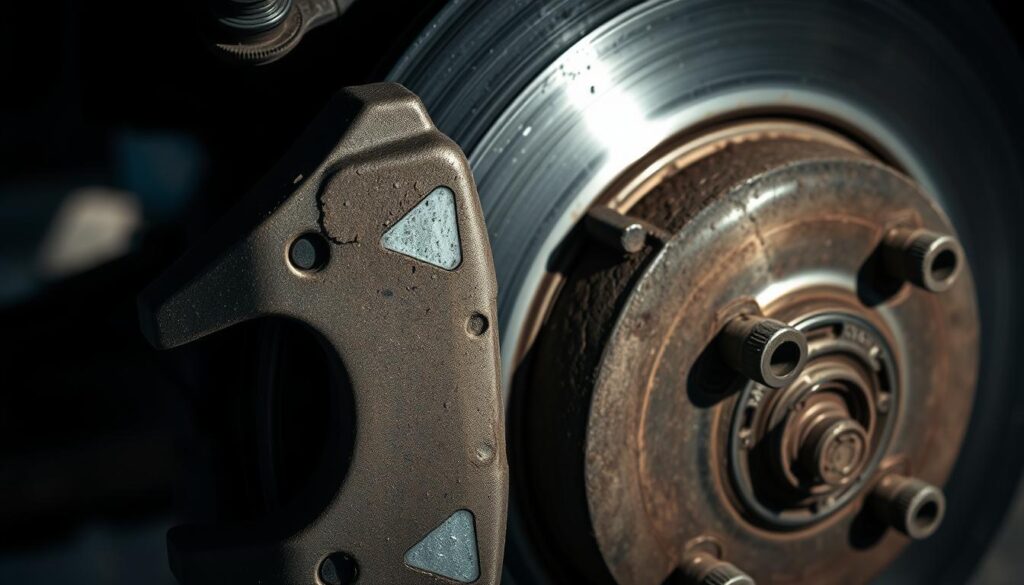
By being vigilant about these signs of wear and tear, you can ensure your vehicle’s brakes are always in good condition. Regular inspections and maintenance are key components of car brake service that contribute to overall brake safety.
Basic Brake Components You Should Know
Knowing the basic components of your car’s brakes is the first step towards ensuring they are properly maintained. The brake system is a complex assembly of parts that work together to enable your vehicle to stop safely.
Brake Pads
Brake pads are crucial for your car’s ability to stop. They are designed to create friction against the rotors to slow or stop your vehicle. Over time, brake pads wear down and need to be replaced to maintain effective braking.
Rotors
Rotors are the discs that brake pads clamp onto to stop your car. They can become worn or warped, affecting braking performance. Regular inspection of rotors is essential to determine if they need to be resurfaced or replaced.
Brake Fluid
Brake fluid is a hydraulic fluid that transfers pressure from the brake pedal to the brake calipers, enabling your car to stop. It is essential to check brake fluid levels regularly and change the fluid as recommended by your vehicle’s manufacturer to prevent brake failure.
Understanding how these components work together is vital for maintaining your car’s brake system. Here’s a summary of their roles and maintenance needs:
| Component | Function | Maintenance Needs |
|---|---|---|
| Brake Pads | Create friction to stop the vehicle | Regular inspection and replacement when worn |
| Rotors | Discs that brake pads clamp onto | Inspection for wear or warping; resurfacing or replacement as needed |
| Brake Fluid | Transfers pressure to enable braking | Regular level checks and fluid change as per manufacturer’s schedule |
By familiarizing yourself with these basic brake components and their maintenance requirements, you can take proactive steps to ensure your vehicle’s brake system remains in good working condition, enhancing your safety on the road.
How to Check Brake Pads for Wear
Regular inspection of brake pads is a simple yet effective way to maintain your car’s safety features. By understanding how to check your brake pads, you can identify wear and tear before it becomes a major issue.
Visual Inspection Techniques
Start by visually inspecting your brake pads. This can be done by looking through the wheel spokes or by removing the wheel for a clearer view. Look for signs of wear, such as thinning pads or uneven wear patterns. If your brake pads are equipped with wear indicators, listen for the audible warning sounds they make when the pads need replacement.
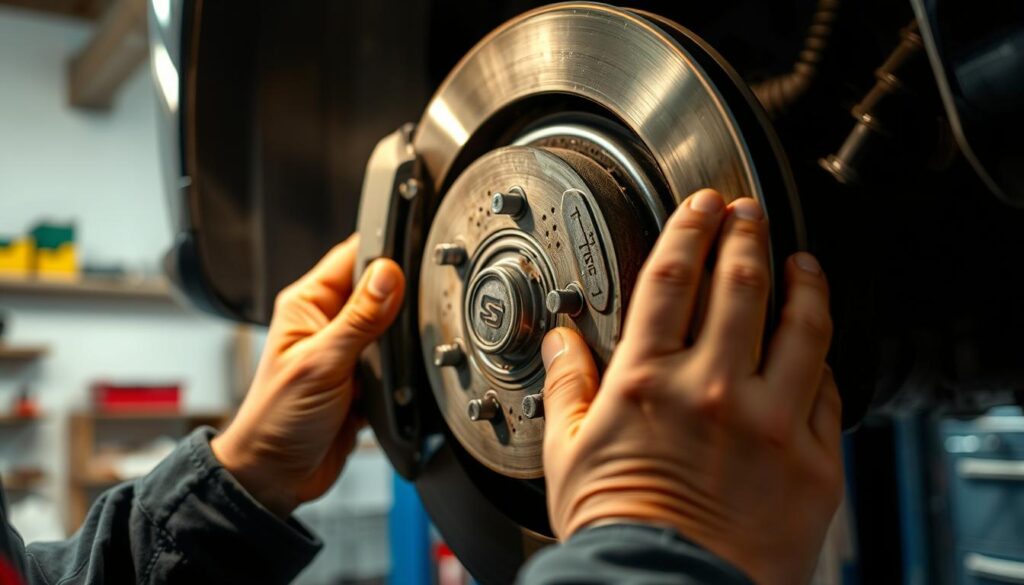
Measuring Pad Thickness
To measure the thickness of your brake pads, you’ll need a caliper or ruler. Check the manufacturer’s specifications for the minimum allowable thickness. If your pads are below this threshold, it’s time to replace them. Regular measurements can help you track the wear rate and plan for maintenance accordingly.
When to Replace Brake Pads
Brake pads should be replaced when they reach the minimum thickness specified by the manufacturer or when they show signs of uneven wear. Uneven wear can lead to reduced braking performance and potentially cause more severe problems like rotor damage. Replacing brake pads is a critical aspect of car brake maintenance that directly impacts brake safety tips you should follow.
By following these steps and staying vigilant about brake pad wear, you can ensure your vehicle’s braking system remains in optimal condition, enhancing overall safety on the road.
The Role of Brake Fluid in Safety
Understanding the role of brake fluid is crucial for maintaining your vehicle’s brake system and ensuring your safety on the road. Brake fluid is a vital component that enables your car’s brakes to function properly, facilitating the transmission of pressure to apply the brakes.
Understanding Brake Fluid Functions
Brake fluid serves several key functions in your vehicle’s brake system. It transfers pressure from the brake pedal to the brake calipers, allowing your vehicle to stop. Additionally, brake fluid lubricates the moving parts of the brake system, preventing corrosion and wear.
It’s essential to understand that brake fluid is not just a simple liquid; it’s a critical component that affects the overall performance of your brakes. By maintaining the correct level and condition of brake fluid, you can ensure that your brake system operates effectively.
Signs of Contaminated Brake Fluid
Contaminated brake fluid can lead to serious brake problems. Signs that your brake fluid may be contaminated include a dark or dirty appearance, a change in consistency, or the presence of moisture. If you notice any of these signs, it’s crucial to check your brake fluid immediately.
Other indicators of contaminated brake fluid include a spongy brake pedal or a warning light on your dashboard. Ignoring these signs can result in reduced braking performance, potentially leading to accidents.
How to Check and Change Brake Fluid
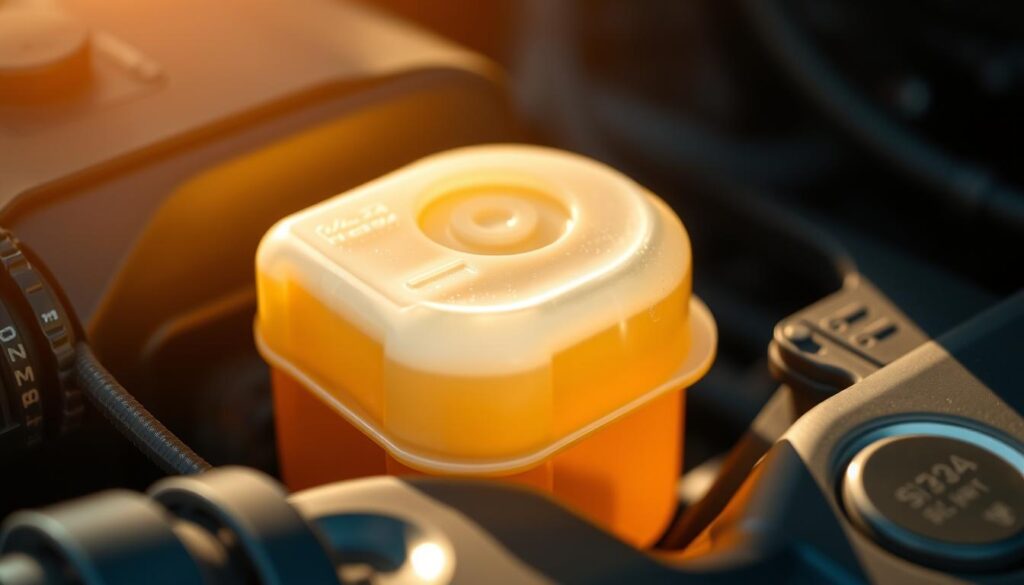
Checking your brake fluid is a relatively simple process. First, locate the brake fluid reservoir under the hood of your car. The reservoir is typically marked with minimum and maximum level indicators. Check the level against these indicators to ensure it’s within the recommended range.
To change the brake fluid, you’ll need to bleed the brake system. This involves removing the old fluid and replacing it with new fluid. It’s recommended to consult a professional mechanic for this task, as improper bleeding can lead to air in the brake system, compromising safety.
Regularly checking and maintaining your brake fluid is a crucial part of your brake care guide. By doing so, you can ensure your vehicle’s brake system remains in good condition, enhancing your safety on the road.
Maintaining Your Brake Rotors
Proper maintenance of brake rotors is crucial for ensuring your vehicle’s braking system operates smoothly and safely. Brake rotors are a critical component that works in conjunction with brake pads to slow or stop your vehicle. Over time, rotors can become worn or damaged, affecting brake performance.
Signs of Rotor Damage
Identifying signs of rotor damage early can help prevent more severe problems. Common indicators include:
- Vibrations or pulsations when applying the brakes
- A rough or uneven rotor surface
- Excessive wear or scoring on the rotor
- Blue or rainbow-colored discoloration due to overheating
Resurfacing vs. Replacing Rotors
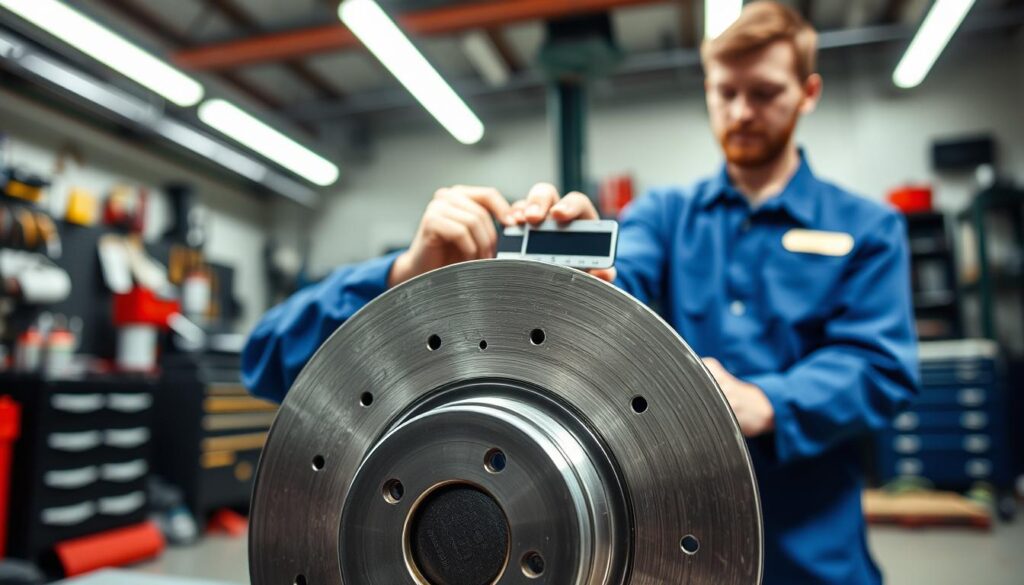
When dealing with damaged rotors, you have two primary options: resurfacing or replacing them. Resurfacing involves machining the rotor to remove damage and restore a smooth surface. However, not all rotors can be resurfaced. If a rotor is too thin or has significant damage, replacement is the safer choice.
“The decision to resurface or replace brake rotors depends on the extent of the damage. A professional inspection can provide clarity on the best course of action.” – Brake Safety Expert
| Condition | Recommended Action |
|---|---|
| Minor scoring or wear | Resurface |
| Excessive wear or significant damage | Replace |
| Blue or rainbow discoloration | Inspect for overheating damage; may need replacement |
Tips for Proper Rotor Maintenance
To extend the life of your brake rotors and ensure optimal brake performance, follow these tips:
- Regularly inspect your rotors for signs of wear or damage.
- Avoid hard braking or riding the brakes, as this can cause excessive heat and wear.
- Have your brake system inspected by a professional during routine maintenance checks.
- Replace brake pads promptly when they become worn to prevent damage to the rotors.
By following these guidelines and staying vigilant about rotor maintenance, you can enhance your vehicle’s brake safety and overall performance. Remember, proper car brake service is key to maintaining your vehicle’s safety on the road.
Seasonal Brake Maintenance Tips
To ensure your car’s brakes remain reliable throughout the year, it’s essential to adjust your maintenance routine according to the season. Different weather conditions can significantly impact your vehicle’s braking performance, making seasonal checks crucial for safety.
Preparing for Winter Weather
Winter brings unique challenges to your car’s brake system. Cold temperatures can cause brake fluid to thicken, potentially leading to brake failure. To prepare for winter:
- Check your brake fluid level and top it off if necessary.
- Inspect your brake pads for wear, as worn pads can be particularly dangerous on snowy or icy roads.
- Consider having your brake rotors inspected for any signs of damage or excessive wear.
Summer Brake Checks
Summer heat can also affect your brake system’s performance. High temperatures can cause brake fluid to degrade and can lead to increased wear on brake components. For summer brake checks:
- Monitor your brake fluid condition and change it if it’s old or contaminated.
- Inspect your brake pads and rotors for signs of overheating or excessive wear.
- Ensure your brake system is free from leaks, as leaks can lead to brake failure.
Importance of Seasonal Inspections
Regular seasonal inspections can help identify potential brake issues before they become major problems. A professional mechanic can inspect your brake system and perform necessary maintenance, ensuring your car remains safe to drive.
| Season | Brake Maintenance Tasks |
|---|---|
| Winter | Check brake fluid level, inspect brake pads, and inspect brake rotors. |
| Summer | Monitor brake fluid condition, inspect brake pads and rotors, and check for leaks. |
By following these seasonal brake maintenance tips, you can help ensure your car’s brakes remain in good condition throughout the year, enhancing your safety on the road.
Professional Brake Service: When to Seek Help
Understanding when to take your car to a professional for brake service can be the difference between safety and risk. While regular maintenance is something you can handle yourself, complex brake issues require expert attention.
Choosing the Right Mechanic
When deciding to seek professional help for your car’s brakes, choosing the right mechanic is crucial. Look for a mechanic who specializes in brake services and has good reviews. It’s also a good idea to ask for recommendations from friends or family.
A reputable mechanic will have the necessary experience and equipment to diagnose and fix brake problems efficiently. They can also provide valuable advice on brake safety tips and maintenance schedules.
What to Expect During a Brake Inspection
During a brake inspection, the mechanic will check various components of your car’s brake system. This includes examining the brake pads, rotors, and brake fluid. They will look for signs of wear and tear, and check if any parts need replacement.
A thorough inspection will help identify any potential issues before they become major problems. The mechanic will then provide a detailed report of their findings and recommend the necessary repairs.
Understanding Brake Service Costs
The cost of brake service can vary depending on several factors, including the type of vehicle you own and the extent of the work needed. It’s essential to get a clear estimate from your mechanic before proceeding with any repairs.
Understanding the costs involved can help you make informed decisions about your car’s maintenance. Remember, investing in proper brake service is crucial for your safety on the road.
By seeking professional help when needed and following car brake service recommendations, you can ensure your vehicle’s brakes are always in good condition.
DIY Brake Maintenance: What You Can Do
Empowering yourself with basic brake maintenance knowledge can save you money and ensure your safety on the road. By following simple guidelines, you can perform DIY brake maintenance that keeps your vehicle’s braking system in top condition.
Simple Checklists for Home Maintenance
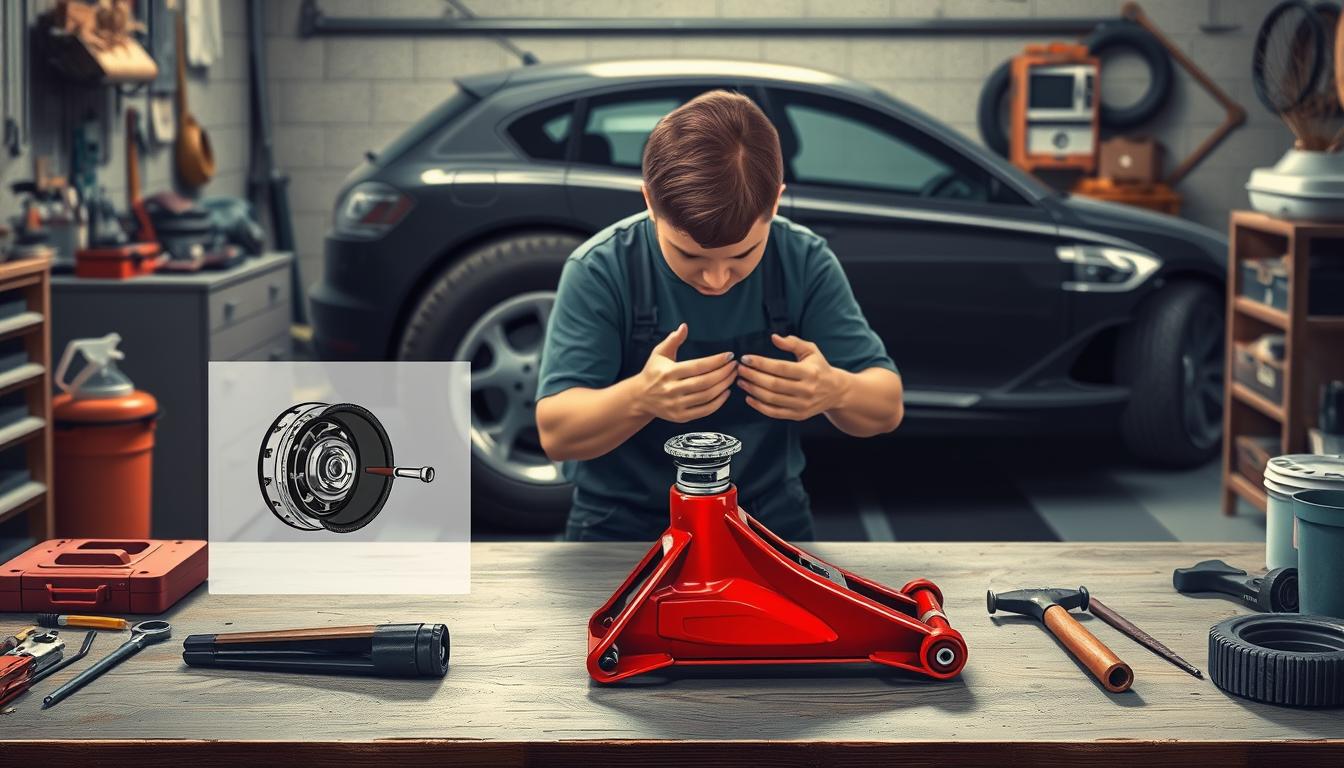
To start with DIY brake maintenance, you’ll need a simple checklist. This includes:
- Checking brake pad thickness
- Inspecting brake fluid levels
- Looking for signs of wear on brake rotors
Having a checklist ensures you don’t miss critical steps in maintaining your brakes.
Tools You’ll Need
Having the right tools is essential. You’ll need:
- A lug wrench
- A C-clamp
- Brake cleaner
- A pair of safety glasses
Ensuring you have these tools will make the process smoother and safer.
Steps for Basic Brake Care
Basic brake care involves:
- Regularly inspecting your brake pads and rotors for wear
- Checking the brake fluid level
- Ensuring the brake system is free from leaks
By following these steps, you can maintain your vehicle’s brake system effectively between professional services. Regular maintenance not only enhances safety but also improves your vehicle’s overall performance.
Conclusion: Prioritizing Brake Safety
Maintaining your car’s brakes is crucial for ensuring your safety on the road. By following the car brake maintenance tips outlined in this article, you can significantly reduce the risk of accidents and ensure a secure drive.
Best Practices for Brake Maintenance
Regular inspections and maintenance are key to keeping your brakes in top condition. This includes checking brake pads for wear, monitoring brake fluid levels, and inspecting rotors for damage. By staying on top of these tasks, you can help prevent brake failure and maintain optimal stopping performance.
Staying Safe on the Road
By prioritizing brake safety and following the brake safety tips provided, you can enjoy a safer driving experience. Remember, proper car brake maintenance is not just about avoiding accidents; it’s also about ensuring the well-being of you and your passengers.