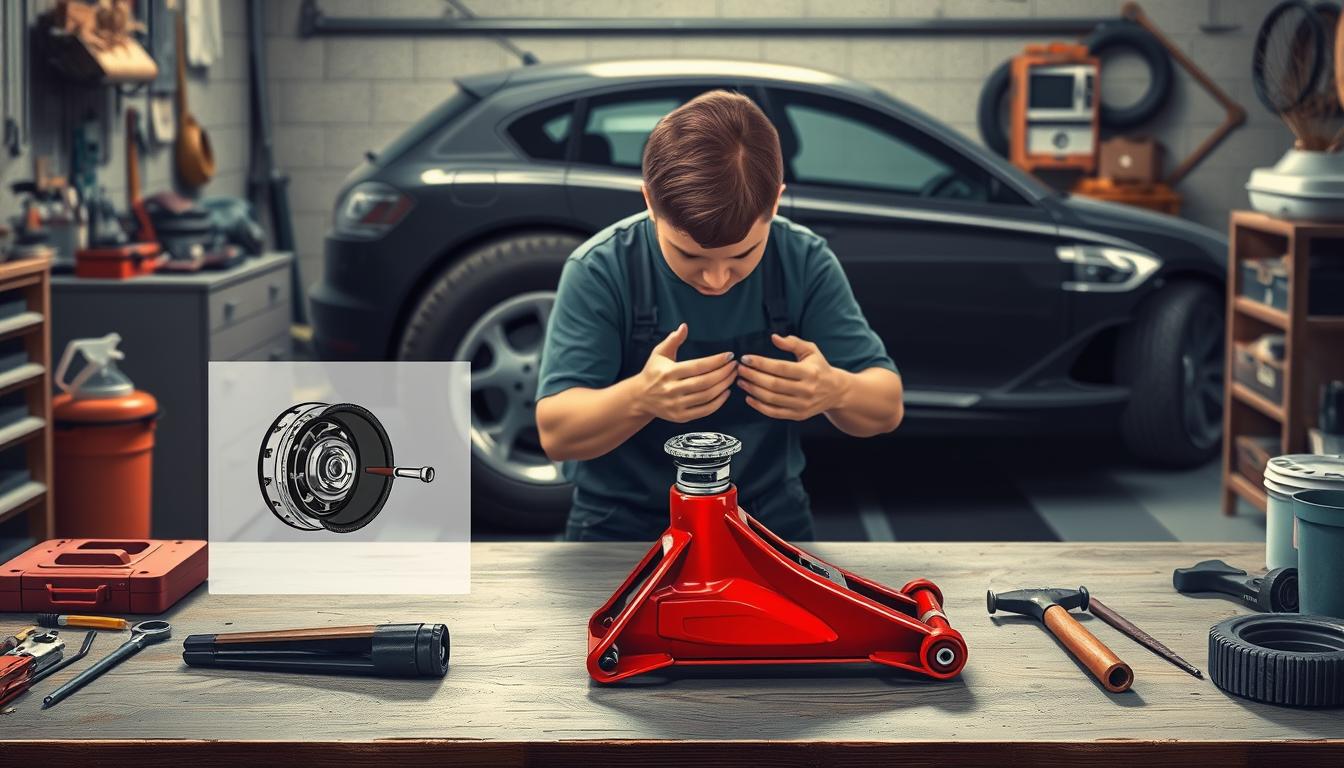






A well-maintained suspension system is crucial for a smooth ride, vehicle stability, and overall safety on the road. Neglecting this critical component can lead to a bumpy ride, reduced handling, and increased wear on other vehicle parts.
The importance of suspension care cannot be overstated. Regular checks and timely repairs can help prevent costly issues down the line. In this article, we’ll explore the key aspects of car suspension system maintenance and provide valuable tips for suspension maintenance to keep your vehicle running smoothly.
Key Takeaways
- Regularly inspect your suspension system for signs of wear
- Replace worn-out components to maintain vehicle stability
- Understand the importance of proper suspension care
- Learn how to identify potential issues before they become major problems
- Discover simple tips to keep your suspension system in top condition
Understanding the Car Suspension System
Understanding your car’s suspension system is key to maintaining its overall performance and safety. The suspension system is a complex assembly of components that work together to provide a smooth ride, stable handling, and responsive steering.
What is a Suspension System?
A suspension system is designed to absorb bumps and shocks from the road, ensuring that the vehicle’s tires remain in contact with the road surface. This is crucial for maintaining traction, stability, and control while driving. The system includes various components that work in harmony to achieve these goals.

Importance of a Well-Maintained Suspension
Maintaining your car’s suspension system is essential for vehicle suspension upkeep and overall vehicle health. A well-maintained suspension ensures a comfortable ride, improves handling, and enhances safety. Neglecting suspension maintenance can lead to premature wear on other components, potentially causing costly repairs.
Components of a Suspension System
The suspension system comprises several key components, including shocks, struts, springs, and linkages. Each part plays a vital role in the system’s overall performance.
| Component | Function |
|---|---|
| Shocks/Struts | Absorb bumps and maintain tire contact with the road |
| Springs | Support the vehicle’s weight and maintain ride height |
| Linkages | Connect the suspension components to the vehicle’s frame |
Regular automobile shocks service and maintaining car struts are crucial for the longevity and performance of your vehicle’s suspension system. By understanding the components and their functions, you can better appreciate the importance of regular maintenance.
Signs Your Suspension Needs Attention
Recognizing the signs that your suspension needs attention is essential for preventing further damage to your vehicle. A suspension system that is not properly maintained can lead to a rough ride, reduced handling, and increased risk of accidents.
Unusual Noises While Driving
One of the primary indicators that your suspension system requires maintenance is unusual noises while driving. Clunking, creaking, or grinding sounds when you hit bumps or turn can signal worn-out components such as ball joints, bushings, or shocks/struts. These noises are not just annoying; they can be a sign of a more significant issue that needs to be addressed.
For instance, a clunking noise when driving over bumps may indicate loose or worn-out stabilizer bar links. It’s crucial to identify the source of these noises to determine the necessary repairs. Ignoring these sounds can lead to further damage and potentially result in costly repairs down the line.
Excessive Bouncing or Swaying
Excessive bouncing or swaying while driving is another sign that your suspension needs attention. If your vehicle continues to bounce after hitting a bump, it may be a sign that your shocks or struts are worn out. Similarly, if your vehicle sways or leans excessively during turns, it could indicate a problem with your suspension system’s ability to maintain stability.
A well-maintained suspension system should provide a stable and comfortable ride. If you notice excessive bouncing or swaying, it’s essential to have your suspension inspected by a professional mechanic. They can assess the condition of your suspension components and recommend the necessary repairs.
| Suspension Issue | Symptoms | Possible Causes |
|---|---|---|
| Unusual Noises | Clunking, creaking, grinding sounds | Worn-out ball joints, bushings, shocks/struts |
| Excessive Bouncing | Vehicle bounces after hitting bumps | Worn-out shocks or struts |
| Uneven Tire Wear | Tires wear down unevenly | Misaligned suspension, worn-out components |
Uneven Tire Wear
Uneven tire wear is a common issue that can be related to your suspension system. If your tires are wearing down unevenly, it could be a sign that your suspension is not properly aligned or that there are worn-out components. Uneven tire wear can lead to reduced traction, poor handling, and increased risk of tire failure.
“Regular suspension maintenance is crucial for extending the life of your tires and ensuring your vehicle’s overall performance.” –
To maintain your car’s suspension system, it’s essential to follow a suspension maintenance checklist that includes regular inspections and necessary repairs. Knowing how to maintain car suspension can help you identify potential issues before they become major problems.

By being aware of the signs that your suspension needs attention, you can take proactive steps to maintain your vehicle’s suspension system. Regular maintenance not only ensures a smoother ride but also contributes to the overall safety and performance of your vehicle.
Routine Suspension Inspections
To keep your vehicle running smoothly, routine suspension inspections are essential. A well-maintained suspension system is vital for your car’s overall performance and safety. Regular checks can help identify potential issues before they become major problems.
Frequency of Inspections
It’s recommended to inspect your car’s suspension system every 12,000 to 15,000 miles. However, this frequency can vary depending on your vehicle’s make, model, and driving conditions. For instance, driving in harsh conditions, such as off-road or in areas with poor road quality, may require more frequent inspections.
During your inspection, look for signs of wear on components like shocks, struts, and bushings. Checking these parts regularly can help you catch any potential issues before they lead to more significant problems.

What to Look For During Inspections
When inspecting your suspension system, there are several key areas to focus on. First, check for any unusual noises when driving over bumps or during turns. These noises can indicate worn-out components.
Next, inspect the condition of your tires, as uneven wear can be a sign of suspension issues. Additionally, look for any signs of leaks around the shocks and struts, as these can compromise the system’s performance.
By following these guidelines and staying on top of routine suspension inspections, you can help ensure your car’s suspension system remains in good condition, enhancing your vehicle’s overall performance and safety.
Checking and Replacing Shocks and Struts
Shocks and struts play a vital role in your vehicle’s suspension, and knowing how to check and replace them is essential for a smooth ride. They are critical components that absorb bumps, maintain tire contact with the road, and ensure vehicle stability.
Signs of Worn Shocks/Struts
Identifying worn-out shocks and struts is crucial for maintaining your car’s suspension system. Some common signs include:
- Increased stopping distance: Worn shocks can lead to longer stopping distances, compromising safety.
- Nose dives when braking: If your car’s front end dips significantly when you brake, it may indicate worn-out shocks.
- Swaying or bouncing: Excessive swaying or bouncing after hitting a bump is a clear sign that your shocks or struts need attention.
“Regular inspection of shocks and struts can prevent more costly repairs down the line.” –
How to Replace Shocks and Struts
Replacing shocks and struts involves several steps, including:
- Jacking up the vehicle: Safely lift the car using a jack and support it with jack stands.
- Removing the wheel: Take off the wheel to access the shocks or struts.
- Disconnecting the shock/strut assembly: Carefully disconnect the assembly from the vehicle’s frame and steering knuckle.
For an automobile shocks service, it’s recommended to consult a professional if you’re not experienced with such repairs. Maintaining car struts is crucial for vehicle stability and safety.
Maintaining Other Suspension Components
Maintaining your car’s suspension system goes beyond just checking shocks and struts; other vital components like bushings, ball joints, springs, and anti-roll bars also require attention. These parts work together to ensure a smooth ride, stable handling, and overall vehicle safety.
Importance of Bushings and Ball Joints
Bushings and ball joints are critical components of the suspension system. Bushings act as cushions between the suspension components and the vehicle’s frame, reducing friction and wear. Ball joints, on the other hand, are pivot points that allow the suspension to move up and down. Worn-out bushings can lead to increased noise and vibration, while faulty ball joints can cause uneven tire wear and affect steering.
Regular inspection of bushings and ball joints is essential for maintaining the suspension system’s integrity. Look for signs of wear such as cracks, excessive play, or unusual noises when driving over bumps.

Checking Springs and Anti-Roll Bars
Springs are another vital component, supporting the vehicle’s weight and absorbing bumps. Anti-roll bars help in stabilizing the vehicle during turns, reducing body roll. Over time, springs can weaken, and anti-roll bars can become damaged, affecting the vehicle’s handling and stability.
To maintain these components, inspect springs for signs of sagging or breakage, and check anti-roll bars for any damage or excessive wear on their bushings. Regular checks can help identify issues early, preventing more costly repairs down the line.
| Component | Function | Signs of Wear |
|---|---|---|
| Bushings | Cushion between suspension and frame | Cracks, noise, vibration |
| Ball Joints | Pivot points for suspension movement | Excessive play, uneven tire wear |
| Springs | Support vehicle weight, absorb bumps | Sagging, breakage |
| Anti-Roll Bars | Stabilize vehicle during turns | Damage, excessive wear on bushings |
For vehicle suspension upkeep, it’s advisable to visit a reputable suspension repair shop if you’re unsure about how to inspect or maintain these components. Professionals can provide a thorough check and necessary repairs, ensuring your vehicle’s suspension system operates smoothly and safely.
Tire Maintenance for Suspension Longevity
The longevity and effectiveness of your car’s suspension system depend on regular maintenance and care. One crucial aspect often overlooked is tire maintenance, which plays a significant role in the overall health of the suspension.
Proper tire maintenance not only ensures a smoother ride but also contributes to the longevity of the suspension system. Two key aspects of tire maintenance that impact suspension longevity are proper tire pressure and regular alignments and balancing, especially in older vehicles.
Proper Tire Pressure
Maintaining the correct tire pressure is vital for the health of your suspension system. Underinflated tires can lead to increased stress on suspension components, causing premature wear. Here are some tips for maintaining proper tire pressure:
- Check tire pressure at least once a month, and before long trips.
- Use a reliable tire pressure gauge to ensure accuracy.
- Refer to your vehicle’s owner’s manual for the recommended pressure.
Benefits of Proper Tire Pressure:
- Improved fuel efficiency
- Enhanced handling and safety
- Reduced wear on suspension components

Alignments and Balancing for Older Vehicles
As vehicles age, the importance of regular wheel alignments and balancing becomes more pronounced. Misaligned wheels can cause uneven tire wear, which in turn puts additional stress on the suspension system. Regular alignments and balancing can help mitigate this issue.
Key benefits of regular alignments and balancing include:
- Even tire wear, extending tire life
- Improved vehicle handling and stability
- Reduced strain on suspension components, enhancing their longevity
For older vehicles, it’s recommended to have wheel alignments checked every 6,000 to 8,000 miles, or as specified in your owner’s manual. Balancing should be done whenever tires are replaced or rotated.
By focusing on tire maintenance, you can significantly contribute to the longevity and effectiveness of your car’s suspension system. Regular checks and adjustments will help ensure a smoother ride and reduce the risk of premature wear on critical components.
The Role of Fluids in Suspension Systems
Maintaining the right fluids is vital for the overall health of your vehicle’s suspension system. Fluids play a crucial role in the functioning of suspension systems, particularly in hydraulic and electronically controlled suspensions.
Types of Fluid Used in Suspensions
There are several types of fluids used in car suspension systems, including hydraulic fluid, brake fluid, and electronic suspension control fluids. Hydraulic fluid is used in systems that rely on hydraulic pressure to operate, while brake fluid is essential for the proper functioning of the braking system, which is closely linked to the suspension.
- Hydraulic fluid for hydraulic suspension systems
- Brake fluid for the braking system
- Electronic suspension control fluids for advanced suspension systems
Checking Fluid Levels and Condition
Regularly checking the fluid levels and their condition is crucial for maintaining your car’s suspension system. Low fluid levels or contaminated fluids can lead to poor suspension performance and potentially damage the system.
- Check the fluid levels according to your vehicle’s manufacturer guidelines.
- Inspect the fluid condition for signs of contamination or degradation.
- Top up or replace fluids as necessary to maintain optimal suspension performance.
By understanding the role of fluids in your car’s suspension system and maintaining them properly, you can ensure a smoother ride, better handling, and extend the lifespan of your suspension components. Regular checks and maintenance are key to avoiding costly repairs down the line.
For a comprehensive suspension maintenance checklist, consider including fluid checks as a regular part of your car maintenance routine. This proactive approach will help you stay on top of your car’s needs and ensure that your suspension system continues to perform optimally.
Seasonal Suspension Care Tips
Different seasons bring unique demands on your car’s suspension system, necessitating tailored maintenance strategies. As the weather changes, so do the conditions your vehicle is exposed to, affecting its performance and safety. Proper seasonal care can help maintain your car’s suspension, ensuring a smooth ride and optimal handling throughout the year.
Preparing for Winter Driving
Winter conditions can be harsh on your vehicle’s suspension. Cold temperatures can cause components to become less flexible, and road salt can lead to corrosion. To prepare for winter:
- Check your suspension components for any signs of wear or damage.
- Ensure that your vehicle’s alignment is proper to prevent uneven tire wear.
- Consider using winter tires, which can help improve traction on snowy or icy roads.
Winter Suspension Checklist
| Component | Check For | Action |
|---|---|---|
| Shocks/Struts | Leaks or damage | Replace if necessary |
| Bushings | Cracks or deterioration | Replace if worn |
| Springs | Breaks or sagging | Replace if damaged |
Summer Adjustments for Performance
Summer brings its own set of challenges, including warmer temperatures that can affect your suspension’s performance. To optimize your vehicle’s suspension for summer:
- Inspect your suspension for any signs of wear from the previous year.
- Check your vehicle’s fluid levels, as higher temperatures can cause them to degrade faster.
- Consider having your suspension tuned for performance if you plan on driving aggressively.
By following these seasonal suspension care tips, you can help ensure your vehicle remains safe and performs well throughout the year. Regular maintenance is key to extending the life of your car’s suspension system.
Common DIY Suspension Maintenance Tasks
DIY suspension maintenance can save you money and help you understand your vehicle’s mechanics better. By performing regular checks and simple repairs, you can keep your car’s suspension system in top condition.
Inspecting Components at Home
Inspecting your car’s suspension components at home is a straightforward process that requires minimal tools. Start by visually examining the struts and shocks for signs of wear or damage. Look for leaks, rust, or dents that could affect their performance. Check the bushings and ball joints for any signs of deterioration, such as cracks or excessive movement.
Simple Repairs You Can Do Yourself
Some suspension repairs can be done at home with basic tools. For example, you can replace worn-out bushings or tighten loose bolts and nuts. However, more complex tasks like replacing shocks or struts may require professional assistance. Always refer to your vehicle’s manual for specific instructions and safety precautions.
Tips for suspension maintenance include regularly checking your vehicle’s alignment and ensuring proper tire pressure. These simple tasks can help extend the life of your suspension components and improve your car’s overall performance.
By following these DIY tips and staying proactive, you can maintain your car’s suspension system effectively and enjoy a smoother, safer ride.
When to Call a Professional for Help
While regular DIY maintenance is crucial for extending the life of your car’s suspension system, there are times when professional help is necessary. Complex issues can arise that require specialized knowledge and equipment.
Identifying Complex Issues
If you notice persistent problems such as uneven tire wear, unusual noises, or excessive bouncing, it may be time to visit a suspension repair shop. These issues can be indicative of deeper problems that need to be addressed by a professional mechanic.
Choosing the Right Suspension Service Center
When selecting a suspension service center, look for a facility with experienced technicians and a reputation for quality service. Understanding the importance of suspension care, they can diagnose and repair complex issues, ensuring your vehicle remains safe and reliable on the road.
By being proactive and knowing when to seek professional help, you can maintain your car’s suspension system and prevent more costly repairs down the line.