





Replacing a vehicle’s battery can seem daunting, but it’s a task that can be accomplished at home with the right tools and precautions. Understanding your vehicle’s power source is crucial for a successful DIY battery change.
Before starting, it’s essential to consult your owner’s manual for specific guidance on the replacement process for your particular vehicle. This ensures that you follow the correct procedure, avoiding any potential risks or damage to your vehicle.
Key Takeaways
- Consult your owner’s manual for specific guidance.
- Ensure you have the right tools for the job.
- Understand the basics of your vehicle’s battery.
- Take necessary safety precautions.
- Follow the correct replacement procedure.
Understanding Your Car Battery: Basics You Should Know
Understanding your car battery is crucial for maintaining your vehicle’s health and performance. A car battery is a vital component that powers your vehicle, and knowing its basics can help you make informed decisions when it comes to replacement.
What is a Car Battery?
A car battery is typically a lead-acid battery that provides the necessary power to start the vehicle. It’s designed to supply a burst of energy to the starter motor, igniting the engine. Modern car batteries also support the vehicle’s electrical systems when the engine is off.
How Long Should a Car Battery Last?
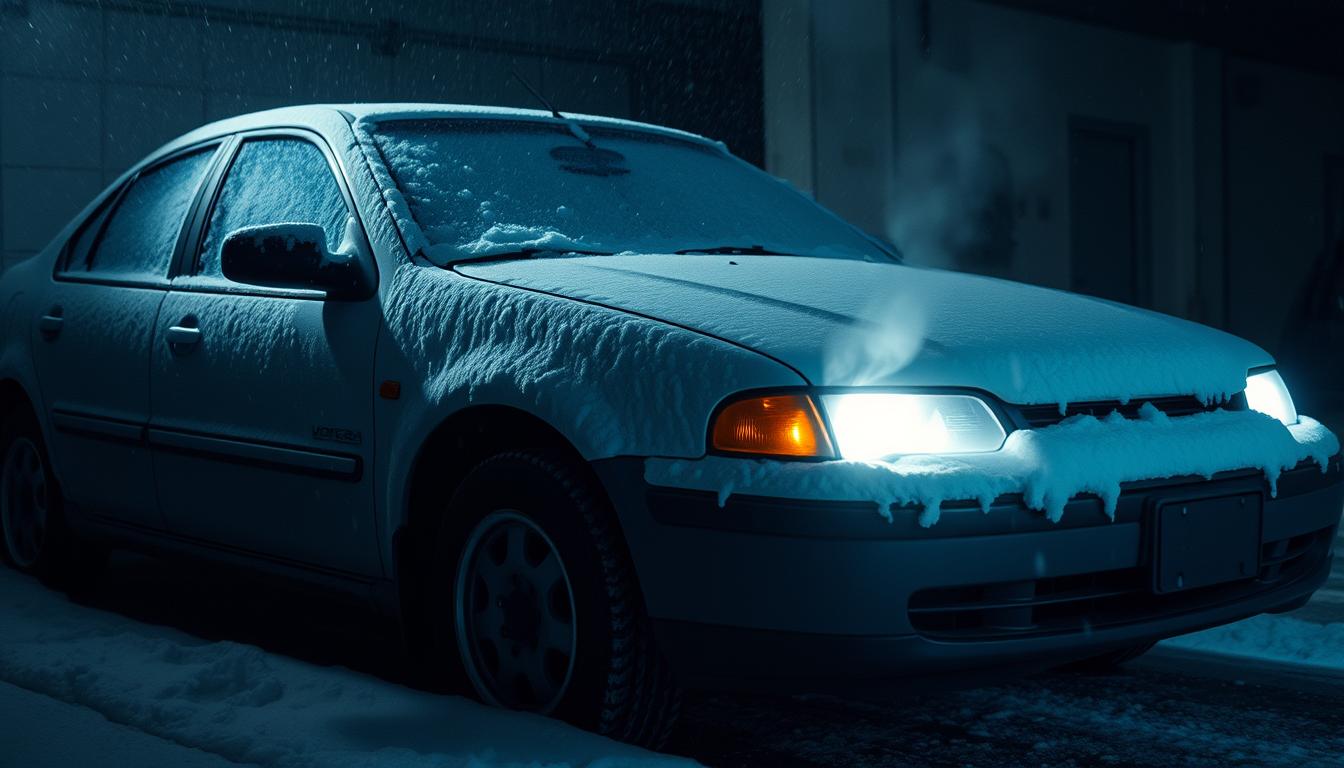
The lifespan of a car battery varies depending on several factors, including driving habits, climate, and maintenance. Generally, a car battery lasts between 3 to 5 years. However, extreme temperatures and frequent short trips can reduce its lifespan.
Signs Your Car Battery Needs Replacement
Recognizing the signs that your car battery needs replacement can save you from unexpected breakdowns. Common indicators include:
- Difficulty starting the engine
- Dim or flickering headlights
- Swelling of the battery case
- Corrosion on the terminals
| Signs | Description |
|---|---|
| Difficulty Starting | If your car takes longer than usual to start, it could be a sign that your battery is weakening. |
| Dim Headlights | Flickering or dim headlights can indicate that your battery is not holding a charge properly. |
| Swollen Battery Case | A swollen battery case is a physical sign that the battery has undergone excessive heat, often leading to a failure. |
By understanding these basics and recognizing the signs of battery failure, you can take proactive steps towards maintaining your vehicle’s electrical system and decide when it’s time to replace your car battery.
Tools You’ll Need for a Successful Battery Replacement
A successful DIY battery change starts with the right equipment and precautions. Replacing your car battery can be a straightforward process if you’re well-prepared.
Essential Tools and Equipment
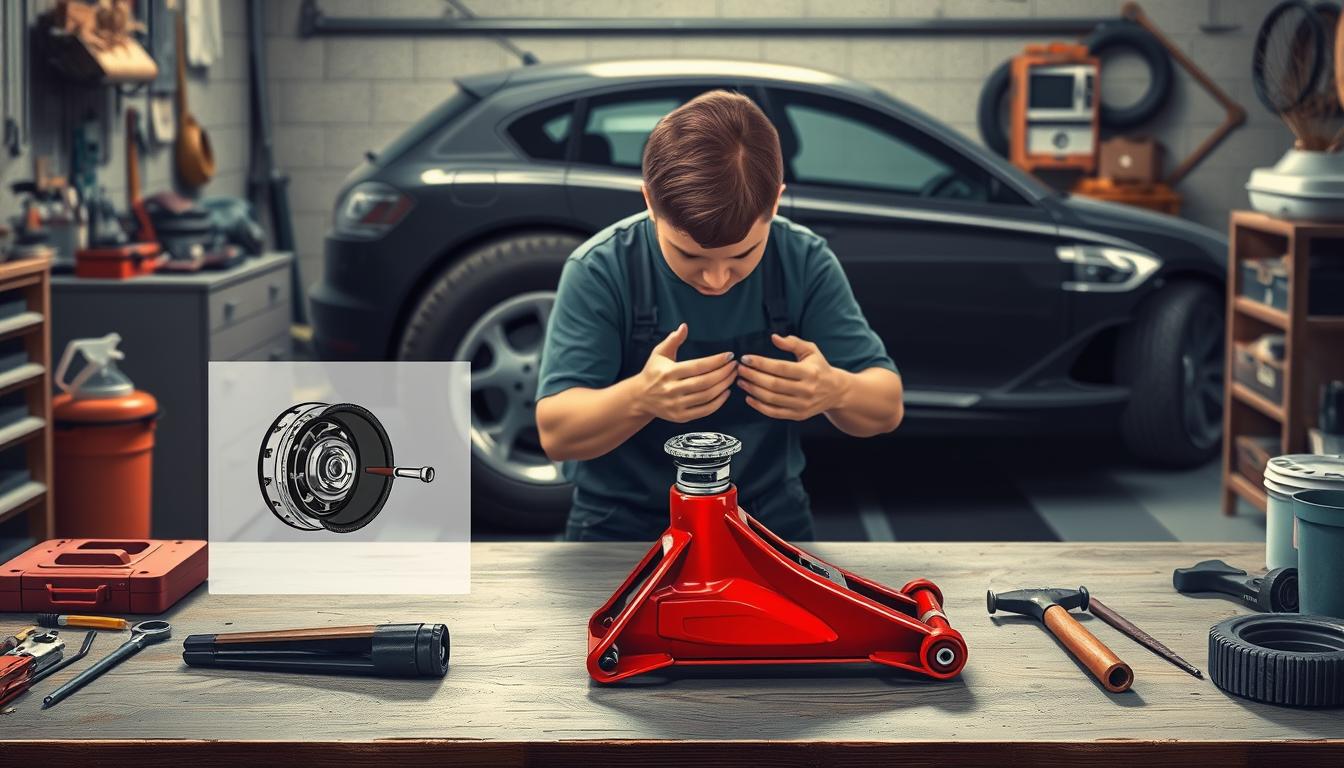
To replace your car battery, you’ll need a few essential tools. These include a socket wrench to loosen the battery terminals and any other bolts holding the battery in place. Gloves and safety glasses are also crucial for protecting yourself from potential electrical shock and acid spills.
Here’s a list of the tools you’ll typically need:
- A socket wrench or adjustable wrench
- Gloves (preferably insulated)
- Safety glasses
- A battery cleaning brush (for cleaning terminals)
Safety Gear: Why It Matters
Safety gear is not just an accessory; it’s a necessity when dealing with car batteries. Batteries contain acid, which can cause severe burns upon contact with skin. Moreover, the electrical system of your car can lead to shock or even a short circuit if not handled properly.
Wearing gloves and safety glasses can significantly reduce the risk of injury. It’s also a good idea to wear old clothing that you don’t mind getting stained or damaged.
By prioritizing safety and using the right tools, you can ensure a smooth and successful DIY battery change.
Step-by-Step Guide to Replacing Your Car Battery
You don’t need to be a car expert to replace your vehicle’s battery; follow these steps for a successful DIY battery change. Replacing your car battery is a relatively simple process that can save you money and help you understand your vehicle better.
Preparing Your Vehicle
Before you start, ensure your vehicle is parked on a level surface and apply the parking brake. Turn off the engine, lights, and any accessories to prevent a surge of power when you disconnect the battery. As Robert Shaw, a seasoned mechanic, once said,
“Safety first is safety always.”
This step is crucial for your safety and the success of the battery replacement process.
Removing the Old Battery
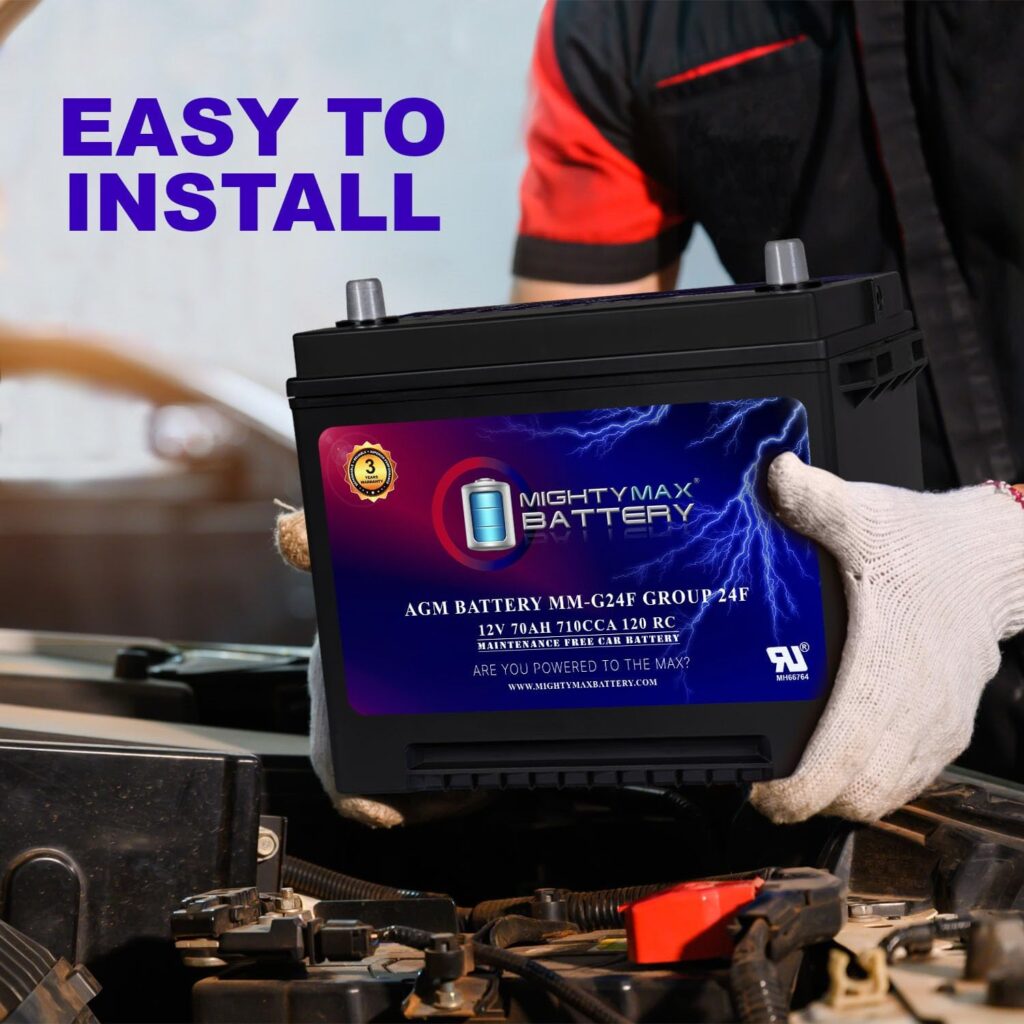
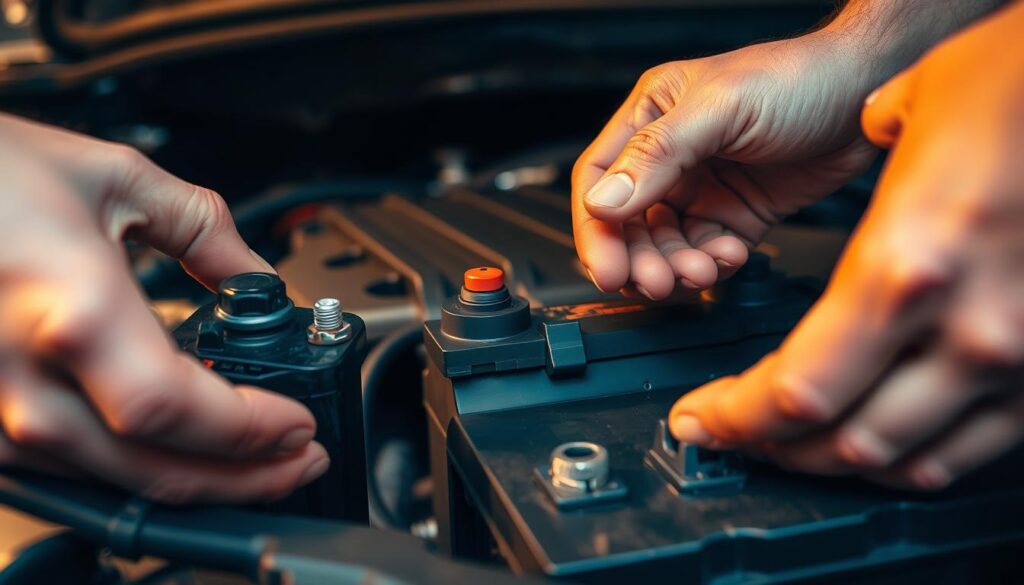
To remove the old battery, start by disconnecting the negative (black) cable, followed by the positive (red) cable. Use a wrench to loosen the cable clamps, then pull the cables off the battery posts. Next, remove the battery clamp or bracket that holds the battery in place. Finally, carefully lift the battery out of its tray.
Installing the New Battery
Installing the new battery involves reversing the steps you took to remove the old one. Place the new battery in the battery tray, ensuring it’s securely seated. Replace the battery clamp or bracket to hold the battery firmly in place. Connect the positive (red) cable to the positive terminal, followed by the negative (black) cable to the negative terminal. Tighten the cable clamps securely to prevent them from coming loose while driving.
By following these steps, you can successfully replace your car battery and get back on the road.
Choosing the Right Replacement Battery for Your Car
The key to a successful car battery replacement lies in selecting the appropriate battery. With numerous options available, it can be overwhelming to decide which one is right for your vehicle.
Factors to Consider
When choosing a replacement battery, several factors come into play. It’s essential to consider the battery’s size, cold cranking amps (CCA), and reserve capacity (RC). The CCA measures the battery’s ability to start the engine in cold temperatures, while the RC indicates how long the battery can run the car’s accessories when the engine is off.
To ensure compatibility, consult your owner’s manual or the manufacturer’s website for specifications. You can also check the battery label on your current battery for reference.
| Factor | Description | Importance |
|---|---|---|
| Battery Size | Physical dimensions and terminal configuration | High |
| Cold Cranking Amps (CCA) | Battery’s ability to start the engine in cold temperatures | High |
| Reserve Capacity (RC) | Battery’s ability to run accessories when the engine is off | Medium |
Popular Brands and Their Features
Several reputable brands offer high-quality car batteries. Some popular options include:
- Optima: Known for their maintenance-free design and high performance.
- DieHard: Offers a range of batteries with advanced features like high CCA and long warranty periods.
- Exide: Provides a variety of batteries with different technologies, including absorbent glass mat (AGM) and flooded lead-acid.
When selecting a brand, consider factors like warranty, customer support, and price. It’s also a good idea to read reviews and ask for recommendations from friends or mechanics.
By considering these factors and exploring popular brands, you can find the perfect replacement battery for your car. Remember to always follow proper safety precautions when handling batteries, and consult a professional if you’re unsure about any aspect of the replacement process.
Safe Disposal of Your Old Car Battery
Proper disposal of your old car battery is not just a good practice, it’s essential for environmental safety during the car battery replacement process. Car batteries contain hazardous materials like lead and acid, which can contaminate soil and water if not disposed of correctly.
Why Proper Disposal is Important
The importance of proper disposal cannot be overstated. Batteries that are not disposed of correctly can lead to environmental pollution. “Lead-acid batteries are considered hazardous waste, and their improper disposal can have severe environmental consequences,” as noted by environmental safety experts.
Local Recycling Options
Fortunately, many auto parts stores and service centers offer battery recycling programs. You can return your old battery to these locations, where it will be recycled properly. Some communities also have designated collection facilities for hazardous waste, including car batteries. It’s worth calling ahead to check what services are available in your area.
Troubleshooting Common Issues After Battery Replacement
Even with a successful DIY battery change, some car owners may still face issues that require troubleshooting. After replacing your car battery, it’s not uncommon to encounter problems such as the car not starting or electronic systems malfunctioning.
Car Won’t Start After Battery Change
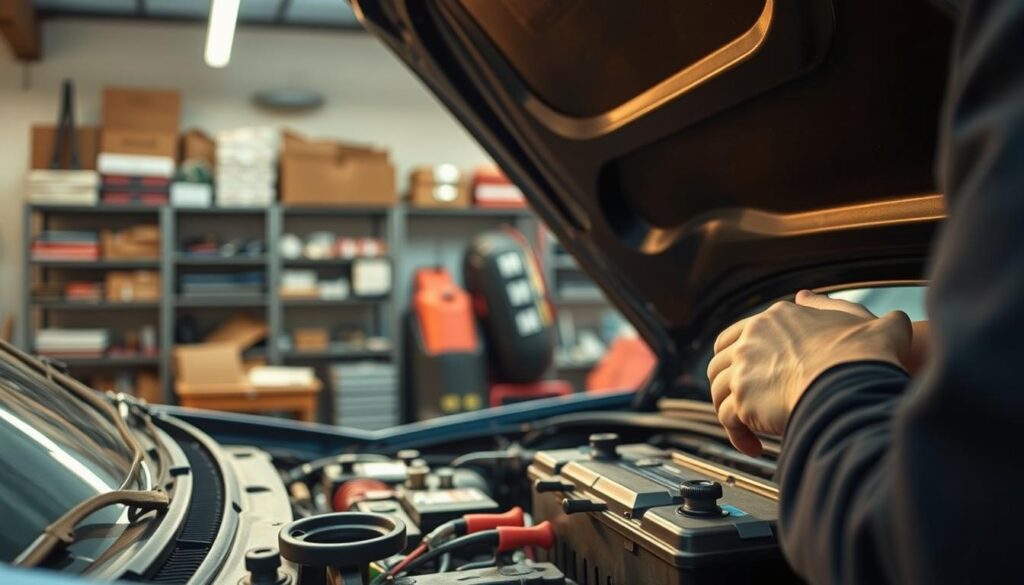
If your car won’t start after changing the battery, there are several potential causes to investigate. First, check the battery connections to ensure they are clean and secure. Corrosion or loose connections can prevent the battery from functioning properly.
Another possible reason is a faulty alternator, which may not be charging the battery correctly. You should also inspect the fuses related to the starting system; a blown fuse could be the culprit.
Electronic Systems Not Functioning
Sometimes, after a battery replacement, certain electronic systems in your car may not function as expected. This could be due to a reset required for the car’s computer system or issues with the wiring.
- Check the owner’s manual for guidance on resetting the car’s computer.
- Inspect the wiring and connections for any signs of damage or wear.
- If the problem persists, consider consulting a professional mechanic.
By following these troubleshooting steps, you can identify and potentially resolve common issues that arise after replacing your car battery.
Maintenance Tips to Extend Your New Battery’s Life
Extending the life of your car battery requires some simple maintenance habits. By following a few straightforward tips, you can ensure your new battery serves you well for a long time.
Regular Checks and Inspections
Regular checks are vital to maintaining your car’s battery. Start by inspecting the battery terminals for signs of corrosion. Corrosion can significantly impact your battery’s performance, so cleaning the terminals with a mixture of baking soda and water can be very effective. Additionally, ensure that the battery is securely fastened in its compartment. A loose battery can lead to damage and affect its overall lifespan.
Driving Habits to Consider
Your driving habits play a significant role in determining your car battery’s lifespan. Frequent short trips, for instance, can be particularly harsh on a battery, as they don’t allow the battery sufficient time to recharge. On the other hand, longer drives can help maintain the battery’s health by giving it enough time to recharge. Being mindful of your driving habits and trying to minimize short trips can contribute to a longer battery life.
Tips for Better Battery Life:
- Limit short trips and try to combine errands.
- Avoid extreme temperatures when possible, as they can affect battery performance.
- Turn off lights, radios, and other accessories when not in use to prevent unnecessary drain.
By incorporating these car battery tips into your routine, you can significantly extend the life of your new battery and enjoy a hassle-free driving experience.
Frequently Asked Questions About Car Battery Replacement
Car battery replacement is a common maintenance task that many car owners face, and knowing the answers to frequently asked questions can simplify the process. As we explore the most common queries about car battery replacement, you’ll be better equipped to handle this task with confidence.
How Often Should You Replace a Car Battery?
The lifespan of a car battery typically ranges from three to five years, depending on various factors such as driving habits, climate, and the quality of the battery itself. Regular checks can help determine when a replacement is needed. It’s also worth noting that extreme temperatures, either hot or cold, can significantly impact a battery’s lifespan.
According to experts, “A car battery can last anywhere from three to five years, but this can vary based on how well the battery is maintained and the conditions it’s exposed to.”
“Regular maintenance, such as checking the battery terminals for corrosion and ensuring the battery is properly secured, can help extend its life.”
Can You Replace a Car Battery in Extreme Weather?
Replacing a car battery in extreme weather conditions, such as very hot or very cold temperatures, can be challenging but is not impossible. It’s crucial to take the necessary precautions to ensure safety. For instance, wearing protective gear like gloves and safety glasses can protect you from potential acid spills or electrical shocks.
If you’re replacing the battery in extreme cold, make sure to keep the new battery warm before installation, as cold batteries may not hold a charge as well. Conversely, in hot weather, be cautious of the risk of overheating. “It’s all about being prepared and taking the right safety measures,” as many professionals would say.
By understanding these FAQs, you’ll be more prepared to tackle car battery replacement, whether it’s under normal conditions or in more challenging weather.
Professional Help: When to Call a Mechanic
While replacing a car battery can be a DIY-friendly task, there are situations where seeking professional help is the best course of action. If you’re unsure about any part of the process or encounter complications, it’s wise to consult a professional mechanic.
Signs You Might Need Professional Assistance
There are several indicators that suggest you might need to call a professional for your car battery replacement. These include:
- Complex electrical issues that you’re not sure how to handle.
- Uncertainty about the correct replacement battery specifications for your vehicle.
- Discomfort with performing the replacement yourself.
Complex electrical issues can be particularly challenging for DIY enthusiasts. If your car’s electrical system is integrated with advanced technology or if you’re dealing with a hybrid or electric vehicle, it’s often safer to seek professional help.
Cost Considerations for Battery Replacement
The cost of replacing a car battery can vary significantly based on the vehicle’s make and model, as well as the type of battery required. On average, you can expect to pay between $50 to $200 for a replacement battery, with luxury or high-performance vehicles potentially costing more.
When considering the cost, it’s also worth factoring in the potential savings from opting for a professional service, which may include warranties on the replacement work.
- Assess the cost of the replacement battery.
- Consider the labor costs if you were to hire a professional.
- Evaluate any additional services that may be required, such as electrical system checks.
Conclusion: Empower Yourself with Knowledge for Car Battery Replacement
Replacing your car battery without a mechanic is a valuable skill that can save you time and money. By understanding the basics of your car battery and following the steps outlined in this article, you can confidently take control of your car maintenance.
Empowerment through knowledge is key to becoming a self-sufficient car owner. With the right tools and information, you can tackle car battery replacement with ease. Brands like Interstate Batteries and Energizer offer high-quality replacement batteries that can be installed using the steps provided.
By being informed and prepared, you can avoid the hassle and expense of seeking professional help for a simple battery replacement. Take the first step towards car maintenance independence and start exploring your options today.
FAQ
How often should I replace my car battery?
Can I replace my car battery in extreme weather?
What are the signs that my car battery needs replacement?
How do I choose the right replacement battery for my car?
Can I DIY a car battery replacement, or should I seek professional help?
How do I safely dispose of my old car battery?
What are some common issues after replacing a car battery, and how can I troubleshoot them?
How can I maintain my new car battery to extend its lifespan?
Are there any specific car battery brands you recommend?