



Maintaining your vehicle’s air quality is crucial for a healthy driving environment. One simple and cost-effective way to achieve this is by replacing your car’s cabin air filter at home.
Replacing the cabin air filter is a straightforward process that can save you time and money. By doing it yourself, you can ensure that your vehicle’s air quality is maintained, providing a healthier environment for you and your passengers.
Key Takeaways
- Replacing your car’s cabin air filter at home is a simple process.
- It is a cost-effective way to maintain your vehicle’s air quality.
- DIY replacement can save you time.
- Regular filter changes ensure a healthier driving environment.
- Following this guide will help you through the replacement process.
What is a Cabin Air Filter and Its Role?
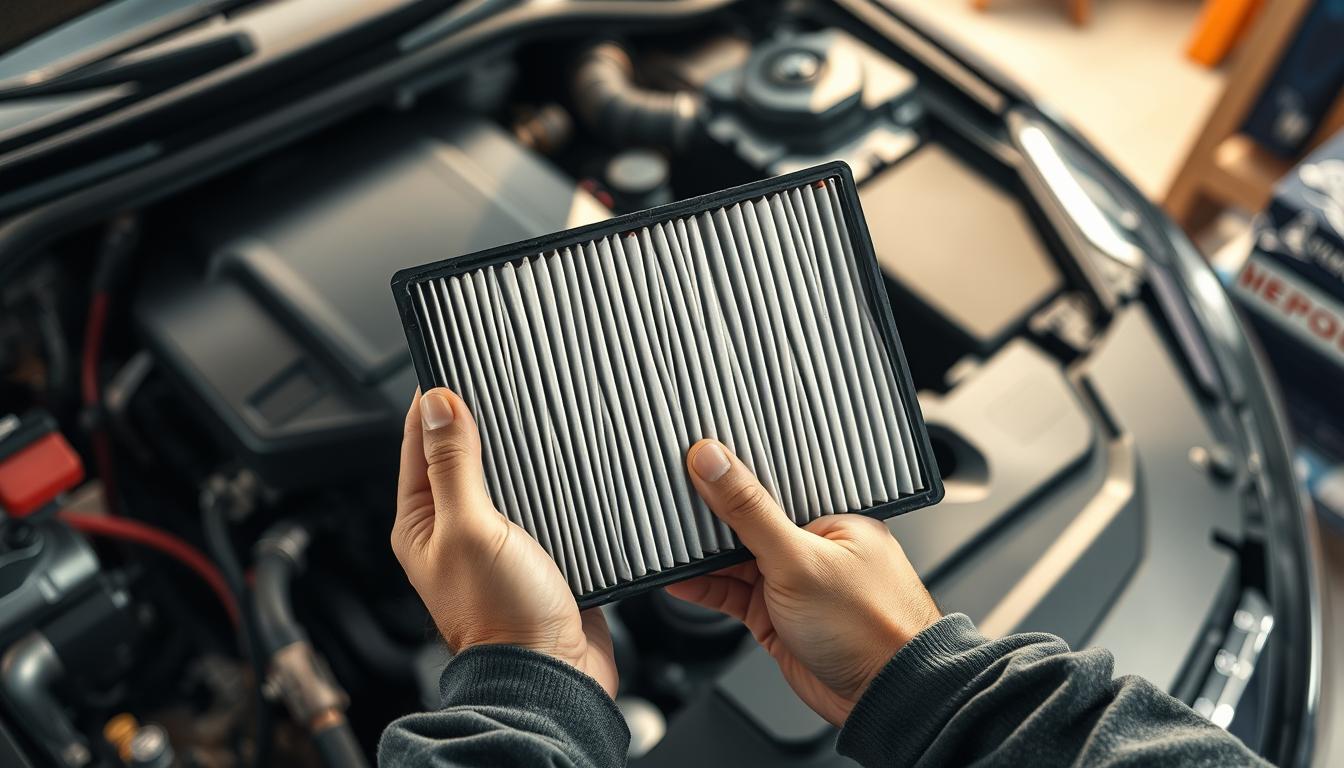
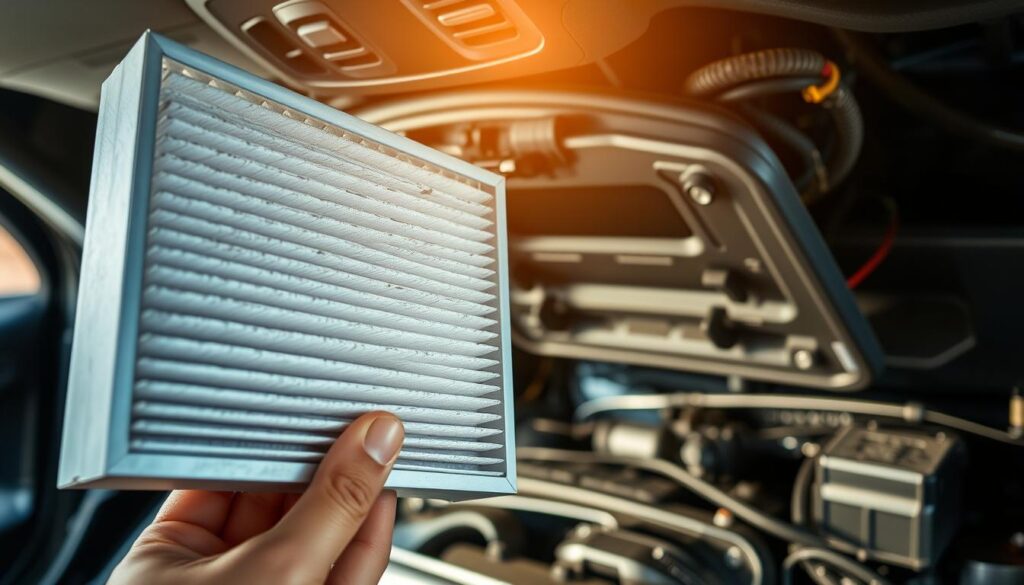
A cabin air filter plays a vital role in ensuring the air inside your vehicle remains clean and healthy. It is designed to filter out dust, pollen, and other pollutants that enter the car’s cabin through the heating, ventilation, and air conditioning (HVAC) system.
Understanding the Function of a Cabin Air Filter
The cabin air filter works by trapping airborne particles as the air passes through it. This process not only improves the air quality inside the vehicle but also helps in reducing odors and preventing the buildup of allergens. According to experts, a clean cabin air filter can significantly enhance the driving experience by providing a cleaner and healthier environment.
“A good cabin air filter is essential for maintaining a comfortable and healthy environment inside your vehicle,” says a leading automotive specialist. This emphasizes the importance of regularly checking and replacing the cabin air filter.
Benefits of a Clean Cabin Air Filter
Maintaining a clean cabin air filter offers several benefits, including:
- Improved air quality inside the vehicle
- Reduced allergy symptoms and respiratory issues
- Minimized unpleasant odors
- Enhanced overall comfort during drives
By ensuring your cabin air filter is clean and functioning properly, you can enjoy a more pleasant driving experience. Regular replacement is key to maintaining these benefits, and understanding how to replace cabin air filter is a valuable skill for any vehicle owner.
Signs Your Cabin Air Filter Needs Replacement
If you notice certain signs, it may be time to replace your cabin air filter. A cabin air filter that is past its prime can lead to reduced airflow, unpleasant odors, and increased dust inside your vehicle.
Decreased Airflow from Vents
One of the most common indicators that your cabin air filter needs replacement is decreased airflow from the vents. When the filter becomes clogged, it restricts the amount of air that can pass through, making your heating and cooling systems work harder.
Symptoms of decreased airflow include:
- Weak air coming from the vents
- Increased time to heat or cool the vehicle
- Inconsistent air distribution
Unpleasant Odors in the Vehicle
Unpleasant odors inside your vehicle can be a sign that your cabin air filter is dirty or clogged. A dirty filter can harbor mold, mildew, and bacteria, which can cause bad smells.
To eliminate odors, consider the following:
- Replacing the cabin air filter regularly
- Using a filter with odor-reducing properties
- Checking for other sources of moisture that might be contributing to the odor
Increased Dust and Allergens Inside
A dirty cabin air filter can also lead to increased dust and allergens inside your vehicle. When the filter is clogged, it can’t effectively remove particles from the air, leading to a buildup of dust and allergens.
| Signs | Description | Solution |
|---|---|---|
| Decreased Airflow | Weak air from vents, longer heating/cooling times | Replace cabin air filter |
| Unpleasant Odors | Bad smells due to mold, mildew, bacteria | Use odor-reducing filter, check for moisture sources |
| Increased Dust/Allergens | Buildup of dust and allergens | Replace cabin air filter regularly |
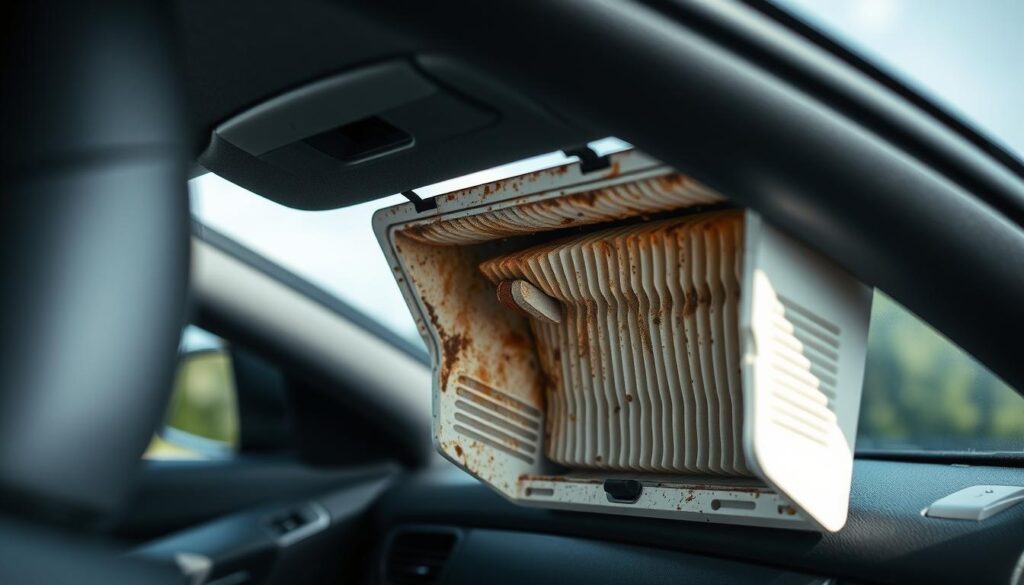
By recognizing these signs and taking action, you can ensure your cabin air filter is replaced when necessary, maintaining a clean and healthy environment inside your vehicle.
Tools and Materials Needed for Replacement
To ensure a smooth DIY process, prepare the required tools and materials for cabin air filter replacement. Having everything you need within reach will make the task more efficient and less frustrating.
Essential Tools for the Job
The tools needed for replacing a cabin air filter are typically minimal. Most vehicles require only a screwdriver, usually a Phillips head, to access the filter housing. Check your vehicle’s manual to confirm the type of screwdriver needed. In some cases, you might need a trim removal tool if the filter housing is behind a panel or trim piece.
Where to Find Replacement Filters
Replacement cabin air filters can be found at most auto parts stores, dealerships, and online retailers. Make sure to purchase a filter that matches your vehicle’s specifications. You can find the correct filter type by checking your owner’s manual or looking at the existing filter. Online stores often provide filter finder tools to help you identify the correct filter for your vehicle.
For a cost-effective cabin air filter change, consider purchasing filters from reputable online retailers. They often offer competitive pricing and a wide selection of filters from various brands.
Optional Cleaning Supplies
If your cabin air filter is reusable, you may need some cleaning supplies. A soft brush or a vacuum cleaner can be used to gently remove dust and debris. For more thorough cleaning, a mild detergent and water can be used, but ensure the filter is completely dry before reinstalling it.
Having the right tools and materials not only makes the replacement process easier but also ensures that the job is done correctly, contributing to an easy cabin air filter replacement experience.
Step-by-Step Guide to Replacing Your Cabin Air Filter
Replacing your car’s cabin air filter is a simple DIY task that can significantly improve the air quality inside your vehicle. A clean cabin air filter is essential for maintaining a healthy and comfortable driving environment. In this section, we will walk you through the process of replacing your cabin air filter with ease.
Locating Your Cabin Air Filter
The first step in replacing your cabin air filter is to locate it. Typically, the cabin air filter is found behind the glove compartment or under the dashboard. Check your vehicle’s owner’s manual for the exact location, as it may vary depending on the make and model of your car.
Tip: If you’re having trouble finding the cabin air filter, consult online resources or videos specific to your vehicle’s make and model.
How to Remove the Old Filter
Once you’ve located the cabin air filter, it’s time to remove the old one. Gently pull out the filter from its housing. Be careful not to touch any electrical components nearby. Inspect the old filter for any debris or dirt accumulation.
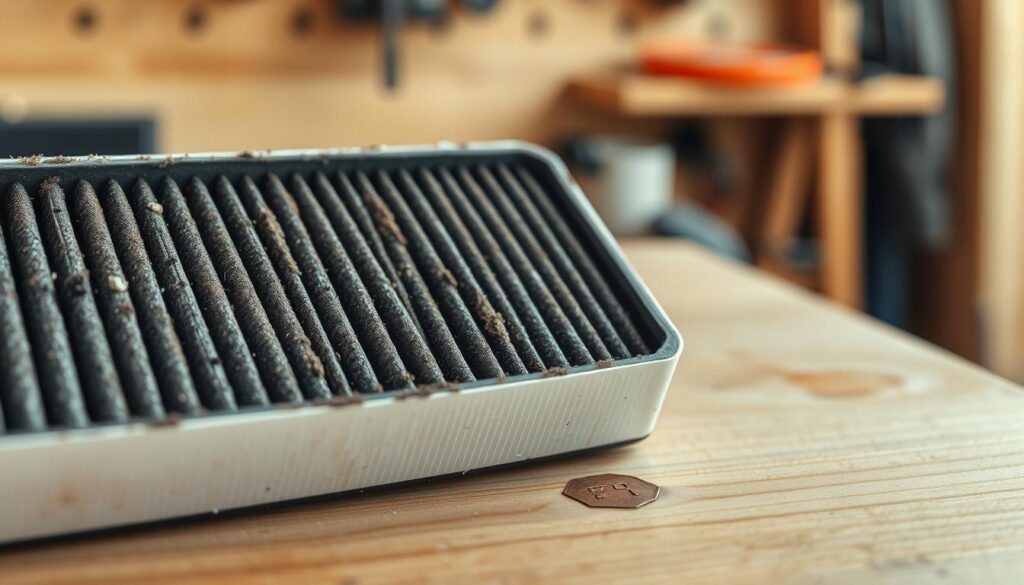
Removing the old filter is a straightforward process that requires minimal tools.
Installing the New Cabin Air Filter
To install the new cabin air filter, ensure it’s properly seated in its housing. Check the airflow arrows on the filter to ensure they’re pointing in the correct direction. Gently push the filter into place until it clicks or is securely fastened.
Important: Make sure the new filter is properly aligned and seated to ensure optimal performance.
Tips for a Successful DIY Project
To ensure a smooth and efficient DIY experience, consider these essential tips for replacing your car’s cabin air filter. A well-planned approach will not only save you time but also ensure that the job is done correctly.
Checking the Owner’s Manual for Instructions
Before starting, it’s crucial to consult your vehicle’s owner’s manual. The manual may provide specific instructions or recommendations for replacing the cabin air filter in your particular vehicle. Following the manufacturer’s guidelines can help avoid any potential issues or complications during the replacement process.
For example, some vehicles may have a slightly different procedure or may require specific tools. By checking the manual, you can familiarize yourself with these requirements and ensure a smoother replacement process.
Preparing Your Workspace
Preparing your workspace is another critical step. Make sure you are in a well-ventilated area and have all the necessary tools and materials within reach. This includes the new cabin air filter, a screwdriver, and any other tools specified in the owner’s manual.
A clutter-free workspace can significantly reduce the risk of losing small parts or causing a mess. As
“A clean workspace is a safe workspace,”
is a mantra that can be particularly relevant when working on DIY projects.
Wearing Protective Gear
Wearing protective gear is an often-overlooked aspect of DIY projects. When replacing your cabin air filter, consider wearing gloves and a dust mask to protect yourself from potential allergens and dust that may be disturbed during the process.
Safety should always be your top priority when working on any DIY project. By taking the necessary precautions, you can ensure a safe and successful replacement process.
| Tip | Description | Benefit |
|---|---|---|
| Check Owner’s Manual | Consult the manual for specific instructions | Avoids potential issues |
| Prepare Workspace | Clear and organize your work area | Reduces risk of losing parts |
| Wear Protective Gear | Use gloves and a dust mask | Protects against allergens and dust |
Maintenance Tips for Your Cabin Air Filter
A well-maintained cabin air filter is key to a comfortable and healthy driving experience. Regular maintenance not only ensures the air inside your vehicle is clean but also contributes to a cost-effective cabin air filter change in the long run.
Recommended Replacement Frequency
The frequency of replacing your cabin air filter depends on several factors, including your vehicle’s make and model, driving conditions, and personal preferences. Generally, it’s recommended to check and potentially replace the cabin air filter every 12,000 to 18,000 miles. However, if you drive in heavily polluted areas or have allergies, you might need to replace it more frequently.
Consulting your vehicle’s owner’s manual can provide specific guidance on the recommended replacement schedule for your particular vehicle. Some modern vehicles are equipped with indicators that alert you when the cabin air filter needs to be changed.
How to Clean a Reusable Filter
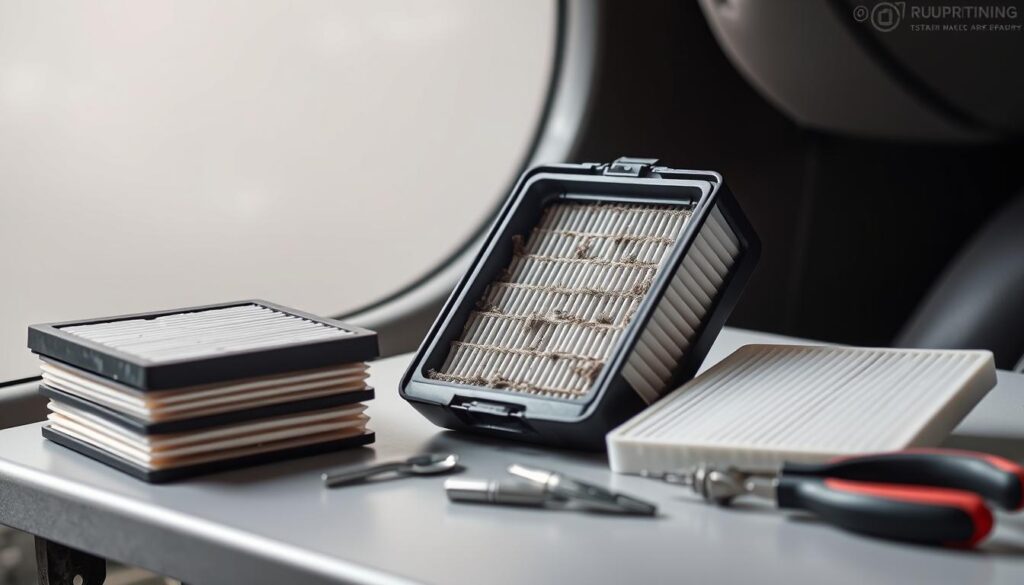
If your vehicle is equipped with a reusable cabin air filter, cleaning it can be a cost-effective alternative to replacement. To clean a reusable filter, start by removing it from its housing according to the manufacturer’s instructions.
- Gently tap the filter to remove loose debris.
- Use compressed air or a soft brush to clean the filter, working from one end to the other to dislodge dirt and dust.
- If the filter is heavily soiled, you may need to use a mild detergent and water. Ensure it’s completely dry before reinstalling.
After cleaning and drying, inspect the filter for any damage. If it’s damaged, consider replacing it to maintain optimal air quality inside your vehicle. Regularly cleaning a reusable cabin air filter can extend its lifespan and ensure a cabin air filter change is done efficiently when needed.
Common Mistakes to Avoid During Replacement
Replacing your cabin air filter can be a straightforward process if you avoid common pitfalls. Being aware of these potential mistakes will help ensure that your replacement is successful and your vehicle’s air quality is maintained.
Not Checking the Filter Orientation
One of the most common mistakes during cabin air filter replacement is not checking the filter’s orientation. Cabin air filters are designed to allow air to flow in one direction, and installing them incorrectly can significantly reduce their effectiveness. Always check the arrow on the filter, which indicates the direction of airflow, to ensure it’s pointing the right way.
Correct filter orientation is crucial for optimal performance. If the filter is installed backward, it can lead to decreased airflow from the vents and potentially allow unfiltered air to circulate inside the vehicle.
Forgetting to Clean the Housing Area
Another mistake is forgetting to clean the housing area before installing the new filter. The housing can accumulate dust and debris, which can be blown into the vehicle’s interior when the new filter is installed. Cleaning the housing area thoroughly with a soft brush or cloth can prevent this issue.
| Common Mistake | Consequence | Prevention |
|---|---|---|
| Not checking filter orientation | Reduced airflow, unfiltered air circulation | Check the arrow on the filter for correct airflow direction |
| Forgetting to clean the housing area | Dust and debris circulation | Clean the housing with a soft brush or cloth before installing the new filter |
By being mindful of these common mistakes and taking steps to avoid them, you can ensure a successful cabin air filter replacement. This not only improves the air quality inside your vehicle but also enhances the overall performance of your car’s HVAC system.
Understanding Different Types of Cabin Air Filters
The type of cabin air filter you choose can significantly impact your vehicle’s air quality. Cabin air filters are not one-size-fits-all components; they come in different types, each designed to serve specific purposes and offer unique benefits.
When considering a DIY cabin air filter replacement, it’s essential to understand the differences between the available filter types. This knowledge will help you make an informed decision that suits your vehicle’s needs.
Particulate Filters vs. Charcoal Filters
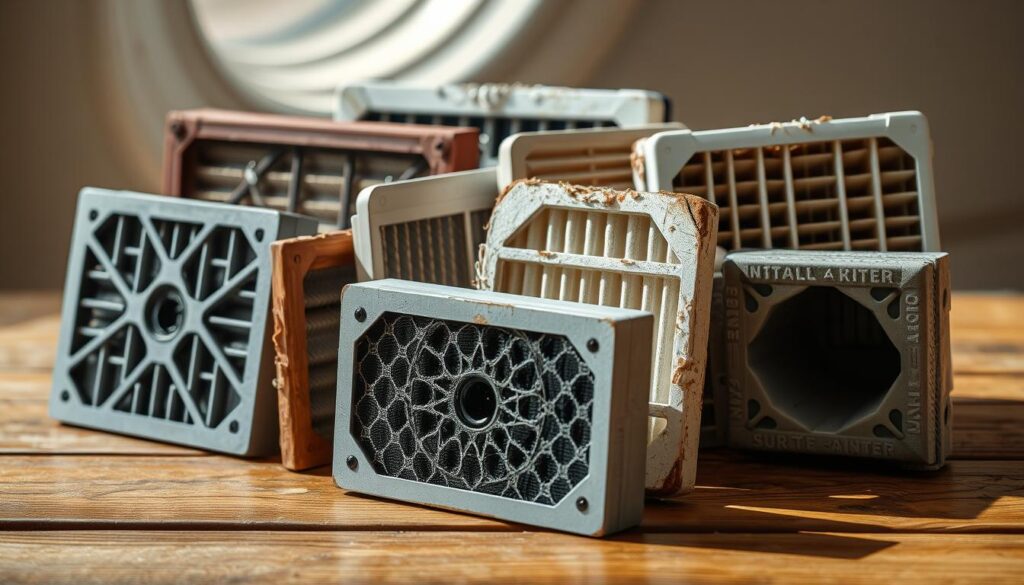
Two of the most common types of cabin air filters are particulate filters and charcoal filters. Particulate filters are designed to capture dust, pollen, and other particulate matter, improving the air quality inside your vehicle. They are effective in filtering out larger particles and are a good choice for most drivers.
Charcoal filters, on the other hand, contain activated charcoal, which helps to absorb gases, odors, and smaller particles that particulate filters might not capture. Charcoal filters are particularly beneficial for drivers who live in areas with high levels of air pollution or who are sensitive to odors.
Choosing the Right Filter for Your Vehicle
Selecting the appropriate cabin air filter involves considering several factors, including your vehicle’s make and model, your driving environment, and any specific needs you might have, such as allergy sufferers in your family.
For a successful cabin air filter installation, ensure you choose a filter that is compatible with your vehicle. Consult your owner’s manual or speak with a professional if you’re unsure. By choosing the right filter, you can enhance your vehicle’s air quality and contribute to a healthier driving environment.
Remember, the right cabin air filter can make a significant difference in your driving comfort and health. Take the time to research and choose a filter that meets your needs, and don’t hesitate to seek professional advice if necessary.
Cost of Replacing Your Cabin Air Filter
Understanding the costs associated with cabin air filter replacement can help you make an informed decision.
Replacing your car’s cabin air filter is a task that can be accomplished with minimal expense if done correctly. The cost varies based on whether you choose to do it yourself or hire a professional.
DIY vs. Professional Installation Costs
When considering the cost of replacing your cabin air filter, one of the primary decisions is whether to undertake the task yourself or to have it done professionally.
- DIY Costs: The cost of a new cabin air filter can range from $15 to $50, depending on the quality and brand.
- Professional Installation Costs: If you choose to have a professional replace the filter, the cost can range from $50 to $100, including labor.
| Installation Method | Cost Range | Includes |
|---|---|---|
| DIY | $15 – $50 | Filter cost only |
| Professional | $50 – $100 | Filter cost + labor |
Factors Affecting Filter Prices
Several factors can influence the price of a cabin air filter, including the type of filter, the vehicle’s make and model, and the brand of the filter.
Type of Filter: Particulate filters and charcoal filters are two common types, with charcoal filters typically being more expensive due to their additional odor-controlling capabilities.
Choosing the right filter for your vehicle is crucial for both cost and performance.
Environmental Benefits of a Clean Filter
The importance of a clean cabin air filter extends beyond your vehicle, contributing to a healthier environment. By ensuring your cabin air filter is clean or replaced regularly, you not only improve the air quality inside your car but also contribute to reducing the environmental impact of your vehicle.
Reduced Emissions and Energy Consumption
A clean cabin air filter can help in reducing emissions and energy consumption. When the filter is clogged, your vehicle’s heating and cooling system has to work harder, consuming more energy. This increased load can lead to higher emissions. By maintaining a clean filter, you can help ensure that your vehicle’s systems operate more efficiently.
Here is a comparison of the impact of a clean versus a dirty cabin air filter on energy consumption:
| Filter Condition | Energy Consumption | Emissions Level |
|---|---|---|
| Clean Filter | Low | Low |
| Dirty Filter | High | High |
Importance for Indoor Air Quality
A clean cabin air filter is also crucial for maintaining good indoor air quality. It helps in removing dust, pollen, and other pollutants from the air inside your vehicle, creating a healthier environment for drivers and passengers. This is particularly important for individuals with allergies or respiratory issues.
Regular maintenance of your cabin air filter is a simple yet effective way to ensure a healthier driving environment. By doing so, you are not only improving your vehicle’s air quality but also contributing to a more sustainable driving experience.
Frequently Asked Questions (FAQs)
Many car owners have questions about replacing their cabin air filters, so we’ve compiled a list of FAQs to help clarify the process and ensure you’re well-informed.
How Often Should I Replace My Cabin Air Filter?
The frequency of replacing your cabin air filter depends on several factors, including the type of filter, your driving habits, and the manufacturer’s recommendations. Typically, it’s advised to replace the cabin air filter every 12,000 to 18,000 miles or at least once a year. However, if you drive in dusty or polluted areas, you may need to replace it more frequently.
Key considerations for replacement frequency:
- Check your vehicle’s owner’s manual for specific guidance.
- Consider your driving environment (dusty, polluted, or normal conditions).
- Look for signs that the filter needs replacement, such as reduced airflow or unpleasant odors.
Can I Drive Without a Cabin Air Filter?
While it’s technically possible to drive without a cabin air filter, it’s not recommended. The cabin air filter plays a crucial role in maintaining the air quality inside your vehicle, capturing dust, pollen, and other pollutants. Driving without one can lead to reduced air quality, potentially exacerbating allergies and respiratory issues. Moreover, it can also affect the performance of your heating and cooling systems.
The importance of a cabin air filter cannot be overstated:
“A clean cabin air filter is essential for maintaining a healthy and comfortable driving environment. It not only improves air quality but also helps in reducing the strain on your vehicle’s HVAC system.”
If you’re unsure about the condition of your cabin air filter or how to replace it, consult your owner’s manual or contact a professional mechanic for advice.
Additional Resources for Vehicle Maintenance
To further enhance your DIY car maintenance skills, consider exploring additional resources. The internet is filled with valuable information on vehicle maintenance, from simple tasks like cabin air filter installation to more complex repairs.
Recommended Automotive Websites
Several reputable automotive websites offer comprehensive guides and tutorials on vehicle maintenance. Some of the top recommendations include:
- Autozone’s Repair Help: Offers a wealth of repair information, including step-by-step guides and videos.
- YourMechanic: Provides detailed articles and FAQs on various car maintenance topics.
- Edmunds: Known for their in-depth car reviews, Edmunds also offers maintenance and repair advice.
Online Tutorials and Videos
Online tutorials and videos are an excellent way to learn new skills and gain confidence in your ability to perform DIY car maintenance. Some popular platforms include:
- YouTube: Channels like ChrisFix and EricTheCarGuy offer a wide range of DIY car repair and maintenance tutorials.
- Udemy: Offers courses on various aspects of car maintenance and repair.
By leveraging these resources, you can continue to improve your vehicle maintenance skills and tackle more complex projects with confidence.
Conclusion: Enjoy Clean Air on the Road
Replacing your car’s cabin air filter is a simple yet effective way to enhance your driving experience. By doing so, you can significantly improve the air quality inside your vehicle, making it a healthier environment for you and your passengers.
Improved Air Quality and Vehicle Performance
A clean cabin air filter not only reduces dust and allergens but also helps in maintaining your vehicle’s heating and cooling system’s efficiency. This DIY cabin air filter replacement task is a cost-effective cabin air filter change that can be completed at home, saving you money on labor costs.
Take the DIY Challenge
With the steps outlined in this article, you’re well-equipped to tackle this task. By taking on the DIY challenge, you’ll not only enjoy cleaner air on the road but also gain the satisfaction of maintaining your vehicle yourself. So, get started and breathe easy on your next drive.